

Maddy summaryHB 4095 is a procedural bill that names itself the "2-1-1 Act of 2026" and sets its effective date as November 1, 2026. It does not create new policies, programs, or funding for services. The bill solely establishes a formal title and implementation timeline for future reference. This is a naming convention with no direct impact on residents or existing services.

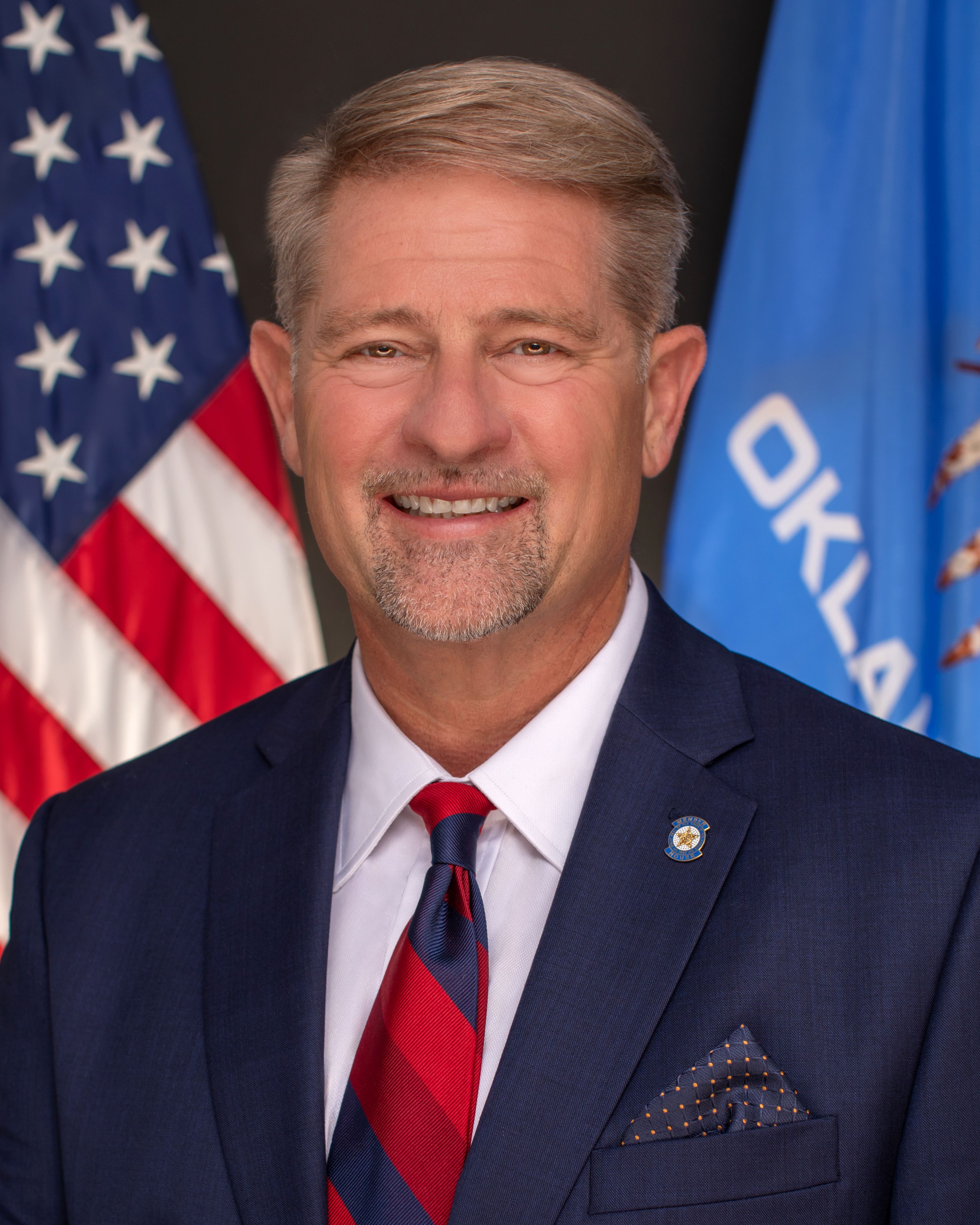
Rep. Kevin Norwood
Sponsored bills
Maddy summaryHB 4302 grants Oklahoma's Office of Juvenile System Oversight new authority to inspect children's facilities (both state-operated and privately run facilities receiving state/federal funding) and subpoena child or juvenile records from these entities. It requires the Office to conduct unannounced annual inspections, investigate complaints about the children's system, and handle foster parent grievances related to safety concerns. The bill mandates confidentiality for complainants, with limited exceptions only when a safety threat is communicated. This directly affects children's facilities, foster parents, and oversight staff by strengthening accountability mechanisms within Oklahoma's juvenile system.
Maddy summarySB 1290 allocates $3 million from Oklahoma's General Revenue Fund to maintain the state's 2-1-1 hotline for the 2027 fiscal year. The funding ensures the hotline continues providing direct support for basic needs like food, shelter, clothing, transportation, and medical assistance. This appropriation directly affects Oklahomans who rely on the 2-1-1 service for immediate help. The bill takes effect July 1, 2026.
Maddy summarySB 1369 allocates $5.7 million from Oklahoma's general state funds to sustain and expand the state's 9-8-8 suicide and crisis hotline operations for the 2026-2027 fiscal year. This funding directly supports Oklahomans in mental health crises by ensuring access to the 9-8-8 hotline service. The bill provides specific funding to maintain current operations while increasing capacity for crisis response. It becomes effective July 1, 2026, and declares an emergency due to the urgent need for mental health support.
Maddy summaryHB 2956 prohibits individuals with certain disciplinary histories from owning Oklahoma appraisal management companies (AMCs). Specifically, it bars anyone who had their appraiser credential refused, denied, suspended, revoked, or surrendered due to serious disciplinary action in any jurisdiction from owning or controlling an AMC. This directly affects potential AMC owners and ensures only those without such histories can hold ownership roles. The bill amends Oklahoma's Appraisal Management Company Regulation Act to establish this ownership requirement, focusing on accountability in the appraisal industry.
Maddy summaryHB 4092 establishes Oklahoma's statewide 988 Mental Health Lifeline system to provide 24/7 crisis support. It designates the Oklahoma Department of Mental Health and Substance Abuse Services (ODMHSAS) as the lead agency to oversee suicide prevention and crisis services, including coordinating with designated 988 Lifeline Crisis Centers. The bill creates a 988 Trust Fund to finance the system, mandates performance and clinical standards for crisis services (such as mobile crisis teams and urgent recovery centers), and requires real-time coordination between emergency response systems. This directly affects Oklahomans in mental health crises by ensuring accessible, standardized care through phone, text, or in-person support. The law takes effect upon passage.
Maddy summaryHB 2929 in Oklahoma prohibits insurers from canceling or increasing premiums on homeowner's insurance policies due to a first claim or claims older than five years. It also restricts insurers from using weather-related claims history to raise rates unless there are three or more such claims within the past three years (with exceptions for unaddressed repair issues). The bill requires insurers to provide written renewal notices at least 30 days before policy expiration, keeping current terms in effect if notices are missed, and mandates refunds for unused premiums when policies are canceled early. These changes directly affect Oklahoma homeowners by limiting how insurers can adjust coverage based on claims history.
Maddy summaryHB 4094 protects Oklahoma governments from liability if newspapers fail to publish required legal notices correctly, provided the government properly submitted the notice and met all other legal deadlines. It allows governments to use electronic publication alongside traditional methods to meet notice requirements, as long as they choose a method they reasonably believe is feasible. The bill applies directly to cities, counties, and state agencies that publish legal notices in newspapers. It takes effect on November 1, 2026.
Maddy summaryThis bill, titled the Oklahoma Mental Health Reform Act of 2026, is currently in its early stages of review and does not yet contain specific policy changes or provisions. It serves primarily as a procedural measure to establish the official name and effective date for a future mental health reform initiative. As written, the legislation only sets the act to become effective on November 1, 2026, without detailing any new laws or impacts on individuals.
Maddy summaryHB 4093 exempts the sale of fireworks from Oklahoma's sales tax during a four-day period from July 2 to July 5, 2026, to celebrate the 250th anniversary of U.S. Independence Day. The bill defines "fireworks" as any combustible or explosive product designed to produce visible or audible effects through combustion, explosion, or detonation. The Oklahoma Tax Commission must create implementing rules for this exemption. The bill becomes effective on July 1, 2026, and includes an emergency clause to take immediate effect upon approval.