

Maddy summarySB 1832 reauthorizes Oklahoma taxpayers' ability to donate a portion of their state income tax refund to two veterans programs. It extends the option for donations to fund the Indigent Veteran Burial Program (reimbursing up to $500 per veteran, capped at $20,000 annually) and the Veterans Affairs Equipment and Capital Improvement Program (funding equipment purchases and facility projects). The bill updates the covered tax years (2017-2020 and 2026 onward for burial; 1994-2008 and 2026 onward for equipment) and establishes revolving funds administered by the Oklahoma Department of Veterans Affairs. These funds, held in the state treasury, are dedicated to specific veteran services with clear spending limits, and donations remain optional for taxpayers.
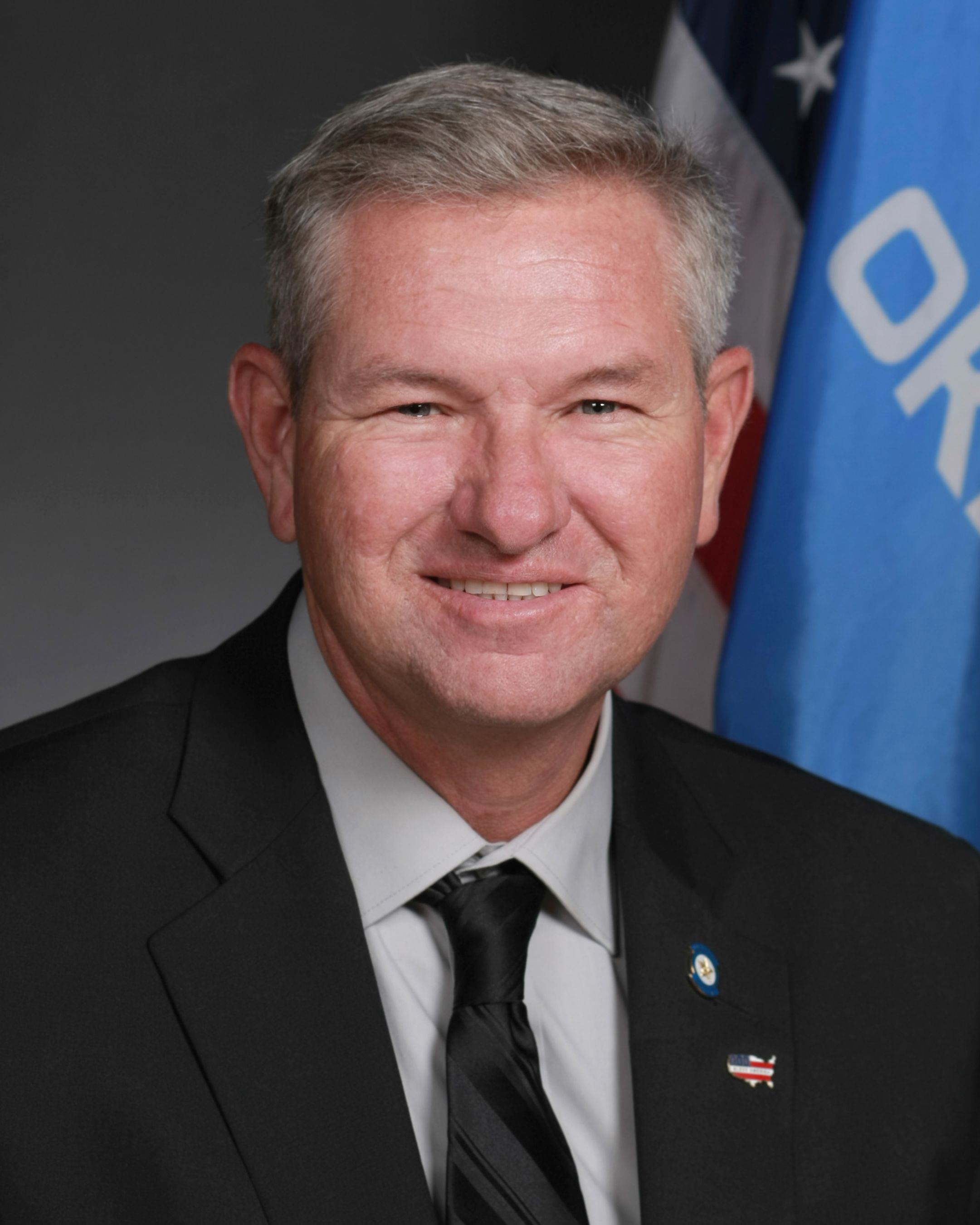
Rep. David Smith
Sponsored bills
Maddy summaryHB 3934 creates two new "extended care permits" for dental hygienists in Oklahoma to expand access to preventive dental care for underserved populations. Permit I allows hygienists to provide services in schools, foster care, youth programs, and clinics for children (birth to grade 12) with specific experience requirements (1,200 hours or teaching). Permit II allows similar services for seniors (65+) and people with developmental disabilities in residential facilities, requiring 1,600 hours and special training. Both permits require supervision by a licensed dentist, restrict services to preventive care (like cleanings and fluoride), and mandate reporting to the supervising dentist. The bill directly affects dental hygienists seeking expanded practice and the vulnerable groups they serve in community settings.
Maddy summarySB 1533 amends Oklahoma's veteran burial assistance laws to require that veterans receiving burial aid must have been residents of Oklahoma at the time of death. This change applies to both the Indigent Veteran Burial Program (Section 34) and the Dignity in Burial Act (Section 36), adding a new eligibility criterion that was not previously required. The bill does not alter the $1,000 reimbursement limit or other existing requirements, such as honorable discharge, death in Oklahoma, or documentation of burial details. It directly affects veterans who died in Oklahoma but did not meet the residency requirement, excluding them from state burial assistance programs. The law takes effect November 1, 2026.
Maddy summaryThis proposed constitutional amendment (HJR 1046) would add a 100% property tax exemption for primary residences in Oklahoma damaged or destroyed by qualifying weather events (like tornadoes, hail, or high winds). It directly affects homeowners whose primary residence becomes uninhabitable due to such events, exempting the full assessed value of the property from ad valorem taxes during the tax year of damage (or the following year if damage occurs after June). The exemption applies only to properties deemed "uninhabitable" and unable to be safely occupied for residential use. This amendment requires voter approval through a legislative referendum before taking effect.
Maddy summarySB 1516 adds a voluntary donation option to Oklahoma driver license and identification card application forms. When Oklahomans apply for or renew these licenses through Service Oklahoma, they will see a prompt allowing them to donate to the Oklahoma Department of Veterans Affairs. The bill amends existing law to include this option on standard application forms, with no requirement for donations.
Maddy summaryHB 3935 formally names the "Oklahoma Mental Health Reform Act of 2026" and sets its effective date as November 1, 2026. This procedural bill does not establish new mental health programs, policies, or funding mechanisms. It serves only to designate the bill's title and effective date without describing substantive changes. The bill is currently in early legislative stages (first reading, referred to Rules) with no policy provisions detailed in the provided text.
Maddy summaryHB 3937 is a procedural bill that names the "Oklahoma Professions and Occupations Act of 2026" and sets its effective date as November 1, 2026. It does not change any existing regulations for professions or occupations, as it is solely a naming and dating provision. The bill affects no specific individuals or groups, as it only establishes the act's title and implementation timeline. This is a routine procedural measure with no substantive policy changes.
Maddy summaryHB 3938 is a procedural bill that names the "Oklahoma Professions and Occupations Act of 2026" but contains no substantive policy changes. It explicitly states the act will not be codified in Oklahoma Statutes and sets an effective date of November 1, 2026. The bill does not affect any professions, occupations, or regulatory requirements, as it serves solely as a naming resolution. It is purely administrative, with no new rules, fees, or licensing provisions for professionals. The bill is currently in early committee review (referred to Rules after second reading).
Maddy summaryHB 3936 is a procedural bill that establishes the name "Oklahoma Medicaid Reform Act of 2026" and sets its effective date as November 1, 2026. The bill text does not describe any substantive policy changes or mechanisms, only naming the act and its effective date. It is designated as noncodified, meaning it will not be added to Oklahoma's official statutes. This appears to be a naming and procedural measure rather than a bill implementing specific Medicaid reforms.
Maddy summaryHB 1426 amends Oklahoma's turnpike regulations to explicitly exempt rural firefighters operating in official emergency vehicles during emergency responses from standard turnpike restrictions. This change adds rural firefighters to the existing list of exempted groups, including emergency vehicles and public utility workers, in the Oklahoma Turnpike Authority's rules. The bill ensures rural firefighters can legally travel on turnpikes during emergencies without violating traffic laws. It will take effect on November 1, 2025.