

Employment Security Act of 1980; modifying conditional factors. Effective date.
SB 911 lowers unemployment tax rates for Oklahoma employers under specific conditions by decreasing the percentage rates applied to taxable wages. For example, the rate for employers in condition "a" drops from 42.5% to 41.25%, and similar reductions apply across other conditions. The bill updates the experience rate table that determines employer tax rates based on their claims history and removes outdated formulas for benefit wage ratio increases. It also raises the minimum balance required for the unemployment fund to ensure financial stability. These changes directly affect businesses paying unemployment taxes in Oklahoma.
Bill status
signed
all 5 stages cleared
Introduction
Feb 2025
Committee Review
May 2025
Senate Passage
Mar 2025
House Passage
May 2025
Signed into Law
May 2025
Introduced Feb 3, 2025
Signed May 13, 2025
Maddy AI version diff · 4 comparisons
What changed between versions
Floor (House)
→
Floor (Senate)
·
4 edits
MODERATE
This bill updates Oklahoma's unemployment insurance system by adjusting contribution rates based on fund balances and employer experience, replacing the previous formula for benefit wage ratio increases with a new detailed rate table. The changes aim to better align employer contributions with the fund's financial condition and individual employer performance.
Scope change
The bill applies to all employers subject to Oklahoma's Employment Security Act, with new conditional factors determining contribution percentages based on the state's Unemployment Compensation Fund balance.
FISCAL
Replaced the formula for benefit wage ratio increases with a new detailed rate table that calculates contribution rates based on state experience factors and employer benefit wage ratios.
Established five conditional contribution percentages (ranging from 40% to 50%) based on the Unemployment Compensation Fund balance and specific conditions labeled 'a' through 'd'.
REQUIREMENT
Updated statutory references and minimum fund balance requirements to reflect current financial conditions.
TECHNICAL
Changed bill formatting from House version to Senate floor version with updated sponsor information and effective date.
Floor votes · Senate Mar 24, 2025 · House May 6, 2025
How they voted
47–0
Passed · 2 other
Total votes 49
Mar 24, 2025
D
Democratic9
100% Yea
R
Republican40
95% Yea
Vote distribution
All Yea
All Nay
Mixed
No data
Full legislative history
Actions timeline
Total actions
29
Key actions
7
Committee
6
May 13, 2025
Signed into law
Approved by Governor 05/10/2025
upper
May 6, 2025
Committee
Referred for enrollment
upper
May 6, 2025
Lower · Passed
Third Reading, Measure passed: Ayes: 91 Nays: 0
lower
Apr 16, 2025
Lower · Passed
CR; Do Pass Appropriations and Budget Committee
lower
Apr 9, 2025
Lower · Passed
Recommendation to the full committee; Do Pass Appropriations and Budget Select Agencies Subcommittee
lower
Apr 2, 2025
Committee
Referred to Appropriations and Budget Select Agencies Subcommittee
lower
Mar 25, 2025
Introduced
First Reading
lower
Mar 25, 2025
Upper · Passed
Engrossed to House
upper
Mar 24, 2025
Committee
Referred for engrossment
upper
Mar 24, 2025
Upper · Passed
Measure passed: Ayes: 46 Nays: 0
upper
Feb 25, 2025
Upper · Passed
Reported Do Pass Economic Development, Workforce and Tourism committee; CR filed
upper
Feb 3, 2025
Introduced
First Reading
upper
2 primary · 0 co-sponsors
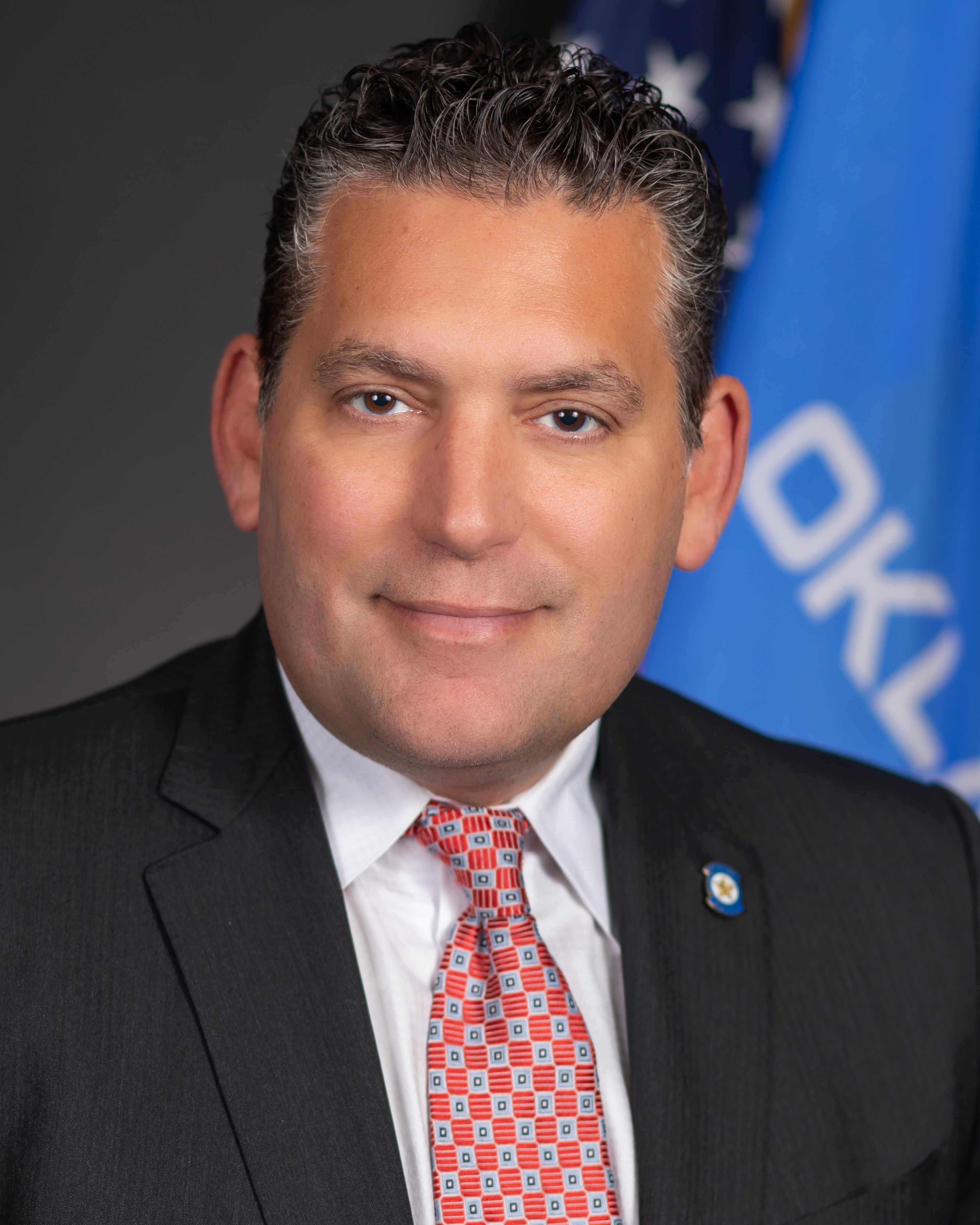
Sponsors

Ask Maddy
·
AI policy assistant
Ask Maddy about SB 911
Scope: OK
Hi! I can help you understand SB 911. What would you like to know?
Try one of these
i
Maddy answers using official bill text and legislative records. Always verify before sharing.
Sources cited inline