

Mobile food preparation vehicles; modifying entity from which to obtain certain permit. Effective date.
SB 1749 modifies Oklahoma law to require mobile food vehicles using liquefied petroleum gas (LPG) for cooking to obtain annual permits and pass inspections from the Oklahoma Liquefied Petroleum Gas Administration (not local agencies). It mandates Class K fire extinguishers for grease-related cooking and shifts jurisdiction for fire safety inspections to the State Fire Marshal, who must conduct annual checks with specific geographic coverage. The bill affects mobile food vendors operating LPG-equipped vehicles, updating permit requirements and inspection protocols while clarifying that counties with over 400,000 residents may maintain local regulations. The changes take effect November 1, 2026.
Bill status
passed
3 of 5 stages cleared
Introduction
Feb 2026
Committee Review
Apr 2026
Senate Passage
Mar 2026
House Passage
Governor
Introduced Feb 2, 2026
Last action Apr 16, 2026
Maddy AI version diff · 3 comparisons
What changed between versions
Floor (House)
→
Floor (Senate)
·
5 edits
MODERATE
The bill was transferred from the House to the Senate, where it was amended to clarify that mobile food trucks must comply with fire codes regardless of their fuel source, including electric vehicles. The version also expanded enforcement authority to allow local governments to regulate zoning and permits while reserving specific fire safety rule-making power for the State Fire Marshal. Additionally, the effective date was changed from November 1, 2026, to January 1, 2026.
Scope change
The bill now explicitly includes electric food trucks under fire safety regulations and clarifies the division of authority between state and local governments regarding permits and inspections.
REQUIREMENT
Fire code compliance is now required for all mobile food vehicles, including those using electric energy, not just those using gas or oil.
The requirement for a six-liter Class K-rated fire extinguisher was removed in favor of a general requirement for portable extinguishers installed per NFPA 10 standards.
New inspection frequency requirements were added, mandating inspections in all four state quadrants and twice in counties with populations over 400,000.
ENFORCEMENT
Local governments are explicitly authorized to enforce zoning and permit rules, while the State Fire Marshal retains exclusive authority to issue operation permits and promulgate fire safety rules.
TIMELINE
The effective date of the act was moved from November 1, 2026, to January 1, 2026.
Floor votes · Senate Mar 23, 2026
How they voted
37–9
Passed · 4 other
Total votes 50
Mar 23, 2026
D
Democratic9
77% Yea
R
Republican41
73% Yea
Vote distribution
All Yea
All Nay
Mixed
No data
Full legislative history
Actions timeline
Total actions
15
Key actions
5
Committee
5
Apr 16, 2026
Lower · Passed
CR; Do Pass Health and Human Services Oversight Committee
lower
Apr 8, 2026
Lower · Passed
Policy recommendation to the Health and Human Services Oversight committee; Do Pass Public Health
lower
Mar 30, 2026
Committee
Referred to Public Health
lower
Mar 24, 2026
Introduced
First Reading
lower
Mar 24, 2026
Upper · Passed
Engrossed to House
upper
Mar 23, 2026
Committee
Referred for engrossment
upper
Mar 23, 2026
Upper · Passed
Measure passed: Ayes: 35 Nays: 9
upper
Feb 24, 2026
Upper · Passed
Reported Do Pass Economic Development, Workforce and Tourism committee; CR filed
upper
Feb 2, 2026
Introduced
First Reading
upper
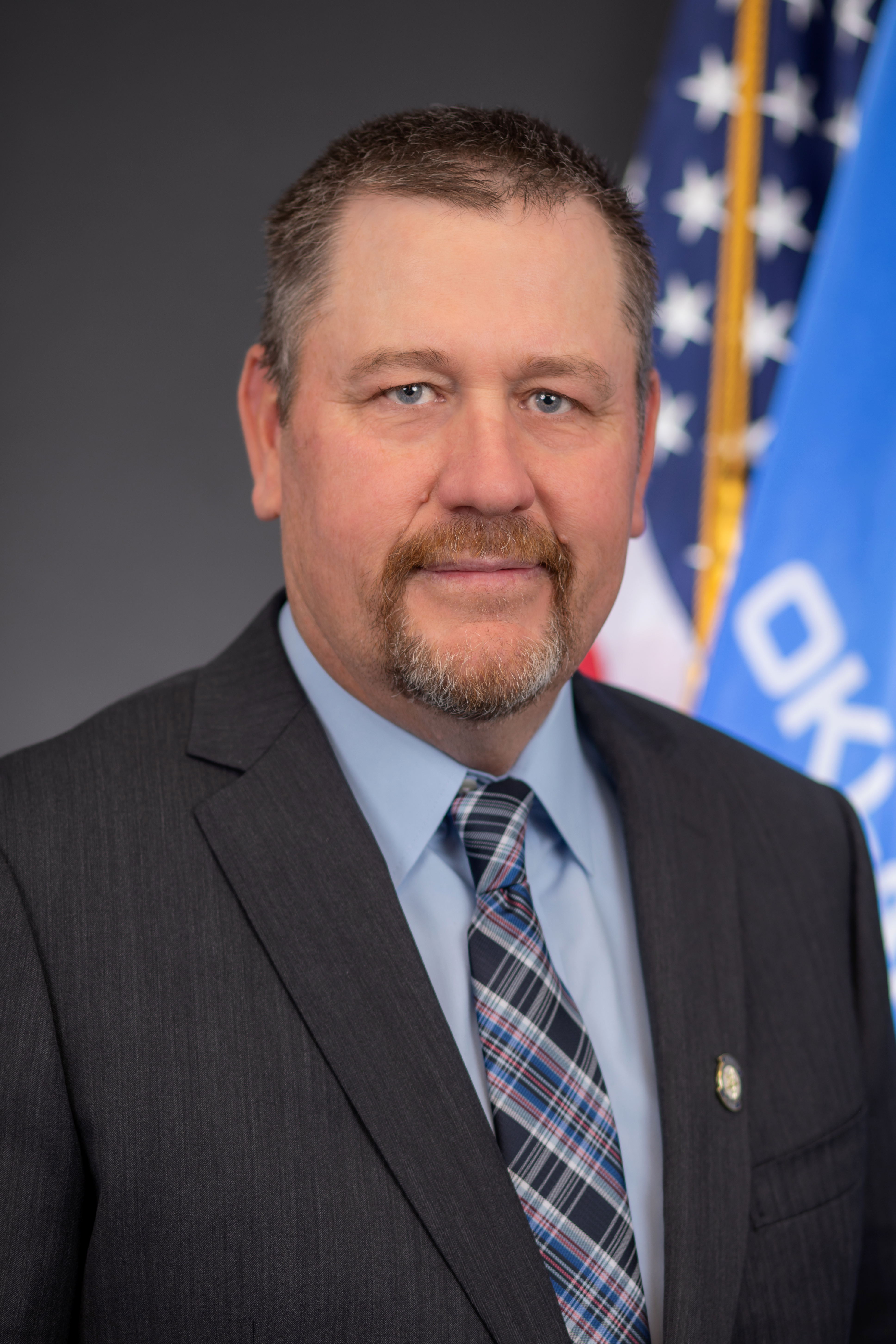
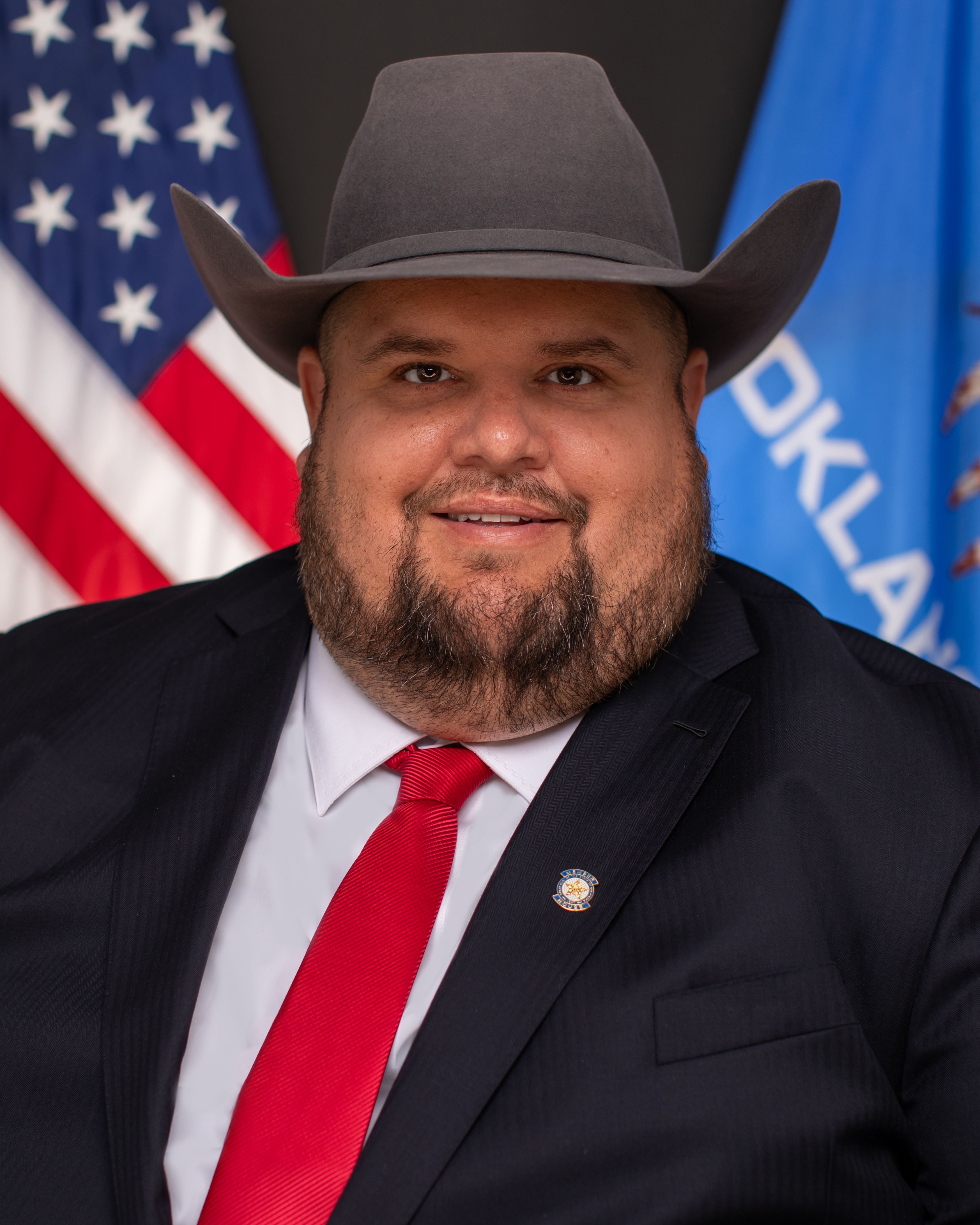
2 primary · 0 co-sponsors
Sponsors
Ask Maddy
·
AI policy assistant
Ask Maddy about SB 1749
Scope: OK
Hi! I can help you understand SB 1749. What would you like to know?
Try one of these
i
Maddy answers using official bill text and legislative records. Always verify before sharing.
Sources cited inline