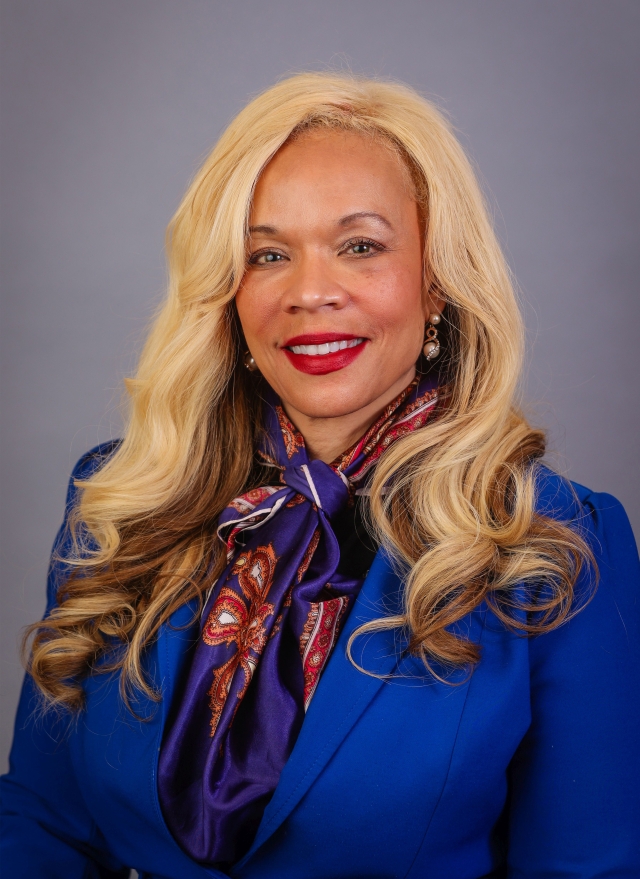
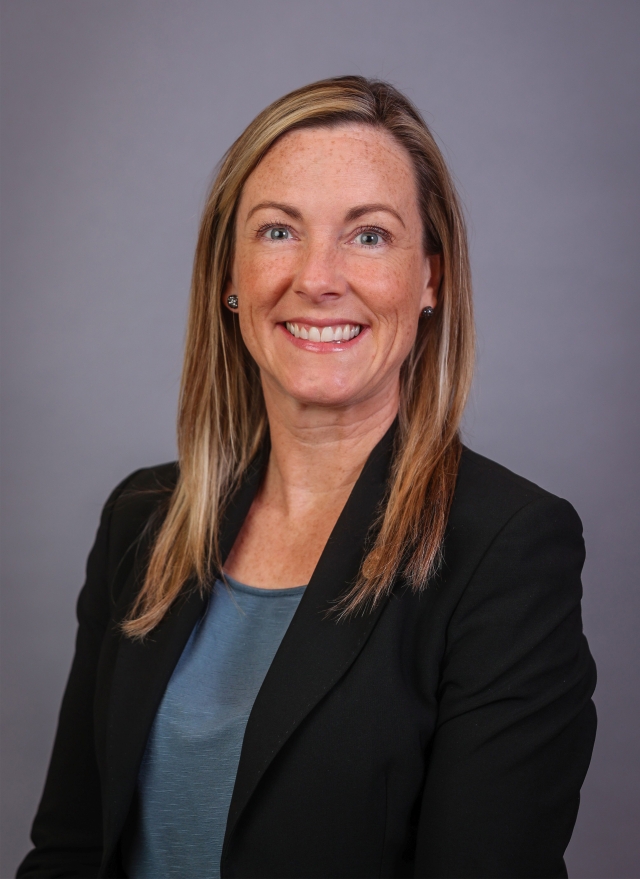
Key legislators
Who's moving education in Ohio
Showing 21–25 of 25
bills
All education bills
SB 144 requires new educator licenses in Ohio to specify a clear grade band (pre-kindergarten through 5, 4 through 8, or 7 through 12) for which the teacher is authorized to teach. This change applies only to licenses issued after the bill's effective date and does not affect current license holders or educators with existing licenses. The requirement excludes specialized teaching areas like arts, world languages, career-technical education, and intervention specialist licenses, which continue to follow existing rules.
SB 158 proposes a general prohibition on student cellular telephone use within public schools. This legislation directly affects students and staff throughout the public school system. It achieves this by amending section 3313.753 of the Revised Code, establishing a new statewide policy regarding cell phone use during school hours.
To amend sections 3313.60 and 3313.6024 and to enact sections 3301.0722, 3301.165, 3313.6031, 3314.0311, 3326.092, and 3328.60 of the Revised Code regarding instruction for public and chartered nonpublic school students in the harmful effects of substance use.
HB 43 proposes to waive the required minimum instructional hours specifically for Ashtabula Lakeside High School. This measure is intended to provide flexibility to the school because its building is currently unusable. If passed, the bill would allow the high school to operate without meeting the standard instructional hour requirements for a specified period.
SR 41 is a procedural resolution authorizing Cleveland State University to use the Ohio Senate Chamber on March 13, 2025, for its Columbus Seminar program. The resolution permits the university to host student participants in a simulated Senatorial session to educate them about state government operations and legislative processes. It directly affects Cleveland State University students enrolled in the Columbus Seminar, who will gain hands-on experience with how legislation is created and processed. The resolution does not create new laws or policies but grants temporary facility access for educational purposes.