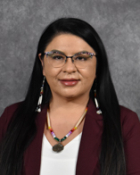
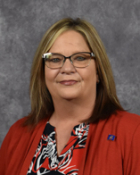
Key legislators
Who's moving education in North Dakota
Showing 31–34 of 34
bills
All education bills
HB 1357 amends North Dakota law to strengthen student data privacy protections for school districts. It requires school boards to adopt written policies mandating permission from the board before sharing student data with non-employees (except parents or as legally required), allowing data sharing with state entities only through formal agreements, and requiring districts to maintain and publicly provide lists of all individuals and personnel with data access. The law directly affects all North Dakota public school districts by establishing clear, enforceable rules for handling student information. These provisions aim to increase transparency and control over how student data is used and shared.
HB 1178 requires North Dakota school districts to create policies allowing students who are qualified voters (18+ and registered) to leave campus during school hours to vote in elections. The policy must include conditions like time limits for absence or designated voting periods. This law directly affects high school students eligible to vote, enabling them to participate in elections without missing class. The bill became effective after being signed by the Governor on March 14, 2025. It establishes a concrete requirement for school districts to facilitate student voting access.
SB 2392 would prohibit public colleges and universities in North Dakota from requiring certain "prohibited submissions" (like mandatory statements about personal identity characteristics) or "prohibited training" (such as mandatory diversity workshops) as conditions for employment, admission, graduation, or state financial aid. The bill defines prohibited practices as those promoting differential treatment based on race, gender, sexual orientation, or other personal identity characteristics, including policies labeled "diversity, equity, and inclusion" (DEI). Exceptions apply for requirements under federal law, and institutions must report any federal-mandated submissions to the state board of higher education. The law would take effect in 2026, with the board conducting biennial compliance reviews.
SB 2303 would create an education savings account program in North Dakota, using state funds to help eligible families pay for approved educational expenses. Eligible students include K-12 residents who qualify for public school, with funds deposited by the Bank of North Dakota (80% of per-pupil funding). Parents would receive these funds for approved expenses like tuition at participating private schools, approved tutoring, textbooks, college costs, or educational technology, but must agree not to enroll children in public schools. The program requires participating schools to meet safety and nondiscrimination standards, and unused funds carry forward annually.