

Maddy summaryThis North Carolina bill requires all private employers with 25 or more employees to use the federal E-Verify system to check the work authorization of every new hire. It mandates that state and local government agencies also comply with these verification rules and allows employers to avoid penalties if they can prove they acted in good faith and did not knowingly accept fraudulent documents. The legislation establishes a 30-day grace period for employers to fix minor compliance errors and increases fines for repeat offenders while protecting workers who report suspected violations from retaliation. Additionally, it grants the state labor commissioner the authority to conduct random or risk-based audits of employers and provides funding to support enforcement efforts.
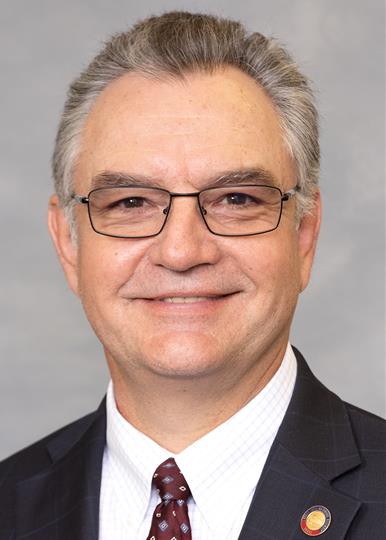
Rep. Karl Gillespie
Sponsored bills
Maddy summaryThis bill, known as the Mike Clampitt 1st Responder Tax Fairness Act, aims to expand tax exemptions for volunteer fire departments and rescue squads in North Carolina. Specifically, it allows these independent groups, which have two or fewer paid employees and are already exempt from state income tax, to avoid paying a highway use tax on specific emergency vehicles like fire trucks, forest firefighting units, and other emergency service vehicles. The change applies to vehicles when a certificate of title is issued on or after July 1, 2026, ensuring these organizations can acquire necessary equipment without incurring this particular tax. By broadening the existing exemption, the legislation directly benefits volunteer responders who operate outside of local government units.
Maddy summaryHB 381 amends state law concerning the approval of innovative on-site wastewater systems. This bill streamlines the approval process for manufacturers whose systems have been evaluated and approved by a nationally recognized certification body. It removes the previous requirement for these systems to have performed acceptably for at least two consecutive years under such a protocol. The Department is now directed to approve applications and issue innovative wastewater system approvals upon verifying the national certification and consistent design and installation plans.
Maddy summaryThis bill allocates $6 million in state funds to expand two food assistance programs in North Carolina for the 2026-2027 fiscal year. The first $4 million supports FarmSHARE, which provides grants to buy locally grown food and distribute it for free to food-insecure individuals and households. The second $2 million funds the Double Up Food Bucks Program, allowing people receiving nutrition assistance to use their benefits to purchase fresh fruits and vegetables at farmers markets and other local retailers. Both programs require the state department to submit annual reports detailing participation numbers, distribution metrics, and financial data to legislative oversight committees. The legislation takes effect on July 1, 2026.
Maddy summaryHouse Bill 433 allows licensed registered nurses (RNs) to serve as school nurses in North Carolina public schools. The bill prohibits the State Board of Education from requiring a four-year degree for school nurse employment. It specifies that RNs with at least two years of experience in a hospital or health clinic can work as school nurses without needing additional certifications or licenses. These qualified registered nurses will be paid under the certified school nurse pay scale.
Maddy summaryHB 402 requires North Carolina state agencies to assess the financial impact of proposed permanent rules. If a rule would cost affected individuals or businesses $20 million or more over five years, it must be approved by the General Assembly before taking effect. For rules with a $1 million or more annual cost impact, agencies must prepare a fiscal note for review by the Office of State Budget and Management. The bill also mandates a two-thirds vote by agency boards to adopt rules exceeding the $1 million cost threshold. This directly affects state agencies creating regulations and the businesses or residents who would bear the costs of those rules.
Maddy summaryHB 559 modifies fees for elevator and amusement device inspections in North Carolina to address a backlog of over 3,000 overdue inspections and staffing shortages. It establishes new, capped fee schedules for routine elevator inspections ($200-$300 depending on building size), amusement rides, and related services, effective July 2025. Fees will automatically adjust annually based on the Consumer Price Index (CPI) starting in 2026, with increases published 60 days in advance. The bill ensures all fees are collected directly from building owners/operators and used exclusively to fund inspections, permitting, and training - without new taxpayer costs or fee reversions.
Maddy summaryHB 590 establishes licensing requirements for medical imaging and radiation therapy professionals in North Carolina, directly affecting radiographers, radiation therapists, sonographers, and others performing these procedures. The bill creates a new "Medical Imaging and Radiation Therapy Board of Examiners" to set education standards, administer licensing exams, and ensure practitioners are "educationally prepared and clinically competent." It requires all non-licensed practitioners (e.g., radiographers, radiation therapists) to hold a state license before performing procedures involving ionizing radiation or medical imaging, with limited exemptions for licensed physicians. The law aims to protect patients by mandating standardized training and oversight for these technical roles.
Maddy summaryHB 512 creates an exemption to the practice of veterinary medicine for emergency medical services (EMS) personnel. This allows EMS personnel, excluding dispatchers, to provide emergency medical transport and services to injured K-9 police animals or certified search and rescue dogs at an emergency scene. The bill also grants limited immunity from prosecution for EMS personnel who act in good faith when providing such care. However, this immunity does not extend to gross negligence, wanton conduct, or intentional wrongdoing.
Maddy summaryHB 895 creates North Carolina's Emergency Citizen Pilot Training Program, which establishes certification standards for volunteer pilots to assist in disaster response. The program, administered by the Division of Emergency Management, will train pilots on safe emergency operations (including flight paths, communication, and coordination with state/federal teams), require a $500 fee per participant, and maintain a registry of certified pilots who complete continuing training to maintain active status. It directly affects volunteer pilots who qualify, granting them certification to participate in disaster efforts and providing new leave rights from civilian jobs during emergencies. The bill also expands the definition of "emergency management worker" to include certified pilots and requires the program to be operational by January 1, 2027.