

Issue · Labor & Employment
Labor & Employment (Collective Bargaining)
Every labor & employment bill, vote, and legislator stance in North Carolina, automatically classified by Maddy, our AI policy reader.
Total bills
12
2025-2026 Session
Top supporter
Julie Mayfield
100% support rate
Top opponent
Amy Galey
0% support rate
Ranked legislators
10
5 support · 5 oppose
Key legislators
Who's moving collective bargaining in North Carolina
| Legislator | Party | Stance | Support rate | Votes |
|---|---|---|---|---|

Julie Mayfield
Senate · District 49
|
D |
Strong +
|
100% | 3 |
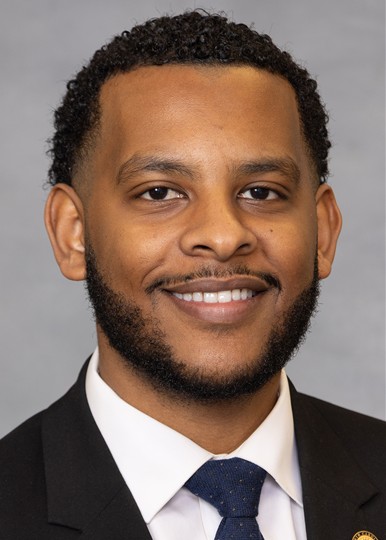
Caleb Theodros
Senate · District 41
|
D |
Support
|
67% | 3 |
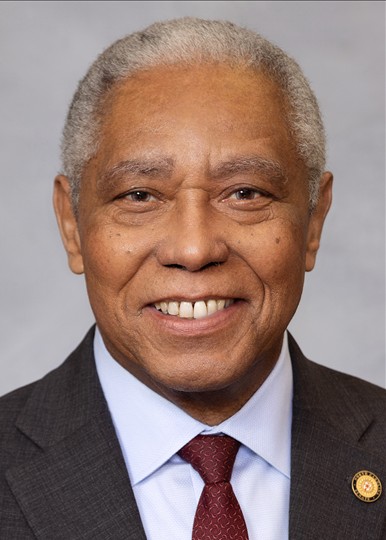
Dan Blue
Senate · District 14
|
D |
Support
|
67% | 3 |
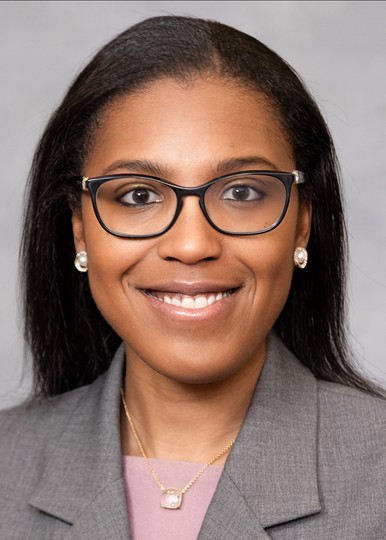
DeAndrea Salvador
Senate · District 39
|
D |
Support
|
67% | 3 |

Gale Adcock
Senate · District 16
|
D |
Support
|
67% | 3 |
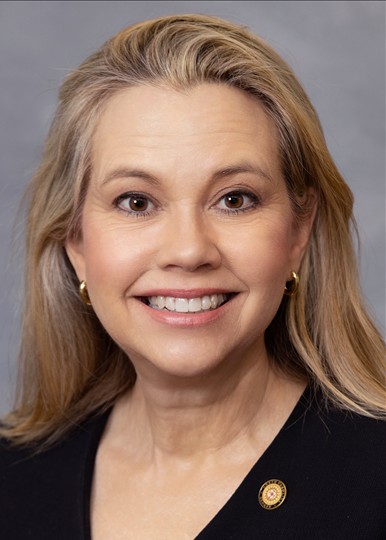
Amy Galey
Senate · District 25
|
R |
Strong −
|
0% | 3 |
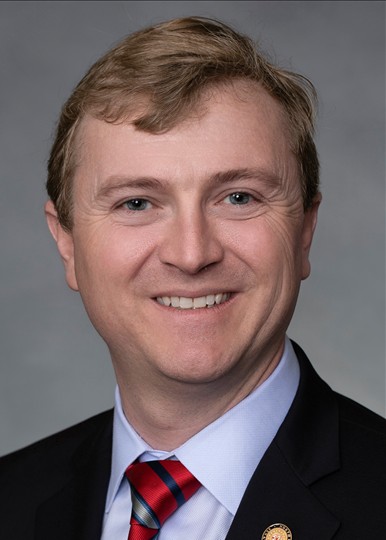
Benton Sawrey
Senate · District 10
|
R |
Strong −
|
0% | 3 |

Bill Rabon
Senate · District 8
|
R |
Strong −
|
0% | 3 |
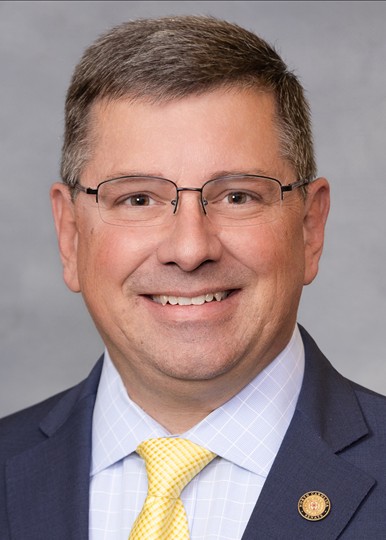
Bob Brinson
Senate · District 3
|
R |
Strong −
|
0% | 3 |
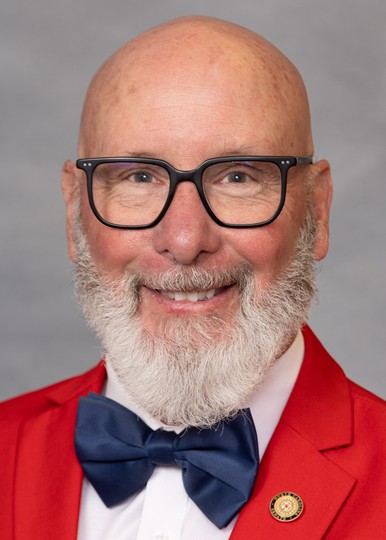
Bobby Hanig
Senate · District 1
|
R |
Strong −
|
0% | 3 |
Showing 11–12 of 12
bills
All labor & employment bills
SB 484: Clarify Tourism-Related Expenditures.
Topics
✗ Criminal JusticeOpposes Criminal JusticeCriminalizes protest activities under CRIMES, expanding criminalization of mass picketing as unlawful conduct per bill's definition.
✗ Labor & EmploymentOpposes Labor & EmploymentRestricts worker organizing by criminalizing mass picketing (a labor protest tactic) and enabling employer lawsuits against protesters, weakening collective action rights.
Sub-Topics
Collective Bargaining