Issue · Housing

Housing

Every housing bill, vote, and legislator stance in North Carolina, automatically classified by Maddy, our AI policy reader.

Total bills
36
2025-2026 Session
Top supporter
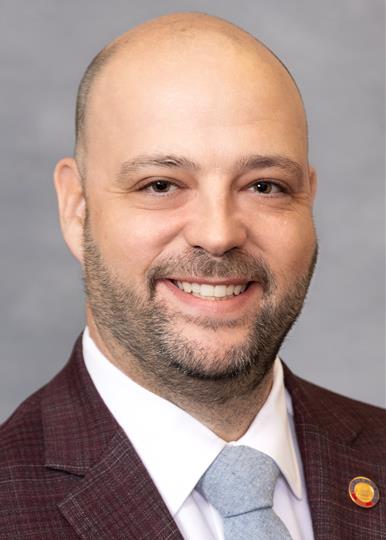
Nasif Majeed
100% support rate
Top opponent
Lindsey Prather
17% support rate
Ranked legislators
10
5 support · 5 oppose
Key legislators

Who's moving housing in North Carolina

Legislators moving housing in North Carolina
Legislator Party Stance Support rate Votes
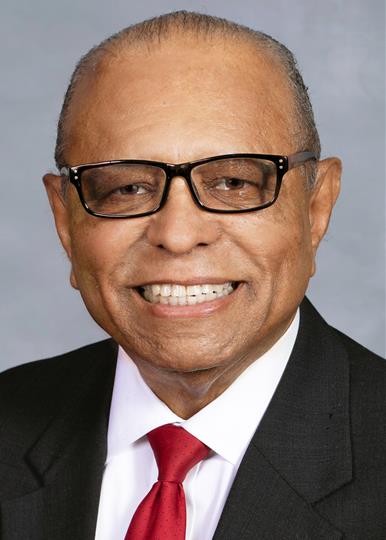
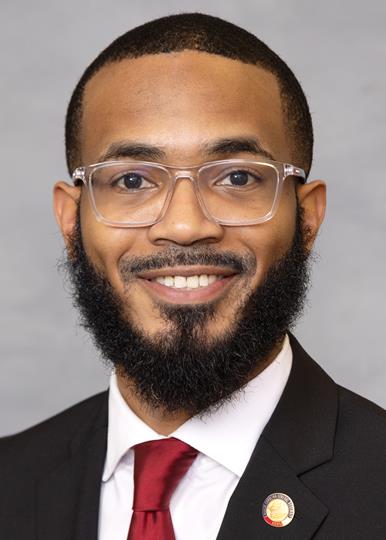
Nasif Majeed
Nasif Majeed House · District 99
I
Strong +
100% 22
Jordan Lopez
Jordan Lopez House · District 112
D
Support
71% 28
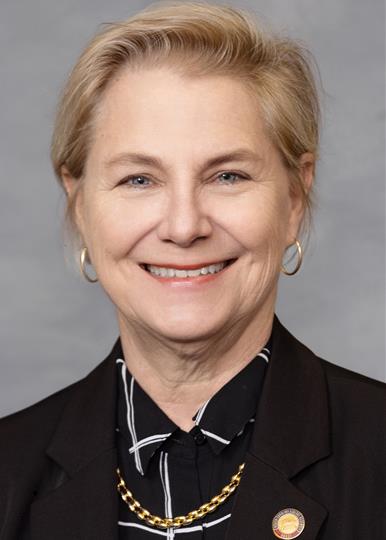
Deb Butler
Deb Butler House · District 18
D
Support
71% 28
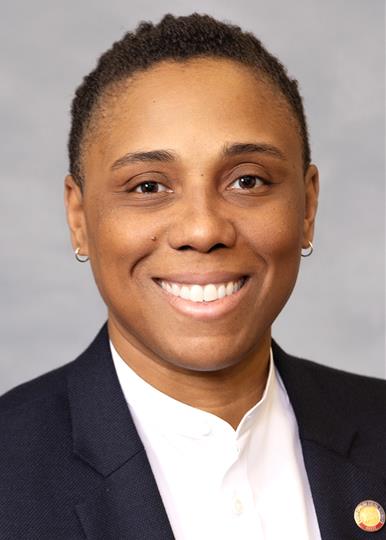
Kanika Brown
Kanika Brown House · District 71
D
Support
71% 28
Vernetta Alston
Vernetta Alston House · District 29
D
Support
67% 26
Lindsey Prather
Lindsey Prather House · District 115
D
Strong −
17% 24
Bryan Cohn
Bryan Cohn House · District 32
D
Oppose
29% 26
Wyatt Gable
Wyatt Gable House · District 14
R
Oppose
29% 28
Stephen Ross
Stephen Ross House · District 63
R
Oppose
29% 23
Karl Gillespie
Karl Gillespie House · District 120
R
Oppose
29% 28
Showing 21–30 of 36 bills

All housing bills

in committee · North Carolina · Senate Feb 25, 2025

SB 138: Restore Down-Zoning Auth./Mecklenburg Co.

SB 138 restores local government authority to initiate down-zoning in Mecklenburg County and its municipalities without requiring written consent from all affected property owners. The bill amends state law to remove a prior requirement that down-zoning (reducing development density or permitted land uses) needed all property owner agreements, allowing counties or cities to implement such changes directly. It applies specifically to Mecklenburg County and its municipalities, taking effect retroactively to December 11, 2024, to revert affected ordinances to their pre-December 11 state. This change directly affects property owners in the region by altering how local governments can modify zoning regulations impacting their land.
signed · North Carolina · House Jun 30, 2025

HB 173: Various Local Provisions III.

HB 173 freezes Wake County municipalities' ability to expand extraterritorial jurisdiction (ETJ) beyond their 2025 boundaries until 2028, directly affecting local governments in Wake County. It removes one specific property parcel (tax ID 966773980500000) from Asheville's city limits, effective June 2025, while preserving existing tax liens. The bill also revises rules for commercial development moratoria, requiring four hearings (two in-person in affected areas) and detailed justifications for any 60-day moratorium, which cannot be renewed. These changes apply to all North Carolina municipalities adopting commercial development moratoria after the bill's effective date.
in committee · North Carolina · Senate Mar 3, 2025

SB 212: Restore Down-Zoning Auth./Granville and Wake.

SB 212 restores local government authority to initiate down-zoning in Granville and Wake Counties without requiring written consent from affected property owners. Down-zoning refers to changes that reduce development density or limit permitted land uses (e.g., from commercial to residential). The bill specifically applies to properties within these two counties and their municipalities, reversing a prior requirement that down-zoning amendments needed owner consent. It takes effect immediately upon enactment but applies retroactively to December 11, 2024, to restore pre-existing zoning ordinances affected by a previous law. This policy change directly impacts property owners in Granville and Wake Counties by altering how local governments can modify zoning regulations.
Sub-Topics Property Development Property Taxes Zoning Tags Local Government
in committee · North Carolina · House Mar 4, 2025

HB 263: Down-Zoning/Person and Durham Counties.

HB 263 restores local government authority to change zoning to less dense or fewer permitted uses (down-zoning) in Durham and Person Counties and the Cities of Durham and Roxboro, without requiring written consent from all affected property owners. The bill rewrites state law to allow counties or cities to initiate down-zoning amendments directly, reversing a previous requirement (from S.L. 2024-57) that mandated owner consent. This change applies retroactively to December 11, 2024, meaning zoning ordinances affected by the prior law will revert to their pre-December 11 status. The bill directly affects local governments’ zoning powers and property owners in the specified jurisdictions, without altering other zoning processes.
Sub-Topics Zoning
died · North Carolina · House Feb 3, 2025

HB 25: Restore Down-Zoning Authority/Stanly and Catawba.

HB 25 restores local governments' authority to initiate down-zoning in Stanly and Catawba Counties without requiring written consent from all affected property owners. The bill amends state law to remove the current requirement that down-zoning (reducing development density or permitted land uses) needs all property owners' written consent, allowing counties or municipalities to proceed with such changes directly. This applies specifically to Stanly and Catawba Counties and their municipalities, with retroactive effect to December 11, 2024. The change affects how local governments can adjust zoning maps to limit development intensity or land uses on specific properties.
introduced · North Carolina · Senate Jan 29, 2025

SB 11: Restore Down-Zoning Auth./Multiple Counties.

SB 11 restores local governments' authority to initiate down-zoning in ten specific North Carolina counties (Bertie, Camden, Currituck, Dare, Gates, Hertford, Northampton, Pasquotank, Perquimans, and Tyrrell) without requiring written consent from all affected property owners. The bill reverses a previous law that mandated such consent for down-zoning, which reduces development density or limits permitted land uses. It applies retroactively to December 11, 2024, making existing down-zoning ordinances effective as they were before that date. This change directly affects property owners and developers in those counties by altering how local zoning changes can be implemented.
in committee · North Carolina · House Feb 26, 2025

HB 204: Restore Down-Zoning Authority/Cabarrus County.

HB 204 restores local government authority to initiate down-zoning in Cabarrus County and its municipalities by removing the requirement for all affected property owners' written consent. The bill amends state law to allow county or municipal governments to change zoning (e.g., reducing density or permitted building types) without unanimous owner approval, as long as the change is government-initiated. This directly affects property owners in Cabarrus County whose land may be subject to zoning changes that limit development potential. The law applies retroactively to December 11, 2024, meaning existing down-zoning actions taken after that date under the previous rule would be invalid.
in committee · North Carolina · Senate Mar 25, 2025

SB 419: Restore Down-Zoning Authority.

SB 419 restores local governments' authority to down-zone (reduce density) in their communities by repealing a previous restriction (Section 3K.1 of S.L. 2024-57). This directly affects cities and counties, allowing them to adopt zoning changes that limit building density or height, such as converting high-density zones to lower-density uses. The bill applies retroactively to December 11, 2024, meaning any zoning ordinances affected by the repealed law are treated as valid from that date. It does not create new zoning rules but returns discretion to local governments that was previously restricted.
Sub-Topics Zoning Tags Local Government
in committee · North Carolina · Senate Feb 12, 2025

SB 71: Expedited Removal of Unauthorized Persons.

SB 71 creates a new process for North Carolina property owners or their authorized representatives to expedite the removal of unauthorized occupants from residential properties. To use this process, the property owner must file a sworn affidavit (with a $25 fee) with a court clerk or magistrate, confirming the occupant meets strict criteria like having no lease, no rent paid, and the owner having previously requested their departure. Law enforcement must remove the occupant within 24 hours of receiving the affidavit, and the bill grants immunity to law enforcement and property owners acting in good faith. It also allows civil lawsuits against property owners for wrongful removal, with potential damages including triple the fair market rent.
Sub-Topics Landlords Renters
in committee · North Carolina · House Feb 24, 2025

HB 170: Restore Down-Zoning/Union County.

HB 170 restores local government authority to initiate down-zoning in Union County and its municipalities without requiring written consent from all affected property owners. The bill specifically targets zoning changes that reduce development density or limit permitted land uses (e.g., making areas less dense or restricting building types). It applies only to Union County and its municipalities, with retroactive effect to December 11, 2024, meaning existing down-zoning actions since that date are treated as if they followed the pre-2024-57 rules. This changes the current requirement (from S.L. 2024-57) that mandated owner consent for all down-zoning amendments.
Showing 21 to 30 of 36 bills
Previous 1 2 3 4 Next