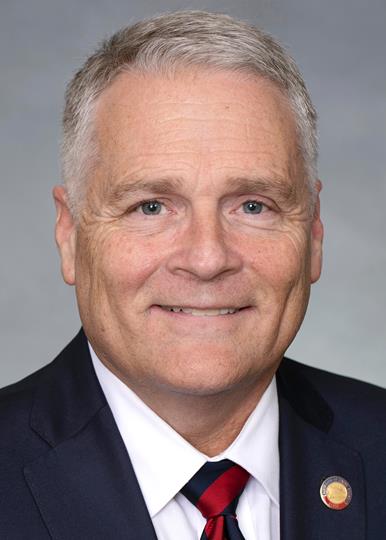
HB 297, titled "Breast Cancer Prevention Imaging Parity," aims to ensure equal health insurance coverage for different types of breast cancer imaging. The bill mandates that health benefit plans apply the same cost-sharing requirements (like deductibles and copayments) for diagnostic and supplemental breast examinations, such as MRIs and ultrasounds, as they do for routine screening mammograms. This ensures individuals needing these additional medically necessary tests do not face higher out-of-pocket costs compared to standard screenings. It also maintains existing coverage for cervical cancer screenings and includes provisions for high-deductible health plans.
HB 681 directs the Commission for Mental Health, Developmental Disabilities, and Substance Use Services to update state rules for outpatient opioid treatment programs (OTPs). The bill aims to align these rules more closely with federal regulations governing medications for opioid use disorder, affecting patients receiving treatment and the OTPs providing care. Key changes include removing home environment stability as a criterion for take-home medication and prohibiting administrative discharge due to continued substance use or missed doses. It also reduces the frequency of required drug tests, removes observed testing, and allows OTPs to administer methadone to non-enrolled patients. The Commission must engage with clients and providers for input and publish the proposed amended rules by July 1, 2025.
HB 139, titled "Baby Boxes/Newborn Safety Device," allows for the safe surrender of infants up to 30 days old using a specialized newborn safety device. This bill permits parents to place an infant in these devices, which must have a dual alarm system connected to the facility and be tested monthly. These devices can only be installed at continuously staffed emergency departments, emergency facilities, or social services offices, where qualified healthcare providers, first responders, or social services workers will take temporary custody of the infant. The act is set to become effective on October 1, 2025.
HB 156 sets minimum standards for stop loss, catastrophic, and reinsurance coverage provided to small employers in North Carolina. It directly affects small employers (defined as those with fewer than 12 eligible employees) and insurers selling these specific insurance products. The bill requires insurers to maintain a minimum annual attachment point of $20,000 per individual (adjusted annually using the Consumer Price Index) and a minimum aggregate attachment point of either 120% of expected claims or $20,000 per year. These standards apply to all new, renewed, or amended insurance contracts issued on or after October 1, 2025.
HB 163 regulates Pharmacy Benefits Managers (PBMs) to ensure fair practices for pharmacies and insured individuals. The bill prohibits PBMs from charging insurers more for a prescription drug than they pay the pharmacy (spread pricing) and requires patient out-of-pocket costs to be based on the net price after any PBM concessions. It establishes minimum reimbursement standards for pharmacies, preventing PBMs from paying less than the national average drug acquisition cost plus a dispensing fee. Additionally, it clarifies that PBMs cannot restrict accredited pharmacies from dispensing specialty drugs and strengthens audit protections for pharmacies.
House Bill 107 designates the second week of November each year as Sudden Unexpected Death in Epilepsy (SUDEP) Awareness Week in North Carolina. Additionally, it encourages local boards of education to develop and offer seizure awareness training for school personnel who are responsible for students with epilepsy or who are otherwise predisposed to seizures. This training aims to provide school staff with information to support these students.
HB 152 aims to regulate how health benefit plans in North Carolina cover Transcranial Magnetic Stimulation (TMS) services. If an insurer chooses to cover TMS, the bill requires them to cover all procedures performed by properly licensed healthcare providers, regardless of their medical specialty, as long as TMS is within their scope of practice. It prohibits insurers from penalizing providers solely based on their specialty when submitting TMS claims. However, the bill maintains that insurers retain discretion over whether to cover TMS, for which conditions, and at what reimbursement rates.
House Bill 592, known as the Toxic-Free Medical Devices Act of 2025, aims to prohibit the use of a chemical called DEHP in certain medical devices within North Carolina. Specifically, it bans the manufacturing, selling, and distributing of intravenous solution containers and intravenous tubing that are intentionally made with DEHP. The prohibition for IV solution containers takes effect on January 1, 2030, and for IV tubing on January 1, 2035. The bill also prevents replacing DEHP with other similar chemicals in these devices and sets limits for unintentionally present DEHP, while exempting certain blood-related products. Violations of these provisions could lead to administrative penalties.
HB 123 makes it a crime for health care providers to willfully destroy, alter, or falsify medical records to conceal medical errors causing patient harm, illegally obtain money, or hide facts related to potential legal claims. It creates specific criminal penalties: a serious felony for hiding errors that caused injury or death, a lesser felony for financial gain, and a misdemeanor for other concealment. The law applies to all health care providers and becomes effective December 1, 2025. It explicitly states this does not affect existing civil remedies available to patients.
HB 397 allows schools in North Carolina to use epinephrine nasal spray as an emergency treatment option alongside traditional auto-injectors for students experiencing anaphylaxis. The bill amends school health policies to include nasal spray devices in the definition of "epinephrine auto-injector delivery systems," requiring all schools to maintain at least two emergency epinephrine supplies (now including nasal spray) in secure but accessible locations. Schools must train staff to recognize anaphylaxis symptoms, store devices properly, and follow emergency action plans developed with school nurses. This applies to public schools, charter schools, and regional schools starting in the 2025-2026 school year. The policy directly affects school staff, students with severe allergies, and school health protocols.