Issue · Criminal Justice

Criminal Justice

Every criminal justice bill, vote, and legislator stance in North Carolina, automatically classified by Maddy, our AI policy reader.

Total bills
43
2025-2026 Session
Top supporter
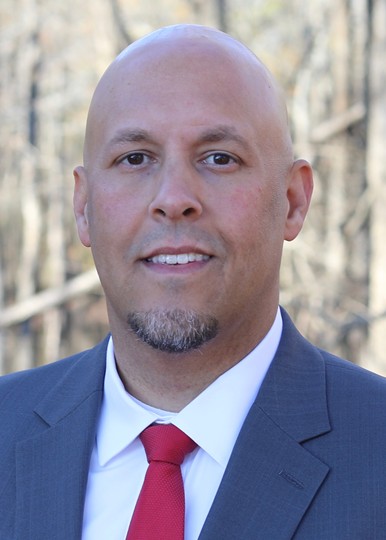
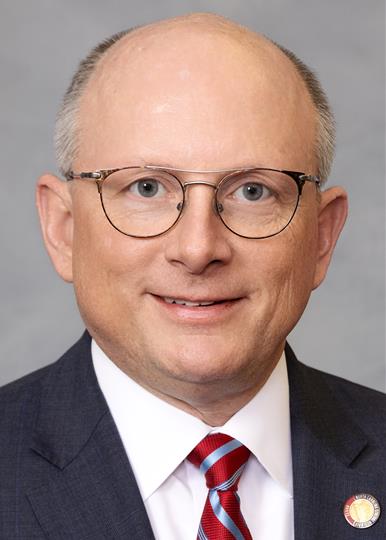
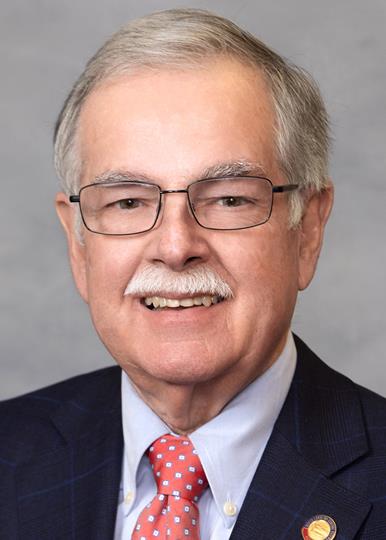
Becky Carney
100% support rate
Top opponent
Jimmy Dixon
0% support rate
Ranked legislators
10
5 support · 5 oppose
Key legislators

Who's moving criminal justice in North Carolina

Legislators moving criminal justice in North Carolina
Legislator Party Stance Support rate Votes
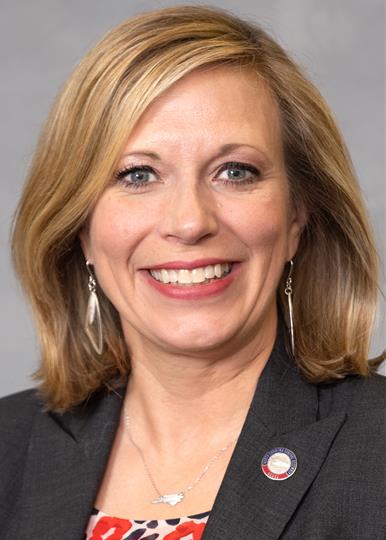
Becky Carney
Becky Carney House · District 102
D
Strong +
100% 42
Sarah Crawford
Sarah Crawford House · District 66
D
Strong +
100% 42
Deb Butler
Deb Butler House · District 18
D
Strong +
100% 37
Maria Cervania
Maria Cervania House · District 41
D
Strong +
100% 42
Allison Dahle
Allison Dahle House · District 11
D
Strong +
100% 41
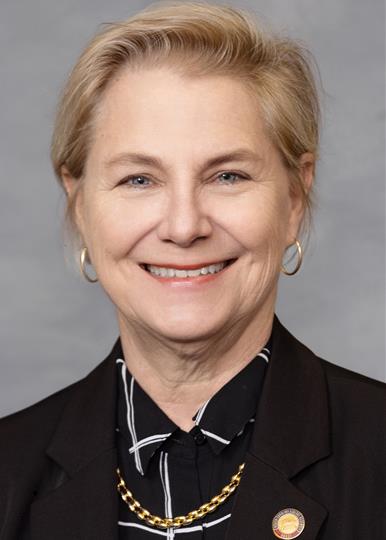
Jimmy Dixon
Jimmy Dixon House · District 4
R
Strong −
0% 39
Celeste Cairns
Celeste Cairns House · District 13
R
Strong −
0% 40
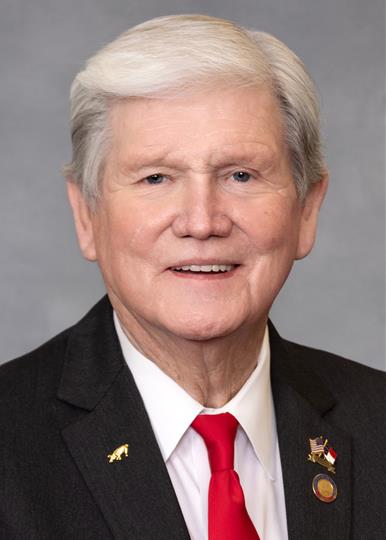
John Lowery
John Lowery House · District 47
R
Strong −
0% 28
Tim Reeder
Tim Reeder House · District 9
R
Strong −
0% 41
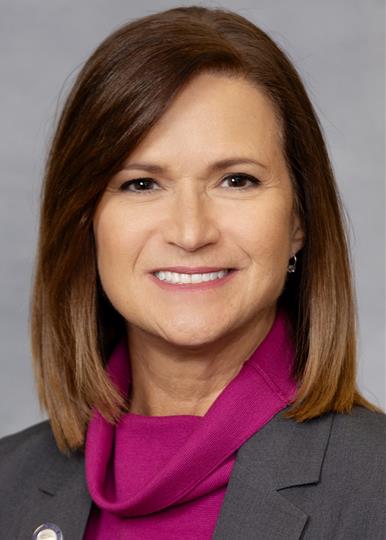
Donny Lambeth
Donny Lambeth House · District 75
R
Strong −
0% 40
Showing 11–20 of 43 bills

All criminal justice bills

in committee · North Carolina · House Feb 24, 2025

HB 167: Firearm in Unattended Vehicle/Safely Store.

HB 167 (North Carolina) prohibits leaving a firearm in an unattended vehicle unless the vehicle is locked and the firearm is secured with a trigger lock or stored in a locked container. This law directly affects vehicle owners who store firearms in their cars, making it illegal to leave them unsecured in an unattended vehicle. Violations carry a Class 2 misdemeanor penalty. The bill becomes effective December 1, 2025, applying to offenses committed on or after that date.
Sub-Topics Firearms
passed · North Carolina · House Mar 19, 2025

HB 28: Gun Violence Prevention Act.

HB 28, the "Gun Violence Prevention Act," creates a new criminal offense for individuals convicted of a felony who possess a firearm or "weapon of mass death and destruction" (as defined in state law) during the commission or attempt of another felony. It imposes stricter penalties: a Class C felony if the weapon is discharged, Class D for brandishing (displaying the weapon), and Class F for other violations. This law applies specifically to convicted felons who already face restrictions on firearm possession, treating this additional offense as separate from the underlying felony. The bill takes effect December 1, 2025, for offenses committed on or after that date.
Sub-Topics Drug Policy Firearms
passed · North Carolina · House May 8, 2025

HB 781: Unauthorized Public Camping and Sleeping.

HB 781 bans unauthorized public camping or sleeping on public property across North Carolina, directly affecting individuals experiencing homelessness and local governments. It prohibits counties and municipalities from allowing such activities, but permits them to designate specific public property for temporary camping for up to one year. These designated sites must meet standards for safety, sanitation (including restrooms and water), and access to behavioral health services, and prohibit illegal substance use. Such designations require certification from the Department of Health and Human Services, which assesses factors like shelter bed availability and proximity to residential areas. Residents or businesses can take legal action against local governments that fail to enforce the ban.
Sub-Topics Homelessness
in committee · North Carolina · Senate Mar 25, 2025

SB 450: Novel Opioid Control Act of 2025.

SB 450, the Novel Opioid Control Act of 2025, updates North Carolina's Controlled Substances Act by adding specific synthetic opioids, fentanyl derivatives, nitazene compounds, and related substances to Schedule I. The bill directly affects individuals or entities producing, distributing, or possessing these newly listed chemicals, including substances like Brorphine, AP-237, and various fentanyl analogs. Its key mechanism bans entire chemical classes - defined by structural characteristics (e.g., substitutions on fentanyl or nitazene molecular frameworks) - rather than listing each compound individually. This prevents legal loopholes for new variants created through minor chemical modifications. The law applies to all such substances unless specifically excepted for medical research or approved pharmaceutical use.
Sub-Topics Drug Policy
signed · North Carolina · Senate Jul 9, 2025

SB 429: 2025 Public Safety Act.

SB 429 creates new criminal offenses for knowingly exposing children under 16 to controlled substances (like drugs or opioids), with penalties ranging from a Class H felony (exposure alone) to a Class B1 felony (if exposure causes death). It also revises rules for sharing autopsy records: medical examiners must provide finalized toxicology and autopsy reports to prosecutors during criminal investigations, but public disclosure is restricted to specific recipients like family members or estate representatives. The law applies to offenses occurring on or after December 1, 2025, and excludes cases where a medical professional administers prescribed medication to a child. This bill directly affects caregivers, medical examiners, and prosecutors handling child exposure cases.
Sub-Topics Drug Policy
signed · North Carolina · House Jun 22, 2026

HB 315: Prohibit Litigation Investments/Amend Workers' Compensation Benefits.

HB 315 creates new criminal offenses for wrongfully entering restricted business areas (like secure storage rooms) and for stealing or fraudulently obtaining gift cards. It directly affects businesses (by protecting secure areas), gift card holders (by criminalizing theft of their cards), and individuals who commit these acts. Key provisions include classifying unauthorized building entry as a misdemeanor or felony based on prior offenses, defining gift card theft as a Class 1 misdemeanor for cards under $1,000 (or felony for higher value), and expanding "organized retail theft" to include conspiracy around gift cards with penalties tied to total value stolen. The law takes effect December 1, 2025, and applies to offenses committed after that date.
passed · North Carolina · Senate May 12, 2026

SB 164: Theft of Temporary Housing During Emergency.

SB 164 creates a new Class F felony offense for entering someone's property without legal justification during a declared emergency in an emergency area and taking, damaging, or destroying *temporary shelter* - such as tents, trailers, mobile homes, or vehicles used as living quarters. It directly affects individuals who might loot temporary housing following disasters like floods or storms, where standard security is compromised. The law specifies that victims can sue offenders for triple their actual damages plus legal fees. This amendment to North Carolina law (effective December 2025) targets the specific act of stealing or damaging emergency housing, not general property crimes.
in committee · North Carolina · House Feb 6, 2025

HB 61: Assaults on First Responders.

HB 61 increases penalties for assaulting certain emergency personnel with a firearm in North Carolina. It reclassifies assaults against law enforcement officers, probation/parole officers, National Guard members, detention facility staff, emergency medical technicians, medical responders, firefighters, and law enforcement telecommunicators as a Class B1 felony (instead of Class D) when committed during their duties. The bill specifically targets firearm assaults, making them punishable by more severe prison sentences. This law takes effect December 1, 2025, for offenses occurring on or after that date.
passed · North Carolina · House Apr 16, 2025

HB 246: Liam's Law.

HB 246, also known as "Liam's Law," increases penalties for specific driving offenses. The bill elevates reckless driving that causes serious bodily injury to a Class I felony. For street racing, it establishes new felony classifications for causing serious injury (Class F felony) or death (Class B2 felony), and mandates longer driver's license revocations, including permanent revocation for fatalities. Additionally, the bill increases the penalty for hit-and-run offenses that result in death to a Class D felony. These provisions directly affect drivers involved in such incidents.
signed · North Carolina · Senate Jul 9, 2025

SB 311: The Law and Order Act.

SB 311, titled "The Law and Order Act," increases penalties for assaulting utility and communications workers while they are identifiable in uniform and performing duties. It also creates new offenses, including criminal possession of embalming fluid, larceny of gift cards, and unlawful possession of certain explosive devices. The bill enhances punishments for reckless driving causing death, hit-and-run offenses, and firearm use by felons during crimes, while adding a mitigating factor for impaired drivers using ignition interlocks. Additional provisions revise burglary penalties, expand workplace violence prevention to cover mass picketing, and establish civil liability for gift card theft. The bill directly affects workers in essential services and individuals committing specified violent or property crimes.
Sub-Topics Drug Policy Firearms
Showing 11 to 20 of 43 bills
Previous 1 2 3 5 Next