Issue · Criminal Justice

Criminal Justice

Every criminal justice bill, vote, and legislator stance in North Carolina, automatically classified by Maddy, our AI policy reader.

Total bills
176
119th Congress
Top supporter
Ted Budd
77% support rate
Top opponent
Brad Knott
37% support rate
Ranked legislators
10
5 support · 5 oppose
Key legislators

Who's moving criminal justice in North Carolina

Legislators moving criminal justice in North Carolina
Legislator Party Stance Support rate Votes
Ted Budd
Ted Budd Senate
R
Support
77% 171
Thom Tillis
Thom Tillis Senate
R
Support
63% 154
Valerie P. Foushee
Valerie P. Foushee House · District 4
D
Support
60% 153
Alma S. Adams
Alma S. Adams House · District 12
D
Mixed
57% 154
Deborah K. Ross
Deborah K. Ross House · District 2
D
Mixed
50% 153
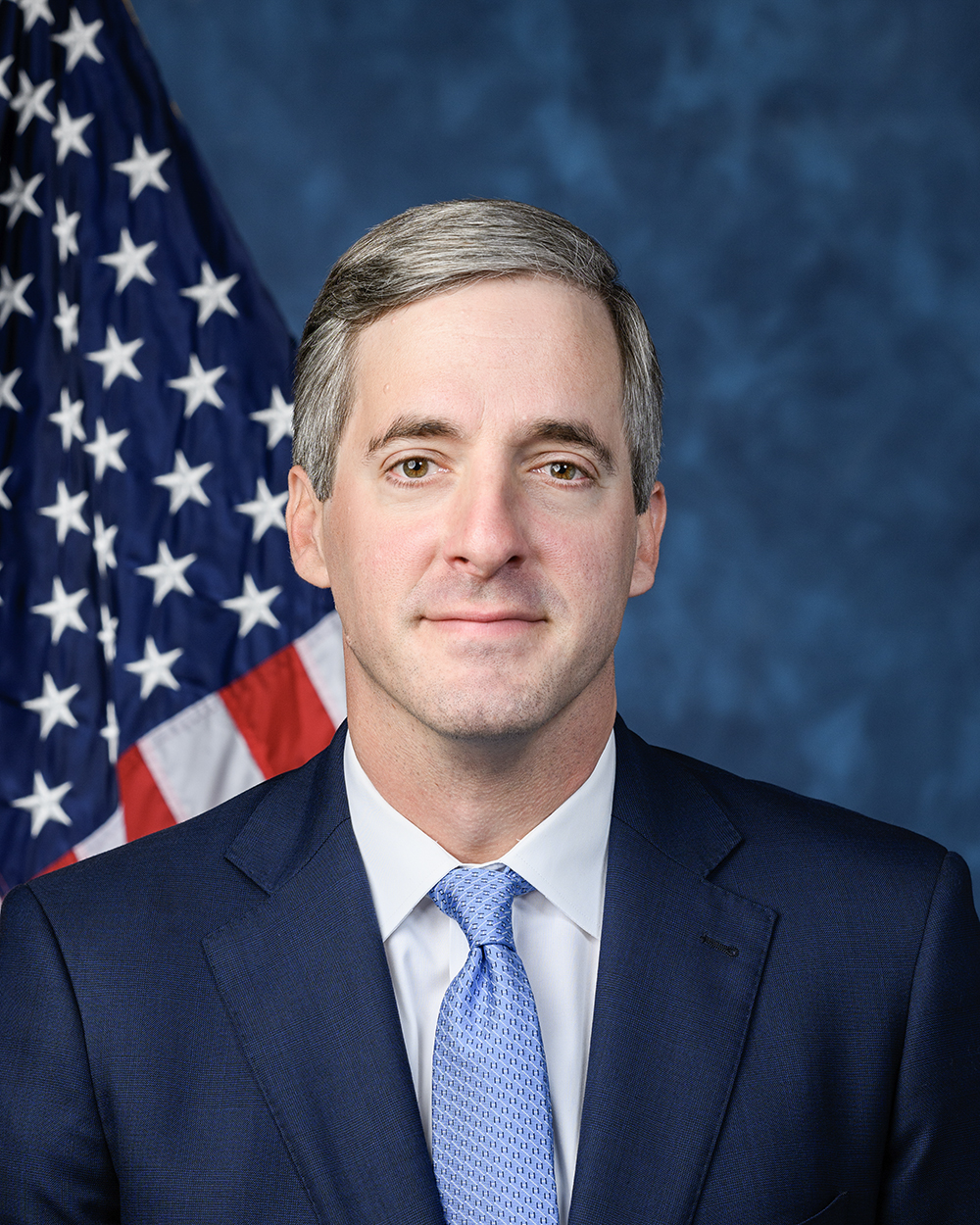
Brad Knott
Brad Knott House · District 13
R
Oppose
37% 154
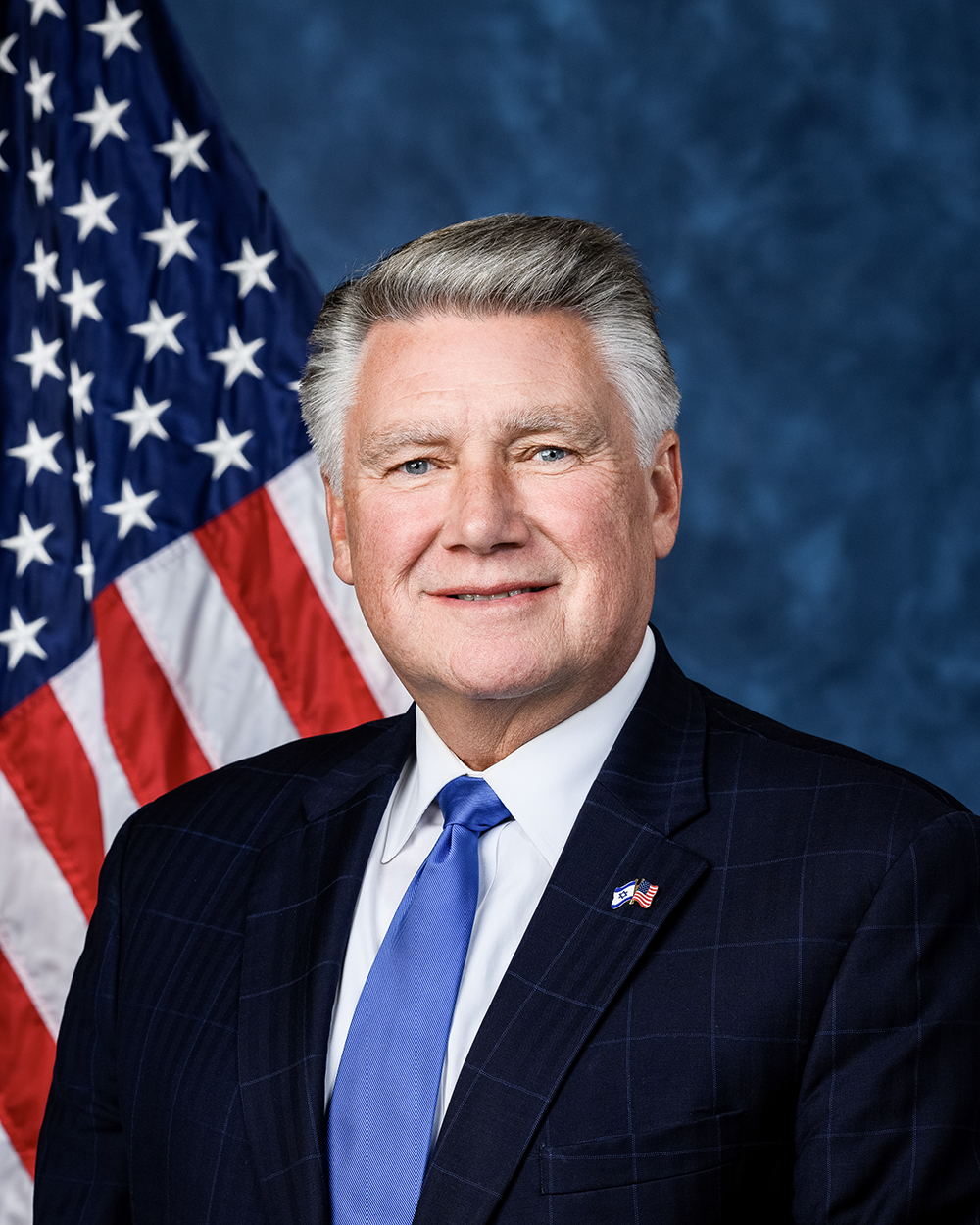
Mark Harris
Mark Harris House · District 8
R
Oppose
37% 154
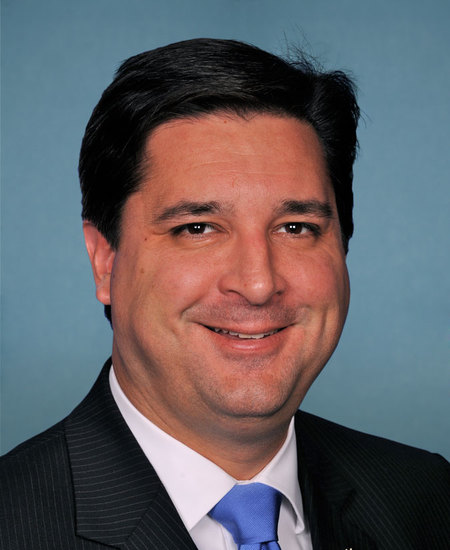
David Rouzer
David Rouzer House · District 7
R
Oppose
37% 152
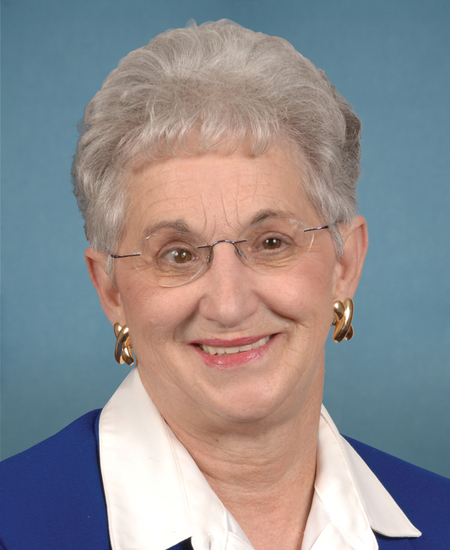
Virginia Foxx
Virginia Foxx House · District 5
R
Oppose
37% 154
Tim Moore
Tim Moore House · District 14
R
Oppose
37% 153
Showing 1–10 of 176 bills

All criminal justice bills

in committee · United States · Senate Aug 3, 2026

S 5214: Protect and Serve Act of 2026

The Protect and Serve Act of 2026 creates a new federal crime for willfully attempting to kill a law enforcement officer solely because of their status, provided the act involves interstate travel, commerce, weapons, or affects economic activity. This law applies to both state and federal officers and mandates that any federal prosecution must be certified by the Attorney General, who must determine if state charges were insufficient or if federal intervention serves the public interest. The bill defines a law enforcement officer as anyone authorized to prevent, detect, or investigate crimes, or to detain individuals, and sets specific prison terms ranging from years to life depending on whether the attempt results in serious bodily injury.
in committee · United States · House Jul 21, 2026

HR 9817: Justice for Incarcerated Moms Act

The Justice for Incarcerated Moms Act aims to improve maternal health outcomes for pregnant and postpartum individuals in the criminal justice system by restricting financial incentives for states that use restraints on pregnant inmates. Under the bill, states receiving federal justice grants would face a 25 percent funding penalty if they fail to implement laws limiting the use of shackles on pregnant individuals, with those withheld funds redirected to compliant states. The legislation also directs the Bureau of Prisons and the Department of Justice to create and fund programs in at least six federal facilities and across various state and local prisons that provide specialized prenatal care, mental health support, and reentry assistance. These programs are designed to address specific health disparities, particularly for racial and ethnic minority groups, by offering culturally competent care, nutrition counseling, and opportunities to maintain contact with newborn children. Additionally, the act requires an independent oversight organization to monitor program implementation and mandates a Government Accountability Office report to analyze maternal and infant health data within the correctional system.
in committee · United States · House Jul 23, 2026

HR 9903: Stop Prison Price Gouging Act of 2026

The Stop Prison Price Gouging Act of 2026 requires the Bureau of Prisons to sell commissary items at prices no higher than the fair market value found in the local community. To achieve this, the law mandates that the agency use competitive bidding for contracts and prohibits any agreements that include revenue sharing with suppliers. Additionally, the Bureau must review prices monthly, submit annual reports to Congress detailing item costs and contracts, and undergo yearly audits to ensure compliance. These measures aim to prevent overcharging by comparing prison prices to those of regular retail stores while excluding other correctional facilities from the comparison.
Sub-Topics Corrections
in committee · United States · House Jul 23, 2026

HR 9898: Transportation for Reentry Act

The Transportation for Reentry Act requires transit agencies receiving federal funding to offer free public transportation to individuals released from prison after serving at least one year. Under this bill, these agencies must provide the service for one year starting from the person's release date and cover costs related to program setup, staff training, and outreach. To receive federal grants, transit recipients must establish enrollment systems, track usage data, and ensure compliance with the program's duration requirements. The legislation authorizes $40 million annually from 2027 to 2031 to support these efforts and mandates a final report on the program's impact five years after enactment.
in committee · United States · House Jun 30, 2026

HR 9567: Preserving Our Constitution Act of 2026

The Preserving Our Constitution Act of 2026 prohibits federal courts and government agencies from recognizing or enforcing foreign laws, religious codes, or customs that conflict with the U.S. Constitution. Specifically, it bars the application of rules that discriminate based on race, religion, or gender; restrict freedom of speech or religion; permit forced or underage marriages; or allow cruel punishments and human sacrifice. The bill also prevents U.S. courts from enforcing contracts that choose to apply such incompatible foreign laws or from honoring judgments made by foreign tribunals using those laws. While the legislation establishes these strict prohibitions, it does not create a new private right for individuals to sue for damages if the rules are violated.
in committee · United States · House Jul 30, 2026

HR 9983: Lori Jackson-Nicolette Elias Domestic Violence Survivor Protection Act

The Lori Jackson-Nicolette Elias Domestic Violence Survivor Protection Act aims to reduce intimate partner homicides by strengthening federal laws that prevent abusers from accessing firearms while restraining orders are active. It expands the definition of "intimate partner" to include dating partners and clarifies that emergency or temporary restraining orders must also trigger gun restrictions. The bill requires courts to automatically issue firearm surrender orders when a protection order is granted, mandating that abusers turn in their guns within 24 hours and prohibiting them from buying new ones for the duration of the order. Additionally, the legislation creates a new grant program to help states and local governments implement these surrender procedures and partner with domestic violence service providers.
in committee · United States · House Jul 6, 2026

HR 9591: Extreme Temperatures Injustice in Prisons Act of 2026

The Extreme Temperatures Injustice in Prisons Act of 2026 requires the Bureau of Prisons to upgrade heating, ventilation, and air conditioning systems in all correctional facilities and install temperature monitoring devices in every occupied space. The bill mandates the creation of written standards to prevent heat and cold stress, provides free cooling and heating supplies to inmates during dangerous weather, and establishes specific protective rules for medically vulnerable populations. Additionally, the legislation requires regular reports to Congress on system costs and temperature-related illnesses, while authorizing funding through fiscal year 2031 to support these safety improvements.
Sub-Topics Corrections
in committee · United States · House Jul 14, 2026

HR 9669: FACT Pilot Program Act

This bill creates a five-year pilot program to provide grants to states and local governments for expanding Forensic Assertive Community Treatment teams. These specialized teams offer intensive, round-the-clock support including mental health care, addiction treatment, and housing assistance to individuals with serious mental illness who are involved with the criminal justice system. The program requires teams to include a mix of psychiatrists, employment specialists, criminal justice partners, and peer specialists with lived experience. Additionally, the legislation authorizes funding for a study by the National Academies to evaluate the program's effectiveness and develop guidelines for scaling it up.
in committee · United States · House Jul 14, 2026

HR 9688: High Court Gift Ban Act

The High Court Gift Ban Act prohibits federal judicial officers from accepting gifts from sources likely to appear before them, unless the gift is under $50, the total annual value from that source remains $100 or less, or it falls under specific exceptions like gifts from relatives or public events. The law defines a "gift" broadly to include items, services, and reimbursements, while allowing exceptions for personal hospitality within IRS limits and certain professional benefits available to the general public. Enforcement mechanisms include referrals to the Attorney General for violations, which can result in civil or criminal penalties similar to those for other federal ethics breaches. The bill requires the Supreme Court and the Judicial Conference to create implementing regulations within 180 days of enactment to ensure compliance.
Sub-Topics Courts
in committee · United States · House May 15, 2026

HR 8860: Corporate Prosecution Reform Act

The Corporate Prosecution Reform Act establishes a new Office of Corporate Enforcement within the Department of Justice to oversee agreements with companies accused of federal crimes. It restricts the use of deferred and non-prosecution agreements by banning them for offenses involving loss of life, serious injury, or specific crimes like terrorism and human trafficking, while requiring courts to ensure these deals adequately compensate victims and prevent future misconduct. To increase transparency, the bill mandates that the Attorney General publish the full text of all such agreements on a public website and submit annual reports to Congress detailing their terms and compliance. Additionally, the legislation creates standardized guidance for prosecutors to ensure consistent penalties for similar corporate offenses and updates federal crime categories to include cyber and financial crimes.
Sub-Topics Human Trafficking
Showing 1 to 10 of 176 bills
1 2 3 18 Next