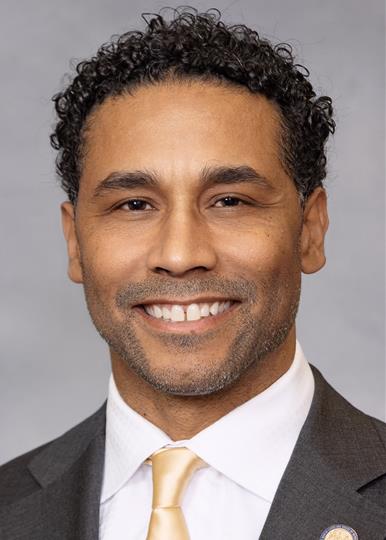
Key legislators
Who's moving criminal justice in North Carolina
Showing 4 of 4
bills
All criminal justice bills
HB 308 reclassifies strangulation as a Class H felony (up from Class G) and clarifies "serious bodily injury" to include permanent disfigurement or prolonged hospitalization. It clarifies that certain domestic violence misdemeanors cannot be treated as lesser offenses under related statutes and creates a new "habitual misdemeanor assault" offense for repeat offenders involving domestic violence. The bill prohibits expunging criminal records for individuals with pending charges and requires judges to review criminal history when setting pretrial release conditions in domestic violence cases. Judges must also impose specific conditions like staying away from victims' homes or abstaining from alcohol for those charged under domestic violence laws.
HB 437 establishes "Drug-Free Homeless Service Zones" within 300 feet of facilities that provide homeless services (like shelters or transitional housing) using public funds. It increases penalties for drug offenses committed in these zones: individuals 21+ face Class E felony charges, while facility operators allowing such offenses face Class 1 misdemeanor charges. Facilities must display visible signs identifying the zone, and the law applies to offenses committed on or after December 1, 2025. The bill directly affects homeless service providers, their operators, and individuals committing drug offenses in designated zones.
HB 206 modifies North Carolina's process for handling firearms surrendered under domestic violence protective orders. It requires defendants to immediately surrender firearms, ammunition, and permits to the sheriff when such orders are issued, with a 24-hour deadline if immediate surrender isn't possible. The bill clarifies that sheriffs must store these items, may charge reasonable storage fees, and must conduct criminal background checks before returning firearms after the order ends. This directly affects domestic violence defendants, victims, and sheriffs managing firearm storage and retrieval.
HB 315 creates new criminal offenses for wrongfully entering restricted business areas (like secure storage rooms) and for stealing or fraudulently obtaining gift cards. It directly affects businesses (by protecting secure areas), gift card holders (by criminalizing theft of their cards), and individuals who commit these acts. Key provisions include classifying unauthorized building entry as a misdemeanor or felony based on prior offenses, defining gift card theft as a Class 1 misdemeanor for cards under $1,000 (or felony for higher value), and expanding "organized retail theft" to include conspiracy around gift cards with penalties tied to total value stolen. The law takes effect December 1, 2025, and applies to offenses committed after that date.