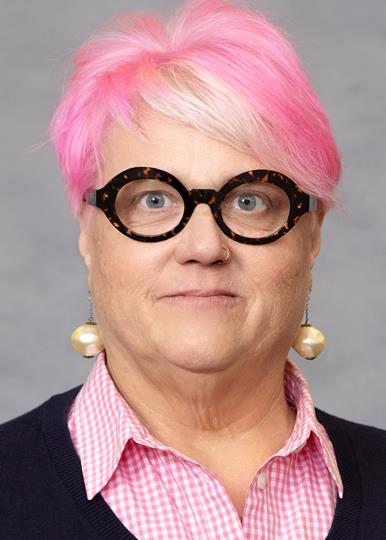
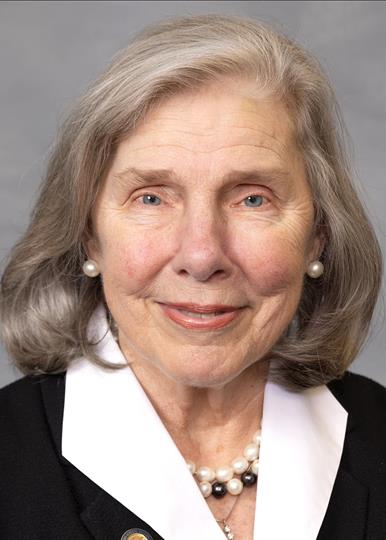
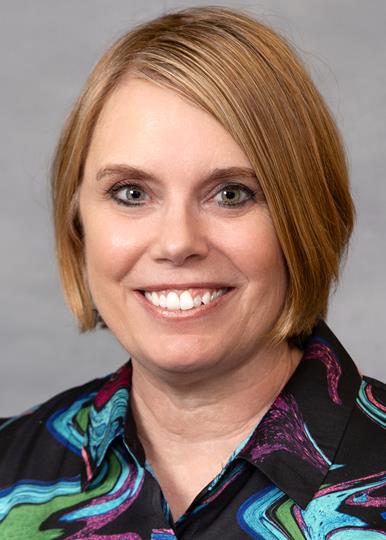
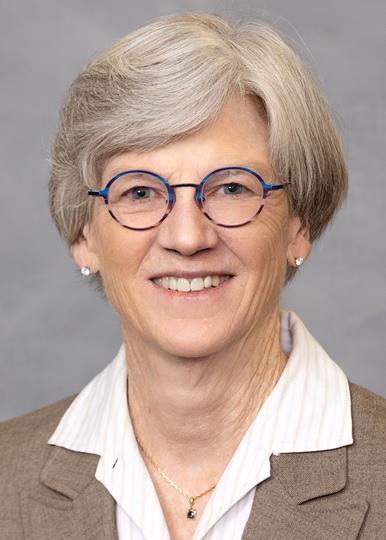
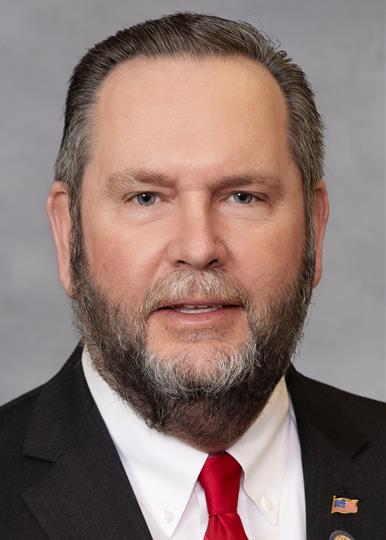
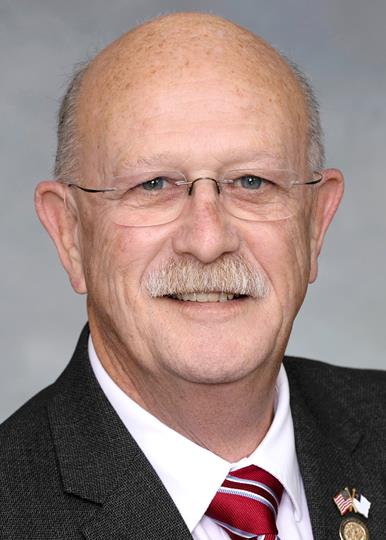
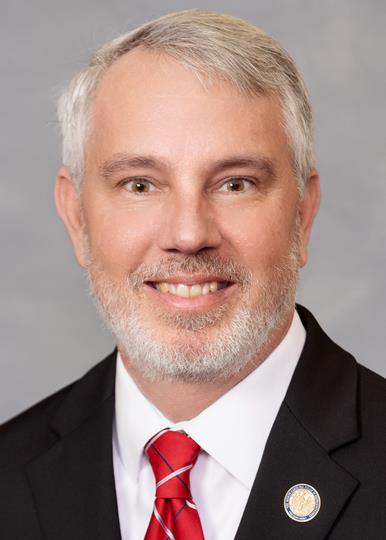
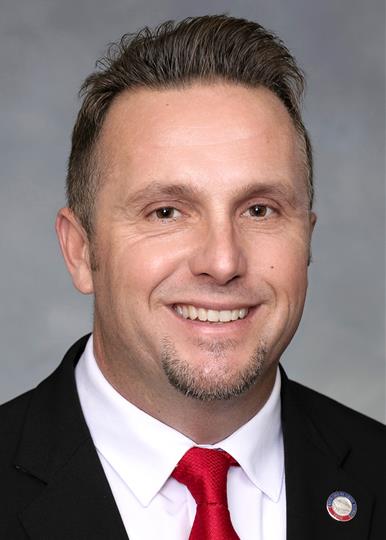
Key legislators
Who's moving criminal justice in North Carolina
Showing 11–14 of 14
bills
All criminal justice bills
HB 246, also known as "Liam's Law," increases penalties for specific driving offenses. The bill elevates reckless driving that causes serious bodily injury to a Class I felony. For street racing, it establishes new felony classifications for causing serious injury (Class F felony) or death (Class B2 felony), and mandates longer driver's license revocations, including permanent revocation for fatalities. Additionally, the bill increases the penalty for hit-and-run offenses that result in death to a Class D felony. These provisions directly affect drivers involved in such incidents.
HB 95 increases penalties for threats against certain elected and public officials in North Carolina, making such threats a Class I felony. It directly affects individuals who make threats against legislative, executive, court, local elected, or election officials, requiring a $50,000 secured appearance bond for anyone charged with these offenses. The bill amends existing statutes to clarify that threats need not be received or believed by the targeted official, and it specifically covers threats made in retaliation for an official's duties. The law applies to offenses committed on or after December 1, 2025.
HB 28, the "Gun Violence Prevention Act," creates a new criminal offense for individuals convicted of a felony who possess a firearm or "weapon of mass death and destruction" (as defined in state law) during the commission or attempt of another felony. It imposes stricter penalties: a Class C felony if the weapon is discharged, Class D for brandishing (displaying the weapon), and Class F for other violations. This law applies specifically to convicted felons who already face restrictions on firearm possession, treating this additional offense as separate from the underlying felony. The bill takes effect December 1, 2025, for offenses committed on or after that date.
HB 182 creates two key policy changes: First, it allows judges to issue lifetime no-contact orders against defendants convicted of certain violent offenses (including sex offenses requiring registration), requiring a show-cause hearing to determine if the victim fears future contact. Second, it clarifies that caregivers of children under 16 who commit or allow sexual acts with the child face Class D felony charges, specifically expanding penalties for permitting such abuse. The law directly affects victims of violent crimes (through the no-contact protections) and caregivers of children under 16 (through updated felony charges for sexual abuse). These provisions apply to offenses committed on or after December 1, 2025.