Issue · Transportation

Transportation

Every transportation bill, vote, and legislator stance in New York, automatically classified by Maddy, our AI policy reader.

Total bills
2
2025 Regular Session
Top supporter
Angelo Santabarbara
100% support rate
Top opponent
Mary Beth Walsh
9% support rate
Ranked legislators
10
5 support · 5 oppose
Key legislators

Who's moving transportation in New York

Legislators moving transportation in New York
Legislator Party Stance Support rate Decisive votes
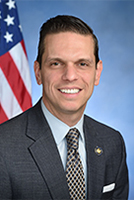
Angelo Santabarbara
Angelo Santabarbara House · District 111
D
Strong +
100% 23
Carrie Woerner
Carrie Woerner House · District 113
D
Strong +
100% 23
Demond Meeks
Demond Meeks House · District 137
D
Strong +
100% 16
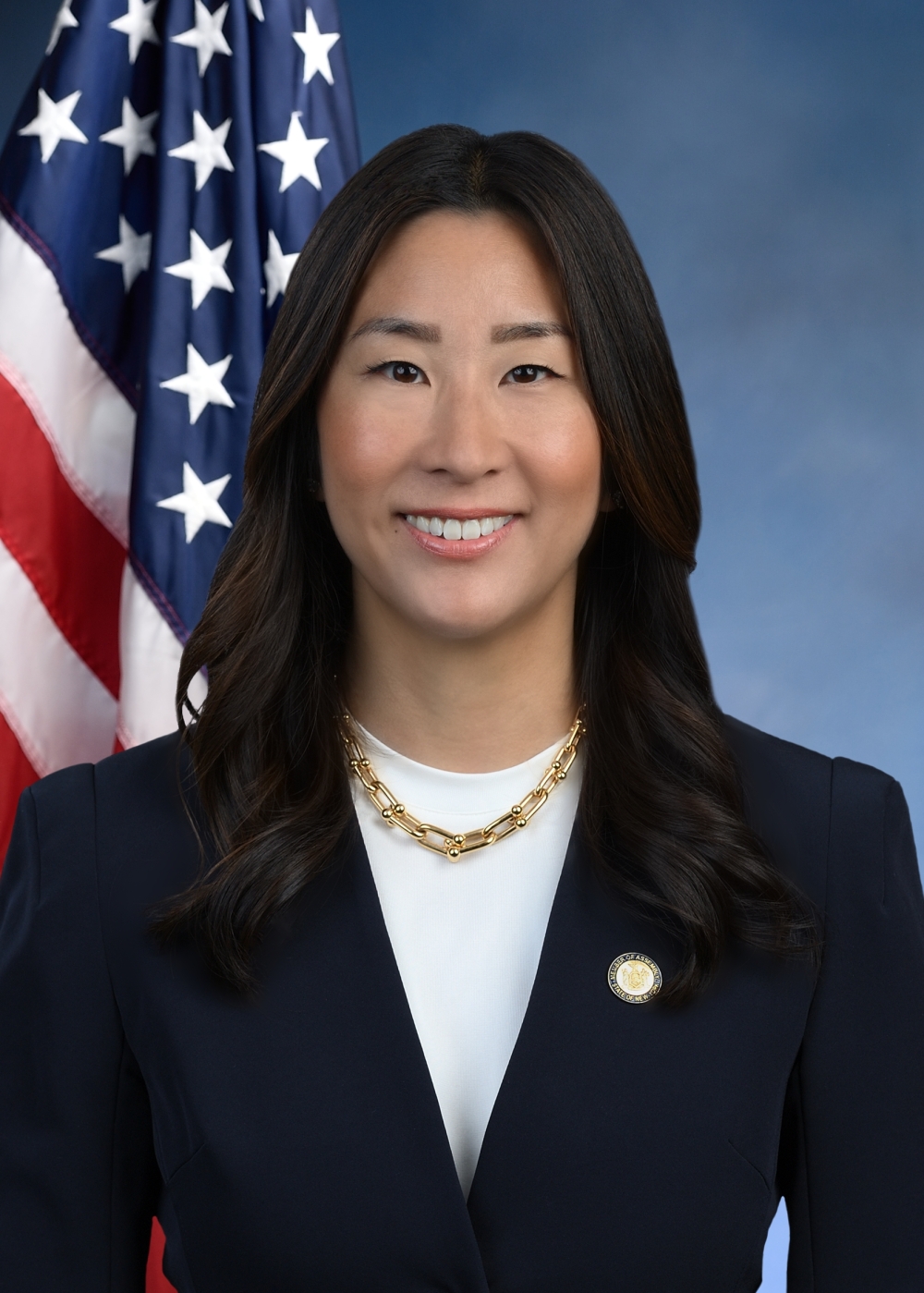
Grace Lee
Grace Lee House · District 65
D
Strong +
100% 14
Vivian Cook
Vivian Cook House · District 32
D
Strong +
100% 14
Mary Beth Walsh
Mary Beth Walsh House · District 112
R
Strong −
9% 23
Mike Reilly
Mike Reilly House · District 62
R
Strong −
9% 23
Sam Pirozzolo
Sam Pirozzolo House · District 63
R
Strong −
9% 23
Misha Novakhov
Misha Novakhov House · District 45
R
Strong −
10% 21
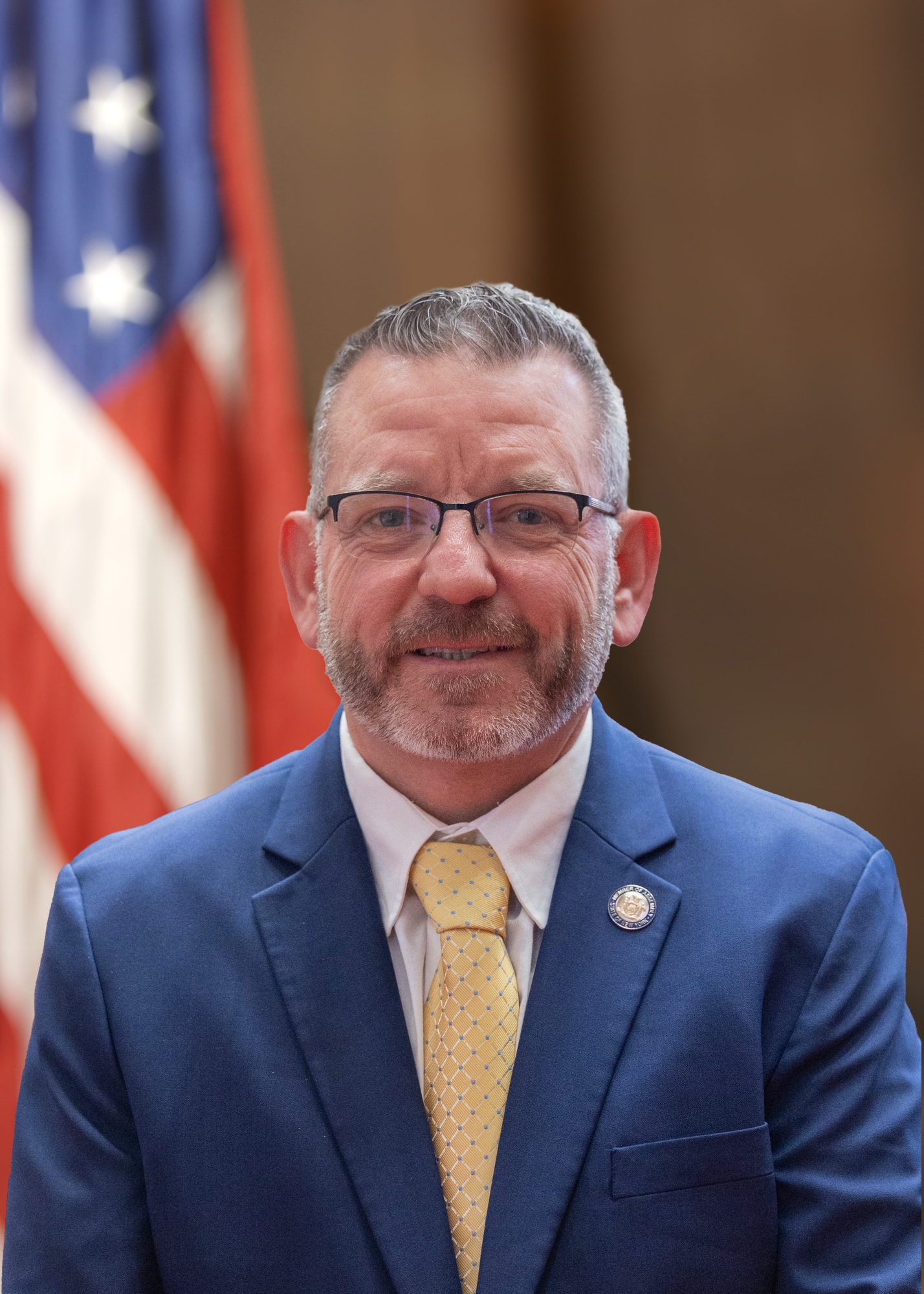
Mike Tannousis
Mike Tannousis House · District 64
R
Strong −
10% 20
Showing 2 of 2 bills

All transportation bills

passed · New York · Assembly Jun 3, 2026

A 9561: Relates to the distribution of road salt

Requires that the department of transportation and every municipality, locality and public authority shall not spread road salt at a rate higher than three hundred pounds per lane mile on average during each snow and ice management season.
signed · New York · Senate Aug 7, 2025

S 7149: Extends the authorization for Chautauqua county to impose an additional one percent rate of sales and compensating use taxes

This bill extends Chautauqua County's authority to impose an additional 1% sales and use tax until November 30, 2027. It directly affects residents and businesses in Chautauqua County who pay sales taxes, as the county will continue collecting this tax during the extended period. The bill specifies that 3/20th of the tax revenue must be allocated to local municipalities based on population, while the remainder funds county Medicaid expenses, road projects, capital improvements, and debt repayment. This is a procedural extension of an existing tax authorization, not a new tax.