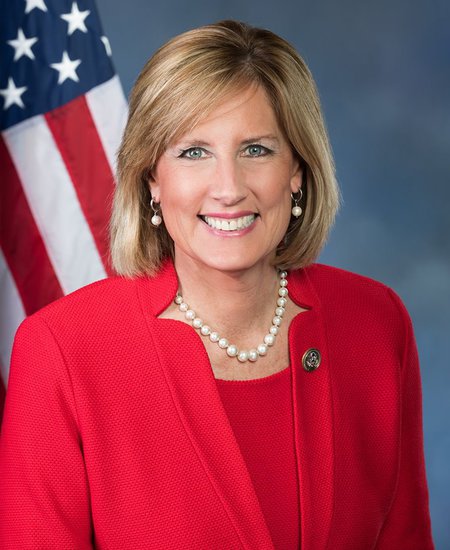
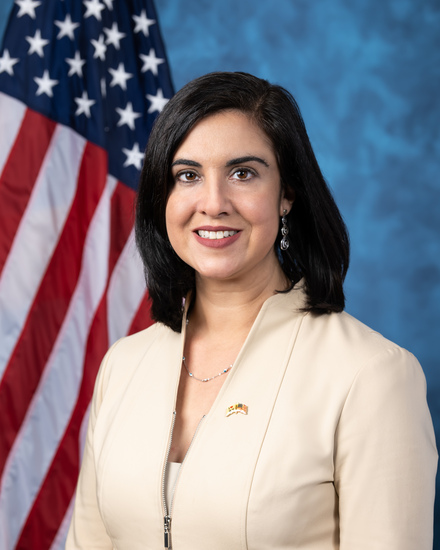
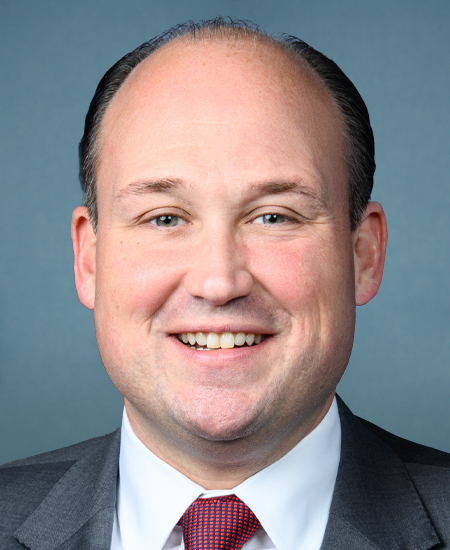
The STORMWATER Act extends the funding period for stormwater control infrastructure technology centers from fiscal years 2022-2026 to 2027-2031. It mandates that exactly five of these centers be established, rather than a range of three to five as previously allowed. Additionally, the bill requires that one of the designated centers be located in and focused on the Great Lakes region.
The American Quantum Competitiveness Act designates the Secretary of Commerce as the primary advisor to the President on policies regarding the commercial development and supply chains for quantum technology. The bill directs the Department of Commerce to promote U.S. leadership in this field by encouraging private sector investment, entering agreements with trusted suppliers and foreign partners, and identifying barriers to investment. It requires the Secretary to establish methods for assessing risks associated with critical components sourced from specific "covered nations" and to coordinate with allies to maintain resilient supply chains. Additionally, the legislation mandates that the Secretary publish a comprehensive strategy report every three years, starting two years after enactment, which includes recommendations for further government or private sector actions to strengthen U.S. economic competitiveness in quantum technology.
The Smart Meter Data Privacy Protection Act prohibits state-regulated electric utilities that are not wholly owned by U.S. persons from selling or commercially monetizing personal consumption data collected via smart meters, restricting such use to specific operational needs like billing and grid reliability. The bill requires these utilities to submit annual reports to the Federal Trade Commission detailing what data was collected, how it was used, and with whom it was shared. If a utility violates these privacy rules, the FTC can order the company to credit affected customers an amount equal to three times the revenue generated from that unauthorized use. State attorneys general are also granted the authority to sue on behalf of residents to enforce compliance or seek damages, while the FTC is tasked with establishing security standards for data retention.
This bill, titled the No TSA Data for ICE Act, prohibits the Transportation Security Administration from sharing passenger data with U.S. Customs and Border Protection or U.S. Immigration and Customs Enforcement. It specifically bars these agencies from using TSA information or data from private brokers to perform immigration enforcement functions. Additionally, the legislation prevents the denial, suspension, or early termination of Trusted Traveler programs like PreCheck and Global Entry if an individual's participation in First Amendment-protected activities is the reason. The law defines the restricted data as personally identifiable information about flight passengers obtained from the TSA or private sector entities.
The STRATA Act of 2026 establishes a new program within the Department of State to foster international partnerships focused on advancing critical minerals technologies, aiming to strengthen U.S. supply chains and national security. This initiative allows the Secretary of State to form alliances with allied and partner nations, universities, and private companies while explicitly prohibiting collaborations with designated countries of concern such as China and Russia. Key provisions include the creation of International Centers of Excellence for research and training, the development of a digital platform to connect stakeholders with funding opportunities, and the establishment of clear guidelines for intellectual property and data security within these partnerships. The program authorizes the use of specific funding sources to support joint projects in extraction, recycling, and manufacturing, with a requirement that all activities conclude within ten years of the bill's enactment.
The Online Sellers' Bill of Rights Act of 2026 aims to protect third-party businesses using major online marketplaces by requiring these platforms to provide greater transparency and due process. Under the bill, the Federal Trade Commission must create rules that limit how long platforms can hold inventory or freeze funds, mandate written notice within 72 hours for any restrictions, and ensure sellers receive at least 30 days' warning before significant policy changes. The law also establishes a presumption of innocence, placing the burden of proof on the platform to demonstrate a violation rather than on the seller, and allows for specific appeals processes. Enforcement is handled through the FTC, which can pursue violations as unfair competition, while state attorneys general and individual sellers retain the right to file civil lawsuits for damages.
The AI Transparency in Elections Act of 2026 requires political advertisements containing content substantially generated by artificial intelligence to include clear and conspicuous disclaimers. These labels must appear on images, audio, and video ads that advocate for or against candidates, solicit contributions, or refer to candidates within 120 days of an election. The bill mandates that visual disclaimers be as large as the main text, while audio disclaimers must be spoken for at least four seconds at the beginning or end of the recording. Violations of these disclosure rules could result in civil money penalties of up to $50,000 per ad, and the Federal Election Commission is tasked with creating specific regulations to enforce the law.
Tags
Artificial Intelligence
The Language Access for All Act of 2026 requires all federal agencies to ensure individuals with limited English proficiency can meaningfully access government programs and services. To achieve this, agencies must translate vital documents into frequently encountered languages, add multilingual features to digital systems, and provide oral interpretation services, while also establishing a dedicated Language Access Coordinator in each agency. The bill mandates the creation of detailed language access plans and technical standards that cover both traditional communication methods and artificial intelligence tools, ensuring that AI is used only to assist rather than replace human interpreters. A new public complaint system will be established to track barriers to access, and agencies will be required to submit their plans and annual compliance reports to the Attorney General and Congress. Noncompliance with these requirements will be treated as discrimination under Title VI of the Civil Rights Act, allowing the Department of Justice to investigate and enforce the law.
The UNLOCK AUKUS Act modifies existing export control rules to allow the transfer of specific defense articles and services under the AUKUS partnership. By amending the Arms Export Control Act, the bill removes certain restrictions that previously limited what can be shared between partner nations. This change directly affects the U.S. government's ability to share advanced military technology with allies in the AUKUS alliance. The legislation aims to facilitate collaboration without altering the core legal framework governing defense exports.
This bill requires wagering and prediction market platforms to use facial recognition technology to verify that all users are over 18 years old before allowing them to place bets or orders. To protect user privacy, the law mandates that these platforms collect only the data strictly necessary for age verification and must delete any such data once it is no longer needed. The Federal Trade Commission is given the authority to enforce these age verification rules and can issue penalties for violations. Additionally, the legislation establishes a new Office of the Retail Advocate and an Advisory Council within the Commodity Futures Trading Commission to better protect individual investors and oversee the regulation of event contracts.