Issue · Labor & Employment

Labor & Employment

Every labor & employment bill, vote, and legislator stance in New York, automatically classified by Maddy, our AI policy reader.

Total bills
1,442
2025 Regular Session
Top supporter
MaryJane Shimsky
100% support rate
Top opponent
Chris Friend
0% support rate
Ranked legislators
10
5 support · 5 oppose
Key legislators

Who's moving labor & employment in New York

Legislators moving labor & employment in New York
Legislator Party Stance Support rate Votes
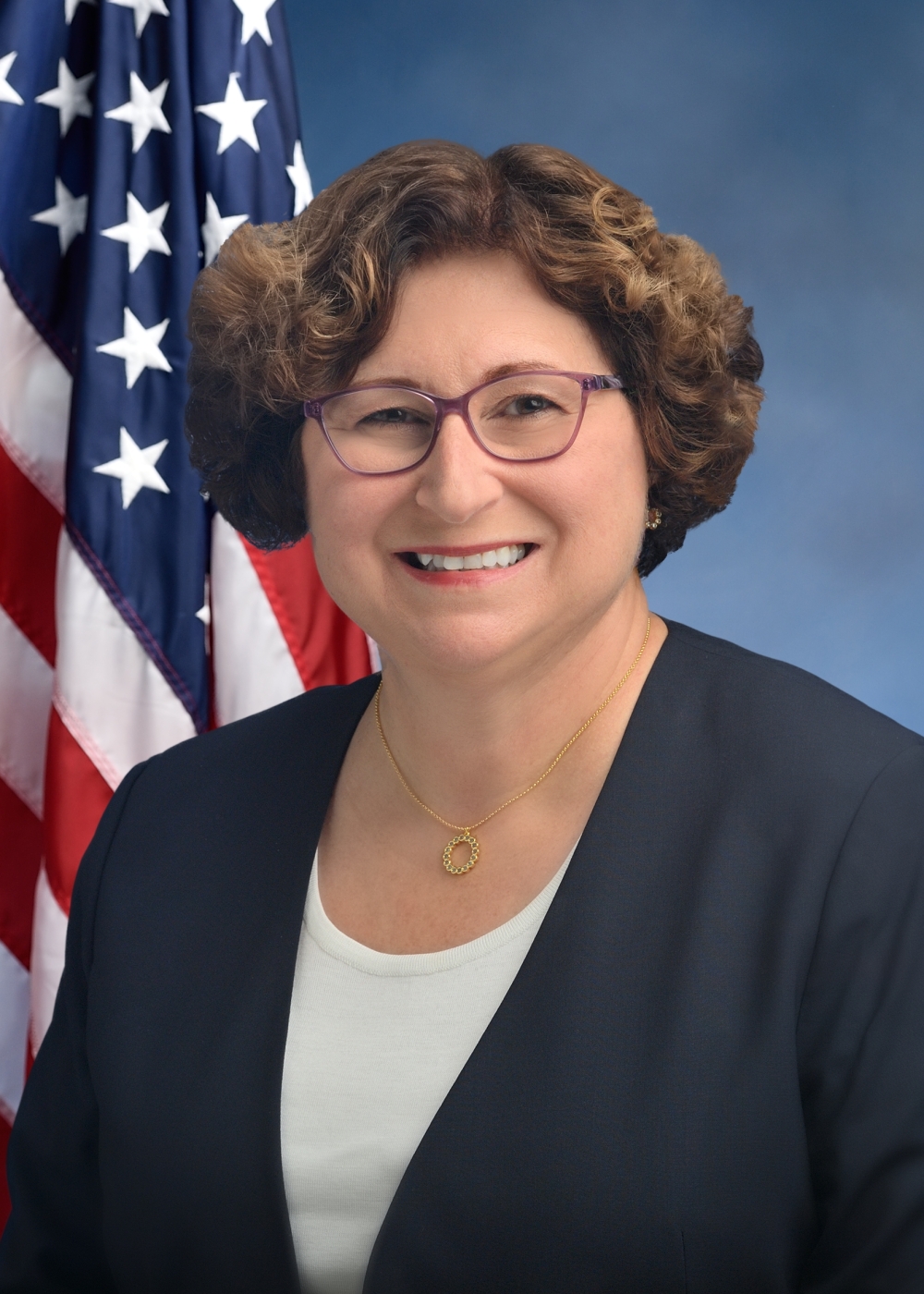
MaryJane Shimsky
MaryJane Shimsky House · District 92
D
Strong +
100% 63
Jonathan Jacobson
Jonathan Jacobson House · District 104
D
Strong +
100% 63
Ron Kim
Ron Kim House · District 40
D
Strong +
100% 63
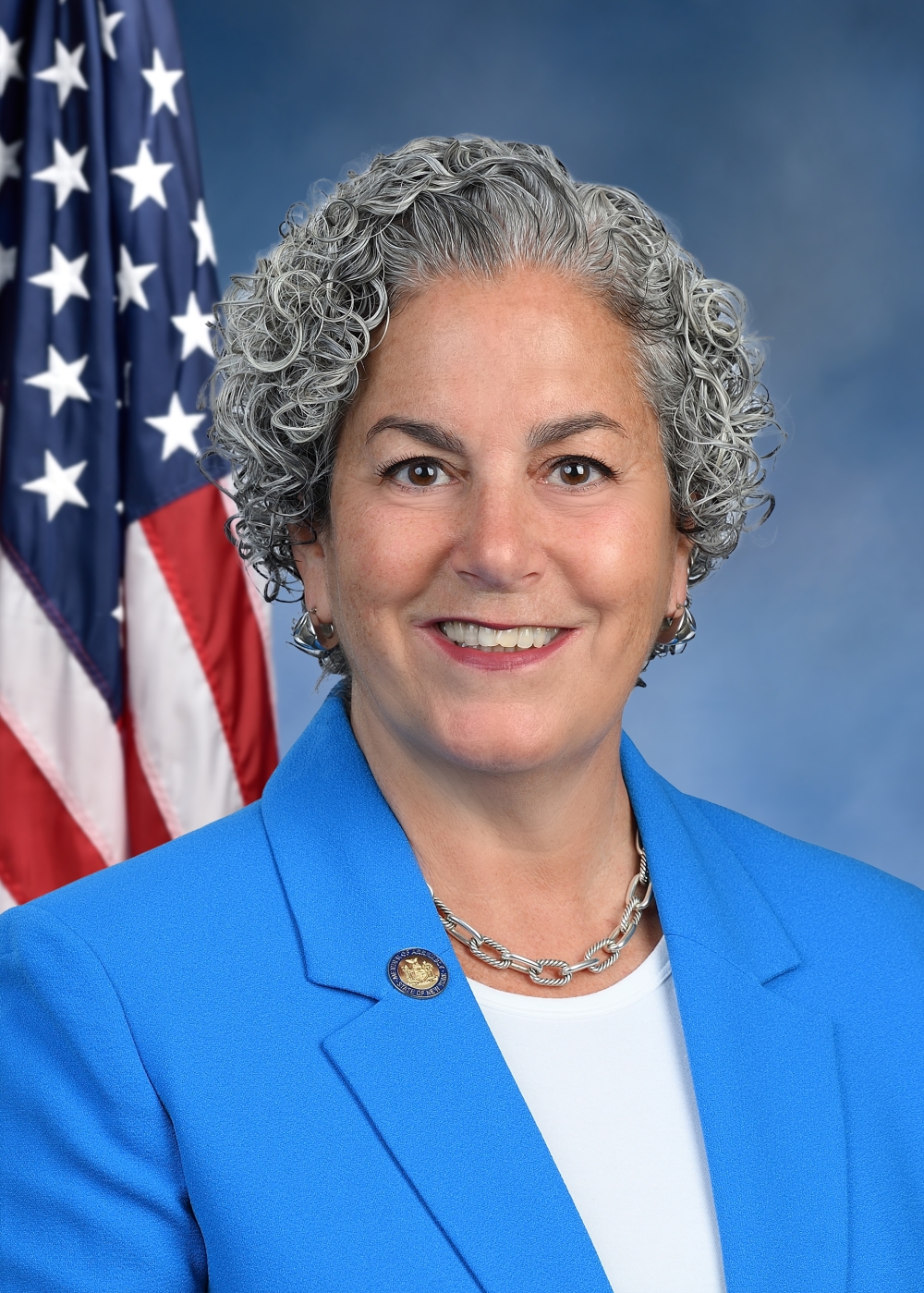
Stacey Pheffer Amato
Stacey Pheffer Amato House · District 23
D
Strong +
100% 63
Chris Burdick
Chris Burdick House · District 93
D
Strong +
100% 63
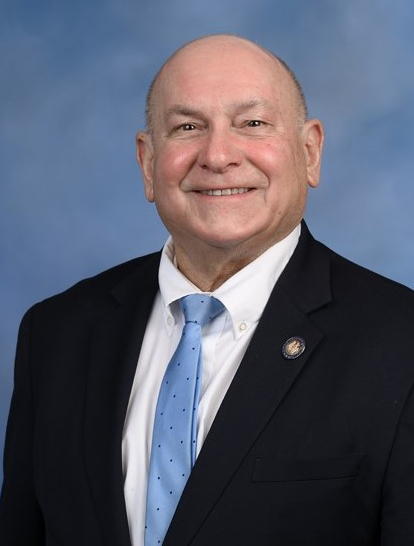
Chris Friend
Chris Friend House · District 124
R
Strong −
0% 60
Chris Tague
Chris Tague House · District 102
R
Strong −
0% 63
Steve Hawley
Steve Hawley House · District 139
R
Strong −
4% 62
Ken Blankenbush
Ken Blankenbush House · District 117
R
Strong −
4% 61
Dave DiPietro
Dave DiPietro House · District 147
R
Strong −
4% 62
Showing 221–230 of 1,442 bills

All labor & employment bills

in committee · New York · Assembly Feb 20, 2026

A 10296: Requires employers to provide a leave of absence for an employee to use for menopause

Requires employers to provide leave of absence of at least five days for every 12 month period for an employee to use for menopause symptoms; requires the commissioner of labor, in consultation with the commissioner of health, to develop workplace guidance relating to menopause.
Sub-Topics Paid Leave
in committee · New York · Senate Mar 10, 2026

S 9130: Restores the 20 year service retirement for certain New York city corrections officers and sanitation workers

This bill restores a 20-year service requirement for retirement benefits for New York City corrections officers and sanitation workers who are part of specific pension plans. It changes their eligibility from needing 22 years of service (as previously required) to 20 years, allowing them to retire with full benefits after 20 years without age restrictions. The policy change applies specifically to "uniformed correction/sanitation revised plan members" under New York's retirement law. This amendment directly affects these city workers' retirement eligibility, making it easier to qualify for full benefits earlier than under prior rules.
in committee · New York · Assembly Feb 12, 2026

A 10164: Authorizes the county of Dutchess to offer an optional twenty-five year retirement plan to certain deputy sheriffs employed by such county

This bill authorizes Dutchess County to offer an optional 25-year retirement plan to specific deputy sheriffs who missed the initial application deadline due to reasons not caused by their own negligence. The county must certify these employees' eligibility (no negligence) and file a resolution with the state comptroller within 180 days of the law taking effect. Eligible deputy sheriffs can then elect to join the plan within one year of the law's effective date to receive full retirement benefits. The county bears all associated costs, which may be paid over a five-year period.
Sub-Topics Retirement Benefits
in committee · New York · Assembly Feb 20, 2026

A 10295: Requires employers to provide a leave of absence for an employee to use for preventative health care measures

Requires employers to provide a leave of absence of at least four hours for every 12 month period for an employee to use for preventative health care measures.
Sub-Topics Paid Leave
in committee · New York · Assembly Feb 12, 2026

A 10202: Authorizes additional paid leave for public employees who are absent on military duty

This bill increases paid leave for public employees serving in the military. It raises the maximum annual paid leave from 30 days (or 22 working days) to 60 days (or 52 working days) for time spent on military duty, including travel to and from duty. The change directly affects state and local government workers who are called to active military service. The policy ensures these employees receive full pay for up to the extended leave period without losing their jobs. The bill amends existing law to align with updated military service needs.
Sub-Topics Paid Leave
in committee · New York · Assembly Feb 2, 2026

A 10118: Relates to food delivery worker safety

Enacts the "food delivery worker safety and fair algorithms act" to prohibit food delivery platforms from utilizing or deploying any algorithmic management system that requires or incentivizes delivery workers to complete deliveries within a fixed or rigid time window that cannot reasonably be met while complying with all applicable traffic laws and safety regulations; penalizes, deactivates, suspends, deprioritizes, or otherwise limits a delivery worker's access to work opportunities for failure to meet delivery time estimates that do not account for traffic patterns, traffic congestion, weather conditions, restaurant delays, or lawful compliance with traffic signals, signage, and rules of the road; directly or indirectly incentivizes speeding, unsafe operation of a vehicle or bicycle, or disregard of traffic control devices, signage, or pedestrian right-of-way; and reduces pay, tips, bonuses, or access to incentives based on a delivery worker's refusal or inability to engage in unsafe or unlawful conduct.
in committee · New York · Assembly Feb 20, 2026

A 10297: Requires employers to provide a leave of absence for an employee to use for colon cancer screenings

This bill requires employers to provide employees with at least four hours of unpaid leave each year specifically for colon cancer screenings. It directly affects employees who need to schedule regular screenings, ensuring they can take time off without penalty. Employers must not retaliate against employees who request this leave, and the law does not limit existing benefits or leave policies. The bill establishes a clear, annual leave requirement focused solely on facilitating preventive healthcare access.
Sub-Topics Paid Leave
in committee · New York · Assembly Feb 12, 2026

A 10195: Enacts the "unique abilities employment act"

This bill creates up to 1,700 non-competitive positions in school districts for people with developmental disabilities (including autism, Down syndrome, and cerebral palsy) who are certified as qualified by health or disability services. School districts must classify these roles separately, and only certified individuals with developmental disabilities can fill them. Employees hired under this act receive the same opportunities to take promotional exams as those in competitive hiring categories. The law takes effect immediately upon enactment.
Tags People with Disabilities
in committee · New York · Assembly Feb 20, 2026

A 10333: Relates to the maximum hours for home care aides

This bill sets a 12-hour maximum for consecutive home care aide shifts, requiring explicit employee consent for any work exceeding this limit. It directly affects home care aides (including personal care attendants and home health aides) and their employers, covering all work arrangements like direct employment or agency staffing. Key provisions include prohibiting mandatory overtime without express consent, banning retaliation for refusing overtime, and allowing limited exceptions only during true emergencies after exhausting all staffing options. Employers violating these rules face civil lawsuits, penalties, and mandatory compensation for affected aides.
in committee · New York · Senate Mar 5, 2026

S 9145: Establishes the "recovery ready workplace act"

S 9145, the "Recovery Ready Workplace Act," creates a certification program for employers to become "recovery ready workplaces" (RRWs), directly affecting businesses with employees and their workers struggling with substance use disorders. Key provisions require employers to implement specific policies, including providing naloxone access, offering anti-stigma training for staff, ensuring equal health coverage for substance use disorder treatment as physical health care, and connecting with recovery organizations within six months of certification. Employers must also develop written plans with employee and union input, address workplace stressors linked to substance misuse, and maintain confidentiality for employees seeking support. The law aims to reduce barriers to care and normalize recovery support in the workplace through structured certification criteria.
Showing 221 to 230 of 1,442 bills
Previous 1 22 23 24 145 Next