Issue · Labor & Employment

Labor & Employment

Every labor & employment bill, vote, and legislator stance in New York, automatically classified by Maddy, our AI policy reader.

Total bills
1,442
2025 Regular Session
Top supporter
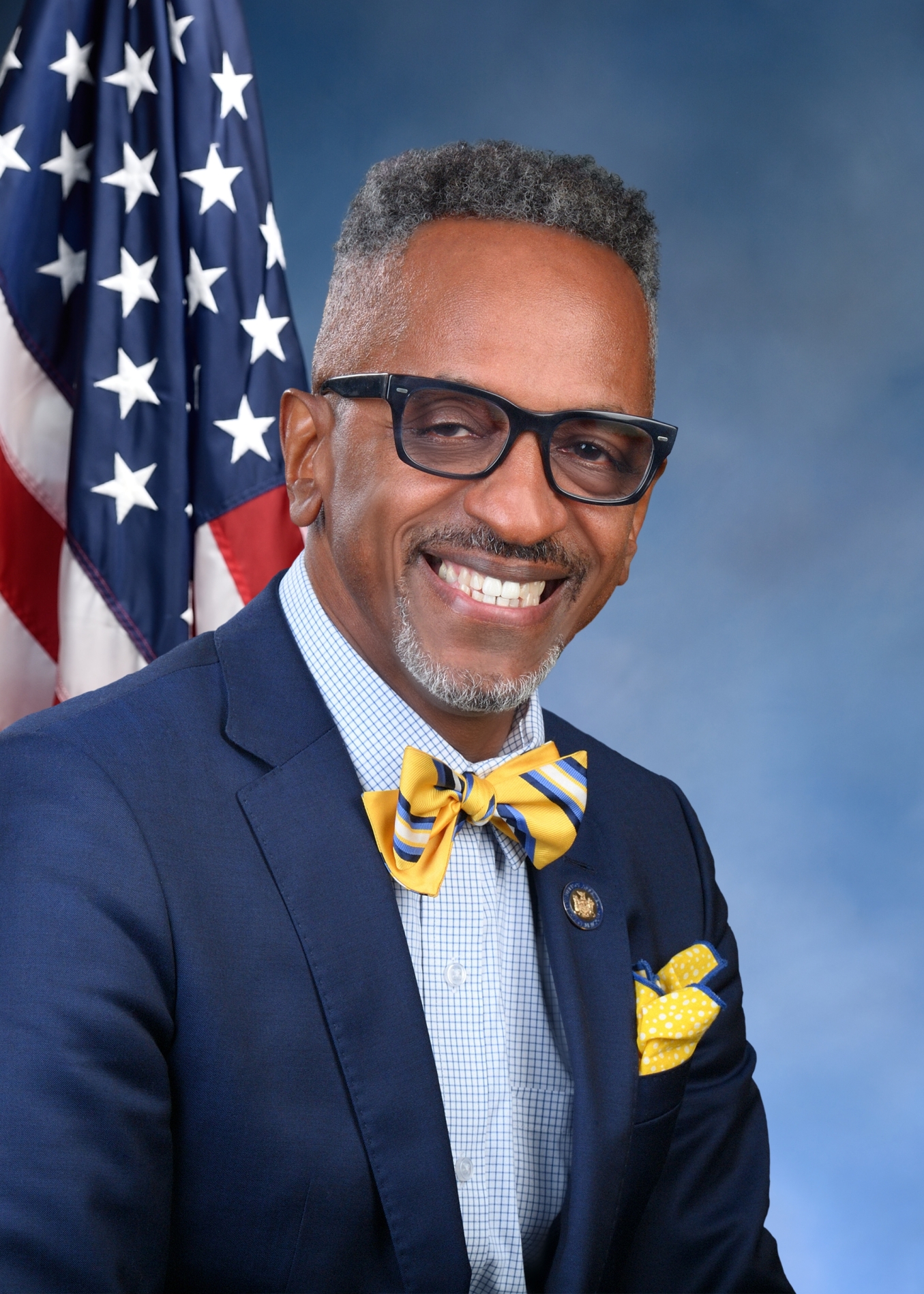
Al Stirpe
100% support rate
Top opponent
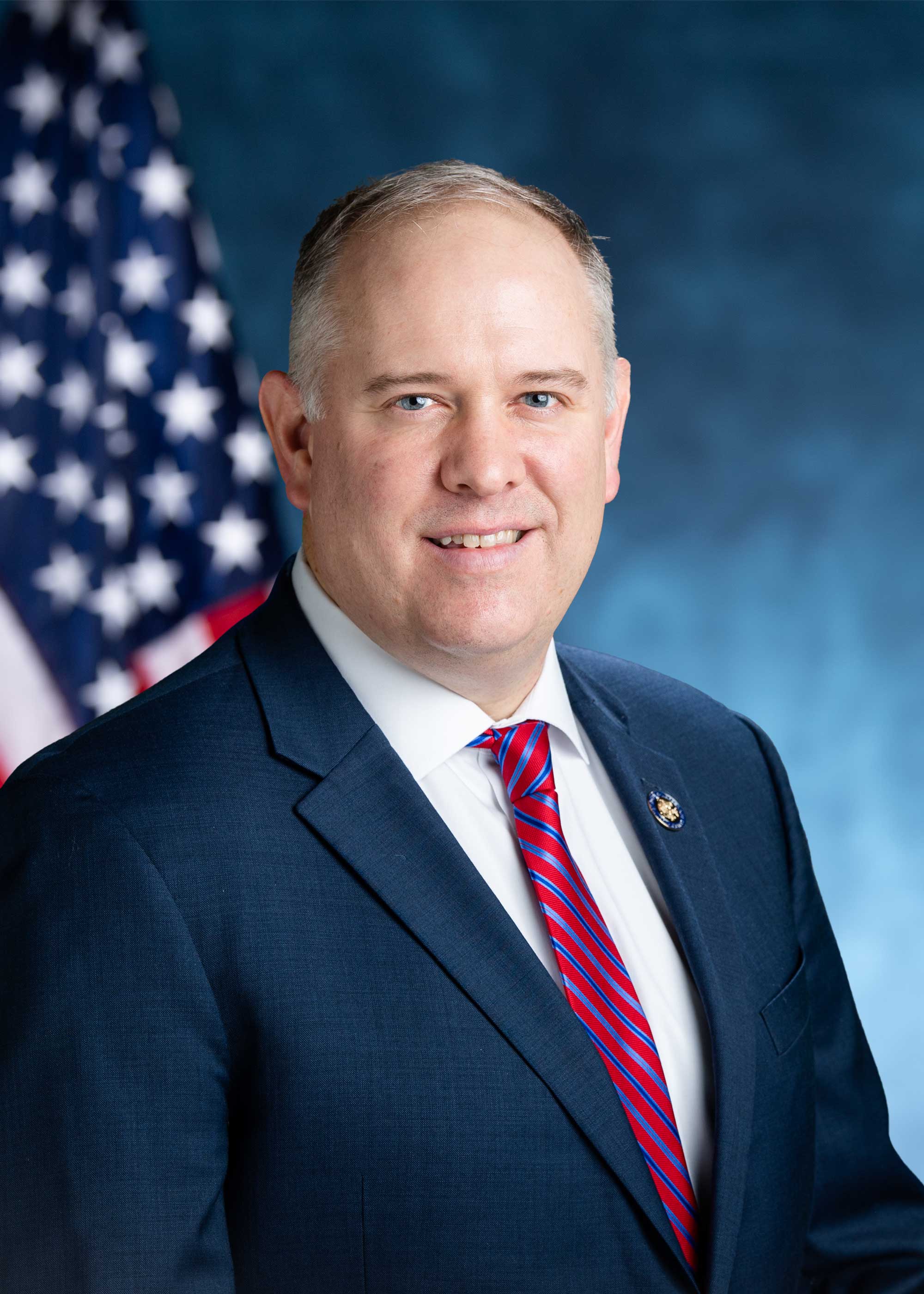
Chris Friend
0% support rate
Ranked legislators
10
5 support · 5 oppose
Key legislators

Who's moving labor & employment in New York

Legislators moving labor & employment in New York
Legislator Party Stance Support rate Decisive votes
Al Stirpe
Al Stirpe House · District 127
D
Strong +
100% 24
Al Taylor
Al Taylor House · District 71
D
Strong +
100% 24
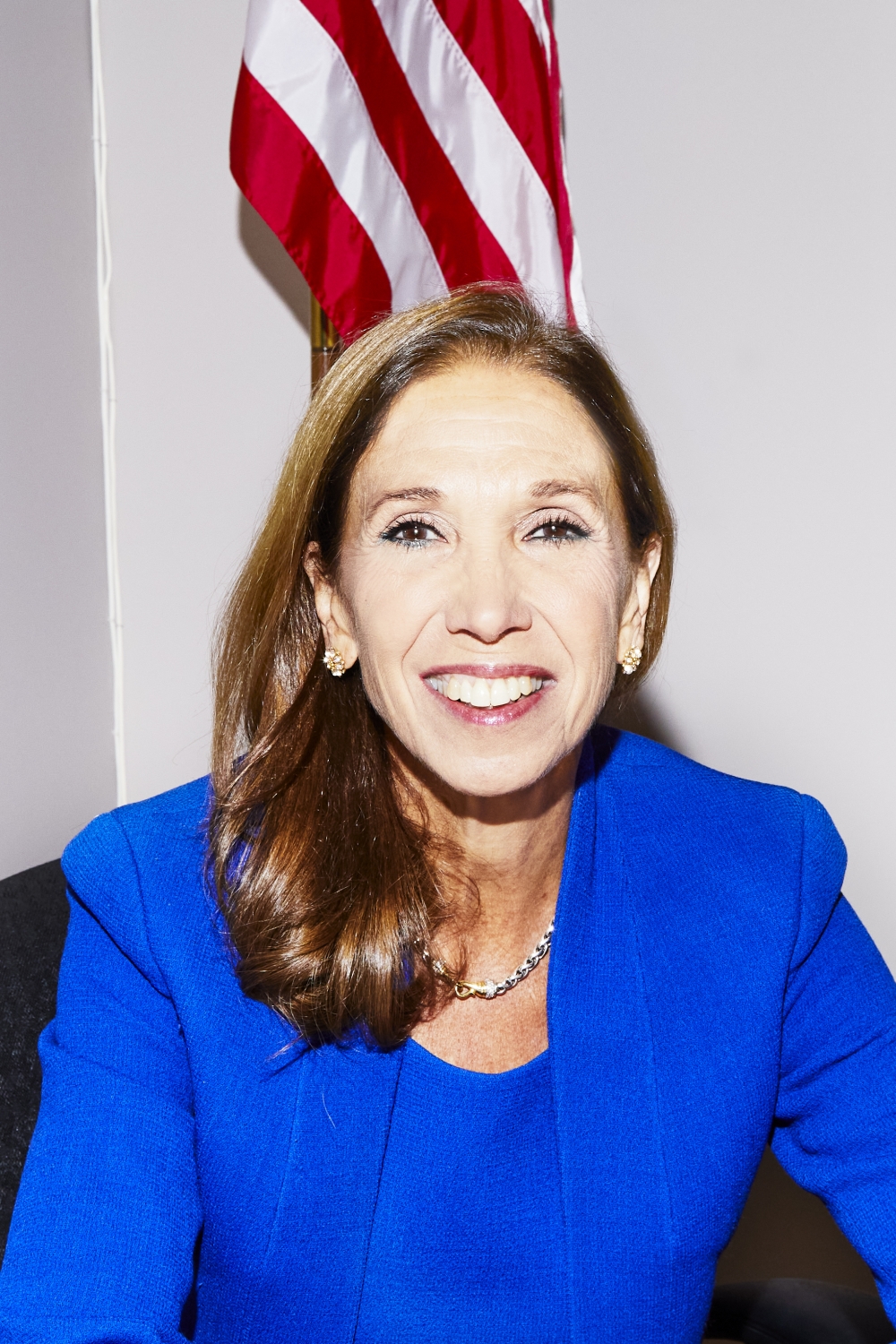
Amy Paulin
Amy Paulin House · District 88
D
Strong +
100% 24
Andrew Hevesi
Andrew Hevesi House · District 28
D
Strong +
100% 24
Bill Conrad
Bill Conrad House · District 140
D
Strong +
100% 24
Chris Friend
Chris Friend House · District 124
R
Strong −
0% 24
Chris Tague
Chris Tague House · District 102
R
Strong −
0% 24
Dave DiPietro
Dave DiPietro House · District 147
R
Strong −
4% 23
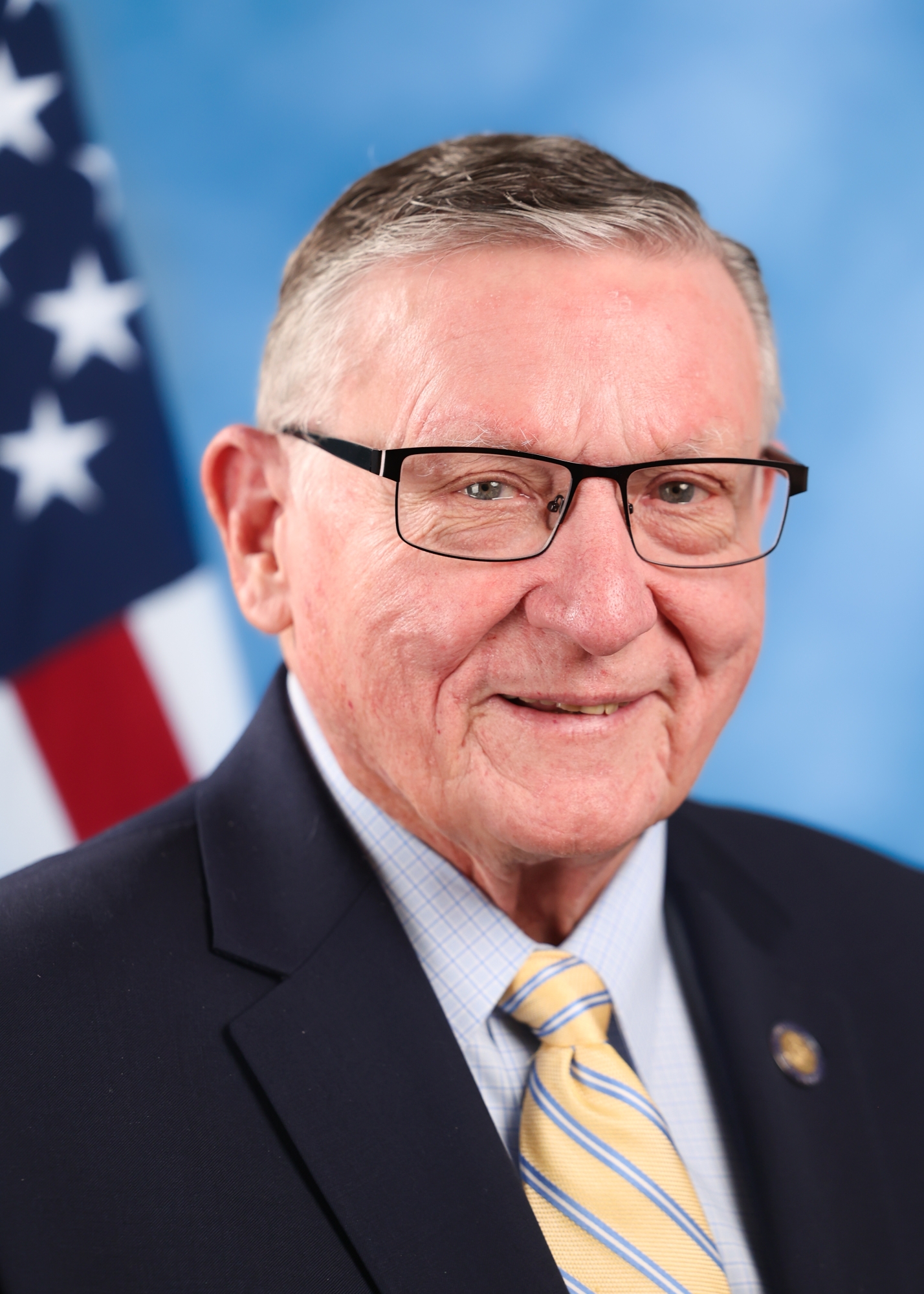
Ken Blankenbush
Ken Blankenbush House · District 117
R
Strong −
4% 23
Steve Hawley
Steve Hawley House · District 139
R
Strong −
4% 23
Showing 1,221–1,230 of 1,442 bills

All labor & employment bills

in committee · New York · Senate Mar 4, 2026

S 415: Provides for minimum wage requirements for miscellaneous industry workers and establishes a one fair wage reimbursement credit

S 415 establishes minimum cash wage requirements for "miscellaneous industry workers" in New York, including car wash attendants, nail salon staff, dog groomers, tour guides, and valet attendants. It mandates that employers pay these workers a specific hourly cash wage before tips, with rates varying by location: $12.77 in NYC starting 2026, $11.50 in other areas, and phased increases through 2029. The bill also includes a "one fair wage reimbursement credit" to help employers offset costs. The law modifies existing wage orders to ensure total pay (cash wage + tips) meets the state minimum wage, applying only to workers covered under specific state regulations for non-food service industries.
died · New York · Senate Jan 7, 2026

S 5326: Provides for standardized health insurance contracts for small dental employers

This bill establishes a program offering standardized health insurance contracts to qualifying small dental employers and small employers meeting specific criteria. It defines "qualifying small dental employers" as those with up to 50 employees, including at least one dentist providing 10+ monthly Medicaid-covered visits and two licensed dental hygienists. Employers must certify annually they meet requirements (e.g., ≤50 employees, no prior group coverage, 30% of employees earning ≤$30,000 adjusted annually) and insurers must provide uniform benefit packages without changes. The program aims to make affordable coverage available year-round, with preference for employers serving lower-wage workers or higher Medicaid patient volumes.
Sub-Topics Insurance
in committee · New York · Senate Jan 7, 2026

S 3955: Relates to notification in the case of a change to a workers' compensation claims representative

This bill requires insurance carriers and self-insured employers to notify injured workers (or their legal representatives) when a claims representative is replaced or no longer needed for workers' compensation claims. It mandates written notice within 14 business days - via email or certified mail - providing the new representative's name and contact details. The law applies specifically to workers receiving benefits under the state's workers' compensation system, ensuring they are informed of changes affecting their claim handling. This standardizes communication to prevent confusion during claim processing.
in committee · New York · Assembly Jan 7, 2026

A 6620: Requires employers provide its employees paid leave

This bill requires most employers to provide paid leave to employees based on business size: small employers (4+ employees) must offer 40 hours of paid sick leave and 40 hours of paid leave annually if they earned over $1 million last year; mid-sized employers (5-99 employees) must provide 40 hours each; and large employers (100+) must provide 56 hours of paid sick leave and 40 hours of paid leave annually. It also mandates 20 hours of paid prenatal leave per 52-week period starting in 2025, with employees accruing leave at a rate of one hour for every 30 hours worked. The law covers leave for illness, family care, medical appointments, and safety-related reasons (including domestic violence or stalking), with "family member" defined broadly to include spouses, children, and parents. All employers must pay at the employee’s regular rate or minimum wage, whichever is higher, for covered leave.
in committee · New York · Senate Jan 7, 2026

S 3235: Relates to the workers' compensation benefit of certain disabled employees

Provides that the weekly benefit which the disabled employee is entitled to receive for disability commencing: on or after January first, two thousand twenty-eight shall be fifty percent of the employee's average weekly wage but shall not exceed fifty percent of the state average weekly wage; on or after January first, two thousand twenty-nine shall be fifty-five percent of the employee's average weekly wage but shall not exceed fifty-five percent of the state average weekly wage; on or after January first, two thousand thirty shall be sixty percent of the employee's weekly average wage but shall not exceed sixty percent of the state average weekly wage; and on or after January first of each succeeding year, shall be sixty-seven percent of the employee's average weekly wage but shall not exceed sixty-seven percent of the state average weekly wage.
in committee · New York · Senate Jan 7, 2026

S 4299: Authorizes the care and treatment of injured employees by duly licensed or certified acupuncturists under the workers' compensation program

This bill (S 4299) allows injured workers covered by New York's workers' compensation program to receive acupuncture treatment from licensed or certified acupuncturists. It directly affects injured employees seeking treatment, acupuncturists who must meet specific education law requirements, and employers who must cover these services. Key provisions include requiring acupuncturists to submit treatment records to the state, establishing a fee schedule based on practitioner type (licensed vs. certified), and mandating that acupuncturists bill employers directly - not injured workers - within 48 hours of the first treatment. The bill also sets rules for dispute resolution over treatment fees and requires employers to allow impartial examinations of billing disputes.
in committee · New York · Senate Jun 5, 2026

S 162: Authorizes the commissioner of labor and the workers' compensation board to issue stop-work orders

Authorizes the commissioner of labor and the workers' compensation board to issue stop-work orders; establishes procedure for the issuance of such orders; establishes penalties for failure to comply with such orders.
in committee · New York · Senate Jan 7, 2026

S 4863: Relates to establishing the COVID-19 recovery local employment tax credit program

Establishes the COVID-19 recovery local employment tax credit program to provide tax incentives to employers for employing local employees in full-time or part-time positions in the two years following the conclusion of the state disaster emergency declared pursuant to executive order two hundred two.
in committee · New York · Senate Jan 7, 2026

S 5533: Establishes the permanent child care workforce pay equity fund and provides for the distribution thereof; appropriation

S 5533 creates a permanent $1.2 billion fund to improve pay for New York child care workers. It requires that at least 75% of funds distributed to child care programs must increase compensation for direct caregivers (like teachers), 10% for administrators, and the rest for program quality or capacity. The bill mandates the state develop a minimum wage scale aligning child care pay with public school educators and prioritizes funding for programs serving high-need children, underserved communities, and those accepting state child care subsidies. Programs receiving funds must meet wage requirements and report how money is used.
vetoed · New York · Assembly Dec 5, 2025

A 33: Relates to the promotion of employment of people with disabilities

This bill establishes a 16-member task force within New York's Department of Labor to address unemployment among people with disabilities. The task force, including representatives from state agencies, disability organizations, labor, business, and people with disabilities themselves, will study employment barriers and review successful programs. Its key duties include developing strategies to increase competitive integrated employment (meaningful jobs in regular workplaces), ensuring state agencies model inclusive hiring, and making recommendations within two years. The task force must report annually to the governor and legislature, with findings made publicly available online. This directly affects state agencies, employers, and people with disabilities seeking meaningful work opportunities.
Sub-Topics Unemployment Tags People with Disabilities
Showing 1,221 to 1,230 of 1,442 bills