Issue · Immigration

Immigration

Every immigration bill, vote, and legislator stance in New York, automatically classified by Maddy, our AI policy reader.

Total bills
63
119th Congress
Top supporter
Jerrold Nadler
84% support rate
Top opponent
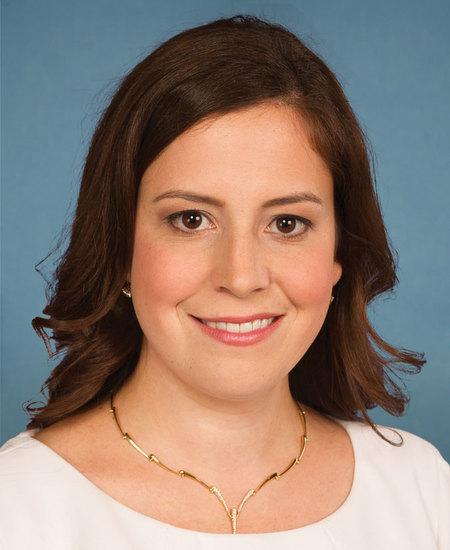
Elise M. Stefanik
16% support rate
Ranked legislators
10
5 support · 5 oppose
Key legislators

Who's moving immigration in New York

Legislators moving immigration in New York
Legislator Party Stance Support rate Votes
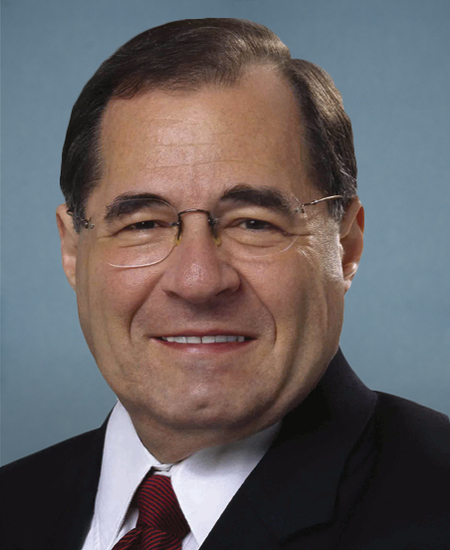
Jerrold Nadler
Jerrold Nadler House · District 12
D
Strong +
84% 139
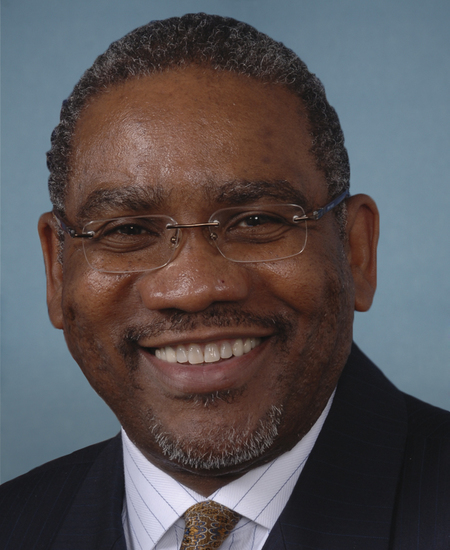
Gregory W. Meeks
Gregory W. Meeks House · District 5
D
Strong +
81% 145
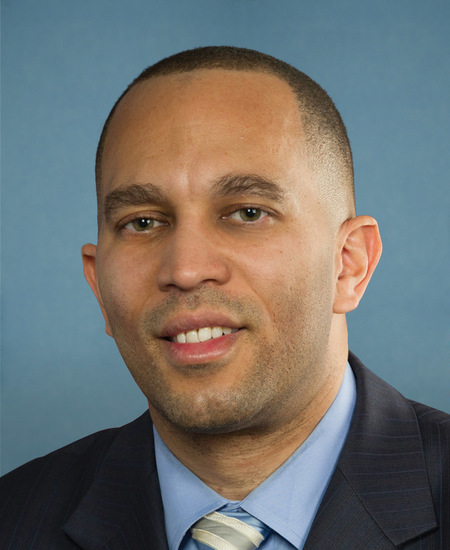
Hakeem S. Jeffries
Hakeem S. Jeffries House · District 8
D
Strong +
81% 150
Grace Meng
Grace Meng House · District 6
D
Strong +
81% 146
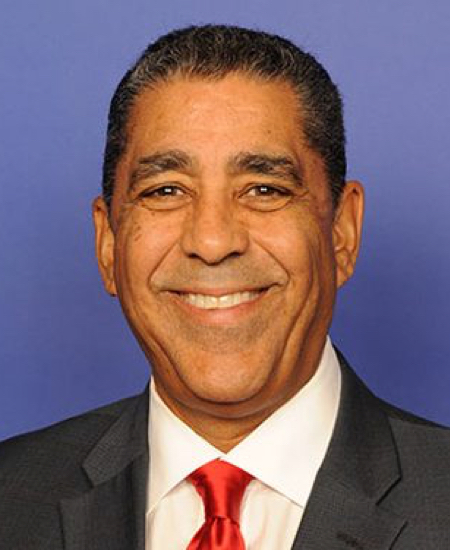
Adriano Espaillat
Adriano Espaillat House · District 13
D
Strong +
81% 146
Elise M. Stefanik
Elise M. Stefanik House · District 21
R
Strong −
16% 132
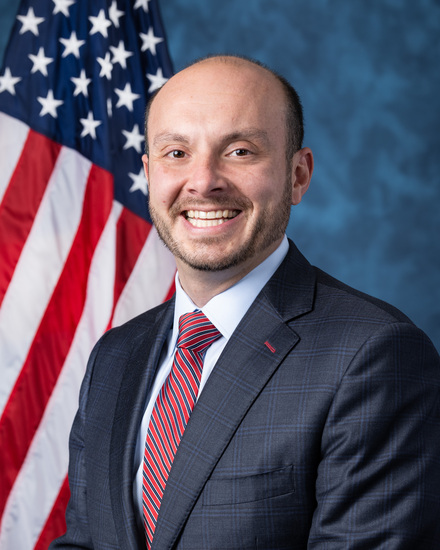
Andrew R. Garbarino
Andrew R. Garbarino House · District 2
R
Strong −
19% 146
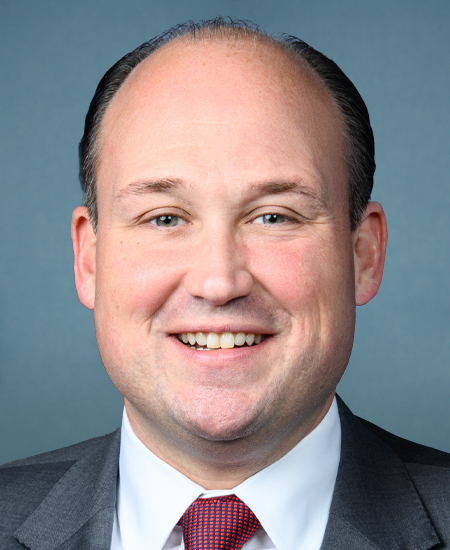
Nicholas A. Langworthy
Nicholas A. Langworthy House · District 23
R
Strong −
19% 147
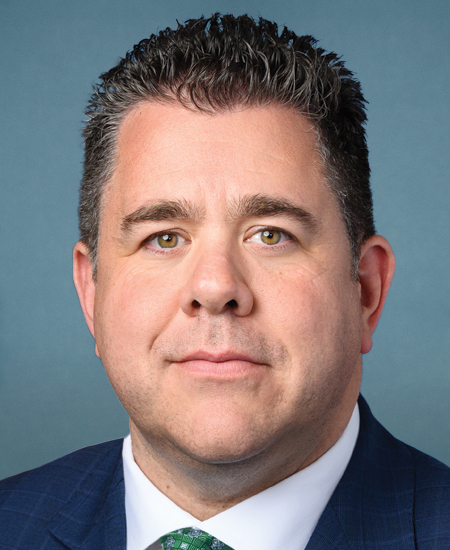
Nick LaLota
Nick LaLota House · District 1
R
Strong −
19% 145
Claudia Tenney
Claudia Tenney House · District 24
R
Strong −
19% 149
Showing 1–10 of 63 bills

All immigration bills

passed · United States · House Sep 1, 2026

HRES 1490: Providing for the condemnation and denouncement of socialism in all its forms, and for other purposes.

This resolution states that the House of Representatives condemns and denounces socialism in all its forms, including the Democratic Socialists of America, and opposes the implementation of socialist policies in the United States; reaffirms its support for free, fair, and secure elections and calls for enactment of the SAVE America Act; reiterates that American elections are for American citizens only; and recommits itself to upholding the U.S. Constitution.
in committee · United States · Senate Jul 21, 2026

S 5060: Child Marriage Prevention Act of 2026

The Child Marriage Prevention Act of 2026 establishes a federal commission to study child marriage in the United States and requires the Department of Justice to create a model state law that sets the minimum marriage age at 18. The bill also amends immigration laws to generally deny visas to spouses or fiancés who were under 18 years old at the time of their marriage, with limited exceptions for compelling humanitarian reasons. Additionally, the legislation prohibits the use of federal property to facilitate any marriage where one or both individuals are under 18 and provides grants to states that establish task forces to examine and address child marriage.
in committee · United States · Senate Jul 22, 2026

S 5094: Real Courts, Rule of Law Act of 2026

The Real Courts, Rule of Law Act of 2026 restructures the United States immigration court system by creating a new, independent judicial branch under Article I of the Constitution, separate from the executive branch. This new system consists of three divisions: an appellate division with judges appointed by the President and Senate for 15-year terms, a trial division with judges appointed by the appellate division for 15-year terms, and an administrative division that manages operations and advises on court needs. The bill establishes specific qualifications for judges, sets their salaries at levels comparable to federal district court judges, and defines their powers to conduct hearings, issue rulings, and manage court resources. Additionally, the legislation transfers all existing immigration functions from the Department of Justice to this new court system while ensuring that pending cases continue without interruption.
in committee · United States · House Jul 15, 2026

HRES 1394: Condemning prosecution policies that give preferential treatment to foreign nationals over United States citizens.

This resolution expresses strong disapproval of local prosecution policies that allegedly offer special leniency to foreign nationals compared to U.S. citizens. It argues that such practices endanger public safety and violate federal civil rights laws by failing to treat all individuals equally under the law. The text calls on state and local prosecutors to ignore immigration status when deciding how to handle criminal cases and urges the Department of Justice to investigate these alleged preferential treatments. Ultimately, the measure aims to ensure that every crime is prosecuted to the fullest extent of the law regardless of the suspect's background.
in committee · United States · House Jul 7, 2026

HR 9314: DHS Surveillance Technology Moratorium Act of 2026

The DHS Surveillance Technology Moratorium Act of 2026 temporarily halts the Department of Homeland Security from using funds to start, renew, or expand contracts for surveillance tools used in immigration enforcement, such as facial recognition and predictive analytics. This pause applies to agencies like U.S. Immigration and Customs Enforcement and Customs and Border Protection, though existing contracts can continue until a review is complete. The bill mandates an independent audit within 180 days to examine data collection practices, privacy impacts, and the accuracy of these technologies, followed by a public report detailing their use and capabilities. The funding ban remains in effect until the audit is finished, a public report is released, and the department demonstrates it has implemented necessary safeguards to protect civil liberties. Once these conditions are met, the moratorium lifts, but the department must submit annual reports on its continued use of these technologies and any related privacy complaints.
in committee · United States · House Jun 4, 2026

HR 9160: No Safe Haven for Terrorist Families Act

The No Safe Haven for Terrorist Families Act expands U.S. immigration rules to bar close relatives of designated terrorists, senior officials of hostile foreign governments, and sanctioned corrupt leaders from entering or remaining in the country. It defines these "covered family members" to include spouses, children, parents, siblings, grandparents, grandchildren, and nieces or nephews of the listed threat actors, applying the ban retroactively to existing relationships. The bill mandates that visas issued to these individuals be revoked and that they face deportation without eligibility for most forms of legal relief, such as cancellation of removal. To enforce these measures, government agencies must implement new screening procedures within 180 days and submit annual reports detailing the number of inadmissibility determinations, visa revocations, and removals.
Sub-Topics Enforcement
in committee · United States · House May 22, 2026

HR 8984: Respect Our Communities Act

The Respect Our Communities Act restricts the Department of Homeland Security from building or operating new immigration detention centers without first obtaining written permission from local elected officials and state governors. Before any construction begins, federal agencies must publish a detailed public notice inviting at least 30 days of community feedback and submit a report to Congress that includes an economic impact analysis and an engineering review of resource usage. This legislation directly affects the federal agencies responsible for immigration enforcement and the local governments where new facilities might be located by mandating a collaborative approval process.
in committee · United States · House Apr 10, 2026

HR 8223: RECOUP Act of 2026

The RECOUP Act of 2026 requires the Department of Homeland Security to pay local first responders for their time and resources when they assist federal immigration agents. Under this bill, agencies that help enforce immigration laws can submit detailed requests for reimbursement, which must include information about the number of officers involved, the duration of the response, and their pay rates. The law also mandates that the government protect the personal details of these responders and prohibits releasing that information without a court order. Funding for these payments would come from existing budgets allocated to immigration enforcement agencies, allowing the money to be used until January 2029.
in committee · United States · House Apr 24, 2026

HR 8494: To prohibit the Department of Homeland Security from entering into, modifying, extending, or renewing, any contract or intergovernmental service agreement to establish or operate any new immigration detention model, including the use of warehouses, modular facilities, soft-sided structures, tent systems, and processing centers.

This bill prohibits the Department of Homeland Security from using federal funds to create or expand new immigration detention facilities, including warehouses, tents, and modular structures. It directly affects immigration enforcement agencies by banning the construction, renovation, or operation of non-traditional detention centers and preventing the transfer of funds to such projects. The legislation requires any money previously allocated for these facilities to be redirected toward affordable healthcare and housing services instead. Effective immediately upon enactment, the ban applies to all existing federal funds and prevents the use of current budgets for establishing or operating alternative detention models.
in committee · United States · House Apr 2, 2026

HR 8173: Reforming ICE and Protecting America Act

This bill appropriates federal funding for the Department of Homeland Security for fiscal year 2026 and includes several policy reforms affecting immigration enforcement and oversight. It provides billions of dollars in operating and procurement funds for agencies like Customs and Border Protection, Immigration and Customs Enforcement, and the Coast Guard, while establishing new reporting requirements and restrictions on how those funds can be used. The legislation mandates body cameras for immigration agents, requires standardized uniforms and training for ICE officers, and limits detention of U.S. citizens to cases with probable cause of criminal activity. It also prohibits new border crossing fees, restricts certain surveillance systems, and requires enhanced oversight of detention facilities and grant programs.
Showing 1 to 10 of 63 bills
1 2 3 7 Next