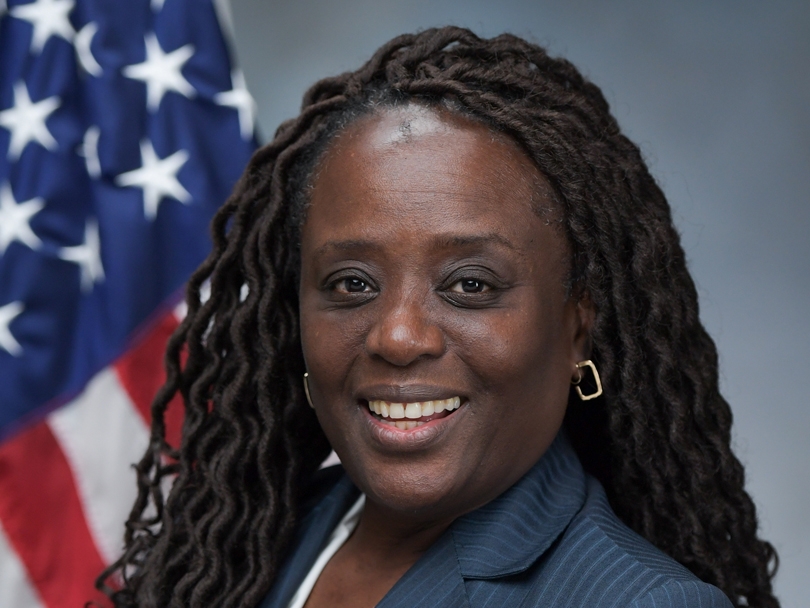
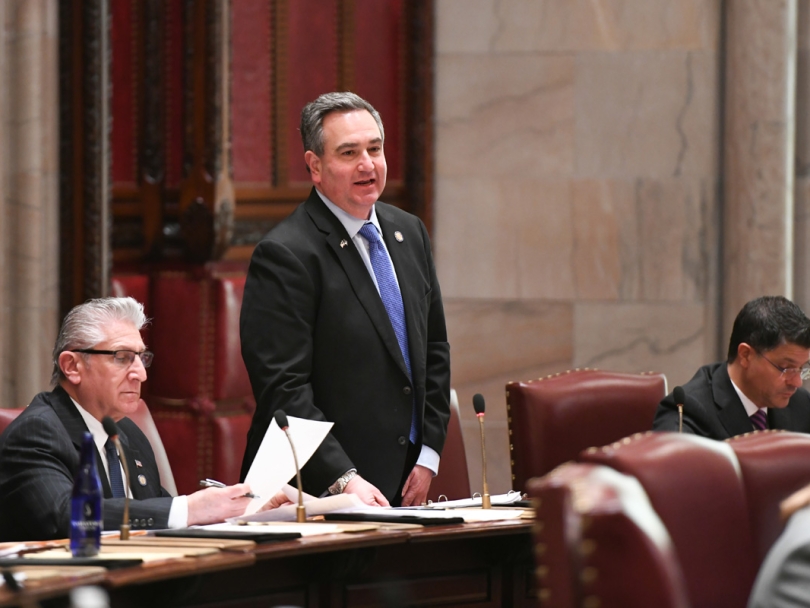
Key legislators
Who's moving immigration in New York
Showing 5 of 5
bills
All immigration bills
Provides that an accusatory instrument or supporting deposition consisting of factual allegations by a deponent with limited English proficiency is not sufficient unless accompanied by a sworn statement from an interpreter affirming the accuracy of the English interpretation.
Requires any website or mobile application associated with an electronic benefit transfer system to be offered in the twelve most common non-English languages spoken by limited-English proficient individuals in the state, based on data in the most recent American Community Survey published by the United States Census Bureau.
This bill amends New York's election law to expand the definition of "language minorities" to include people of Middle Eastern or North African heritage (as defined by federal standards) and Haitian Creole speakers. It directly affects election administration by requiring language assistance services for these groups, alongside existing categories like Spanish speakers and Asian American communities. The key change adds these specific groups to the list used to determine which voters are entitled to translated materials and interpretation services under federal voting rights protections. The bill takes effect one year after enactment.
Requires certain documents and forms to be provided in the twelve most common non-English languages spoken by limited English proficient immigrants of five years or less according to the American community survey, as published by the United States census bureau.
This bill establishes the "Staff Sergeant Alex R. Jimenez New York State Military Immigrant Family Legacy Program" within the Office for New Americans. It directly assists military-connected immigrants, including active service members, veterans (including LGBT veterans), reserve members, their family members (spouses, children, parents), and next-of-kin of service members who died in service. The key mechanism designates liaisons between military offices (like the Division of Military and Naval Affairs) and the Office for New Americans to refer eligible individuals to existing immigration legal services, including citizenship assistance. The program coordinates with federal agencies and community partners to help intended recipients navigate immigration processes, and requires annual reporting on program activity and demographics.