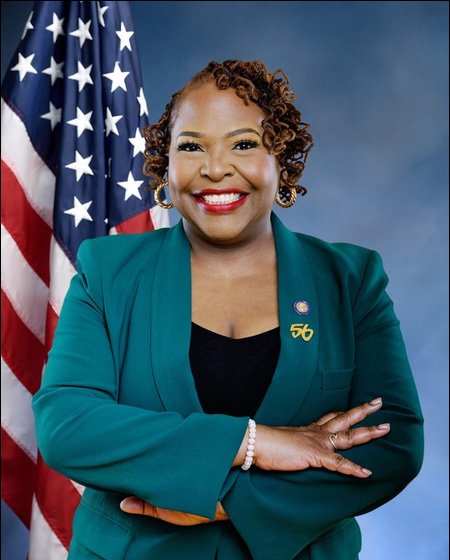
Key legislators
Who's moving housing in New York
Showing 81–90 of 130
bills
All housing bills
Protects renters using a housing subsidy or voucher, or receiving public assistance from discrimination by the housing provider based on such renters' income or use of such housing subsidy, voucher or public assistance.
Requires the modification of restrictive covenants prior to the sale of real property when covenants, conditions and restrictions exist which discriminate on the basis of a protected class in violation of state or federal law.
Prohibits unfair residential real estate service agreements which are certain service agreements which are not to be performed within two years following the time such agreement is entered into.
Provides for a continuation of senior citizen rent increase exemption benefits after a period of ineligibility due to a head of household's temporary increase in income.
Provides retroactivity to the original date of eligibility for the senior citizens rent increase exemption (SCRIE) and disability rent increase exemption (DRIE).
Relates to unlawful tenancies under the emergency tenant protection act of 1974; prohibits owners from entering or renewing leases where such owner has reason to know that such tenant will not occupy the housing accommodation as the tenant's primary residence.
This bill expands New York's tuition assistance program to include students experiencing homelessness, directly affecting homeless students seeking financial aid for higher education. It modifies eligibility criteria to align with federal definitions under the McKinney-Vento Act and requires a standardized verification process for homelessness status across all tuition assistance programs. The bill also clarifies that homeless students cannot be considered "emancipated" for aid purposes solely based on their homelessness status. These changes aim to streamline access to financial aid for homeless students while ensuring consistent federal-aligned verification.
Relates to tax abatement for rent-controlled and rent regulated property occupied by and real property owned by senior citizens or persons with disabilities.
S 2433 establishes protections for residents and cooperatives when ground leases for apartment buildings expire. It requires cooperatives to dissolve properly within 10 days of lease expiration and automatically grants residents tenant status under New York's rent laws, ensuring their housing remains regulated. The bill also gives the cooperative a 120-day right to purchase the underlying land if the landowner sells, with specific notice and timing requirements for both parties. These changes directly affect ground lease residential co-ops and their residents in New York, ensuring continuity of housing and rent protections upon lease termination.
Codifies the disparate impact standard in the human rights law; provides that in cases of alleged housing discrimination, an unlawful discriminatory practice may be established by a practice's discriminatory effect.