Issue · Healthcare

Healthcare (Substance Abuse)

Every healthcare bill, vote, and legislator stance in New York, automatically classified by Maddy, our AI policy reader.

Total bills
273
2025 Regular Session
Top supporter
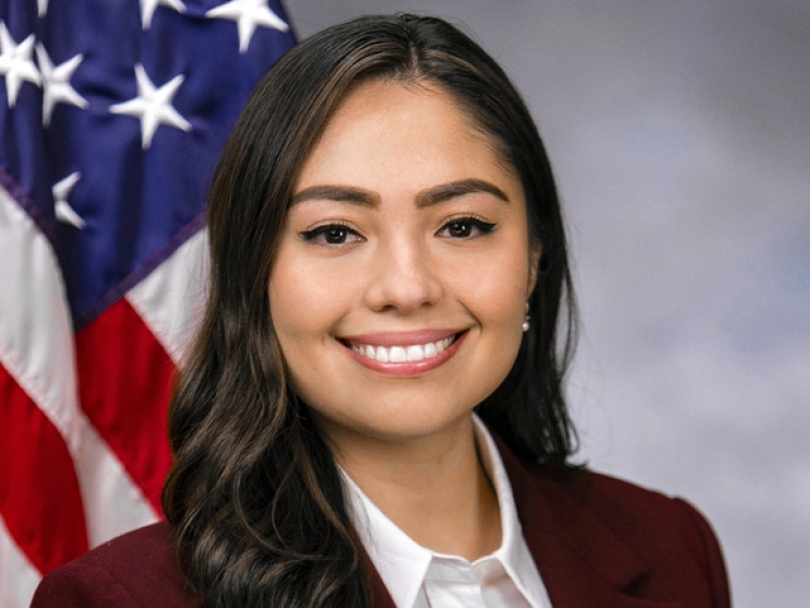
Kristen Gonzalez
100% support rate
Top opponent
Patrick Gallivan
0% support rate
Ranked legislators
10
5 support · 5 oppose
Key legislators

Who's moving substance abuse in New York

Legislators moving substance abuse in New York
Legislator Party Stance Support rate Decisive votes
Kristen Gonzalez
Kristen Gonzalez Senate · District 59
D
Strong +
100% 12
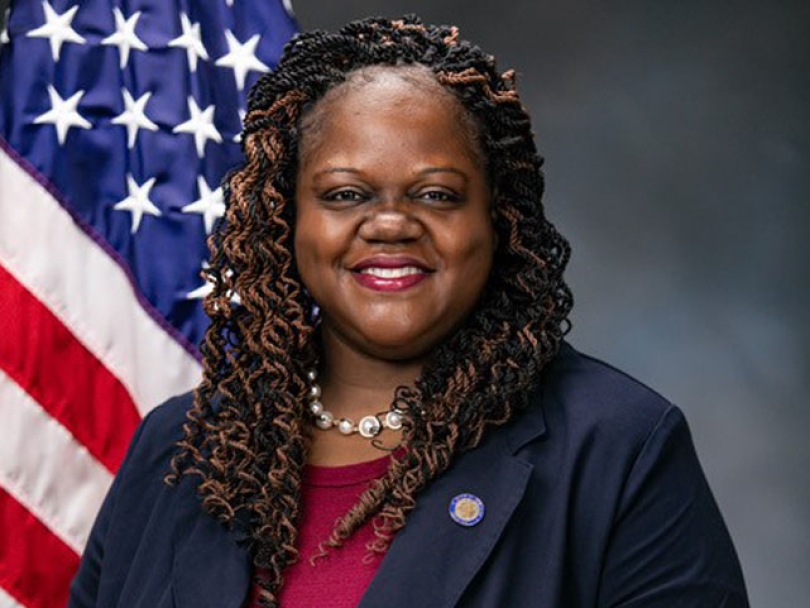
Lea Webb
Lea Webb Senate · District 52
D
Strong +
100% 12
Robert Jackson
Robert Jackson Senate · District 31
D
Strong +
100% 12
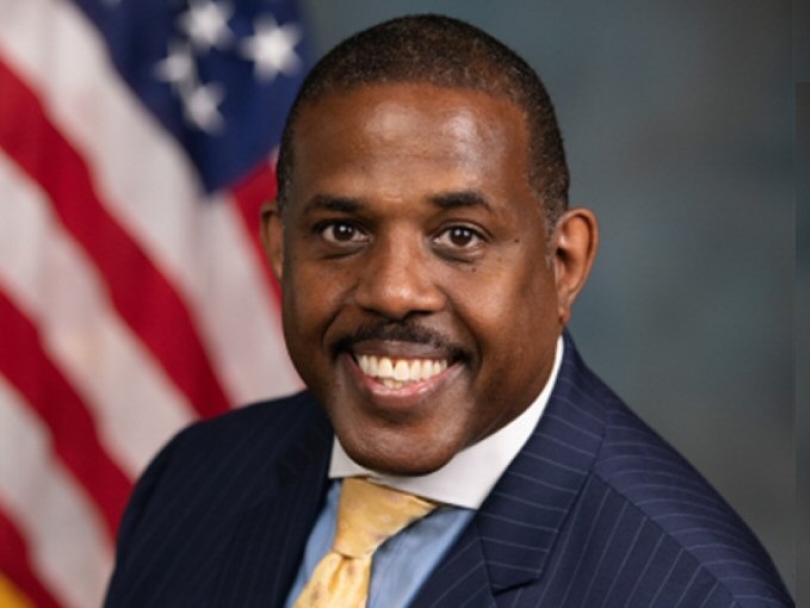
Kevin Parker
Kevin Parker Senate · District 21
D
Strong +
100% 10
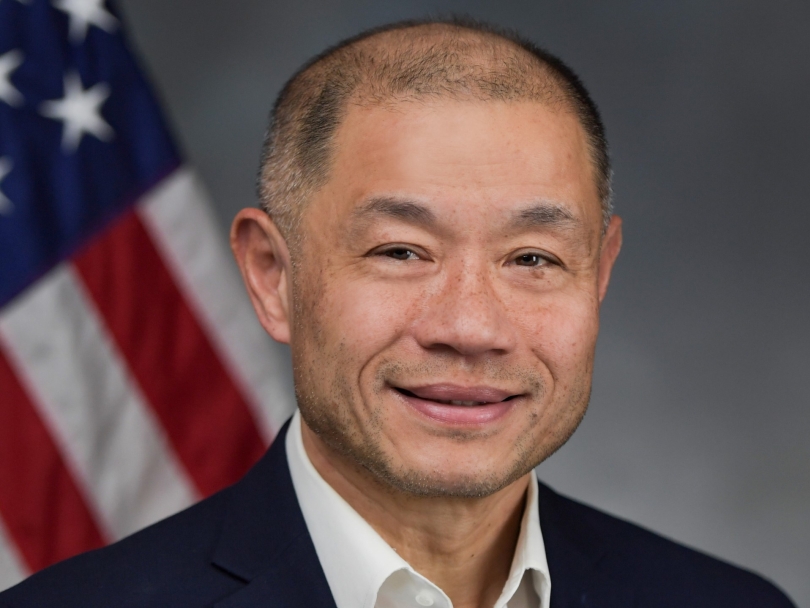
John Liu
John Liu Senate · District 16
D
Strong +
100% 9
Patrick Gallivan
Patrick Gallivan Senate · District 60
R
Strong −
0% 14
Dan Stec
Dan Stec Senate · District 45
R
Strong −
0% 13
Joe Griffo
Joe Griffo Senate · District 53
R
Strong −
0% 9
Pam Helming
Pam Helming Senate · District 54
R
Strong −
0% 9
Tom O'Mara
Tom O'Mara Senate · District 58
R
Strong −
0% 9
Showing 261–270 of 273 bills

All healthcare bills

in committee · New York · Senate Jan 7, 2026

S 5013: Requires health insurers to provide coverage for opioid antagonists and devices

This bill requires health insurers to cover at least one opioid antagonist (like naloxone) and related devices in all prescription drug plans. It directly affects insurers, patients at risk of opioid overdose, and healthcare providers who can prescribe these medications via standing orders. The law mandates coverage without eliminating deductibles or co-insurance, which may apply as they do for other covered treatments. Naloxone is specifically named as the primary opioid antagonist to be covered, as defined by the FDA and New York’s Department of Health.
in committee · New York · Assembly Jan 7, 2026

A 4262: Enacts the Health Care Nondiscrimination Act of 2025

Enacts the Health Care Nondiscrimination Act; requires insurance coverage and health plans to implement equality and non-discrimination between licensed health care providers; requires fee parity between different classes of licensed providers providing the similar or like-kind services; requires practitioners to discuss and refer or prescribe non-pharmacological treatment alternatives before prescribing an opioid treatment; allows any licensed health care provider to perform certain services, including certifying disability and employment by school districts; provides for enforcement and penalties.
in committee · New York · Assembly Jan 7, 2026

A 7920: Limits the substitution of abuse-deterrent analgesic opioid drug products for analgesic opioids lacking such technology

This bill requires health insurance plans to cover at least one abuse-deterrent opioid pain medication per active ingredient, ensuring patients can access FDA-approved options designed to reduce misuse. It limits cost-sharing (like copays) for these drugs to the same level as non-abuse-deterrent opioids, preventing insurers from increasing patient costs to comply. The law also prohibits prior authorization rules from forcing prescribers to use non-abuse-deterrent opioids to access safer alternatives. It directly affects patients prescribed opioids, insurers, and healthcare providers by mandating equitable coverage for abuse-deterrent formulations. The policy applies to all opioid analgesics approved by the FDA with abuse-deterrent labeling.
in committee · New York · Senate Jan 7, 2026

S 987: Limits the substitution of abuse-deterrent analgesic opioid drug products for analgesic opioids lacking such technology

This bill (S 987) requires health insurance plans to cover at least one abuse-deterrent opioid pain medication per active ingredient, ensuring patients can access FDA-approved options designed to reduce misuse. It prohibits higher copays or deductibles for these medications compared to standard opioids and bans prior authorization rules that force patients to try non-abuse-deterrent opioids first. The law applies to all insurance plans covering opioid pain medications, directly affecting patients, insurers, and healthcare providers. Key provisions mandate equal cost-sharing for abuse-deterrent and non-abuse-deterrent versions and prevent insurers from adding financial barriers to access these medications. The bill takes effect 120 days after enactment for new or renewed insurance policies.
in committee · New York · Assembly Jan 7, 2026

A 1792: Enacts the "ensuring access to behavioral health act"

Enacts the "ensuring access to behavioral health act"; includes mental health services, substance use disorder treatment services and recovery support services to network adequacy requirements for insurance coverage.
in committee · New York · Assembly Jan 7, 2026

A 2650: Limits the substitution of abuse-deterrent analgesic opioid drug products for analgesic opioids lacking such technology

This bill requires health insurance plans to cover at least one abuse-deterrent opioid painkiller for each active ingredient, ensuring patients can access these FDA-approved options without higher out-of-pocket costs. It prohibits insurers from forcing patients to try non-abuse-deterrent opioids first for prior authorization or coverage approval. The law mandates that cost-sharing (like copays) for abuse-deterrent opioids must match the lowest level applied to non-abuse-deterrent versions. It directly affects patients prescribed opioid painkillers and insurance plans, aiming to improve access to formulations designed to reduce misuse.
in committee · New York · Senate Apr 29, 2026

S 5263: Provides that coverage for outpatient diagnosis and treatment of substance use disorder shall not be subject to preauthorization

This bill requires health insurance plans to cover outpatient diagnosis and treatment for substance use disorder - including detoxification and rehabilitation - without preauthorization. It applies to all medical, major medical, and comprehensive insurance policies. The law prohibits insurers from applying stricter financial limits or treatment restrictions to substance use disorder care than those used for standard medical or surgical services. This change aims to reduce administrative barriers for people seeking treatment.
in committee · New York · Senate Jan 7, 2026

S 1430: Requires insurance and Medicaid coverage for inpatient and outpatient substance abuse treatment for a period of not less than forty-five days

This bill requires all health insurance plans and Medicaid to cover inpatient and outpatient substance use disorder treatment for at least 45 days, directly affecting individuals seeking addiction care. It mandates that coverage includes unlimited medically necessary treatment in residential settings for inpatient care and prohibits insurers from applying stricter financial or treatment limits (like prior authorization) to substance use disorder services than those applied to standard medical care. The law applies to both hospital and medical insurance policies, ensuring consistent coverage without extra hurdles for addiction treatment. This creates a concrete policy change by standardizing minimum coverage duration and removing discriminatory restrictions in insurance practices.
in committee · New York · Senate Jan 7, 2026

S 499: Enacts the "ensuring access to behavioral health act"

Enacts the "ensuring access to behavioral health act"; includes mental health services, substance use disorder treatment services and recovery support services to network adequacy requirements for insurance coverage.
in committee · New York · Senate Jan 7, 2026

S 5204: Enacts the Health Care Nondiscrimination Act of 2025

Enacts the Health Care Nondiscrimination Act; requires insurance coverage and health plans to implement equality and non-discrimination between licensed health care providers; requires fee parity between different classes of licensed providers providing the similar or like-kind services; requires practitioners to discuss and refer or prescribe non-pharmacological treatment alternatives before prescribing an opioid treatment; allows any licensed health care provider to perform certain services, including certifying disability and employment by school districts; provides for enforcement and penalties.
Sub-Topics Substance Abuse
Showing 261 to 270 of 273 bills