Issue · Healthcare

Healthcare (Prescription Drugs)

Every healthcare bill, vote, and legislator stance in New York, automatically classified by Maddy, our AI policy reader.

Total bills
125
2025 Regular Session
Top supporter
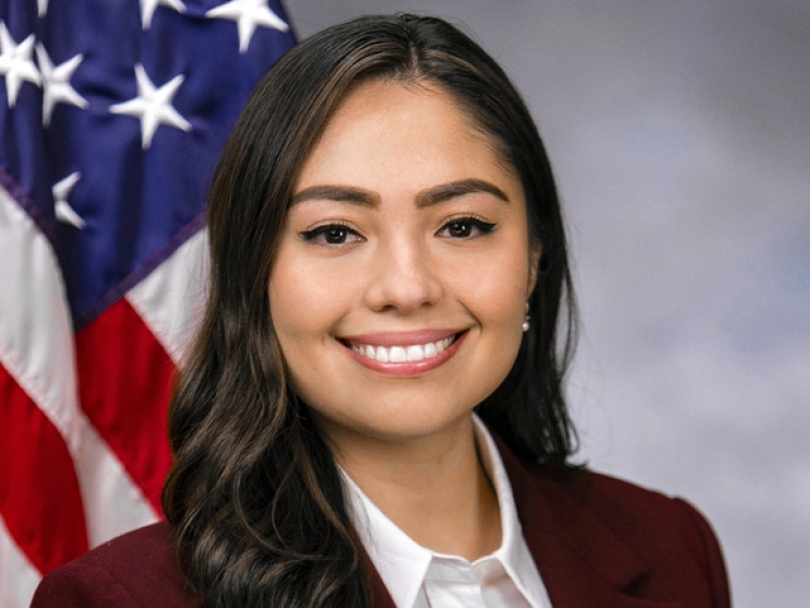
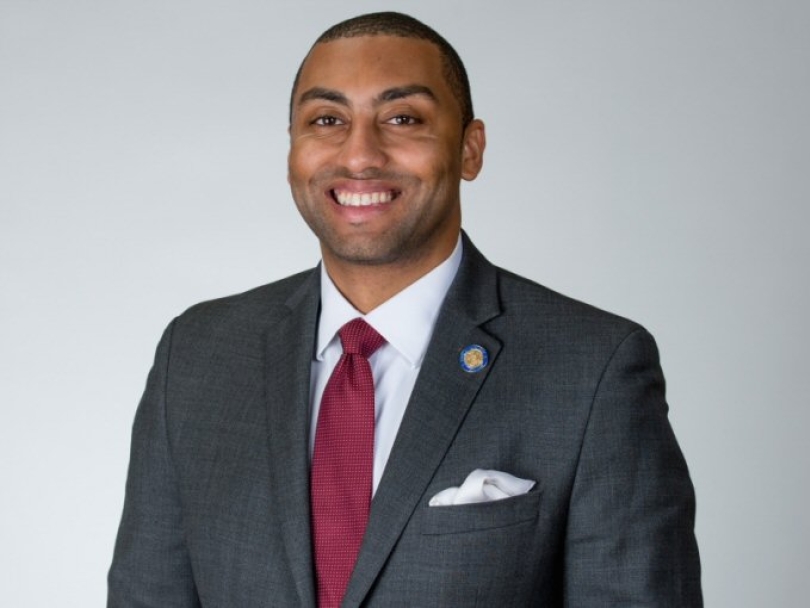
Kristen Gonzalez
100% support rate
Top opponent
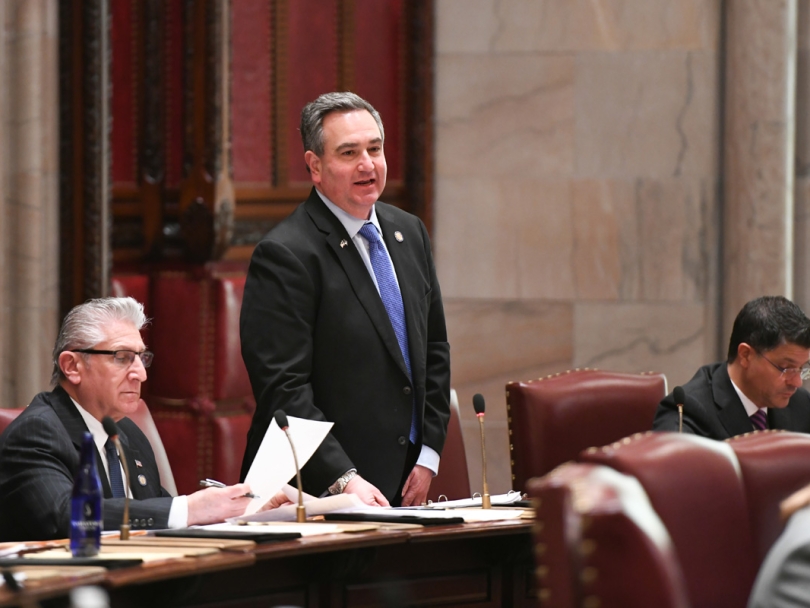
George Borrello
7% support rate
Ranked legislators
10
5 support · 5 oppose
Key legislators

Who's moving prescription drugs in New York

Legislators moving prescription drugs in New York
Legislator Party Stance Support rate Decisive votes
Kristen Gonzalez
Kristen Gonzalez Senate · District 59
D
Strong +
100% 22
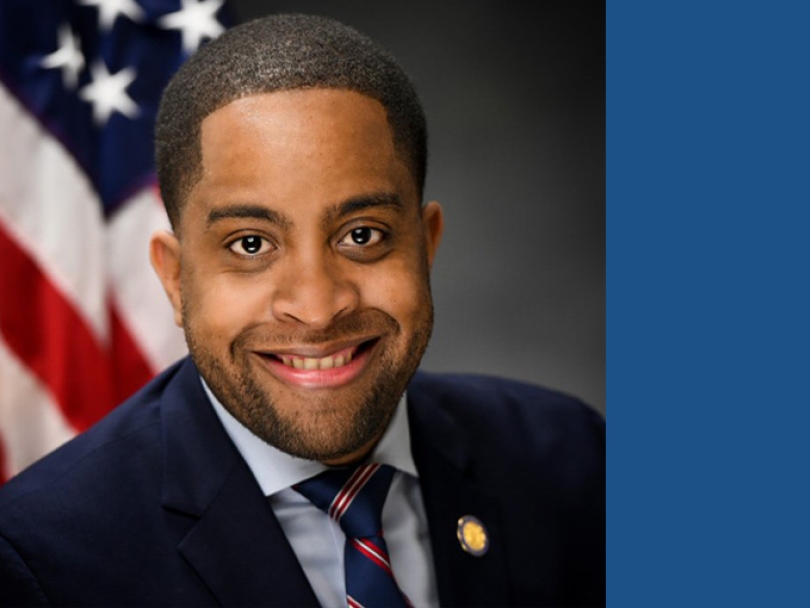
Zellnor Myrie
Zellnor Myrie Senate · District 20
D
Strong +
100% 21
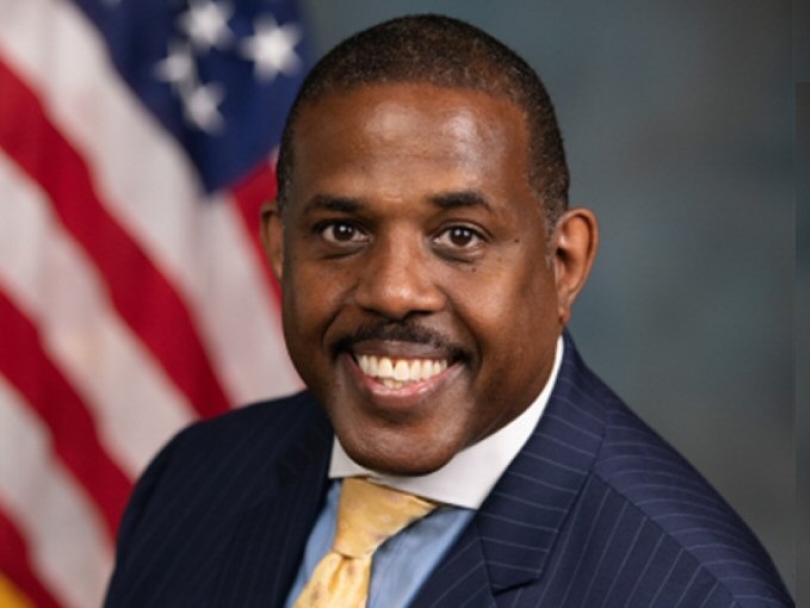
Kevin Parker
Kevin Parker Senate · District 21
D
Strong +
100% 20
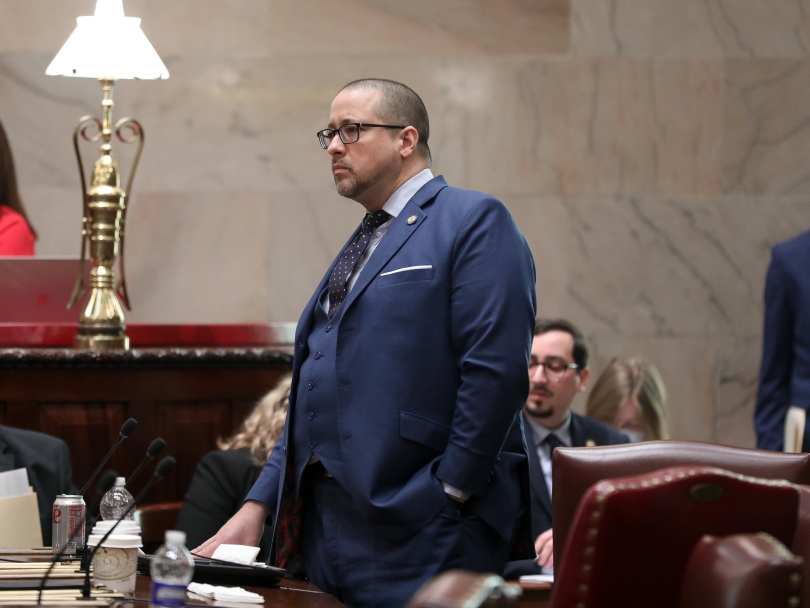
Gustavo Rivera
Gustavo Rivera Senate · District 33
D
Strong +
100% 19
Jamaal Bailey
Jamaal Bailey Senate · District 36
D
Strong +
100% 19
George Borrello
George Borrello Senate · District 57
R
Strong −
7% 15
Mark Walczyk
Mark Walczyk Senate · District 49
R
Strong −
8% 12
Patrick Gallivan
Patrick Gallivan Senate · District 60
R
Strong −
14% 21
Dan Stec
Dan Stec Senate · District 45
R
Strong −
15% 20
Rob Ortt
Rob Ortt Senate · District 62
R
Oppose
25% 16
Showing 101–110 of 125 bills

All healthcare bills

in committee · New York · Assembly Jan 7, 2026

A 6546: Prohibits the ownership, operation or control of pharmacies by pharmacy benefit managers

This bill prohibits pharmacy benefit managers (PBMs) - companies that manage prescription drug coverage for insurers - from owning, operating, or controlling pharmacies directly or indirectly. It applies to all entities (including corporations and associations) currently violating this rule, requiring them to sell their pharmacy holdings within three years. The law defines "pharmacy benefit manager" using an existing public health law definition. This creates a clear separation between PBMs and pharmacies, aiming to prevent conflicts of interest in drug pricing and patient care.
in committee · New York · Assembly Jan 7, 2026

A 8576: Preserves access to affordable drugs

Relates to preserving access to affordable drugs; provides that an agreement resolving or settling, on a final or interim basis, a patent infringement claim, in connection with the sale of a pharmaceutical product, shall be presumed to have anticompetitive effects if a nonreference drug filer receives anything of value from another company asserting patent infringement and if the nonreference drug filer agrees to limit or forego research, development, manufacturing, marketing, or sales of the nonreference drug filer's product for any period of time.
Sub-Topics Prescription Drugs
in committee · New York · Senate Jan 7, 2026

S 7900: Relates to prescription drug cost-sharing assistance

Authorizes insurance policies which provide coverage for prescription drugs where cost-sharing obligations are determined by category of prescription drugs to offer a program to insureds that utilizes rebates or discounts to lower an insured's cost-sharing for prescription drugs if the insured's cost-sharing under such program would be more favorable than the cost-sharing that would otherwise be applicable to the prescription drug.
vetoed · New York · Senate Oct 16, 2025

S 6441: Requires certain health insurance policies include coverage for services provided by pharmacists related to contraceptives

This bill requires most health insurance plans to cover contraceptive services provided by pharmacists without cost-sharing. It mandates coverage for all FDA-approved contraceptives (including over-the-counter options), emergency contraception, patient counseling, and follow-up care like device insertion/removal. Plans must allow dispensing up to 12 months of contraceptives at once and reimburse pharmacists the same rate as other healthcare providers. The law applies to group/blanket health insurance policies issued or renewed on or after January 1, 2025, directly affecting insured individuals and pharmacists providing these services.
in committee · New York · Senate Jan 7, 2026

S 1794: Requires DOH to develop a payment methodology for federally qualified health centers and rural health centers that dispense ovulation enhancing drugs

Requires federally qualified health centers and rural health centers cover the cost of all ovulation enhancing drugs dispensed and other covered entities pursuant to section 340B of the federal public health service act.
in committee · New York · Senate Jan 7, 2026

S 1795: Relates to the substitution of brand name epinephrine auto-injectors with alternate epinephrine auto-injectors

This bill allows pharmacists to swap brand-name epinephrine auto-injectors (like EpiPens) with cheaper, equally effective generic versions when a patient is prescribed one. It requires pharmacists to confirm the alternative is less expensive, get the patient’s consent, and provide proper usage instructions. The swap is permitted only if the doctor didn’t specify "dispense as written" on the prescription. This aims to lower costs for patients while ensuring safety through pharmacist counseling.
Sub-Topics Prescription Drugs
in committee · New York · Senate Jan 7, 2026

S 5013: Requires health insurers to provide coverage for opioid antagonists and devices

This bill requires health insurers to cover at least one opioid antagonist (like naloxone) and related devices in all prescription drug plans. It directly affects insurers, patients at risk of opioid overdose, and healthcare providers who can prescribe these medications via standing orders. The law mandates coverage without eliminating deductibles or co-insurance, which may apply as they do for other covered treatments. Naloxone is specifically named as the primary opioid antagonist to be covered, as defined by the FDA and New York’s Department of Health.
in committee · New York · Senate Jan 7, 2026

S 987: Limits the substitution of abuse-deterrent analgesic opioid drug products for analgesic opioids lacking such technology

This bill (S 987) requires health insurance plans to cover at least one abuse-deterrent opioid pain medication per active ingredient, ensuring patients can access FDA-approved options designed to reduce misuse. It prohibits higher copays or deductibles for these medications compared to standard opioids and bans prior authorization rules that force patients to try non-abuse-deterrent opioids first. The law applies to all insurance plans covering opioid pain medications, directly affecting patients, insurers, and healthcare providers. Key provisions mandate equal cost-sharing for abuse-deterrent and non-abuse-deterrent versions and prevent insurers from adding financial barriers to access these medications. The bill takes effect 120 days after enactment for new or renewed insurance policies.
in committee · New York · Senate Jan 30, 2026

S 1351: Relates to requiring a referenced rate for prescription drugs

S 1351 creates a pilot program to control prescription drug costs by setting maximum prices ("referenced rates") based on the lowest prices for the same drugs in four Canadian provinces (Ontario, Quebec, British Columbia, and Alberta). It applies to state health programs and pharmacies purchasing drugs for state-funded health plans, requiring them to pay no more than the referenced rate for the five most expensive drugs identified by the state. Any savings generated from this pricing cap must be directly passed to consumers through reduced costs. The pilot runs for one year, with a report due to state leaders assessing its feasibility for broader expansion.
in committee · New York · Senate Jan 7, 2026

S 6164: Relates to prescription drugs in Medicaid managed care programs; repealer

Requires Medicaid managed care, and Child Health Plus plans to adopt the procedural protections of the Preferred Drug Program, including "prescriber prevails", for all drugs.
Showing 101 to 110 of 125 bills
Previous 1 … 10 11 12 … 13 Next