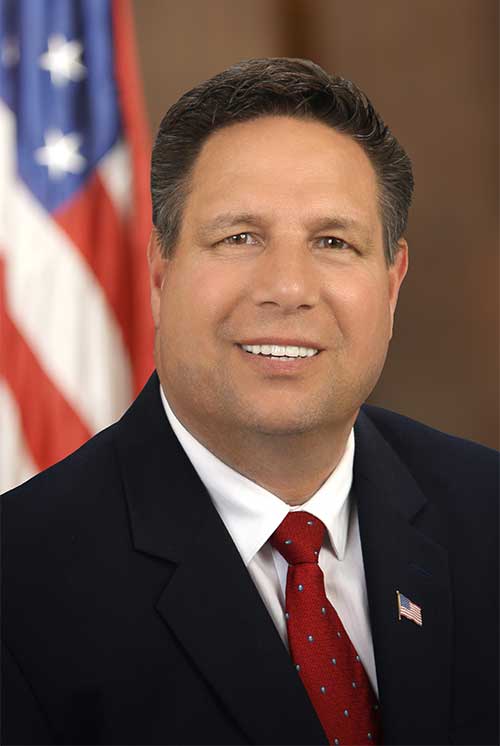
S 5860 modernizes New York's chiropractic practice laws by expanding what licensed chiropractors can legally do. The bill allows chiropractors to use diagnostic imaging (like X-rays), provide nutritional counseling, dispense approved supplements, and perform certain soft tissue treatments - previously restricted under older rules. It also authorizes chiropractic clinical assistants to support licensed practitioners under supervision. This directly affects chiropractors and their patients in New York, clarifying scope boundaries without permitting drug prescriptions or surgical procedures. The bill passed the Senate in June 2025 and is now pending in the Assembly's Higher Education committee.
Requires the administration of certain vaccines for children in accordance with regulations issued by the commissioner, utilizing generally accepted medical standards and based on recommendations of the American Academy of Pediatrics, the American Academy of Family Physicians, the American College of Obstetricians and Gynecologists, the American College of Physicians, the Advisory Committee on Immunization Practices, and/or other similar nationally or internationally recognized scientific organizations; removes certain requirements for vaccines to be administered under federal guidance.
Relates to orders not to resuscitate and the applicability of the family health care decisions act to residents of mental hygiene hospitals patients who lack decision-making capacity.
Establishes through the department of health a drug checking services program to allow individuals to bring drugs or controlled substances and have them tested for contaminants, toxic substances, or hazardous compounds; requires the department to establish public health surveillance of the unregulated drug supply; provides exemptions for participants in the drug checking program from certain controlled substance offenses.
Enacts the "beauty justice act"; provides for the regulation of ingredients in personal care products and cosmetics; prohibits the sale of personal care products and cosmetic products containing certain restricted products.
This bill allows medical assistants in outpatient clinics to draw and administer vaccines under direct supervision by a physician, nurse practitioner, or physician assistant. It specifically permits this for vaccines recommended by federal health authorities (like the CDC), requiring medical assistants to complete required training and receive adequate oversight. The law directly affects medical assistants, clinics, and healthcare providers who administer routine vaccines, expanding their scope of practice for vaccination tasks. Key provisions include mandatory federal vaccine recommendations, required training, and supervision requirements to ensure patient safety. The bill does not change vaccine types or eligibility but modifies who can legally administer them in office settings.
Authorizes registered pharmacy technicians to administer the same immunizations as licensed pharmacists under direct supervision of such licensed pharmacist.
This bill (S 8756) modifies the implementation timeline for a law allowing close friends to arrange body donations for medical purposes after a person's death. It changes the effective date so that the health commissioner can immediately begin implementing the law - rather than waiting 180 days - upon the bill's passage. This adjustment primarily affects individuals who wish to donate a deceased person's body for medical education or research, ensuring faster administrative readiness. The bill is procedural in nature, focusing solely on implementation timing, not the eligibility for body donations.
Relates to requirements for medical professionals and health care facilities that provide medication to patients for medical aid in dying; extends the initial effectiveness of certain provisions relating thereto.
This bill establishes New York's "Medical Aid in Dying Act," allowing terminally ill adults (18+) with decision-making capacity to request and self-administer medication to end their life. To qualify, a patient must have a terminal illness confirmed by two physicians (the attending physician and a consulting physician) and make an informed decision after being fully informed of alternatives, risks, and outcomes. The process requires an oral request, a written request signed by the patient and witnessed by two non-conflicted adults (not relatives or beneficiaries), and includes the right to rescind the request at any time. The bill also mandates documentation, safe disposal of unused medication, and state reporting.