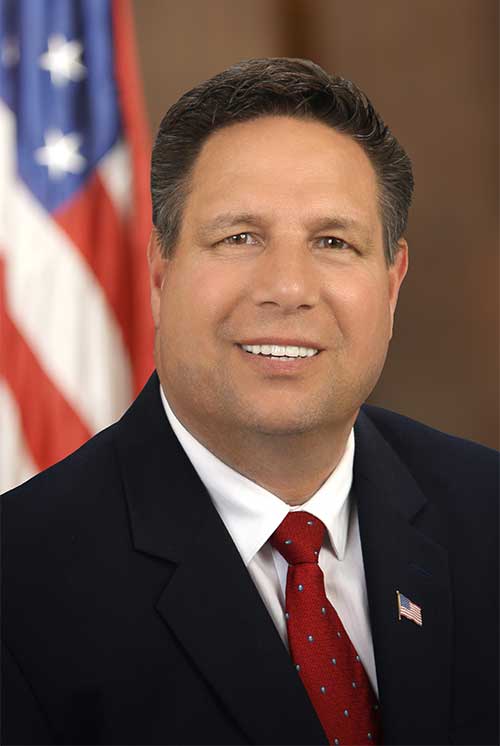
This bill (A 2177) removes the cost of emergency medical services (EMS) from the property tax levy limit that local governments (like cities and towns) must follow. It directly affects municipalities that fund EMS services, allowing them to cover these costs without triggering the tax cap. The key change adds a specific exemption in law, so EMS expenditures no longer count toward the maximum tax levy allowed under current rules. This provides local governments with more budget flexibility for essential emergency response services.
This bill (A 565) prohibits the establishment of new for-profit hospices and bans capacity increases for existing for-profit hospices. It applies to all approvals after the law takes effect, directly affecting for-profit hospice providers and their expansion plans. The law requires new hospice facilities to operate as non-profits and prevents existing for-profit hospices from growing their services. This represents a concrete change in healthcare regulation, restricting for-profit models in hospice care.
Requires public notice and public engagement when a general hospital seeks to close entirely or a unit that provides maternity, mental health or substance use care.
Relates to including outpatient care provided by creative arts therapists in certain insurance policies covering care for other mental health services.
Enacts the "Lieutenant Joseph Banish mental health act" which establishes a law enforcement peer support program to provide confidentiality for communications arising out of law enforcement peer support counseling; defines terms; provides exceptions for when a peer support communication may be disclosed.
This bill ensures that cost-sharing requirements (like copays) for specific high-deductible health plans paired with health savings accounts (HSAs) do not make enrollees ineligible for HSAs. It requires that out-of-pocket costs only apply after a person meets the plan's deductible, except for preventive care services (e.g., vaccinations, screenings), which remain fully covered regardless of deductible status. The law directly affects individuals enrolled in HSA-qualified health plans and their insurers, clarifying when cost-sharing rules apply. It amends New York's insurance law to align with federal HSA eligibility rules under Section 223 of the Internal Revenue Code.
S 123 bans the sale of infant walkers by all sellers (manufacturers, distributors, retailers, and secondhand dealers) in New York State. It also restricts the use of infant walkers in child care facilities, requiring medical necessity approval from a professional for any exception. Child care facilities must receive plain-language notice about the ban and follow rules set by the Office of Children and Family Services. The law allows the attorney general to enforce the ban through injunctions and impose civil penalties for violations.
Requires general hospitals to provide language assistance services; requires general hospitals to develop a language assistance program to ensure meaningful access to the general hospital's services and reasonable accommodation for all patients who require language assistance.
This bill amends New York's public health law to explicitly include digital health care platforms (e.g., app-based services connecting workers with facilities) in the legal definition of "temporary health care services agency." It directly affects digital health staffing platforms and health care facilities that use them, requiring these platforms to verify workers' licenses and training before assignments. Key provisions mandate submitting contracts with health facilities to the state within five business days and documenting staff qualifications. The law ensures digital platforms face the same regulatory standards as traditional staffing agencies.
This bill allows criminal cases in counties outside cities with over one million residents to be transferred to specialized mental health courts in neighboring counties. It requires the defendant's motion, consent from both district attorneys, and excludes family violence cases where the accused and victim are family members. The transfer cannot take effect for five days unless the receiving court agrees to accept the case earlier. This creates a formal process for connecting defendants with treatment-focused courts in adjacent jurisdictions.