Issue · Environment

Environment (Recycling)

Every environment bill, vote, and legislator stance in New York, automatically classified by Maddy, our AI policy reader.

Total bills
148
2025 Regular Session
Top supporter
Michelle Hinchey
100% support rate
Top opponent
Dan Stec
0% support rate
Ranked legislators
10
5 support · 5 oppose
Key legislators

Who's moving recycling in New York

Legislators moving recycling in New York
Legislator Party Stance Support rate Votes
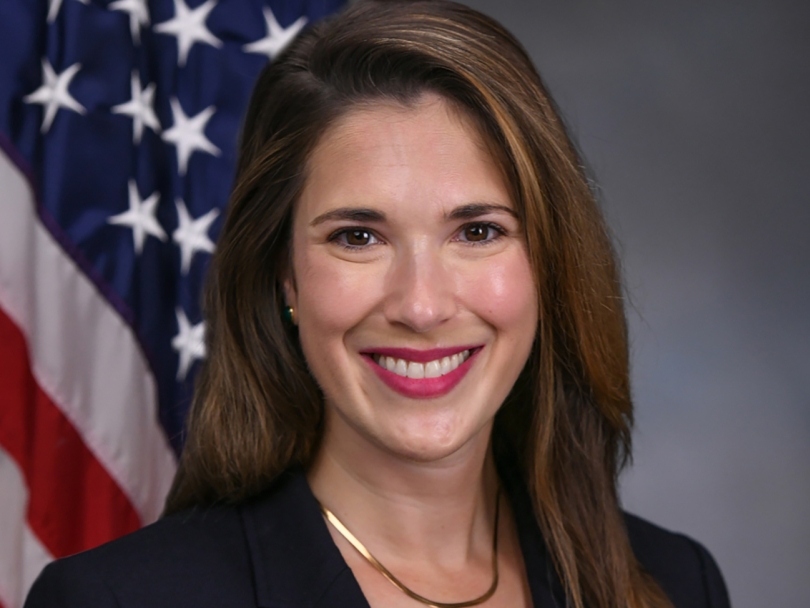
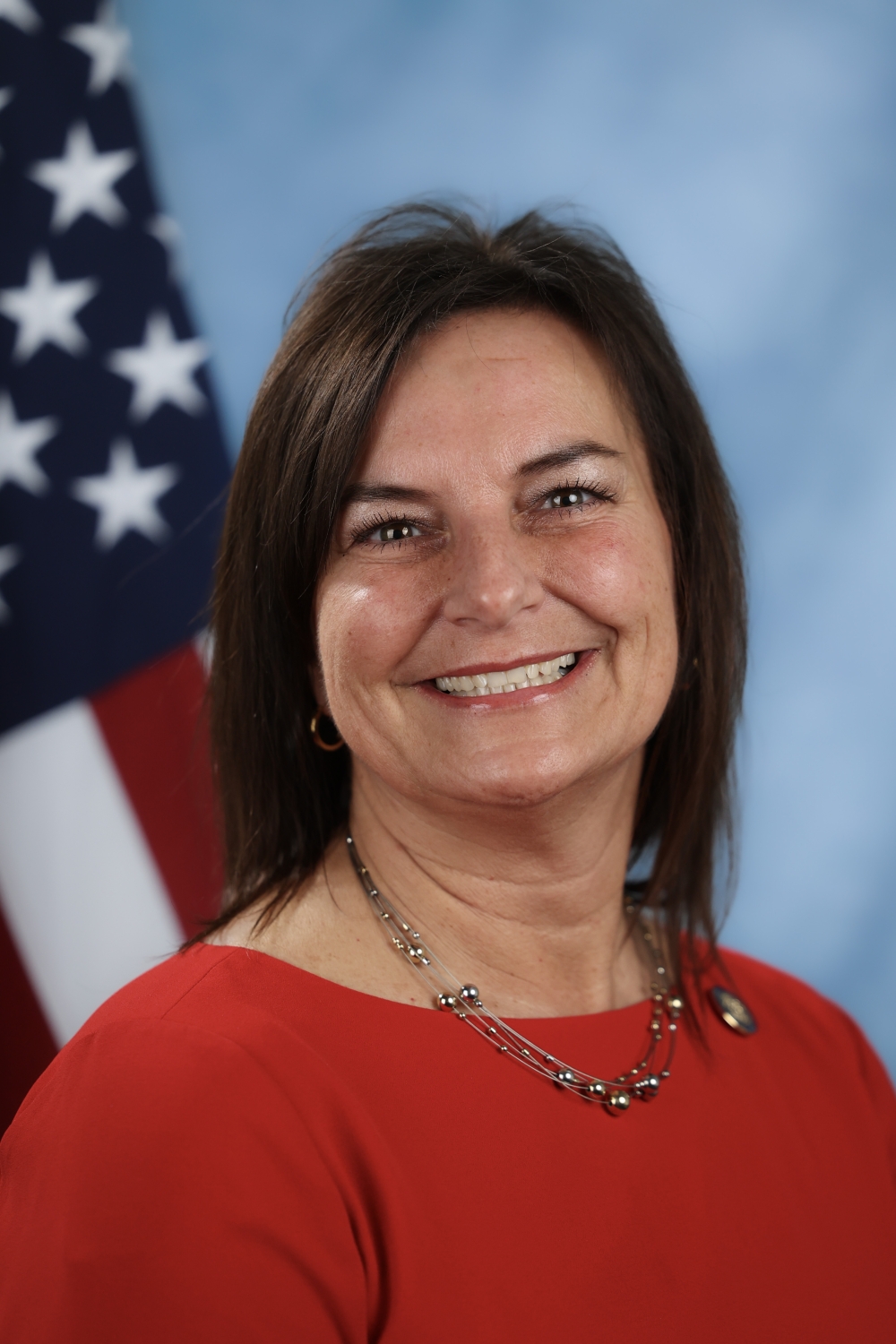
Michelle Hinchey
Michelle Hinchey Senate · District 41
D
Strong +
100% 32
Rachel May
Rachel May Senate · District 48
D
Strong +
100% 29
Brian Kavanagh
Brian Kavanagh Senate · District 27
D
Strong +
100% 28
Pete Harckham
Pete Harckham Senate · District 40
D
Strong +
100% 24
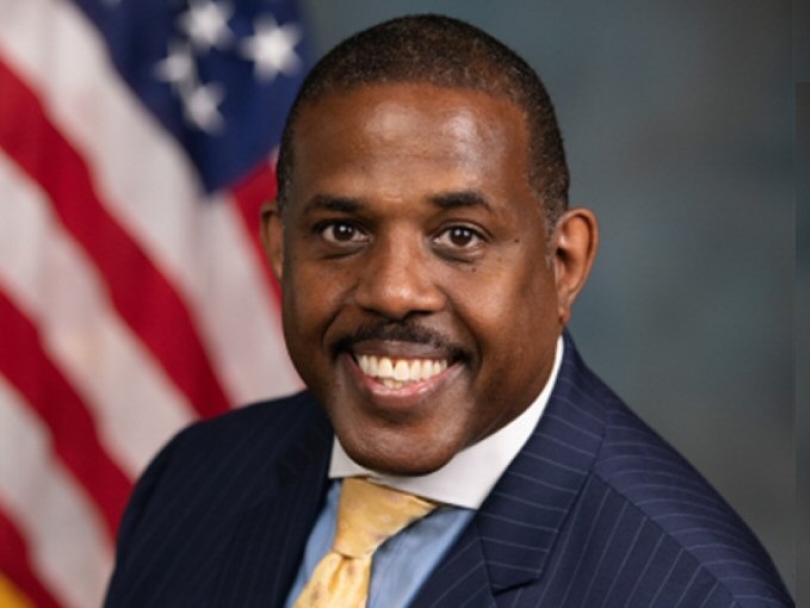
Kevin Parker
Kevin Parker Senate · District 21
D
Strong +
100% 23
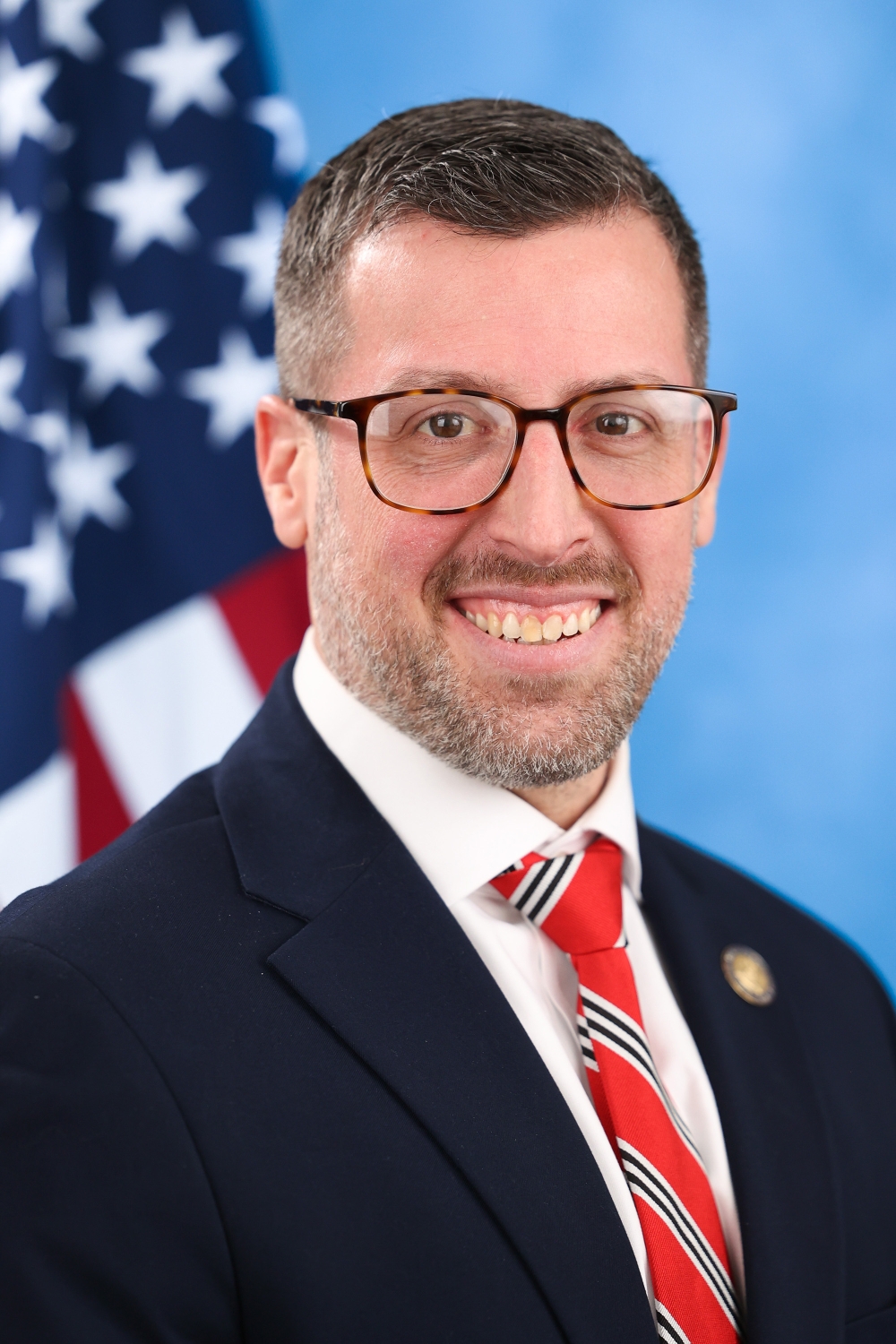
Dan Stec
Dan Stec Senate · District 45
R
Strong −
0% 26
Mark Walczyk
Mark Walczyk Senate · District 49
R
Strong −
0% 19
Rob Ortt
Rob Ortt Senate · District 62
R
Strong −
0% 15
Andrea Bailey
Andrea Bailey House · District 133
R
Strong −
0% 4
Andrew Molitor
Andrew Molitor House · District 150
R
Strong −
0% 4
Showing 111–120 of 148 bills

All environment bills

in committee · New York · Senate Jan 7, 2026

S 5750: Relates to the packaging of cannabis and hemp products

Relates to the packaging of cannabis and industrial hemp products; requires the cannabis control board to develop strategic plans detailing the packaging and labeling requirements to be used prior to the retail sale of any cannabis or cannabis product; establishes a sustainable cannabis packaging incubator program.
Sub-Topics Recycling
in committee · New York · Senate Mar 12, 2026

S 5605: Enacts the "washing machine microfiber filtration act"

This bill requires all new washing machines sold in the state after January 1, 2030, to include a microfiber filtration system that captures at least 90% of fibers 100 micrometers or larger. It directly affects manufacturers (who must provide compliance certificates) and retailers (who must display a consumer label explaining the filtration system). The key provisions include mandatory filtration standards, visible consumer labeling with maintenance instructions, and a transition period allowing unsold inventory purchased before December 31, 2029, to be sold. The law aims to reduce microfiber pollution from laundry without specifying environmental outcomes.
Sub-Topics Recycling
in committee · New York · Senate Jan 7, 2026

S 6907: Clarifies certain provisions related to prohibiting plastic carryout bags

This bill clarifies New York State's rules for plastic carryout bags by defining key terms like "compostable" (must meet ASTM D6400 standards) and "reusable" (must hold 22 pounds for 125 uses). It requires large stores (over 10,000 sq ft or part of qualifying chains) to provide visible recycling bins for plastic bags, maintain records of bag recycling, and sell reusable bags. Compostable bags must display "COMPOSTABLE BAG -- DO NOT PLACE IN RECYCLING" to prevent contamination. The law directly affects large retailers, their suppliers, and customers who receive bags at checkout.
Sub-Topics Recycling
in committee · New York · Assembly Jan 7, 2026

A 6671: Relates to false claims about recyclability and plastic container labeling

Provides that it is deceptive to misrepresent that a product or package is recyclable unless it can be collected, separated or otherwise recovered from the waste stream through an established recycling program for reuse or use in manufacturing or assembling another item; requires the department of environmental conservation to develop regulations on types and forms of plastic products and packaging for which a claim of recyclability may be made; requires all rigid plastic containers sold in this state be labeled with a code that indicates the resin used to produce such container; makes related provisions.
Sub-Topics Conservation Recycling
in committee · New York · Senate Jun 5, 2026

S 6393: Expands recycling of electronic products

S 6393 requires electronics manufacturers in New York to expand their e-waste recycling programs by establishing convenient collection methods. It mandates that manufacturers ensure 90% of residents have a collection site within 15 miles, with specific site requirements based on county population (e.g., three permanent sites in counties over 65,000 people). Manufacturers must also provide public education via websites, toll-free numbers, and product manuals - including data destruction instructions for devices with memory - and cover all costs for collection, transportation, and recycling. This directly affects electronics manufacturers, who must implement these programs at no cost to consumers or municipalities.
Sub-Topics Recycling
passed · New York · Assembly Jun 10, 2025

A 8160: Directs state agencies to adopt a waste diversion plan

This bill requires all New York state agencies (including departments, public authorities, SUNY, and CUNY) to create and implement waste reduction plans. Agencies must decrease landfill waste by 10% every five years, starting from 2018-2019 baseline levels, aiming for a 75% overall reduction by 2034. Plans must detail strategies for reducing single-use plastics, diverting organics and recyclables, conducting waste audits, and transitioning to dual-stream recycling where feasible. The GreenNY Council will oversee implementation, review progress, and require updated plans every five years. All plans must be publicly posted on the environmental department's website.
in committee · New York · Senate Jan 7, 2026

S 2159: Relates to prohibiting illegal dumping on public property

S 2159 prohibits dumping trash, garbage, or offensive matter on public property like streets, parks, or waterways. It imposes fines of $500 for a first offense (increasing to $1,000 for repeat offenses) plus costs for clean-up. The bill also creates a reward system where witnesses providing evidence - such as photos of license plates or videos - can receive a reward from the commissioner if their evidence leads to a fine. This directly affects anyone who illegally dumps waste on public spaces and encourages public reporting to enforce the rule.
in committee · New York · Senate Jan 7, 2026

S 1346: Enacts the New York photovoltaic module stewardship and take-back program act

Relates to enacting the "New York photovoltaic module stewardship and take-back program act"; provides that the department of environmental conservation shall develop guidance for a photovoltaic module stewardship and take-back program to guide manufacturers in preparing and implementing a self-directed program to ensure the convenient, safe, and environmentally sound take-back and recycling of photovoltaic modules and their components and materials; establishes the photovoltaic module recycling account for the purpose of paying all costs of the department of environmental conservation for management and administration of the New York photovoltaic module stewardship and take-back program.
in committee · New York · Senate Jan 7, 2026

S 4651: Establishes an economy-wide cap and invest program to support greenhouse gas emissions reductions in the state by setting a maximum allowable amount of emissions and regulating the sale or auction of allowances

Establishes an economy-wide cap and invest program to support greenhouse gas emissions reductions in the state by setting a maximum allowable amount of greenhouse gas emissions by covered entities and regulating the sale or auction of greenhouse gas emissions allowances to covered entities.
in committee · New York · Assembly Jan 7, 2026

A 1324: Establishes a product stewardship program for primary batteries

This bill establishes a product stewardship program requiring producers of primary batteries (non-rechargeable batteries ≤2kg, like alkaline or button batteries) to cover collection and recycling. Producers must register with a stewardship plan by April 2026, pay administrative fees, and implement free consumer collection systems at retailers and designated drop-off locations (with minimum facility requirements per county population). Retailers must accept up to 20 batteries per visit from consumers, and producers must meet annual collection rates based on prior sales. The program excludes industrial, business-to-business, and FDA-regulated medical batteries. It takes effect January 2027, with enforcement by the Department of Environmental Conservation.
Sub-Topics Conservation Recycling
Showing 111 to 120 of 148 bills
Previous 1 11 12 13 15 Next