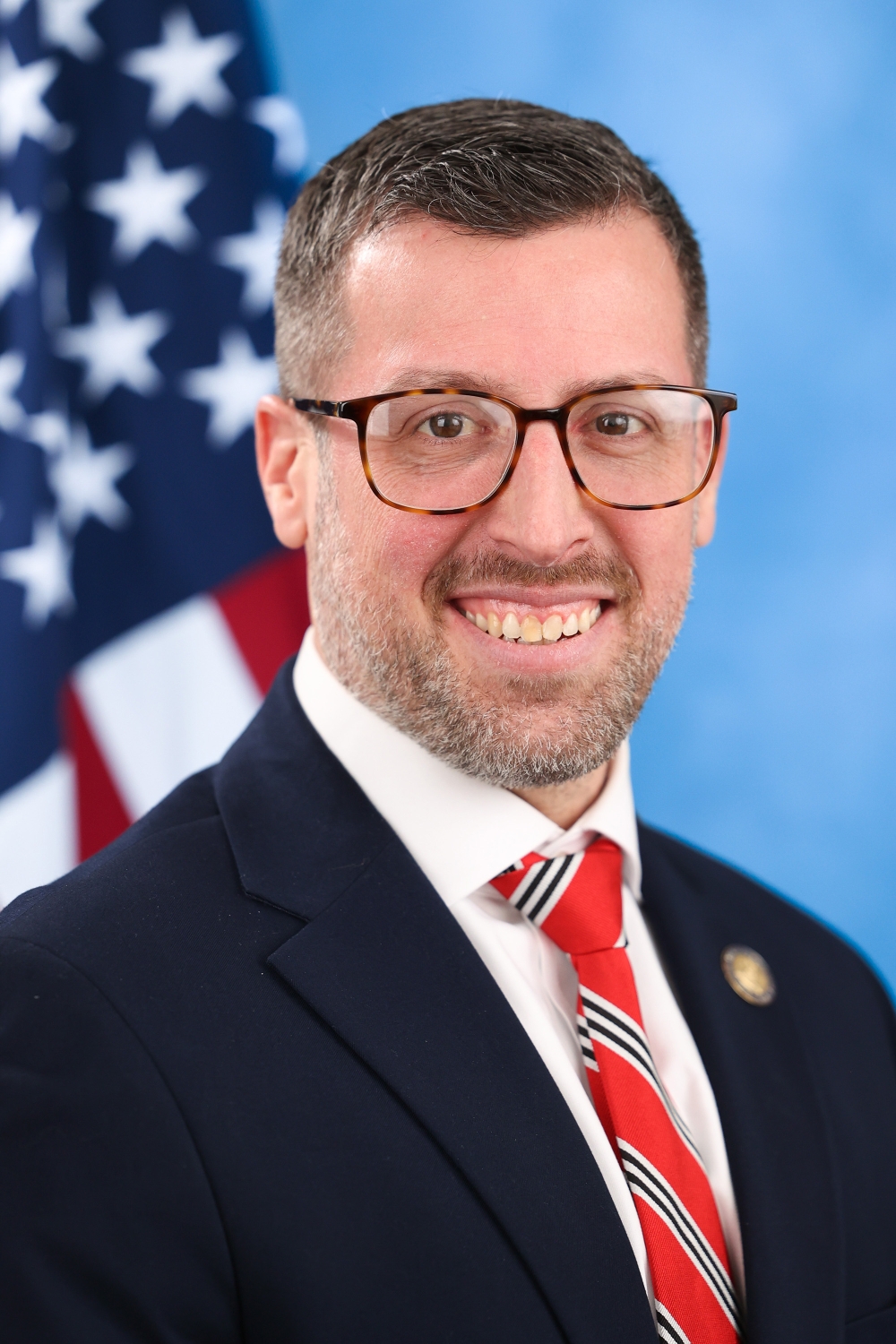
Bill S 4030 directs the Department of Environmental Conservation to establish ambient air quality standards for specific toxic air contaminants, such as benzene and mercury, by December 31, 2027. These standards must be based on scientific data regarding potential adverse human health effects. The bill requires that starting in 2028, these toxic air contaminants be incorporated into permits for "major sources" - large stationary air contamination sources. Additionally, the department must establish regulations by December 31, 2027, for fenceline monitoring by major sources, especially considering their proximity to disadvantaged communities.
Directs the department of environmental conservation to conduct a study of ecological restoration needs of Jamaica Bay; imposes a five-year moratorium on placing sediment or fill in the borrow pits in Jamaica Bay.
Allows industrial development agencies to make grants to municipalities for open space preservation, parkland improvements and conservation easements where the municipal governing body finds that the grant encourages tourism or otherwise improves quality of life.
This bill requires owners of commercial vessels 500 feet or longer operating in New York's marine and coastal district to create and submit whale strike prevention policies by July 1, 2027. The policies must include science-based measures like speed reductions, crew training, and vessel-specific considerations to minimize collisions with whales. Vessel owners must submit these policies at least 48 hours before entering the district (no more than annually), and failure to comply results in fines of $1,000-$15,000 per day. The law aligns with federal guidelines but does not override existing vessel speed restrictions.
Prohibits the sale and distribution of anti-fogging sprays or wipes containing perfluoroalkyl and polyfluoroalkyl substances; provides penalties for violations.
Relates to the proper collection and disposal of mercury thermostats; establishes a fund for the stewardship of mercury thermostats; extends the effectiveness of the mercury thermostat collection act.
Authorizes the New York state energy research and development authority to administer a program to provide grants or loans for the costs related to enabling switching residences with propane or fuel-oil heating systems to efficient electric heat pumps.
Enacts the "just energy transition act"; requires a study of competitive options to facilitate the phase-out, replacement and redevelopment of New York state's oldest and most-polluting fossil fueled generation facilities and their sites by the year 2030.
This bill requires public water systems serving specific residential areas (like those with 15+ year-round residents or 25+ regular users) to identify lead service lines. It directly affects these water systems and property owners/tenants in those areas. Key provisions include: water systems must inspect properties for lead lines after obtaining consent, with non-owner occupants allowed to consent if owners don't respond within 30 days; inspections must occur within 60 days of consent. The bill focuses solely on identifying lead pipes - not replacing them - and clarifies that non-owner occupants aren't liable for consenting to inspections.
S 1833 creates New York's "harmful algal bloom monitoring and prevention act," establishing a state program to address toxic algae outbreaks in waterways. It requires state agencies to collect, consolidate, and analyze statewide data on harmful algal blooms (HABs), including water conditions and prevention efforts, and maintain a public database. The law mandates annual publication of region-specific best practices for HAB prevention and a comprehensive five-year report with public input, recommending coordinated state and local actions. This directly affects state environmental agencies and local municipalities managing water resources, focusing on data-driven prevention rather than new regulations.