Issue · Criminal Justice

Criminal Justice (Civil Rights)

Every criminal justice bill, vote, and legislator stance in New York, automatically classified by Maddy, our AI policy reader.

Total bills
10
2025 Regular Session
Top supporter
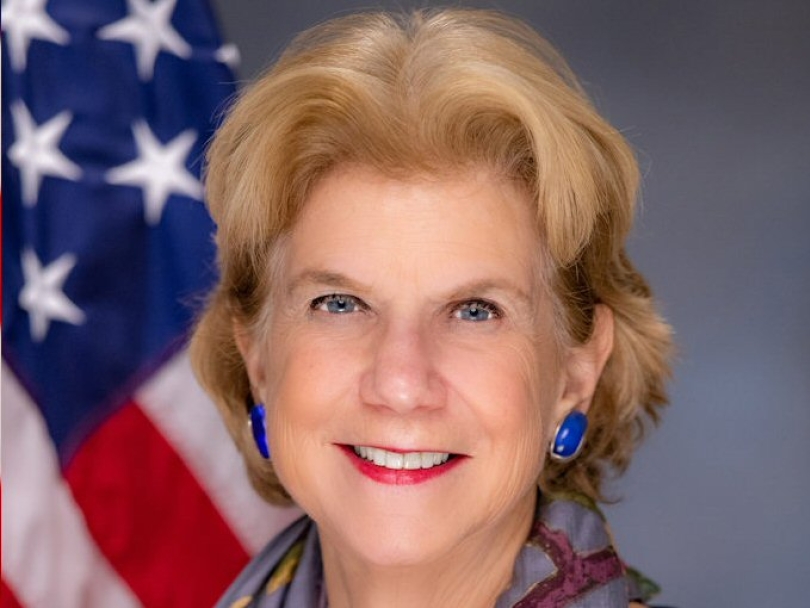
Shelley Mayer
100% support rate
Top opponent
Tom O'Mara
0% support rate
Ranked legislators
10
5 support · 5 oppose
Key legislators

Who's moving civil rights in New York

Legislators moving civil rights in New York
Legislator Party Stance Support rate Decisive votes
Shelley Mayer
Shelley Mayer Senate · District 37
D
Strong +
100% 8
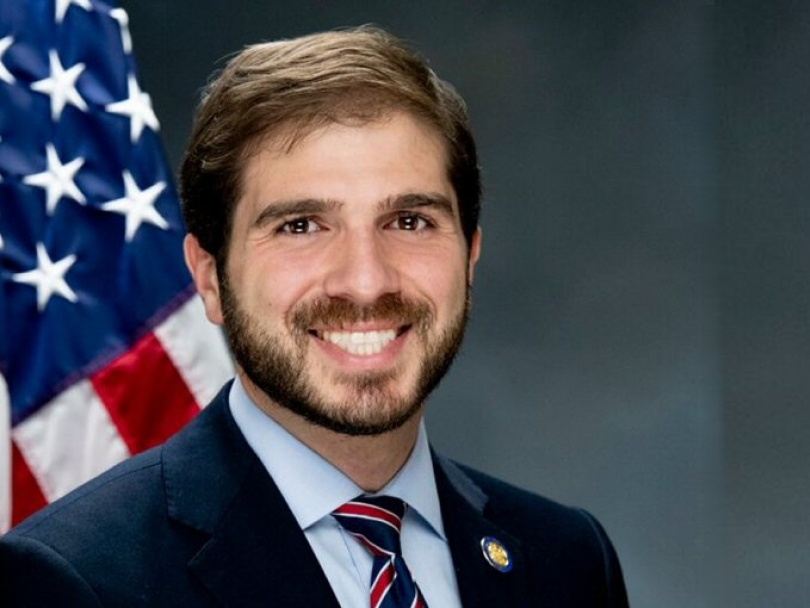
Andrew Gounardes
Andrew Gounardes Senate · District 26
D
Strong +
100% 7
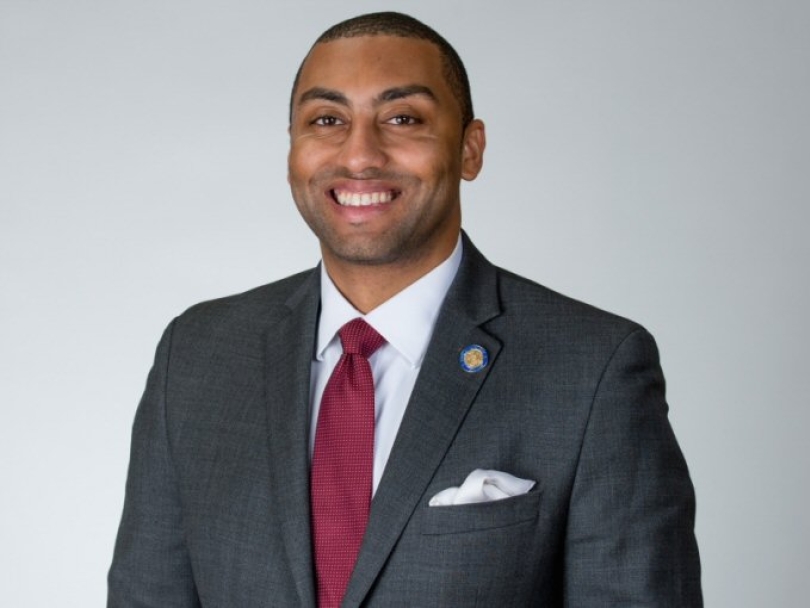
Jamaal Bailey
Jamaal Bailey Senate · District 36
D
Strong +
100% 7
James Skoufis
James Skoufis Senate · District 42
D
Strong +
100% 7
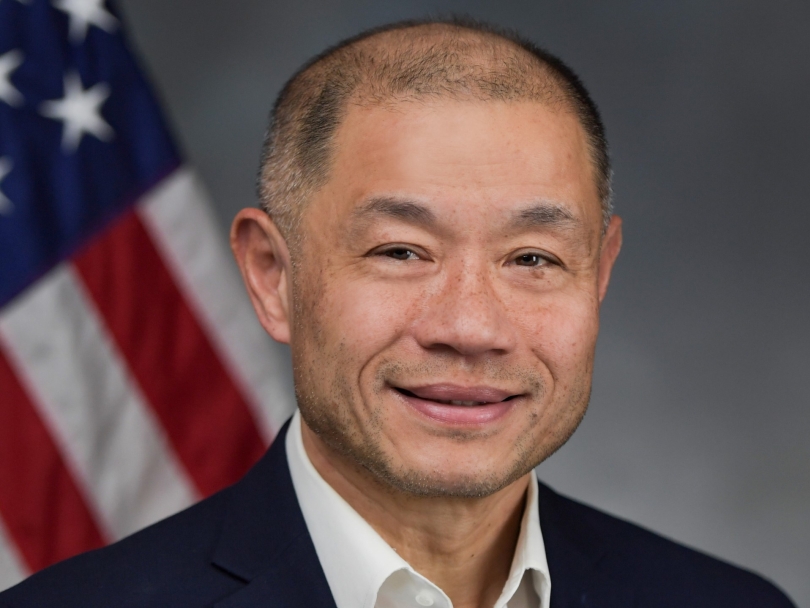
John Liu
John Liu Senate · District 16
D
Strong +
100% 7
Tom O'Mara
Tom O'Mara Senate · District 58
R
Strong −
0% 8
Dan Stec
Dan Stec Senate · District 45
R
Strong −
0% 6
Steve Rhoads
Steve Rhoads Senate · District 5
R
Strong −
0% 6
George Borrello
George Borrello Senate · District 57
R
Strong −
0% 5
Alexis Weik
Alexis Weik Senate · District 8
R
Strong −
0% 4
Showing 10 of 10 bills

All criminal justice bills

failed · New York · Assembly May 5, 2026

A 10124: Prohibits youthful offender status for persons who commit a hate crime

This bill (A 10124) changes New York's criminal law by removing hate crimes from the list of offenses that allow a young person to receive a "youthful offender" finding instead of a formal conviction. Specifically, it amends the criminal procedure law to explicitly exclude "hate crime" (as defined in Penal Law § 485.05) from the types of offenses eligible for youthful offender status. This means individuals convicted of hate crimes will no longer qualify for this status, resulting in a formal adult conviction record. The change directly affects young people (typically under 18) who commit hate crimes, requiring them to face adult sentencing procedures rather than the rehabilitative options available under youthful offender status. The law takes effect immediately upon enactment.
in committee · New York · Senate Jan 7, 2026

S 25: Relates to barring a person convicted of a hate crime from attending any state public school of higher education

Bars a person who is convicted of a hate crime from attending any SUNY or CUNY institution; provides for the expulsion of a student who is convicted of hate crimes; provides for reinstatement of such student if the conviction is subsequently overturned.
Sub-Topics Civil Rights
in committee · New York · Senate Jan 7, 2026

S 6547: Relates to the use of a vehicle as a weapon

Relates to the "Heather D. Heyer act" which increases penalties where a vehicle is used as a weapon in a hate crime and makes it illegal to travel upon a roadway in a vehicle within 1000 feet of a protest.
Sub-Topics Civil Rights
in committee · New York · Assembly Jan 7, 2026

A 5792: Relates to the monetary penalties for the crime of aggravated harassment or for discrimination

Increases the monetary penalties for the crimes of aggravated harassment in the first or second degrees or for discrimination; provides that such penalty shall be not less than five hundred dollars nor more than twenty-five hundred dollars for the first violation and not less than twenty-five hundred dollars nor more than twelve thousand five hundred dollars for each subsequent violation.
in committee · New York · Senate Jan 7, 2026

S 1566: Prohibits sex offenders who are on parole and in civil confinement from voting in certain elections

This bill prohibits individuals convicted of certain sex offenses (under Penal Law Article 130) from voting if they are both on parole/conditional release and in civil commitment at a hospital or institution. It directly affects people meeting both conditions during their period of civil confinement. The law amends voting rights provisions in the Executive Law and Election Law to bar voting in all elections held while the person remains confined. The restriction applies only during the time of civil confinement, not for the entire parole period. The bill takes effect 30 days after enactment.
in committee · New York · Assembly Jan 7, 2026

A 2159: Increases the classification of misdemeanor hate crime offenses to a felony

Increases the sentencing classification of misdemeanor hate crime offenses or of an attempt or conspiracy to commit a specified offense that is a misdemeanor to a class E felony.
in committee · New York · Senate Jan 7, 2026

S 6932: Relates to hate crimes and bail eligibility

This bill modifies New York's bail eligibility rules for defendants charged with hate crimes. It adds "a hate crime as defined in article 485 of the Penal Law" to the list of offenses where defendants may not be released on their own recognizance or under non-monetary conditions. Prosecutors must now show reasonable cause that the defendant committed both the hate crime and any underlying offense. The change applies to cases where the alleged hate crime occurred while the defendant was already released on bail or awaiting arraignment for another qualifying offense. This policy directly affects individuals charged with hate crimes under New York law during bail hearings.
Sub-Topics Civil Rights
in committee · New York · Senate Jan 7, 2026

S 283: Designates offenses against law enforcement officers as hate crimes and makes graffiti a hate crime

This bill (S 283) reclassifies attacks against law enforcement officers and graffiti as hate crimes under New York law. It expands the definition of hate crimes to include offenses committed "because of actual or perceived employment as a law enforcement officer" and adds "making graffiti" (specifically under penal law section 145.60) to the list of acts considered hate crimes. This change means that when someone commits assault or vandalism targeting officers or creates graffiti, prosecutors can pursue enhanced penalties under hate crime statutes. The law directly affects individuals committing these acts and changes how such offenses are legally categorized, without altering existing penalties for the underlying crimes.
in committee · New York · Senate Jan 7, 2026

S 4645: Requires unanimous agreement by the parole board to release incarcerated individuals on parole

S 4645 requires New York's parole board to unanimously agree before releasing an incarcerated person on parole, replacing previous majority-vote rules. If denied, the board must provide a detailed, written explanation of the denial within two weeks and set a reconsideration date within 24 months. Upon release, individuals receive parole conditions including restitution collection details and a notice that voting rights will be restored. This bill directly affects incarcerated people seeking parole and alters the board's decision-making process under New York's executive law.
in committee · New York · Senate Jan 7, 2026

S 534: Establishes the crime of aggravated disorderly conduct

S 534 creates a new class A misdemeanor offense called "aggravated disorderly conduct" for individuals who obstruct traffic or block building entrances during unpermitted protests, demonstrations, or assemblies with intent to cause public alarm or recklessly create such risk. This law specifically designates aggravated disorderly conduct as a "specified offense" for hate crime prosecutions, meaning it could be treated as a hate crime if motivated by bias. The bill directly affects protest participants engaging in these specific types of obstruction without legal authorization.
Sub-Topics Civil Rights