Issue · Criminal Justice

Criminal Justice (Domestic Violence)

Every criminal justice bill, vote, and legislator stance in New York, automatically classified by Maddy, our AI policy reader.

Total bills
99
2025 Regular Session
Top supporter
Gustavo Rivera
100% support rate
Top opponent
George Borrello
0% support rate
Ranked legislators
10
5 support · 5 oppose
Key legislators

Who's moving domestic violence in New York

Legislators moving domestic violence in New York
Legislator Party Stance Support rate Decisive votes
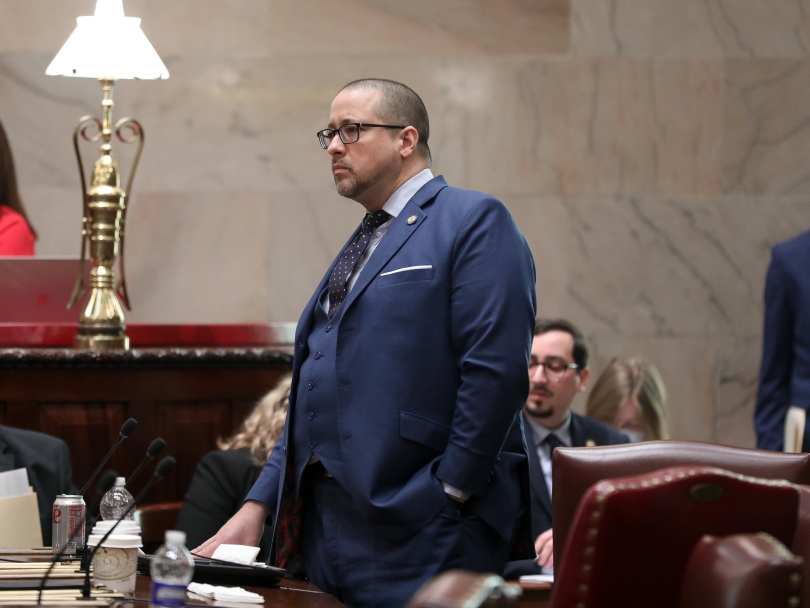
Gustavo Rivera
Gustavo Rivera Senate · District 33
D
Strong +
100% 10
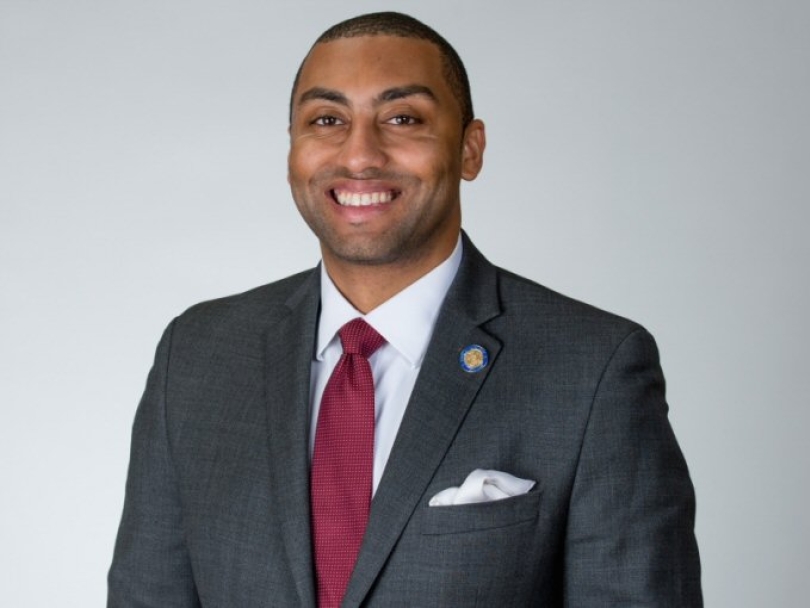
Jamaal Bailey
Jamaal Bailey Senate · District 36
D
Strong +
100% 10
Julia Salazar
Julia Salazar Senate · District 18
D
Strong +
100% 10
Luis Sepúlveda
Luis Sepúlveda Senate · District 32
D
Strong +
100% 10
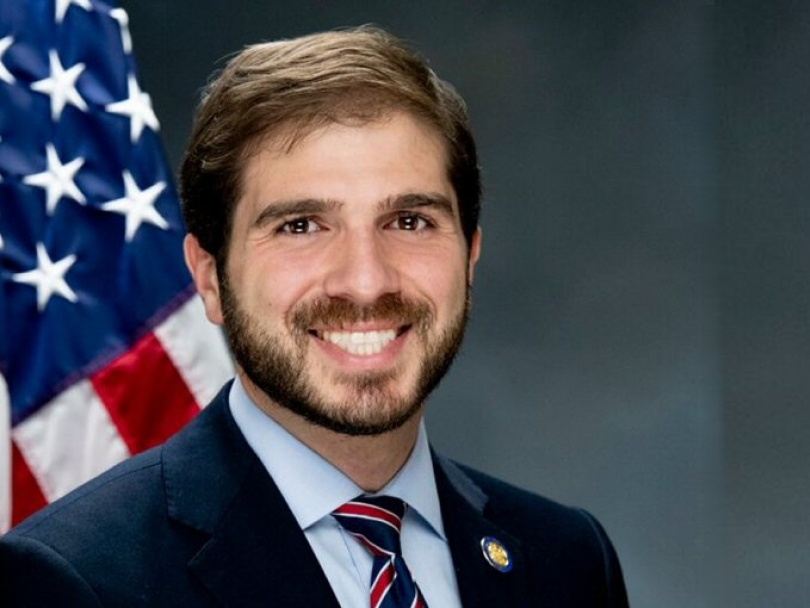
Andrew Gounardes
Andrew Gounardes Senate · District 26
D
Strong +
100% 9
George Borrello
George Borrello Senate · District 57
R
Strong −
0% 9
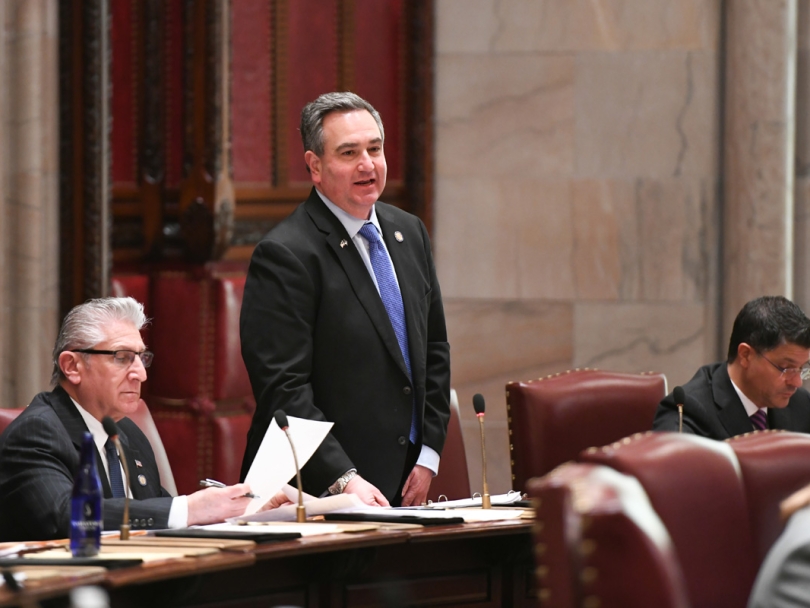
Joe Griffo
Joe Griffo Senate · District 53
R
Strong −
0% 9
Pam Helming
Pam Helming Senate · District 54
R
Strong −
0% 9
Patrick Gallivan
Patrick Gallivan Senate · District 60
R
Strong −
0% 9
Tom O'Mara
Tom O'Mara Senate · District 58
R
Strong −
0% 9
Showing 81–90 of 99 bills

All criminal justice bills

in committee · New York · Senate Jan 7, 2026

S 4079: Establishes the crime of coercive control

Relates to establishing the crime of coercive control; provides that a person is guilty of coercive control when such person engages in a course of conduct against a member of such person's same family or household, without the victim's consent, which results in limiting or restricting, in full or in part, the victim's behavior, movement, associations or access to or use of such victim's own finances or financial information; provides that coercive control is a class E felony.
Sub-Topics Domestic Violence
in committee · New York · Assembly Jan 7, 2026

A 4497: Relates to enhancing penalties and protecting victims of crimes of domestic violence

This bill increases penalties for repeat domestic violence offenses by elevating certain crimes to class E felonies when perpetrators have prior convictions for specific offenses (like harassment, assault, or stalking) within the last ten years and are in the same household or family as the victim. It amends New York Penal Law sections to define "same family or household" consistently and specifies qualifying prior crimes, including stalking, strangulation, and harassment offenses. The changes directly affect domestic violence perpetrators with prior convictions and strengthen legal protections for victims by imposing stricter penalties for repeat offenses. The bill does not create new victim services but modifies criminal sentencing structures for domestic violence cases.
failed · New York · Assembly Jan 7, 2026

A 4206: Requires courts to consider whether an individual poses a risk or threat of physical danger to the safety of any person or the community when imposing a securing order

Requires courts to consider whether an individual poses a risk or threat of physical danger to the safety of any person or the community when imposing a securing order; makes stalking in the second and third degree a qualifying offense; makes related provisions.
Sub-Topics Domestic Violence
in committee · New York · Senate Jan 7, 2026

S 3117: Provides that persons arrested for domestic violence forfeit bail when violating an order of protection

This bill requires individuals arrested for domestic violence to forfeit any bail they've posted if they later violate an existing order of protection. It applies specifically to people charged with domestic violence offenses who break court-issued protection orders, including those from New York courts or other states/tribes. The law automatically takes away the bail money without needing a separate court hearing. This directly affects individuals arrested for domestic violence who disregard protection orders, changing the consequence of violating those orders from potential additional penalties to losing their bail.
in committee · New York · Assembly Jan 7, 2026

A 3090: Creates a "purple alert system" for missing victims of domestic violence

This bill creates a statewide "purple alert system" to rapidly notify the public when a domestic violence victim (who has voluntarily opted in) goes missing. It requires law enforcement to report such cases to a designated state coordinator, who then activates the alert through participating media, highway message signs, and other channels. The system mandates strict privacy protections (including HIPAA compliance) and includes specific protocols for verifying cases, issuing alerts, and terminating them once the victim is found or the case resolves. The alert system directly affects participating domestic violence victims, law enforcement agencies, and media entities that volunteer to broadcast the alerts.
in committee · New York · Senate Jan 7, 2026

S 7179: Authorizes use of closed-circuit television for the testimony of domestic violence victim witnesses in a criminal proceeding

Authorizes use of closed-circuit television for the testimony of domestic violence victim witnesses in a criminal proceeding subject to the same restrictions as are applicable to child witnesses.
in committee · New York · Senate Jan 7, 2026

S 7360: Provides for orders of protection for harassment

This bill (S 7360) standardizes the duration of court-issued protective orders for harassment victims after criminal convictions. It requires courts to set specific time limits for these orders based on the offense type: up to 8 years for felony sexual assault convictions, up to 5 years for certain class A misdemeanors, and up to 2 years for other offenses. Courts must also state on record why they issued or denied such orders when a temporary order was previously granted. The bill directly affects defendants convicted of harassment-related crimes and the courts issuing protective orders in those cases.
in committee · New York · Assembly Jan 7, 2026

A 9035: Establishes a task force on victim services reimbursements

This bill creates a 12-member task force to study and improve how New York reimburses victim services providers - specifically nonprofits supporting victims of domestic violence, trafficking, and other harms. The task force will examine current reimbursement rates, funding models, and regulations that make it difficult for these organizations to sustain operations. It must hold public hearings across the state and submit two reports (within 1 year and 2 years) with recommendations to modernize the funding system. The task force’s work will inform future legislative proposals but does not change funding directly.
in committee · New York · Senate Jan 7, 2026

S 4461: Repeals certain provisions of the criminal procedure law, judiciary law and the executive law and makes conforming changes thereto; repealer

This bill (S 4461) changes how police handle arrests and releases for certain offenses. It replaces old rules allowing officers to issue "appearance tickets" instead of making arrests with new criteria, specifying 11 situations where an arrest is required (e.g., hate crimes, family violence, or outstanding warrants). It also creates standardized pre-arraignment bail amounts for release before court - up to $750 for class E felonies, $500 for misdemeanors - and allows credit card payments for traffic cases. These changes directly affect police officers, people charged with crimes, and court procedures in New York. The bill does not alter sentencing or penalties but modifies early-stage law enforcement and court processes.
in committee · New York · Assembly Jan 7, 2026

A 848: Relates to bail and domestic violence charges

This bill requires courts to specifically consider domestic violence charges when setting bail for defendants. It mandates that judges evaluate factors like prior domestic violence arrests, existing orders of protection, and history of violence against family or household members as part of bail decisions. The law directly affects defendants charged with domestic violence crimes and the courts determining their bail conditions. Courts must now document why they believe a defendant poses a flight risk and justify their chosen bail terms, including how domestic violence history influenced the decision. This changes existing bail procedures by making domestic violence a required consideration, not just one factor among many.
Sub-Topics Domestic Violence
Showing 81 to 90 of 99 bills