Issue · Criminal Justice

Criminal Justice (Sentencing)

Every criminal justice bill, vote, and legislator stance in New York, automatically classified by Maddy, our AI policy reader.

Total bills
117
2025 Regular Session
Top supporter
Brian Kavanagh
100% support rate
Top opponent
Dean Murray
0% support rate
Ranked legislators
10
5 support · 5 oppose
Key legislators

Who's moving sentencing in New York

Legislators moving sentencing in New York
Legislator Party Stance Support rate Votes
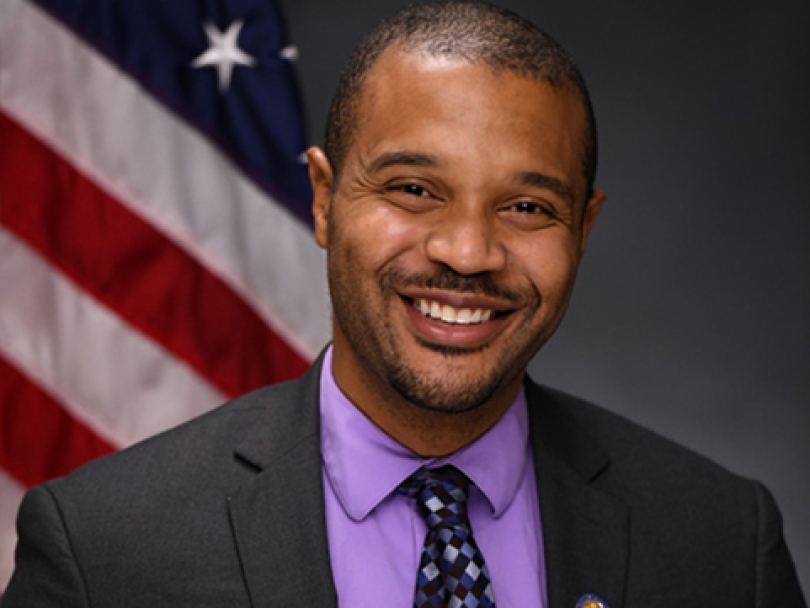
Brian Kavanagh
Brian Kavanagh Senate · District 27
D
Strong +
100% 6
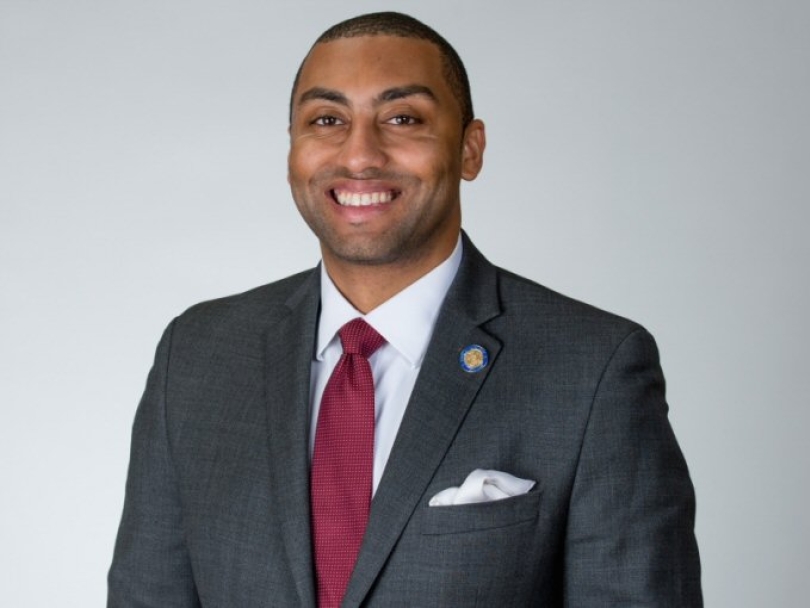
Jabari Brisport
Jabari Brisport Senate · District 25
D
Strong +
100% 6
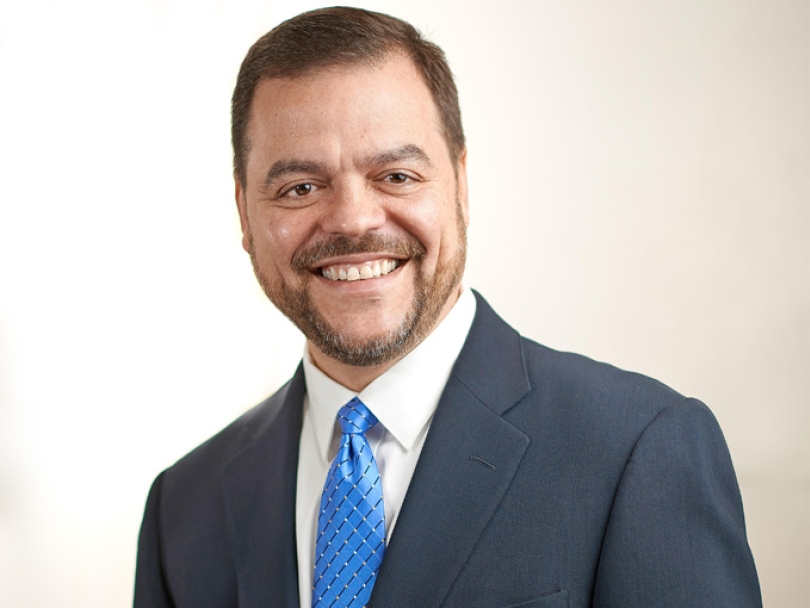
Jamaal Bailey
Jamaal Bailey Senate · District 36
D
Strong +
100% 6
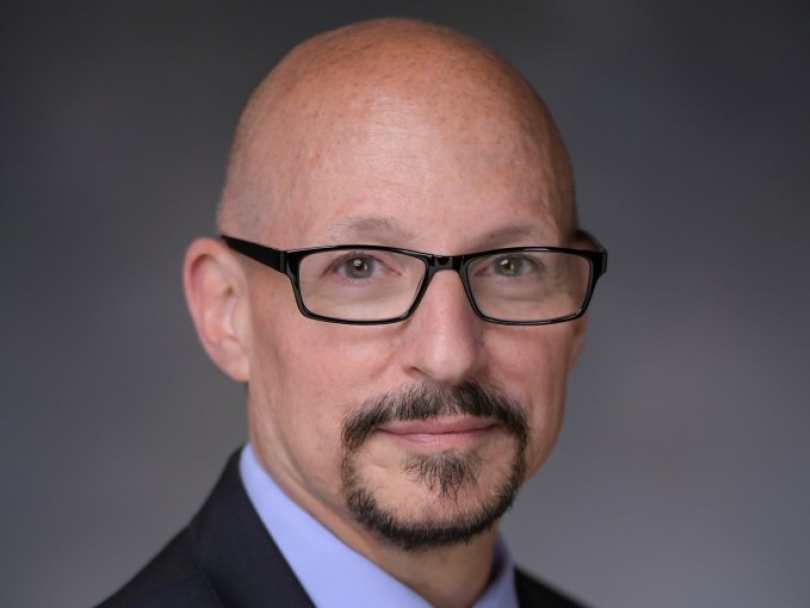
Julia Salazar
Julia Salazar Senate · District 18
D
Strong +
100% 6
Luis Sepúlveda
Luis Sepúlveda Senate · District 32
D
Strong +
100% 6
Dean Murray
Dean Murray Senate · District 3
R
Strong −
0% 6
Tom O'Mara
Tom O'Mara Senate · District 58
R
Strong −
0% 6
Alexis Weik
Alexis Weik Senate · District 8
R
Strong −
0% 3
Anil Beephan
Anil Beephan House · District 105
R
Strong −
0% 3
Ari Brown
Ari Brown House · District 20
R
Strong −
0% 3
Showing 71–80 of 117 bills

All criminal justice bills

in committee · New York · Senate Jan 7, 2026

S 6312: Requires participation in an alcohol and drug rehabilitation program for certain first offenders

This bill requires courts to mandate alcohol and drug rehabilitation programs for first-time offenders convicted of drunk driving (specifically violations of Vehicle and Traffic Law sections 1192 or 1192-a). It directly affects individuals with no prior similar convictions who are sentenced for these offenses. Courts must require attendance at approved rehab programs as part of sentencing, with eligibility excluding those who recently participated in similar programs or have prior violations. Completion of the program can terminate any prison sentence imposed for the offense.
Sub-Topics Corrections Sentencing
in committee · New York · Senate Jan 7, 2026

S 1390: Relates to consecutive sentencing for certain convictions for sex crimes

This bill (S 1390) requires consecutive sentencing for defendants convicted of multiple qualifying sex crimes. It directly affects individuals sentenced for two or more counts of specific sex offenses listed in New York’s penal law, including crimes under Article 263 and sections 130.75, 130.80, 130.95, and 130.96. The law changes sentencing rules by mandating that these sentences run one after another (consecutively), rather than simultaneously (concurrently), for the specified offenses. This applies to both current convictions and prior felony sex crime convictions under these sections.
Sub-Topics Sentencing
failed · New York · Assembly Jan 7, 2026

A 6684: Permits at the discretion of the court certain members of the victim's family to read statements in court during the sentencing of a defendant

Permits at the discretion of the court certain members of the deceased victim's family to read statements in court during the sentencing of a defendant, rather than allowing only a single member of the victim's family to read a statement in court, upon consultation with counsel for the defendant and the people.
in committee · New York · Senate Jan 7, 2026

S 5092: Relates to controlled substances and indeterminate sentences; to the expansion of merit time; repealer

Relates to controlled substances and indeterminate sentences; relates to the expansion of merit time; repeals provisions relating to the allowance of limited credit time for incarcerated individuals.
Sub-Topics Drug Policy Sentencing
in committee · New York · Assembly Jan 7, 2026

A 5165: Provides that sentence for commission of certain provisions of murder in the first degree is death or life without parole

This bill (A 5165) changes sentencing requirements for certain serious crimes in New York. It mandates that defendants convicted of specific types of first-degree murder (as defined in sections 125.27(i)-(iii) of the penal law), aggravated murder, or certain terrorism/chemical weapon offenses must receive either the death penalty or life imprisonment without parole. For other first-degree murder convictions, the court must choose between death, life without parole, or a standard class A-I felony sentence. The bill also specifies that individuals convicted of murder in the second degree under defined circumstances must receive life without parole. These changes apply directly to defendants convicted of the listed offenses in New York State.
in committee · New York · Assembly Jan 7, 2026

A 6401: Requires participation in an alcohol and drug rehabilitation program for certain first offenders

This bill requires courts to order certain first-time offenders convicted of alcohol or drug-related traffic offenses (like DUI) to attend and pay for approved rehabilitation programs as part of their sentence. It applies to individuals with no prior convictions for similar offenses, excluding those who participated in such programs within the past five years. Courts may deny participation for "good cause" (with documented reasons), and participants must complete the program to qualify for sentence termination, potentially ending any jail time imposed. The policy shifts sentencing focus from incarceration to treatment for eligible non-violent, first-time traffic violations involving alcohol or drugs.
failed · New York · Assembly Jan 7, 2026

A 1578: Relates to sentencing of person convicted of murdering a minor

Provides that a person convicted of murder in the first or second degree, or aggravated murder, in the death of a minor shall be sentenced to life imprisonment without parole.
in committee · New York · Assembly Jan 7, 2026

A 720: Relates to conferring youthful offender status upon conviction of an eligible youth for a misdemeanor

This bill changes New York's criminal procedure to automatically grant "youthful offender" status to eligible minors convicted of misdemeanors in local courts, provided they have no prior criminal convictions or youthful offender status. If these conditions are met, the court must classify them as youthful offenders at sentencing, preventing a permanent criminal record and limiting potential prison time to under four years. The law applies immediately to all future misdemeanor convictions meeting these criteria. It directly affects young people aged 16-20 (as defined by law) who commit minor offenses without prior legal history.
in committee · New York · Senate Jan 7, 2026

S 390: Permits at the discretion of the court certain members of the victim's family to read statements in court during the sentencing of a defendant

Permits at the discretion of the court certain members of the deceased victim's family to read statements in court during the sentencing of a defendant, rather than allowing only a single member of the victim's family to read a statement in court, upon consultation with counsel for the defendant and the people.
failed · New York · Assembly Apr 21, 2026

A 4124: Establishes the crime of aggravated grand larceny

This bill (A 4124) creates a new crime called "aggravated grand larceny" for individuals who steal motor vehicles and have a prior conviction for similar theft (grand larceny in the fourth degree) within the past five years. It classifies this offense as a class D felony, punishable by up to seven years in prison. The bill directly affects repeat offenders who commit vehicle thefts, making their second such offense a more serious felony. The law updates legal definitions in the penal and criminal procedure codes to include this new category for sentencing and bail considerations.
Sub-Topics Sentencing
Showing 71 to 80 of 117 bills
Previous 1 7 8 9 12 Next