Issue · Criminal Justice

Criminal Justice (Drug Policy)

Every criminal justice bill, vote, and legislator stance in New York, automatically classified by Maddy, our AI policy reader.

Total bills
89
2025 Regular Session
Top supporter
James Sanders
90% support rate
Top opponent
Steve Rhoads
0% support rate
Ranked legislators
10
5 support · 5 oppose
Key legislators

Who's moving drug policy in New York

Legislators moving drug policy in New York
Legislator Party Stance Support rate Decisive votes
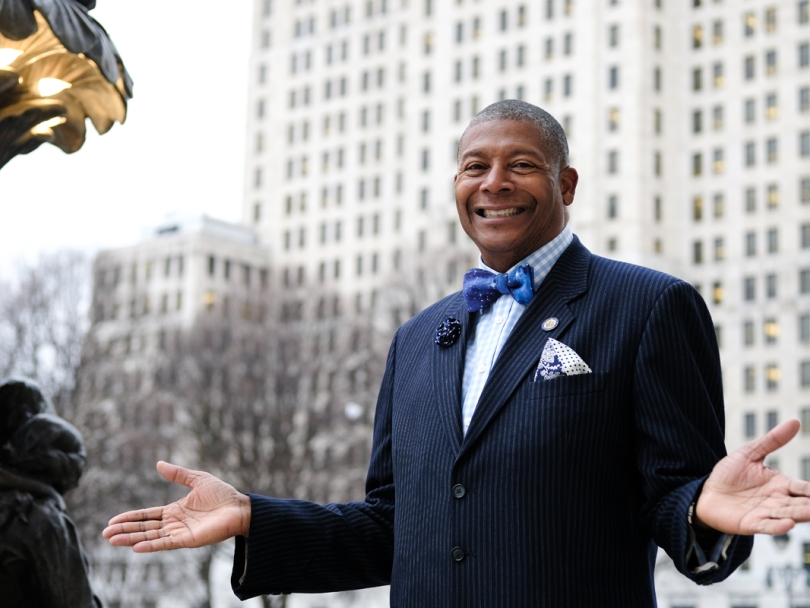
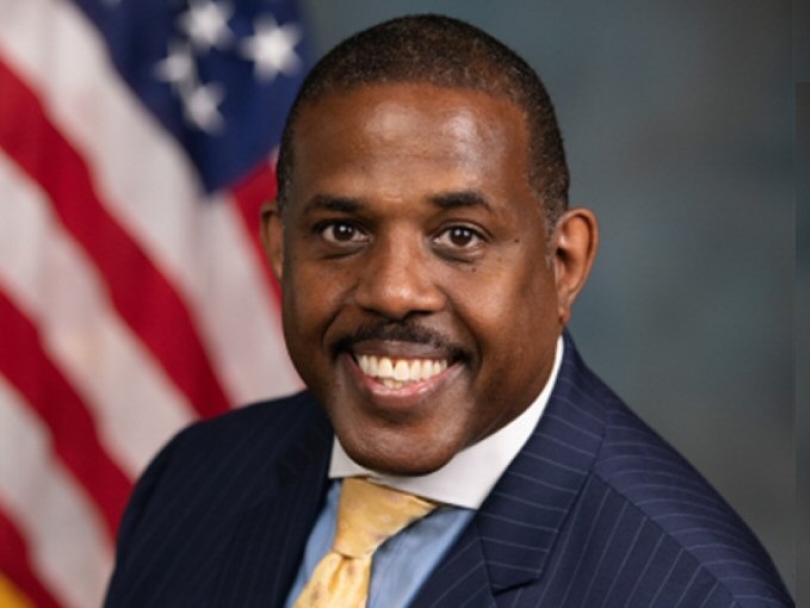
James Sanders
James Sanders Senate · District 10
D
Strong +
90% 10
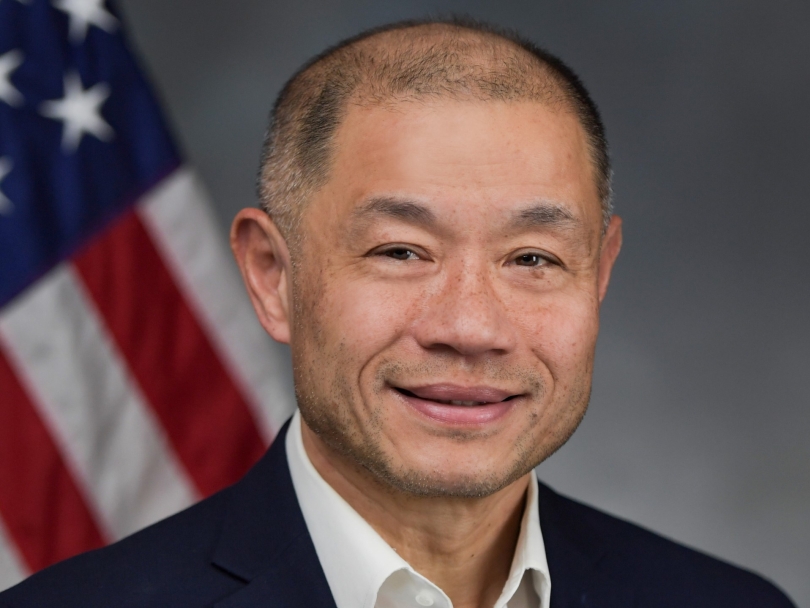
John Liu
John Liu Senate · District 16
D
Strong +
88% 16
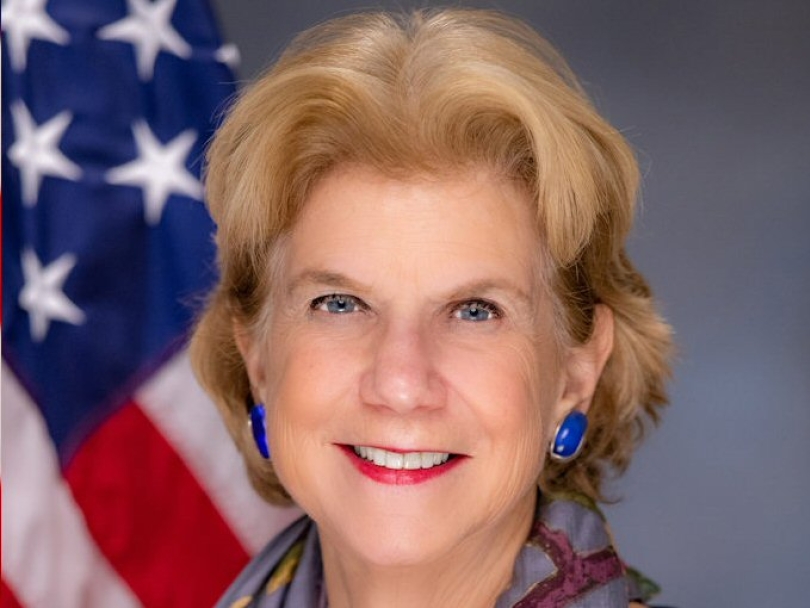
Shelley Mayer
Shelley Mayer Senate · District 37
D
Strong +
88% 16
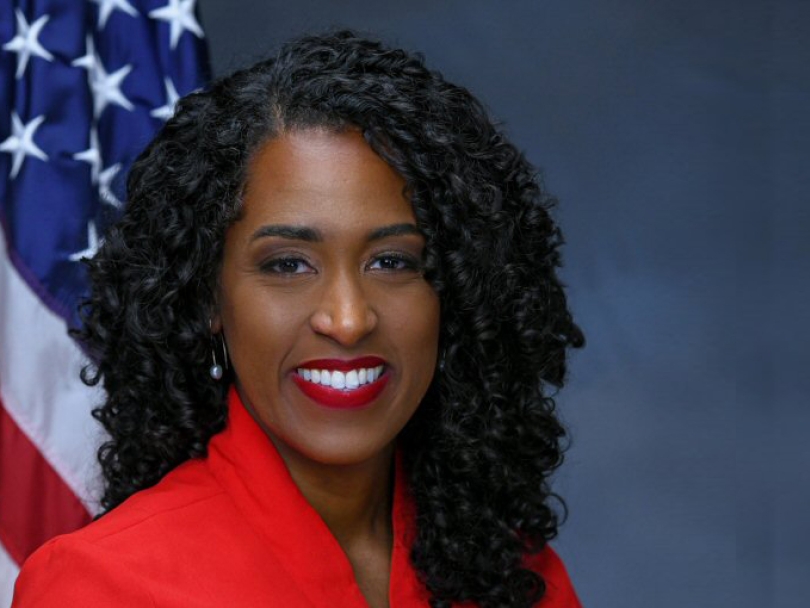
Samra Brouk
Samra Brouk Senate · District 55
D
Strong +
88% 8
Kevin Parker
Kevin Parker Senate · District 21
D
Strong +
87% 15
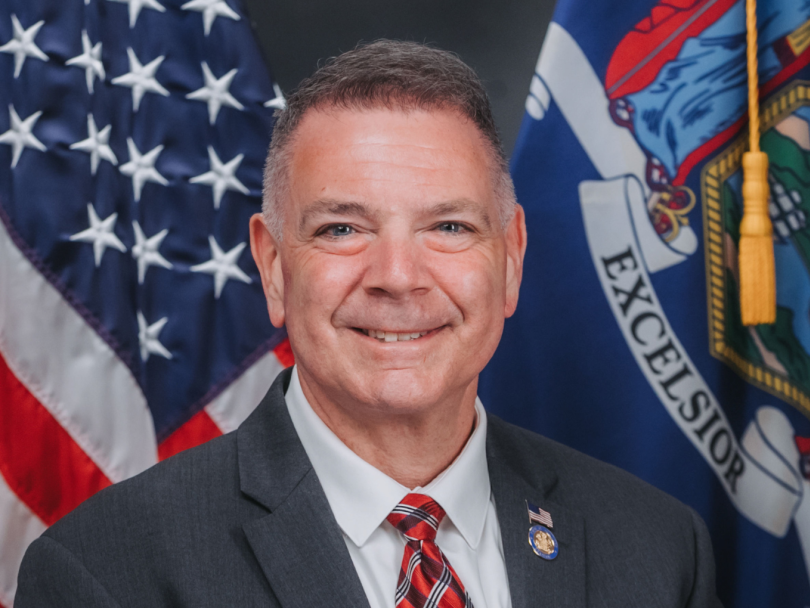
Steve Rhoads
Steve Rhoads Senate · District 5
R
Strong −
0% 14
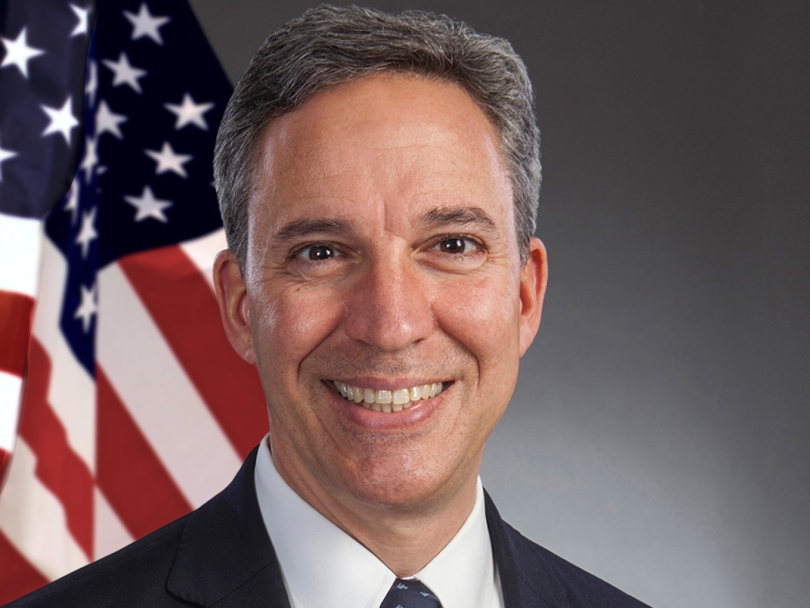
Jack Martins
Jack Martins Senate · District 7
R
Strong −
0% 13
Patricia Canzoneri-Fitzpatrick
Patricia Canzoneri-Fitzpatrick Senate · District 9
R
Strong −
0% 11
Mario Mattera
Mario Mattera Senate · District 2
R
Strong −
9% 11
Dean Murray
Dean Murray Senate · District 3
R
Strong −
11% 18
Showing 71–80 of 89 bills

All criminal justice bills

in committee · New York · Senate Jan 7, 2026

S 2094: Relates to the possession and sale of substances containing heroin

This bill amends New York's penal law to increase penalties for possessing or selling heroin-containing substances based on specific weight thresholds and packaging quantities. It sets new limits: for example, possessing or selling heroin preparations totaling 1.5 grams or packaged in 50+ containers triggers enhanced penalties under Section 220.16. Similar thresholds apply to other offenses (e.g., 12 grams for sales under Section 220.18), with higher limits for other contexts like methadone. The bill directly affects individuals possessing or distributing heroin-based substances that meet these quantitative thresholds, making those acts subject to stricter criminal penalties.
Sub-Topics Drug Policy
in committee · New York · Senate Jan 7, 2026

S 972: Establishes the crime of homicide by sale of an opiate controlled substance

S 972 creates a new class A-1 felony offense for unlawfully selling or transporting an opiate-controlled substance (defined as any opiate or opium derivative listed in New York's public health law schedules I-V) that causes another person's death. It directly affects individuals who sell or transport such substances, including those involved in the illicit drug trade. The bill includes a specific defense if the defendant jointly used the substance with the deceased for mutual consumption. This law imposes the highest felony penalty for these actions, distinct from standard homicide charges. The bill, nicknamed "Laree's Law," will take effect 90 days after enactment.
in committee · New York · Senate Jan 7, 2026

S 1522: Includes fires caused by the manufacture of a controlled substance within the crime of arson in the first degree

This bill amends New York's arson law to explicitly include fires caused by manufacturing controlled substances as first-degree arson. It directly affects individuals operating illegal drug labs, as setting a fire during such activity - whether at their own or another's property - will now be prosecuted as first-degree arson. The key provision expands the definition of first-degree arson to cover cases where a person destroys a building or causes injury while manufacturing a controlled substance in violation of drug laws. This change ensures fires from drug lab operations are treated as severe arson offenses, not just drug violations.
Sub-Topics Drug Policy
in committee · New York · Assembly Jan 7, 2026

A 6843: Relates to the possession and sale of methamphetamine

This bill aligns penalties for methamphetamine possession and sale with those for heroin and cocaine by adjusting weight thresholds in New York's penal law. It lowers the minimum amounts triggering higher penalties - for example, setting possession at 100 milligrams (previously higher) and sales at 1 gram, matching current heroin/cocaine thresholds. The law directly affects individuals caught with methamphetamine in quantities meeting these new weight limits. Key provisions revise multiple sections of the penal code to standardize these weight-based penalties across controlled substances. The changes apply only to offenses committed on or after the effective date (November 1, 2025).
Sub-Topics Drug Policy
in committee · New York · Senate Jan 7, 2026

S 5853: Relates to criminal possession of a flamethrower

This bill makes it a felony to possess a flamethrower, defined as a device projecting burning fuel at least three feet. It specifically excludes inoperable displays, historical flamethrowers (constructed before 1966 with at least five key functional parts), and devices used for agriculture or construction. The law also does not apply to flamethrowers owned before the law takes effect or to modifying components like fuel cells. It directly affects individuals owning modern flamethrowers not covered by the exemptions, while protecting collectors of historical models and certain professional uses.
Sub-Topics Drug Policy Firearms
in committee · New York · Senate Jan 7, 2026

S 1519: Relates to the possession and sale of methamphetamine

S 1519 aligns penalties for methamphetamine possession and sale with those for heroin and cocaine by adjusting weight thresholds in New York's penal law. It lowers the weight threshold for methamphetamine possession from 1 gram to 100 milligrams (matching existing heroin/cocaine standards) and reduces sale thresholds from 0.5 ounces to 1 gram. These changes directly affect individuals possessing or selling methamphetamine, as the bill modifies specific legal definitions in sections 220.06, 220.09, 220.16, 220.21, 220.39, and 220.43. The law applies only to offenses committed on or after its effective date, leaving prior cases governed by older penalties.
Sub-Topics Drug Policy
in committee · New York · Senate Jan 7, 2026

S 2372: Relates to "Chelsey's law"

Enacts "Chelsey's law"; provides that a person commits the crime of manslaughter or aggravated manslaughter when such person knows or has reasonable grounds to know that a controlled substance is likely to cause the death of another person and sells, administers, delivers, or causes the delivery of a controlled substance to another person and such substance causes, contributes to, or aids in the death of such other person.
Sub-Topics Drug Policy
in committee · New York · Senate Jan 7, 2026

S 5681: Relates to second felony drug offenders; repealer

This bill amends New York's penal law to change how "second felony drug offenders" are defined. It removes an exclusion that previously prevented violent felony convictions from counting toward second-offense status (now including violent felonies defined in penal law section 70.02). It also repeals an outdated subdivision (section 70.70, subdivision 4) related to these offenses. The changes directly affect individuals convicted of a drug felony who have prior felony convictions, including violent felonies, potentially leading to enhanced penalties. The bill takes effect immediately for cases sentenced on or after the effective date.
Sub-Topics Drug Policy Sentencing
in committee · New York · Assembly Jan 7, 2026

A 397: Provides for enhanced penalties for larceny and criminal possession of stolen property against elderly persons

This bill increases penalties for larceny and criminal possession of stolen property when committed against people aged 60 or older. If the offender knew the victim's age and has a prior conviction for a similar crime against an elderly person, misdemeanor offenses become class E felonies, and felony offenses are elevated by one category. The law specifically targets intentional crimes against elderly victims, not accidental ones, and requires prior similar offenses as a condition for the enhanced penalty. It applies to larceny under sections 155.40-155.43 and stolen property under sections 165.40-165.52 of New York's penal law.
Sub-Topics Drug Policy
in committee · New York · Senate Jan 7, 2026

S 974: Establishes the class B felony of criminal sale of a controlled substance upon the grounds of a drug or alcohol treatment center

This bill creates a new class B felony offense for selling controlled substances on the property of or within 1,000 feet of a drug or alcohol treatment center or methadone clinic. It directly affects individuals who sell drugs in these specific locations, including buildings, parking lots, and public areas like sidewalks or streets within the defined zone. The law establishes that selling drugs in violation of certain existing drug laws within these areas automatically qualifies as this serious felony, with a rebuttable presumption of knowledge if facility signs are posted. This changes penalties for drug sales near treatment facilities, making them punishable as a class B felony instead of a lower-level offense.
Sub-Topics Drug Policy
Showing 71 to 80 of 89 bills
Previous 1 … 7 8 9 Next