Issue · Criminal Justice

Criminal Justice (Sentencing)

Every criminal justice bill, vote, and legislator stance in New York, automatically classified by Maddy, our AI policy reader.

Total bills
117
2025 Regular Session
Top supporter
Brian Kavanagh
100% support rate
Top opponent
Dean Murray
0% support rate
Ranked legislators
10
5 support · 5 oppose
Key legislators

Who's moving sentencing in New York

Legislators moving sentencing in New York
Legislator Party Stance Support rate Votes
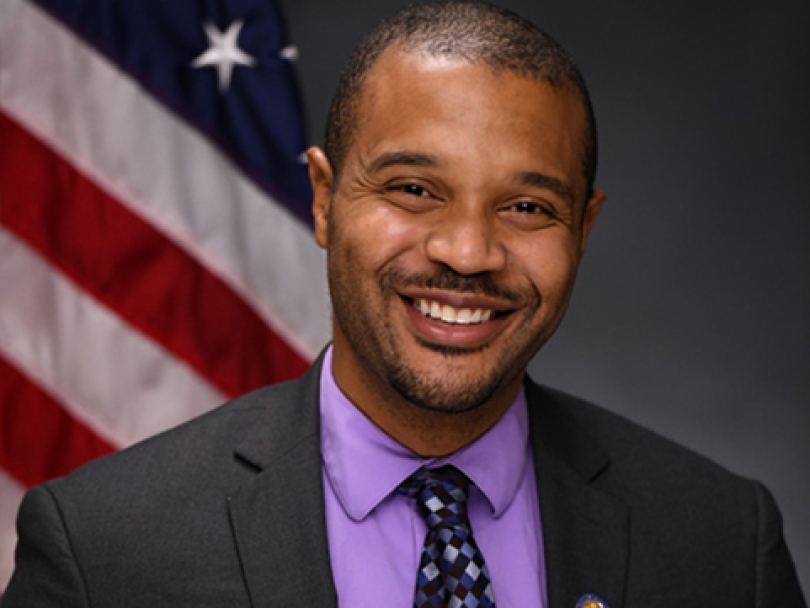
Brian Kavanagh
Brian Kavanagh Senate · District 27
D
Strong +
100% 6
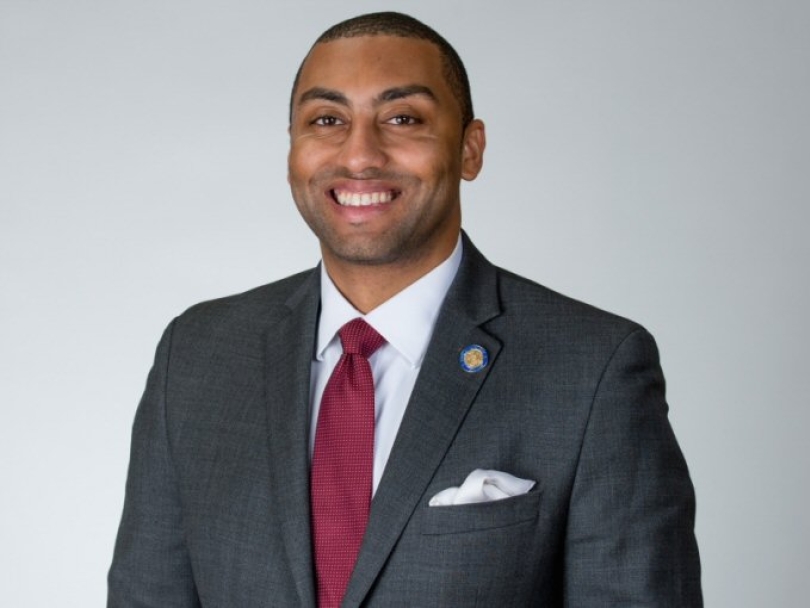
Jabari Brisport
Jabari Brisport Senate · District 25
D
Strong +
100% 6
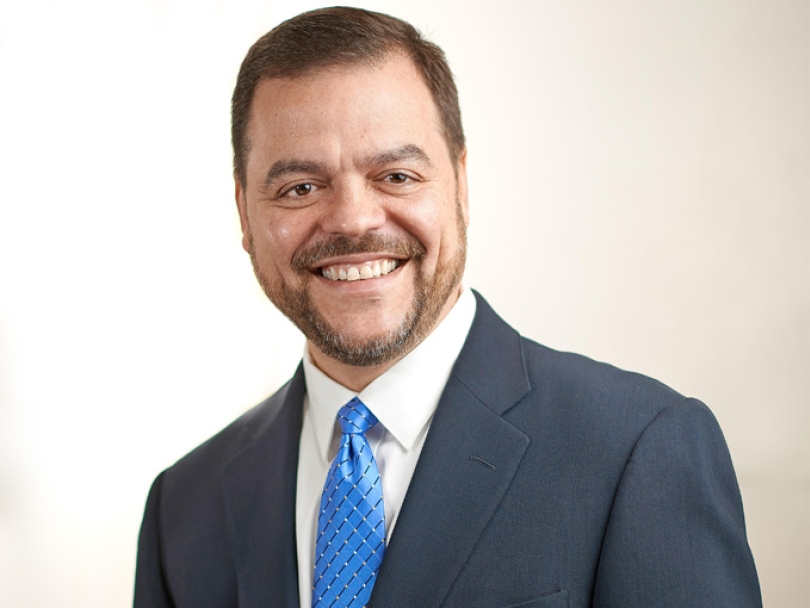
Jamaal Bailey
Jamaal Bailey Senate · District 36
D
Strong +
100% 6
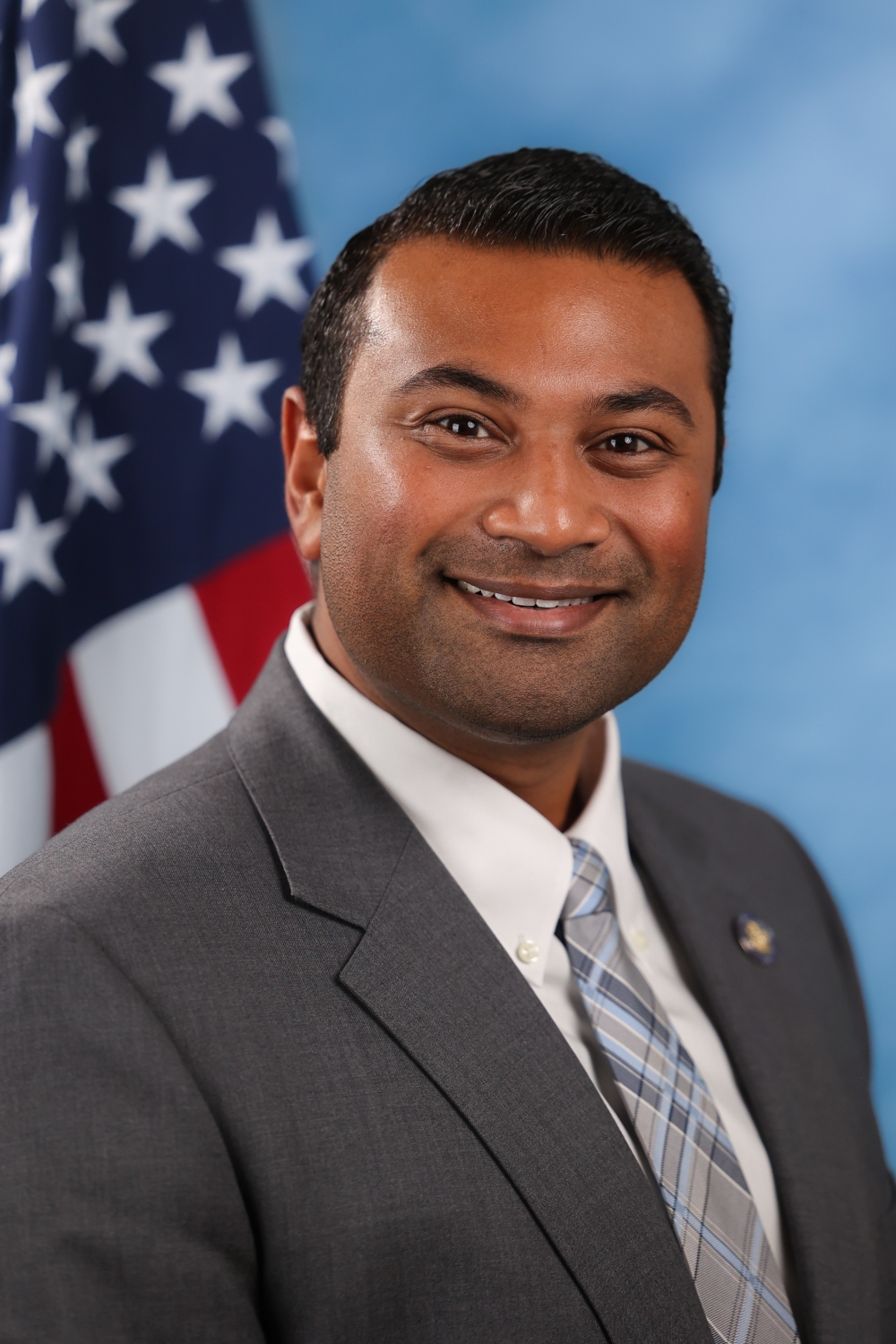
Julia Salazar
Julia Salazar Senate · District 18
D
Strong +
100% 6
Luis Sepúlveda
Luis Sepúlveda Senate · District 32
D
Strong +
100% 6
Dean Murray
Dean Murray Senate · District 3
R
Strong −
0% 6
Tom O'Mara
Tom O'Mara Senate · District 58
R
Strong −
0% 6
Alexis Weik
Alexis Weik Senate · District 8
R
Strong −
0% 3
Anil Beephan
Anil Beephan House · District 105
R
Strong −
0% 3
Ari Brown
Ari Brown House · District 20
R
Strong −
0% 3
Showing 61–70 of 117 bills

All criminal justice bills

in committee · New York · Senate Jan 7, 2026

S 3992: Relates to racial and ethnic impact statements on bills

S 3992, the "racial and ethnic equity act," requires state agencies to prepare impact statements for bills that could affect correctional, public assistance, or child welfare systems. Before such bills can be considered by legislative committees, the Division of Criminal Justice Services, Office of Temporary and Disability Assistance, or Office of Children and Family Services must analyze how the bill would impact racial and ethnic minority populations (Black, Latino, Native American, Asian/Pacific Islander). These statements must include data on projected effects - like rates per 10,000 people - on each minority group and cover at least three fiscal years. The bill directly affects New York legislators, state agencies, and minority communities by mandating this review for laws related to sentencing, welfare access, or child welfare placement.
Sub-Topics Sentencing
in committee · New York · Senate Jan 7, 2026

S 2063: Relates to aggravated neglect of a companion animal

This bill defines "aggravated neglect" of a pet as subjecting it to cruelty (as defined in existing law) while failing to take reasonable steps to locate or care for the animal. It makes aggravated neglect a felony punishable by up to two years in prison, with a mandatory definite sentence (no probation). The law directly affects pet owners who repeatedly fail to provide adequate care or abandon their animals, aligning penalties with specific sentencing guidelines for this offense.
in committee · New York · Senate Jan 7, 2026

S 5681: Relates to second felony drug offenders; repealer

This bill amends New York's penal law to change how "second felony drug offenders" are defined. It removes an exclusion that previously prevented violent felony convictions from counting toward second-offense status (now including violent felonies defined in penal law section 70.02). It also repeals an outdated subdivision (section 70.70, subdivision 4) related to these offenses. The changes directly affect individuals convicted of a drug felony who have prior felony convictions, including violent felonies, potentially leading to enhanced penalties. The bill takes effect immediately for cases sentenced on or after the effective date.
Sub-Topics Drug Policy Sentencing
in committee · New York · Senate Jan 21, 2026

S 8464: Relates to convictions under the felony murder rule; repealer

Repeals the crime of felony murder; permits vacating conviction and resentencing of defendants convicted of felony murder; requires reporting of certain crime statistics and information.
Sub-Topics Sentencing
in committee · New York · Senate Jan 30, 2025

S 3806: Relates to the age of persons eligible for a sentence of life imprisonment without parole

This bill clarifies that only individuals aged 18 or older at the time of committing a crime can receive a life imprisonment sentence without parole. It specifically applies to certain serious offenses, including first-degree murder, terrorism involving weapons, and aggravated murder, as defined in New York's penal law. The law amends existing sentencing provisions to require that defendants must have been 18 or older when the crime was committed to be eligible for life without parole. Minors (17 or younger) remain subject to other sentencing options under the law.
in committee · New York · Assembly Jan 7, 2026

A 6855: Provides that the intentional murder of a child under the age of twelve shall be a first degree murder offense

This bill amends New York's penal law to classify the intentional murder of a child under age 12 as first-degree murder. It adds a specific provision (subparagraph XIV) to the existing definition of first-degree murder, stating that killing a child under 12 automatically qualifies as first-degree murder. This change directly affects criminal cases involving the murder of children under 12, ensuring such offenses are prosecuted as the most serious felony. The bill does not alter sentencing ranges but elevates the offense classification for these specific cases. The law takes effect November 1 following its enactment.
Sub-Topics Sentencing
in committee · New York · Assembly Jan 7, 2026

A 4497: Relates to enhancing penalties and protecting victims of crimes of domestic violence

This bill increases penalties for repeat domestic violence offenses by elevating certain crimes to class E felonies when perpetrators have prior convictions for specific offenses (like harassment, assault, or stalking) within the last ten years and are in the same household or family as the victim. It amends New York Penal Law sections to define "same family or household" consistently and specifies qualifying prior crimes, including stalking, strangulation, and harassment offenses. The changes directly affect domestic violence perpetrators with prior convictions and strengthen legal protections for victims by imposing stricter penalties for repeat offenses. The bill does not create new victim services but modifies criminal sentencing structures for domestic violence cases.
in committee · New York · Assembly Sep 8, 2025

A 2254: Relates to the sentencing requirements for the offenses of hindering prosecution and conspiracy

This bill amends New York's Penal Law to adjust sentencing classifications for hindering prosecution and conspiracy offenses. It reclassifies hindering prosecution (based on the underlying felony's severity: class C, B, or A) and conspiracy (fifth, fourth, and third degrees) as specific felony levels (e.g., making hindering prosecution of a class B felony a class D felony). The changes directly affect individuals convicted of these specific crimes by modifying their sentencing ranges. The bill focuses solely on clarifying existing sentencing structures without introducing new offenses or penalties.
Sub-Topics Sentencing
in committee · New York · Assembly Jan 7, 2026

A 5722: Relates to expanding the definition of a sex offense

This bill (A 5722) expands New York's definition of a "sex offense" in correction law to include "sexually motivated felonies." It directly affects individuals convicted of specific felonies involving minors under 17, such as certain kidnapping, prostitution, or sex-related offenses where the victim is under 17 and the offender is not the parent. The key mechanism adds these offenses to the list already classified as sex offenses under correction law, requiring specific sentencing and classification under the correction system. This change applies to cases involving the penal law sections listed in the bill, including those related to patronizing minors under 17 for sex.
Sub-Topics Sentencing
in committee · New York · Assembly Jan 7, 2026

A 6253: Ends the imposition of a sentence of life without parole or death; repealer

This bill eliminates life without parole and the death penalty as sentencing options in New York. It repeals provisions allowing these sentences and replaces them with fixed-term imprisonment for serious crimes like murder. For example, murder in the first degree now carries a minimum 20-year sentence instead of life without parole, while murder in the second degree or aggravated murder now requires a life sentence (with parole eligibility after 15 years). The bill directly affects individuals convicted of capital offenses who would previously have faced the death penalty or life without parole. It removes all references to "life without parole" from sentencing laws and modifies parole eligibility rules for certain inmates.
Showing 61 to 70 of 117 bills
Previous 1 6 7 8 12 Next