Issue · Criminal Justice

Criminal Justice

Every criminal justice bill, vote, and legislator stance in New York, automatically classified by Maddy, our AI policy reader.

Total bills
1,570
2025 Regular Session
Top supporter
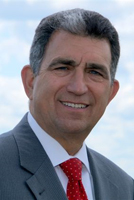
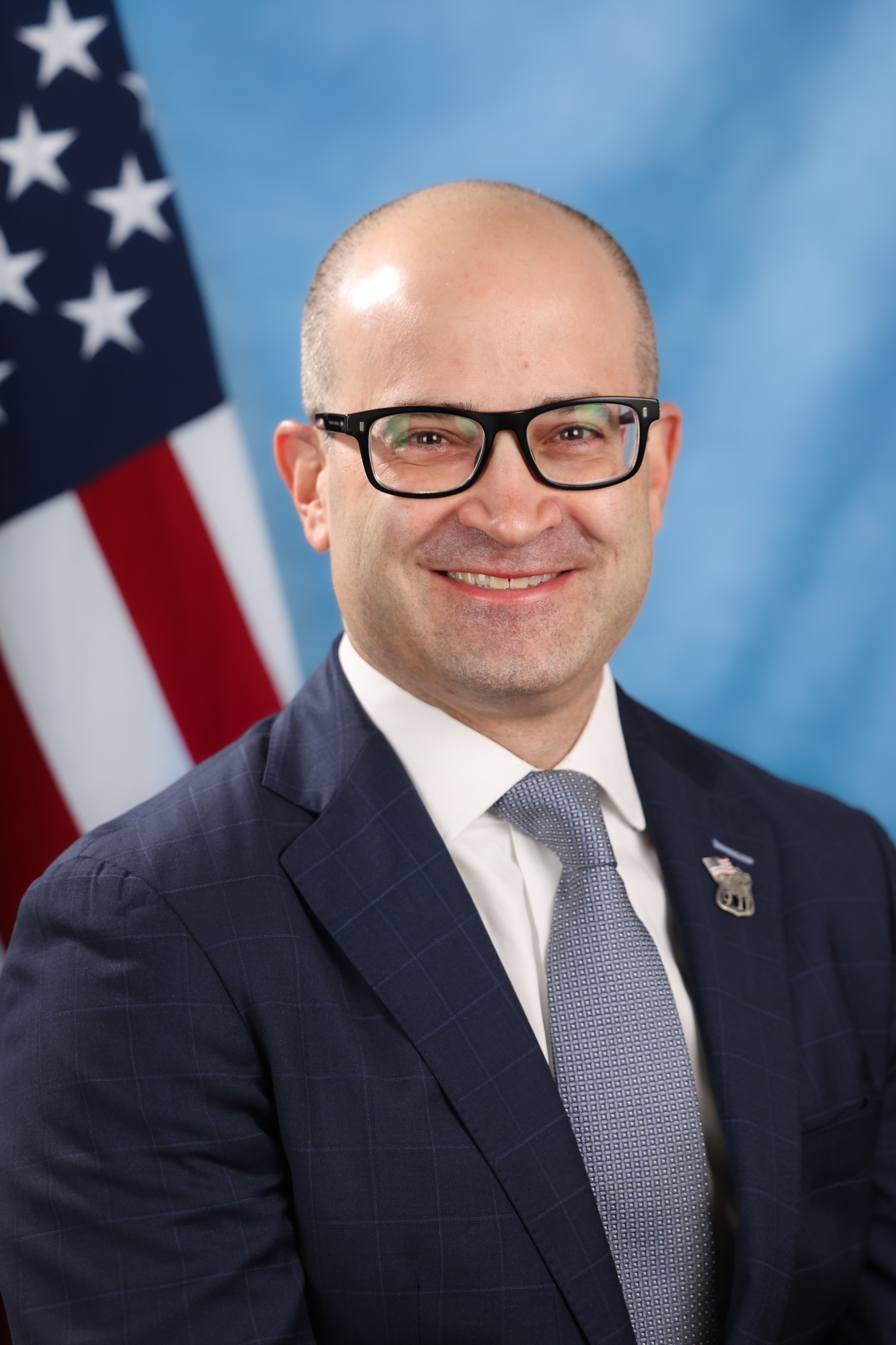
Bill Magnarelli
100% support rate
Top opponent
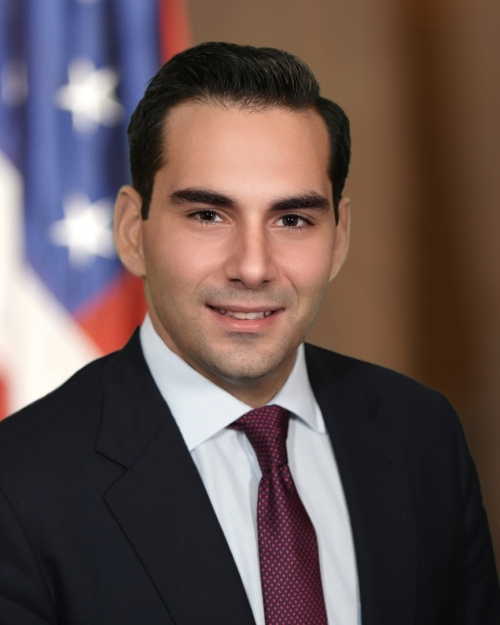
Chris Tague
4% support rate
Ranked legislators
10
5 support · 5 oppose
Key legislators

Who's moving criminal justice in New York

Legislators moving criminal justice in New York
Legislator Party Stance Support rate Decisive votes
Bill Magnarelli
Bill Magnarelli House · District 129
D
Strong +
100% 27
George Alvarez
George Alvarez House · District 78
D
Strong +
100% 27
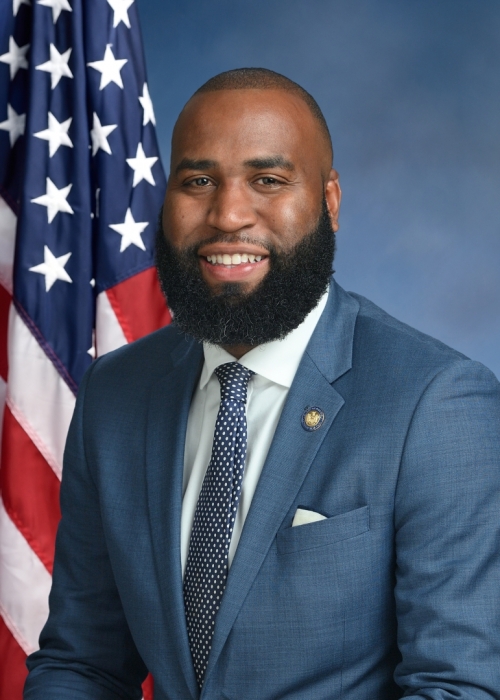
Brian Cunningham
Brian Cunningham House · District 43
D
Strong +
100% 25
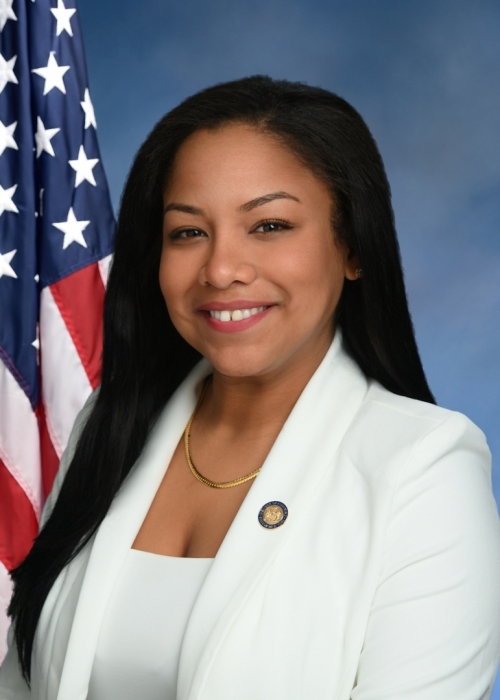
Amanda Septimo
Amanda Septimo House · District 84
D
Strong +
100% 24
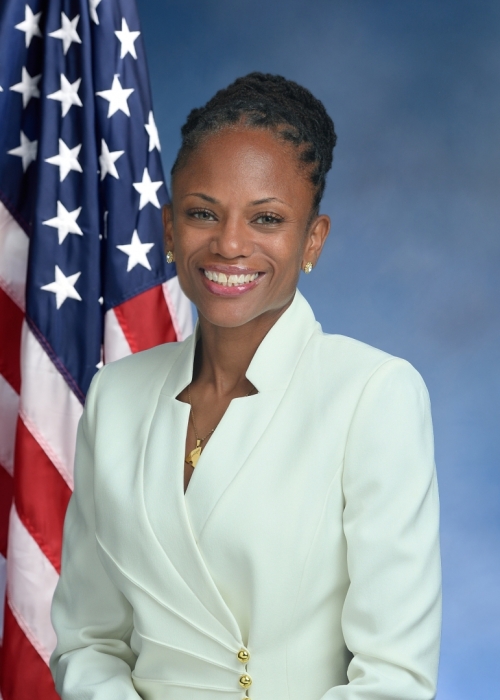
Monique Chandler-Waterman
Monique Chandler-Waterman House · District 58
D
Strong +
100% 24
Chris Tague
Chris Tague House · District 102
R
Strong −
4% 28
Dave DiPietro
Dave DiPietro House · District 147
R
Strong −
4% 28
Chris Friend
Chris Friend House · District 124
R
Strong −
4% 26
Ed Ra
Ed Ra House · District 19
R
Strong −
7% 28
Jarett Gandolfo
Jarett Gandolfo House · District 7
R
Strong −
7% 28
Showing 631–640 of 1,570 bills

All criminal justice bills

in committee · New York · Senate Jan 7, 2026

S 885: Relates to requiring state and local law enforcement officers to identify themselves to the public

New York's S 885 requires state and local law enforcement officers to identify themselves during specific interactions, including traffic stops, pedestrian stops, and searches. Officers must state their full name, rank, command, and the reason for the encounter, and provide a business card with contact details after non-arrest interactions. The bill excludes situations where identification would compromise safety or ongoing investigations. It directly affects officers during routine encounters and aims to create a written record of interactions for the public.
Sub-Topics Law Enforcement
in committee · New York · Assembly Jan 7, 2026

A 679: Establishes the crime of coercive control

Relates to establishing the crime of coercive control; provides that a person is guilty of coercive control when such person engages in a course of conduct against a member of such person's same family or household, without the victim's consent, which results in limiting or restricting, in full or in part, the victim's behavior, movement, associations or access to or use of such victim's own finances or financial information; provides that coercive control is a class E felony.
Sub-Topics Domestic Violence
in committee · New York · Senate Jan 7, 2026

S 8586: Prohibits state or local police from accepting military surplus equipment from the federal government

This bill bans all state and local police departments in New York from accepting military surplus equipment (such as armored vehicles or weapons) from the federal government. It directly affects every law enforcement agency, including state police divisions and municipal police departments, by prohibiting the receipt of such equipment under any circumstances. The law explicitly states that no existing rules or regulations can override this ban, and it takes effect immediately upon passage. The policy change is a direct prohibition on acquiring federal military equipment, with no exceptions or alternative provisions.
Sub-Topics Policing
in committee · New York · Assembly Jan 7, 2026

A 317: Relates to prohibiting certain discriminatory peremptory challenges to prospective jurors

Prohibits peremptory challenges of prospective jurors based on race, color, national origin, ancestry, gender, gender identity or expression, religion, religious practice, age, disability, or sexual orientation.
in committee · New York · Senate Mar 31, 2026

S 260: Relates to extreme risk protection orders

Relates to extreme risk protection orders; defines "exception"; authorizes a police officer or district attorney to file an application for an extreme risk protection order if found that a person meets the requirements of an exception pursuant to section 6340 of the civil practice law and rules; makes related provisions.
Sub-Topics Policing
passed · New York · Senate Jun 2, 2026

S 8061: Provides for mental health counseling for correction officers and civilian staff in correctional facilities

Directs the commissioner of corrections and community supervision, in consultation with the commissioner of mental health, to make mental health counseling available to all correction officers and civilian staff in correctional facilities.
Sub-Topics Probation & Parole
in committee · New York · Assembly Jan 7, 2026

A 3969: Reforms the commission on forensic science; and makes conforming changes; repealer

Updates the membership, powers, duties and procedures of the commission on forensic science; establishes the scientific advisory committee, the social justice, ethics, and equity assessment committee and the forensic analyst license advisory committee; makes conforming changes.
in committee · New York · Senate Jan 7, 2026

S 4002: Relates to establishing an automatic expunction system for certain records

Relates to establishing an automatic expunction system for certain records including unconstitutional stops that occurred between January two thousand four and June two thousand twelve by the New York city police department that either resulted in the completion of a UF-250 form or a Form 61 complaint in which the SQF section was completed and led to arrests for either resisting arrest, disorderly conduct, criminal possession of a weapon, and offenses involving marihuana.
Sub-Topics Drug Policy Policing
in committee · New York · Assembly Feb 25, 2026

A 9142: Relates to permitting admission of spontaneous statements by victims of certain offenses who are elderly, physically disabled, incompetent or determined to be incapacitated

This bill allows certain statements made by victims of fraud, abuse, or theft to be used as evidence in court if the victim was determined to be incapacitated under mental health law. It specifically permits spontaneous statements made by the victim to a non-defendant adult (18+) about the crime, provided the prosecution gives pre-trial notice, the court finds the statement reliable based on its timing and context, and the victim testifies or is available to testify. The law directly affects victims who are incapacitated and their cases under specific New York Penal Law sections (155, 170, 190). It changes evidence rules to make these statements admissible as an exception to hearsay, without altering the legal standard for conviction.
Sub-Topics Courts
Showing 631 to 640 of 1,570 bills
Previous 1 … 63 64 65 … 157 Next