Issue · Criminal Justice

Criminal Justice

Every criminal justice bill, vote, and legislator stance in New York, automatically classified by Maddy, our AI policy reader.

Total bills
1,570
2025 Regular Session
Top supporter
Bill Magnarelli
100% support rate
Top opponent
Chris Tague
4% support rate
Ranked legislators
10
5 support · 5 oppose
Key legislators

Who's moving criminal justice in New York

Legislators moving criminal justice in New York
Legislator Party Stance Support rate Decisive votes
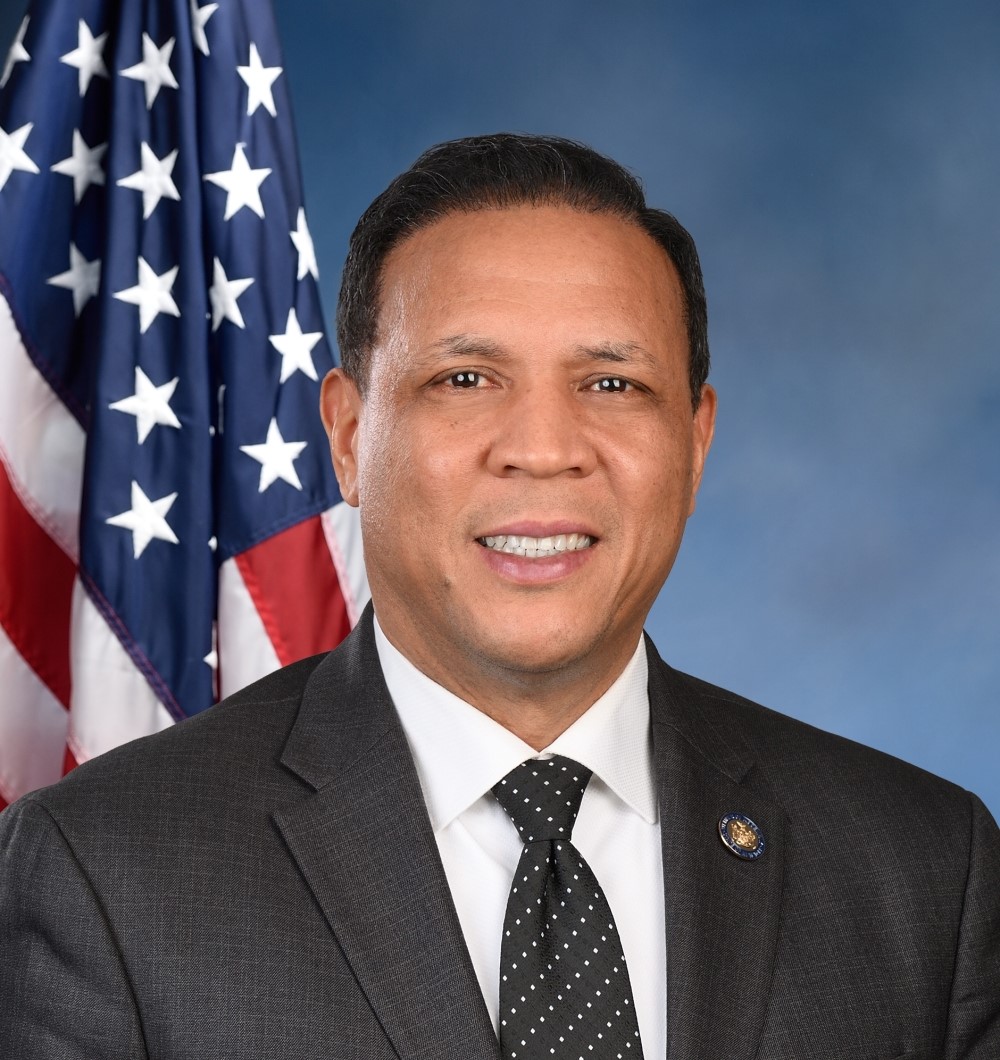
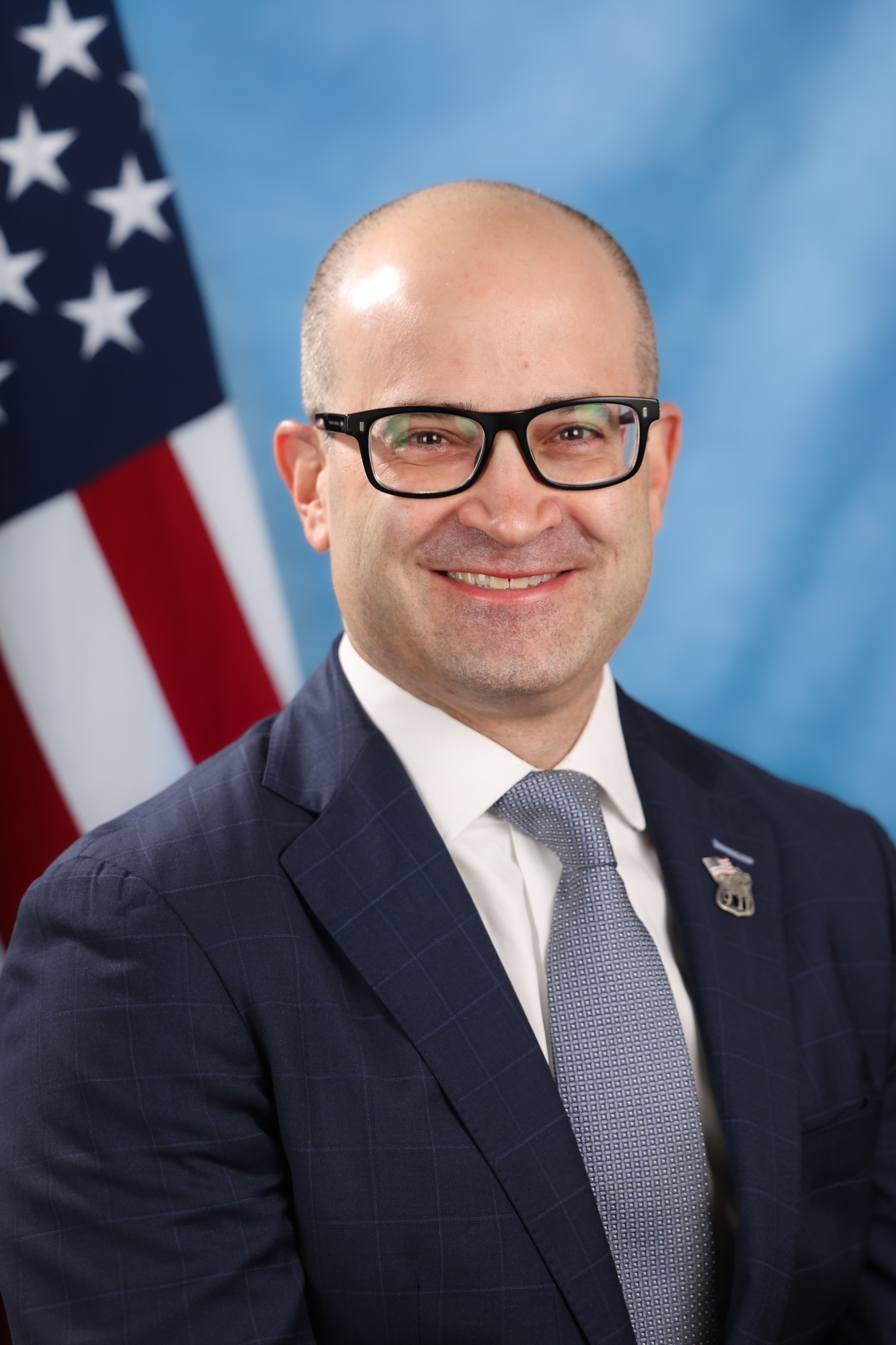
Bill Magnarelli
Bill Magnarelli House · District 129
D
Strong +
100% 27
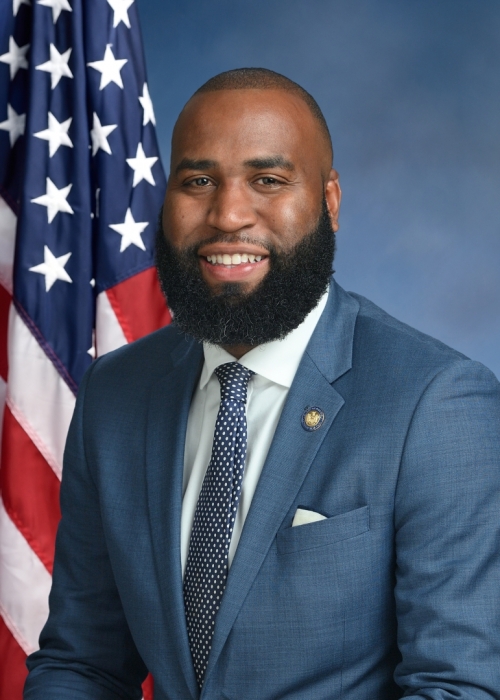
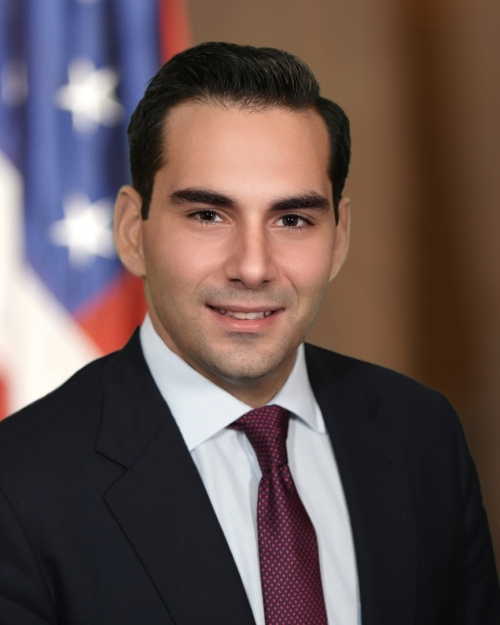
George Alvarez
George Alvarez House · District 78
D
Strong +
100% 27
Brian Cunningham
Brian Cunningham House · District 43
D
Strong +
100% 25
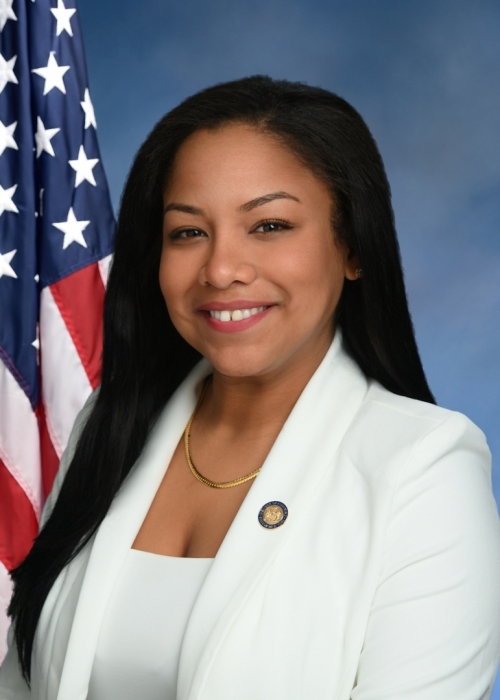
Amanda Septimo
Amanda Septimo House · District 84
D
Strong +
100% 24
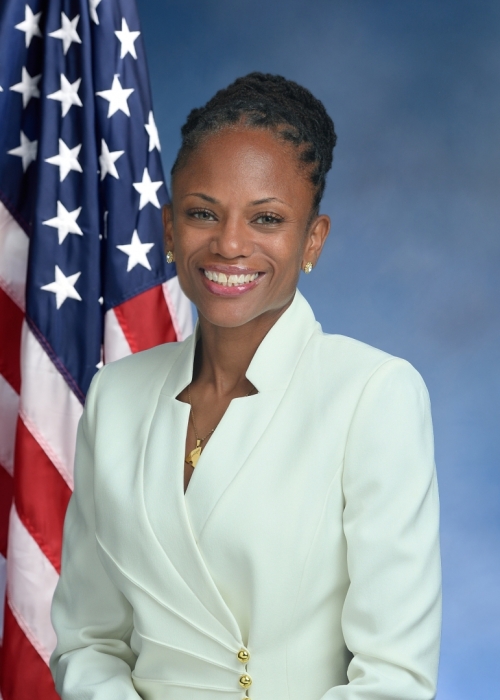
Monique Chandler-Waterman
Monique Chandler-Waterman House · District 58
D
Strong +
100% 24
Chris Tague
Chris Tague House · District 102
R
Strong −
4% 28
Dave DiPietro
Dave DiPietro House · District 147
R
Strong −
4% 28
Chris Friend
Chris Friend House · District 124
R
Strong −
4% 26
Ed Ra
Ed Ra House · District 19
R
Strong −
7% 28
Jarett Gandolfo
Jarett Gandolfo House · District 7
R
Strong −
7% 28
Showing 591–600 of 1,570 bills

All criminal justice bills

in committee · New York · Assembly Jan 7, 2026

A 9102: Relates to notification of victims of crime, including sexual offenses, about the address confidentiality program

This bill requires the Office of Victim Services to create specific procedures for notifying crime victims about the address confidentiality program. The program allows victims to keep their home addresses private to enhance safety. The notification must be part of standardized procedures used by police, sheriffs, and state police when interacting with victims. It directly affects individuals who are victims of crime in New York State. The law mandates this change to ensure victims are informed about available safety resources.
in committee · New York · Assembly Jan 7, 2026

A 1513: Relates to safe staffing for public employees of institutional settings

This bill sets maximum overtime limits for public employees working in specific institutional settings, including correctional facilities, mental health centers, and developmental disability care facilities. It prohibits requiring staff to work more than 17 hours in any 24-hour period (with 8 consecutive hours off afterward), 80 hours in 14 consecutive days, or seven straight days without at least 24 hours off, except during declared emergencies or with 24 hours' notice to unions. Facilities must also submit quarterly public reports detailing staffing levels, resignations, safety incidents, and recruitment efforts. The law aims to improve staff safety and resident care by preventing excessive workloads, without overriding existing employee rights or collective bargaining agreements.
in committee · New York · Assembly Jan 7, 2026

A 2097: Relates to the money deposited as bail by charitable bail organizations

Relates to the money deposited as bail by charitable bail organizations; removes maximum authorized amount of money allowed to be deposited by such organizations.
in committee · New York · Assembly Jan 7, 2026

A 1283: Authorizes certain persons confined in institutions operated by the department of corrections and community supervision to apply for a sentence reduction

Authorizes certain persons confined in institutions operated by the department of corrections and community supervision to apply for a sentence reduction.
in committee · New York · Assembly Jan 7, 2026

A 5144: Relates to the award of crime victim assistance funds for victims of overdoses where a substance was administered through deception or surreptitously

Permits award of crime victim assistance funds to victims of overdoses, where such overdoses cause death and were the result of deception, surreptitious delivery, or third-party administration of a controlled substance.
in committee · New York · Senate Feb 5, 2026

S 6182: Relates to reducing a police officer's pension to satisfy judgments in a wrongful death action

Relates to reducing a police officer's pension to satisfy judgments in a wrongful death action; provides that a police officer's pension may be reduced to no less than $20,000 to satisfy a wrongful death judgment; provides that a court shall hold a hearing to determine the amount of the reduction.
Sub-Topics Courts Policing
in committee · New York · Senate Jan 7, 2026

S 6601: Relates to motorcycle profiling

S 6601 requires New York municipal police departments to address motorcycle profiling in officer training and update their policies. It mandates basic law enforcement training to cover motorcycle profiling and requires departments to add a policy statement condemning it to existing profiling policies. The bill defines "motorcycle profiling" as illegally using a person's motorcycle riding or related gear as a reason for stops, searches, or arrests without legal justification. This directly affects all local police agencies and their training programs in New York State.
Sub-Topics Policing
in committee · New York · Assembly Jan 7, 2026

A 7160: Allows salary and civil service exam credits for police officers in certain cities and property tax credits for resident officers

Allows salary and civil service exam credits for police officers in certain cities and property tax credits for resident officers and a student loan forgiveness program for certain police officers.
Sub-Topics Property Tax Policing
in committee · New York · Senate Jun 6, 2025

S 6735: Relates to peremptory challenges where there are two or more defendants

This bill (S 6735) changes courtroom procedures for joint trials involving two or more defendants. It clarifies that when defendants are tried together, they are treated as a single party for peremptory challenges (challenges to remove jurors without cause). Specifically, a peremptory challenge must be permitted if a majority of defendants agree, or if there is a tie (e.g., a 1-1 split with two defendants). The bill directly affects defendants in joint criminal trials by standardizing how challenges are handled during jury selection. It is procedural in nature, focusing on trial mechanics rather than substantive policy.
in committee · New York · Assembly Jan 7, 2026

A 5945: Permits the use of portable electronic devices for making phone calls by incarcerated individuals

Permits the use of portable electronic devices for making phone calls as part of the telephone service system made available to incarcerated individuals.
Sub-Topics Corrections
Showing 591 to 600 of 1,570 bills
Previous 1 … 59 60 61 … 157 Next