Issue · Criminal Justice

Criminal Justice

Every criminal justice bill, vote, and legislator stance in New York, automatically classified by Maddy, our AI policy reader.

Total bills
583
2025 Regular Session
Top supporter
Bill Magnarelli
100% support rate
Top opponent
Chris Tague
4% support rate
Ranked legislators
10
5 support · 5 oppose
Key legislators

Who's moving criminal justice in New York

Legislators moving criminal justice in New York
Legislator Party Stance Support rate Decisive votes
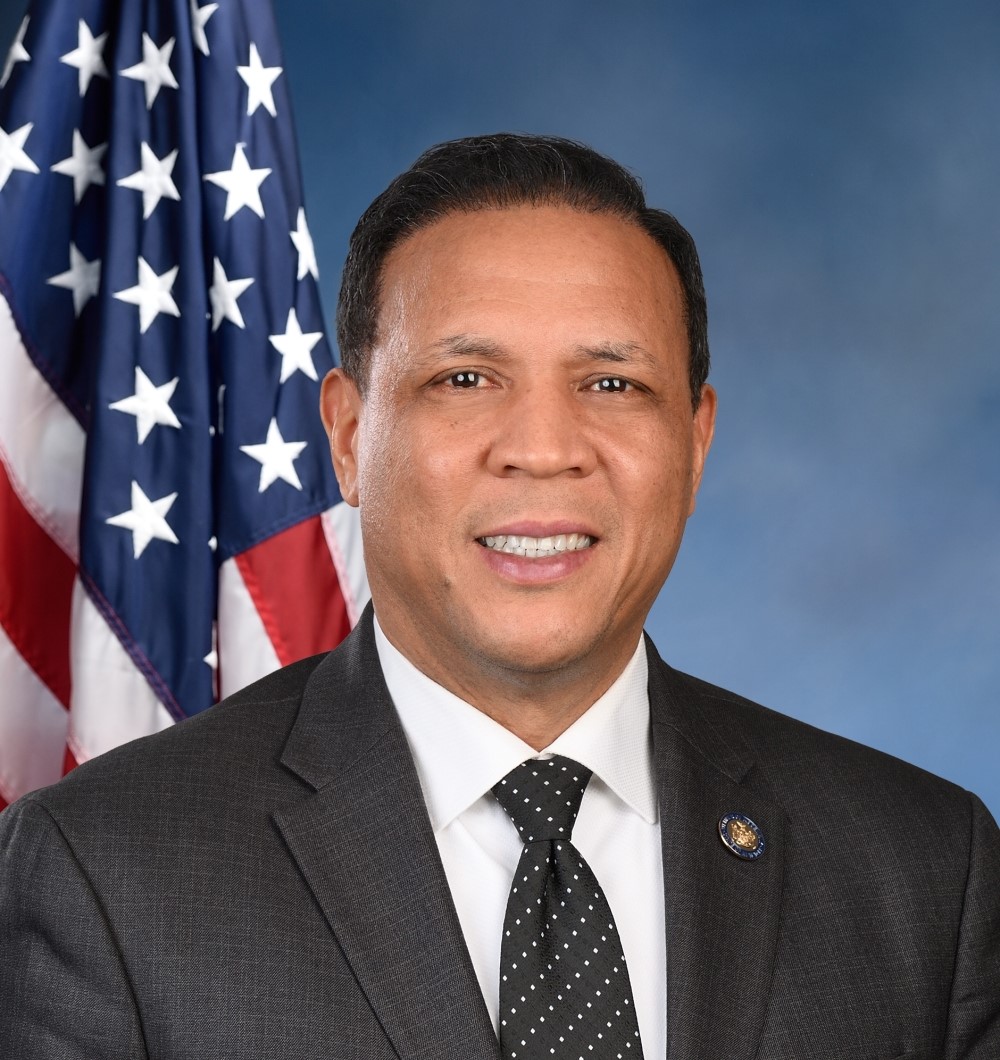
Bill Magnarelli
Bill Magnarelli House · District 129
D
Strong +
100% 27
George Alvarez
George Alvarez House · District 78
D
Strong +
100% 27
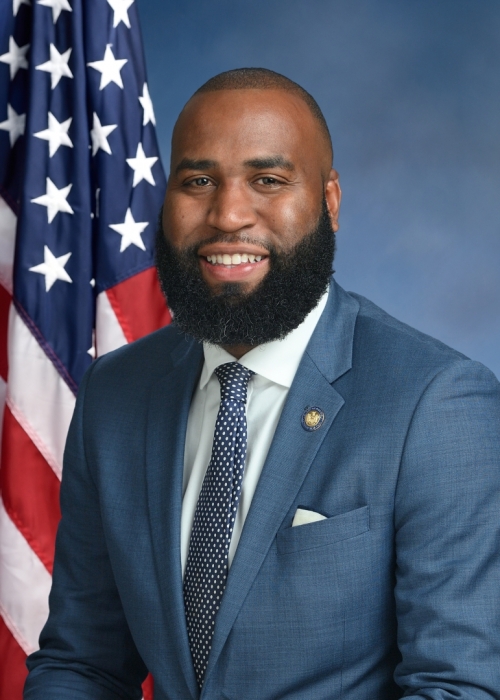
Brian Cunningham
Brian Cunningham House · District 43
D
Strong +
100% 25
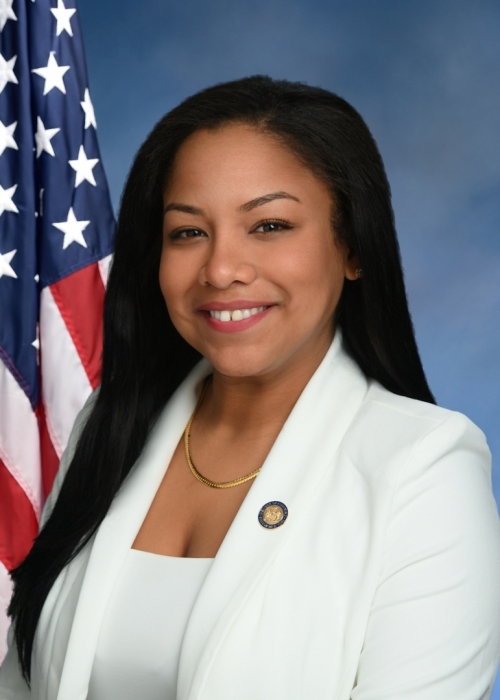
Amanda Septimo
Amanda Septimo House · District 84
D
Strong +
100% 24
Monique Chandler-Waterman
Monique Chandler-Waterman House · District 58
D
Strong +
100% 24
Chris Tague
Chris Tague House · District 102
R
Strong −
4% 28
Dave DiPietro
Dave DiPietro House · District 147
R
Strong −
4% 28
Chris Friend
Chris Friend House · District 124
R
Strong −
4% 26
Ed Ra
Ed Ra House · District 19
R
Strong −
7% 28
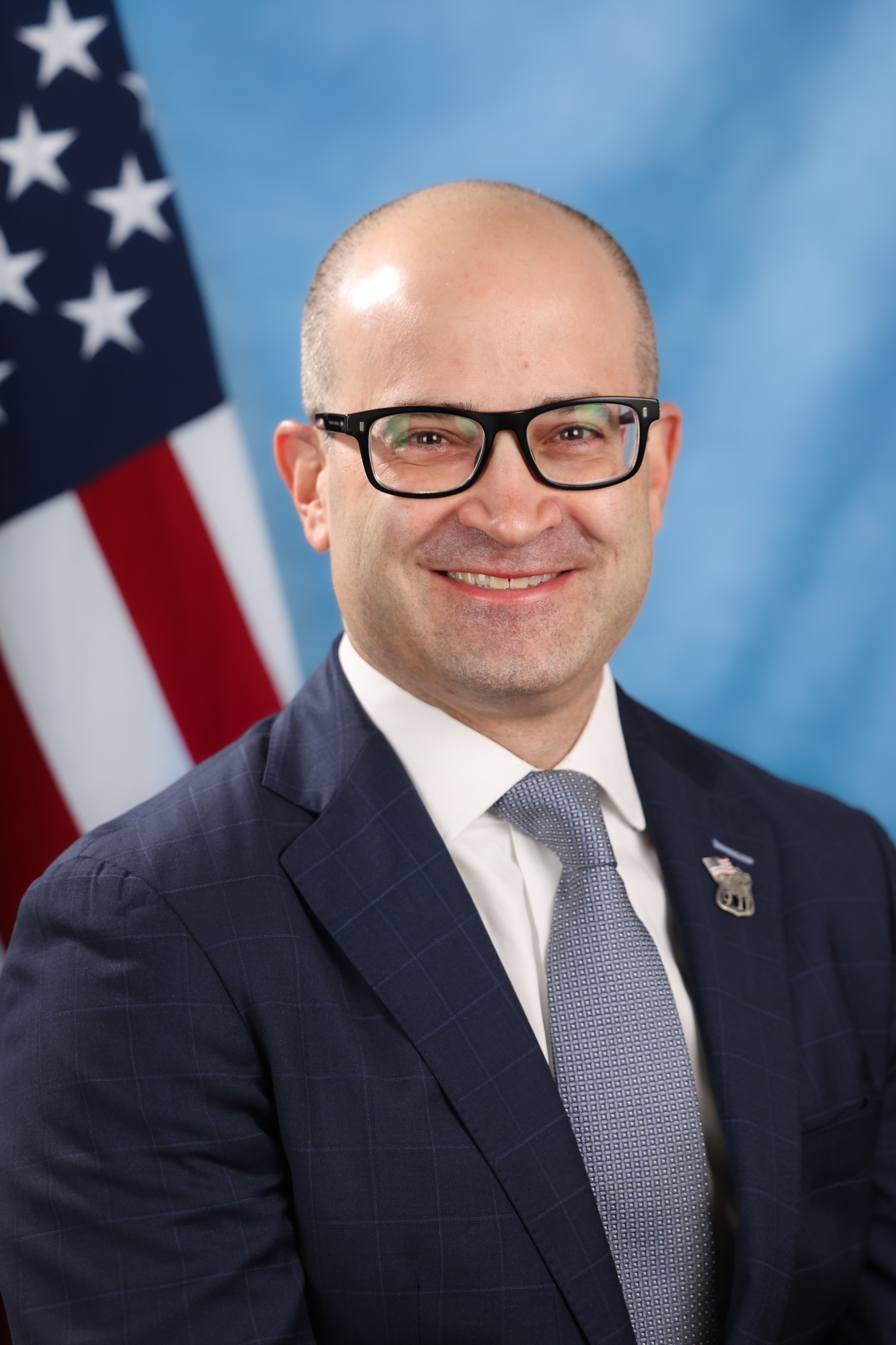
Jarett Gandolfo
Jarett Gandolfo House · District 7
R
Strong −
7% 28
Showing 551–560 of 583 bills

All criminal justice bills

in committee · New York · Senate Jan 7, 2026

S 456: Relates to expanding the definition of a sex offense

This bill expands the legal definition of a sex offense to include "sexually motivated felonies" under state correction law. It directly affects offenders convicted of certain crimes against minors (under age 17) or specific sexual offenses listed in the penal law, such as some kidnapping or prostitution-related charges involving minors. The key provision adds this new category to the existing list of offenses classified as sex offenses for sentencing and correctional purposes. This change would alter how these cases are categorized within the criminal justice system, impacting sentencing guidelines and correctional programming.
in committee · New York · Senate Jan 7, 2026

S 535: Removes the deadly weapon or dangerous instrument requirement from aggravated assault upon a police officer or peace officer

This bill removes the requirement that a deadly weapon or dangerous instrument must be used for an assault on a police or peace officer to be classified as "aggravated." It directly affects police officers and peace officers by changing the legal definition of aggravated assault against them. Under the revised law, intentionally causing serious injury to an officer while they are performing duties - without needing to prove a weapon was used - becomes a class B felony. The change simplifies the legal threshold for this offense.
Sub-Topics Policing Violent Crime
in committee · New York · Assembly Jan 7, 2026

A 7460: Relates to securing orders for certain firearms offenses

This New York state bill (A 7460) requires courts to hold defendants in custody (remand to sheriff custody) before trial for specific felony firearm offenses. It directly affects individuals charged with crimes like third-degree criminal possession of a firearm or weapon, or selling firearms to minors. The key change is mandating pretrial jail detention for these offenses, rather than allowing release on bail. The bill amends three sections of New York's criminal procedure law to specify these offenses trigger this requirement. It does not change the penalties for the crimes themselves, only the court procedure for handling defendants charged with them.
in committee · New York · Senate Jan 7, 2026

S 578: Relates to offenses for which a court may fix bail or commit a principal to custody of the sheriff

This bill (S 578) changes pretrial release rules for people accused of sex offenses who are already designated as sex offenders under New York's Correction Law. It allows courts to require bail or hold such individuals in custody before trial, rather than automatically releasing them on their own recognizance. Previously, courts could only deny release for these individuals if they also found other risks (like flight risk), but this bill makes their sex offender status alone sufficient justification for bail or custody. The law directly affects people awaiting trial for sex offenses who are on the state's sex offender registry. It takes effect 30 days after becoming law.
Sub-Topics Courts
in committee · New York · Senate Jan 7, 2026

S 58: Establishes the crime of making a terroristic threat against a police officer

S 58 creates a new criminal offense for making threats of violence against police officers, classifying it as a class C felony. The bill defines the crime as threatening to commit violence against an officer with the intent to intimidate civilians, influence government policy, or disrupt government operations. It explicitly states that lacking the intent or ability to carry out the threat is not a valid defense. This law directly affects individuals who make such threats, imposing felony penalties rather than lesser offenses. The bill aims to strengthen legal consequences for threats targeting law enforcement personnel.
Sub-Topics Policing
in committee · New York · Senate Jan 7, 2026

S 3119: Establishes the crime of inciting violence against a police officer

S 3119 creates a new felony offense for intentionally advocating violence against police officers when that advocacy is likely to incite immediate violence. It directly affects individuals who publicly call for violence against officers, such as through speeches, social media, or other communications. The law defines the crime as a class D felony, punishable by up to 7 years in prison, and requires proof of both intent to incite violence and a likelihood of imminent harm. The bill would take effect 90 days after enactment if passed.
Sub-Topics Corrections Policing
in committee · New York · Senate Jan 7, 2026

S 503: Relates to admitting evidence of similar crimes in sexual offense cases

S 503 allows courts to admit evidence of a defendant’s prior sexual offenses in current sexual offense cases, provided the evidence is relevant to issues like motive, intent, or a common pattern. The court must first determine that the evidence’s value outweighs its potential to unfairly prejudice the defendant. Prosecutors must disclose such evidence to the defense at least 15 days before trial, including witness details or testimony summaries. This bill applies to all pending cases after its effective date, aligning with federal evidence standards for similar crimes.
Sub-Topics Courts
failed · New York · Assembly Jan 7, 2026

A 6957: Provides judges with more discretion to impose bail on principals and requires certain principals be committed to the custody of the sheriff; repealer

Provides judges with more discretion to impose bail on principals charged with a felony, principals charged with a misdemeanor when awaiting trial for another crime, principals who are a threat to the safety and security of the community, principals charged with a felony serving a sentence of probation or while released to post release supervision; requires principals who have been charged with an offense related to three separate alleged instances of criminal activity are committed to the custody of the sheriff.
Sub-Topics Probation & Parole
in committee · New York · Assembly Jan 7, 2026

A 4688: Increases the maximum sentence of imprisonment for certain misdemeanors to one year; repealer

This bill increases the maximum jail term for certain misdemeanors from 364 days to one full year. It directly affects individuals convicted of Class A misdemeanors and unclassified misdemeanors under New York's penal law. The key change amends specific sections of the penal law to update the sentencing limit, allowing courts to impose sentences up to one year for these offenses. The bill repeals a prior subdivision that previously capped sentences at 364 days for these categories.
Sub-Topics Corrections Sentencing
in committee · New York · Senate Jan 7, 2026

S 7024: Relates to crimes committed on metropolitan transportation authority property

S 7024 elevates crimes committed on Metropolitan Transportation Authority (MTA) property to a higher felony category. It makes any crime on MTA-owned or operated property (including stations, vehicles, and facilities) count as one category higher than the original offense - for example, a class B felony becomes an A-1 felony. The bill mandates minimum sentencing ranges: at least six years for indeterminate sentences on class B felonies, and a minimum 20-year term for A-1 felony convictions. This directly affects individuals convicted of crimes in MTA spaces, altering their sentencing under New York’s penal law.
Sub-Topics Sentencing
Showing 551 to 560 of 583 bills
Previous 1 … 55 56 57 … 59 Next