Issue · Criminal Justice

Criminal Justice

Every criminal justice bill, vote, and legislator stance in New York, automatically classified by Maddy, our AI policy reader.

Total bills
583
2025 Regular Session
Top supporter
Bill Magnarelli
100% support rate
Top opponent
Chris Tague
4% support rate
Ranked legislators
10
5 support · 5 oppose
Key legislators

Who's moving criminal justice in New York

Legislators moving criminal justice in New York
Legislator Party Stance Support rate Decisive votes
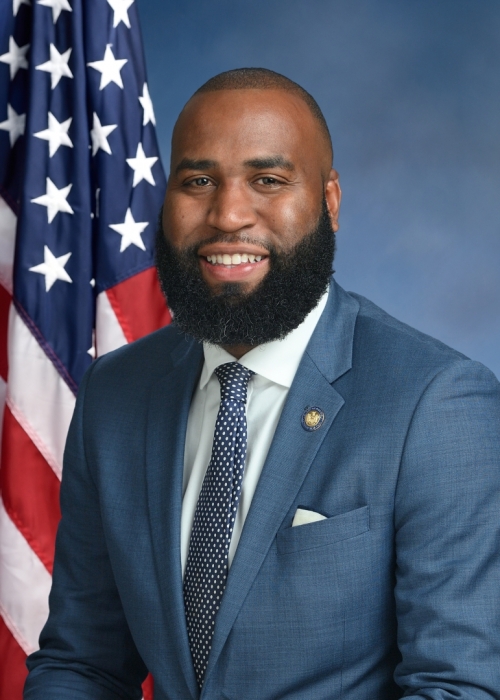
Bill Magnarelli
Bill Magnarelli House · District 129
D
Strong +
100% 27
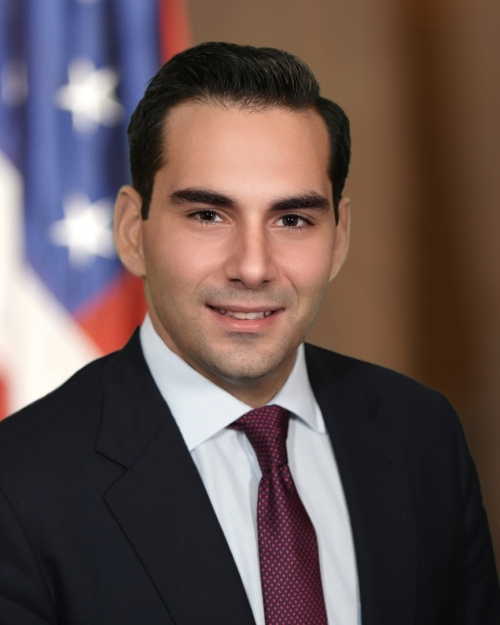
George Alvarez
George Alvarez House · District 78
D
Strong +
100% 27
Brian Cunningham
Brian Cunningham House · District 43
D
Strong +
100% 25
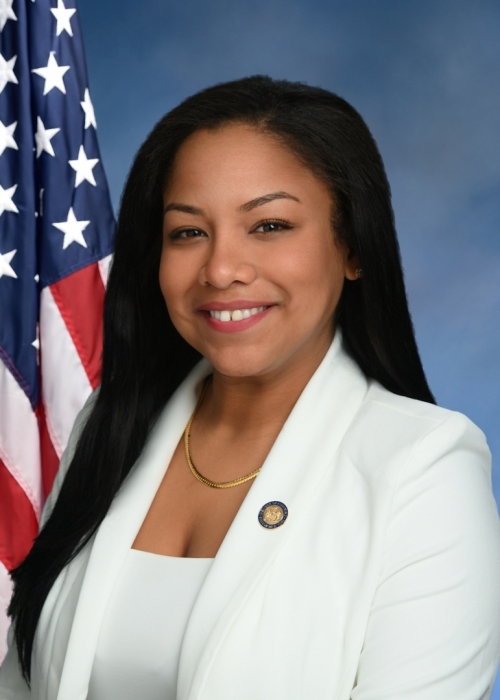
Amanda Septimo
Amanda Septimo House · District 84
D
Strong +
100% 24
Monique Chandler-Waterman
Monique Chandler-Waterman House · District 58
D
Strong +
100% 24
Chris Tague
Chris Tague House · District 102
R
Strong −
4% 28
Dave DiPietro
Dave DiPietro House · District 147
R
Strong −
4% 28
Chris Friend
Chris Friend House · District 124
R
Strong −
4% 26
Ed Ra
Ed Ra House · District 19
R
Strong −
7% 28
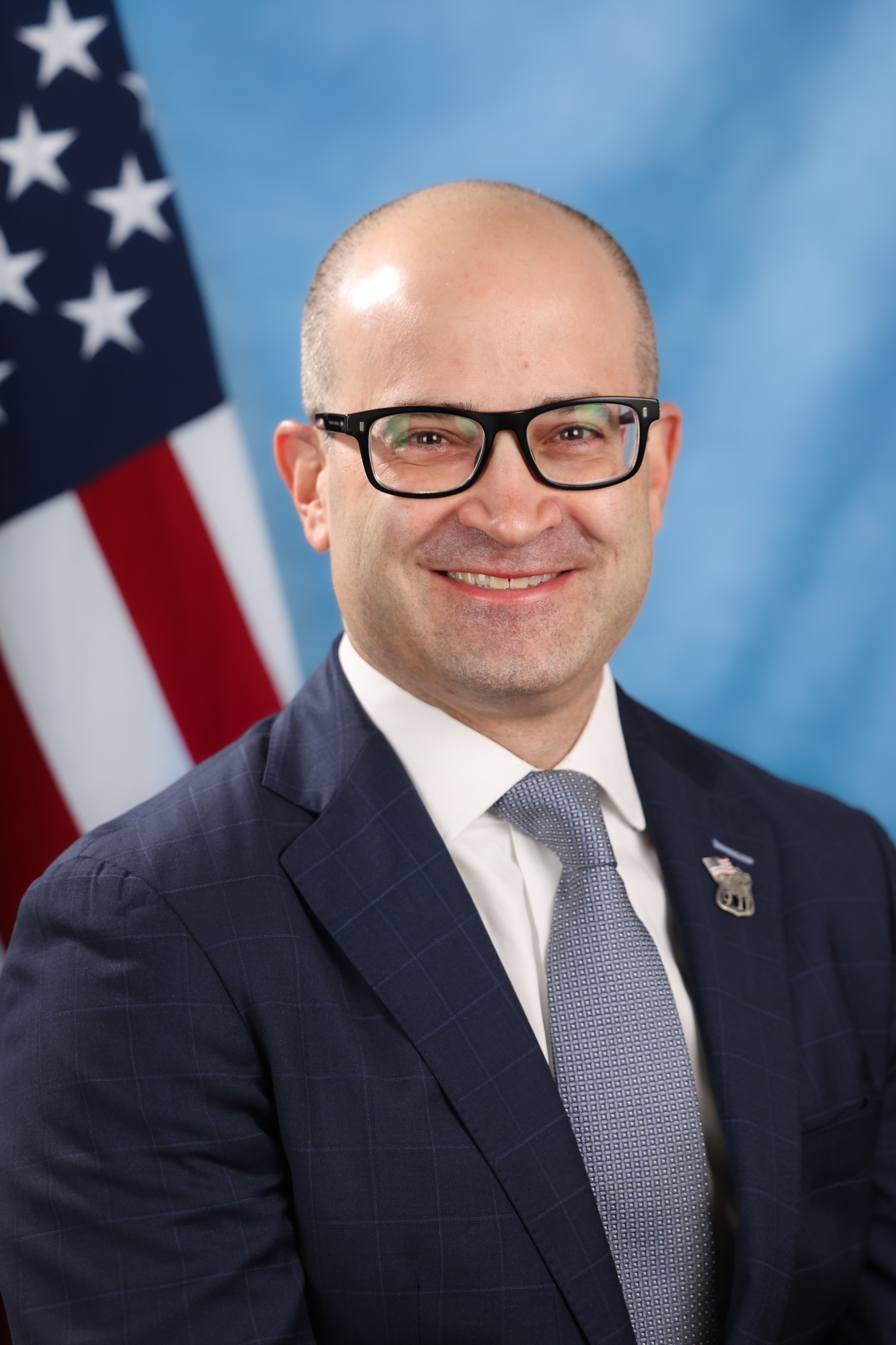
Jarett Gandolfo
Jarett Gandolfo House · District 7
R
Strong −
7% 28
Showing 531–540 of 583 bills

All criminal justice bills

failed · New York · Assembly Jan 7, 2026

A 1596: Requires mandatory jail time for violators of orders of protection

Bill A 1596 mandates specific minimum jail sentences for individuals who violate an existing order of protection by committing a family offense. For a first such violation, courts would be required to impose a jail term of no less than five days. A second violation involving a family offense would incur a mandatory minimum of fifteen days, while a third or subsequent violation would require a minimum of thirty days. This bill directly affects individuals who are found to have violated an order of protection through the commission of a family offense.
in committee · New York · Senate Jan 7, 2026

S 224: Increases the designation of certain offenses relating to unlawfully fleeing a police officer and makes such offenses eligible for bail

This bill (S 224) amends New York's penal law to upgrade the felony classifications for unlawful fleeing a police officer in a motor vehicle (from E to D felony for third degree, D to C for second degree, and C for first degree). It also adds these specific fleeing offenses to the list of crimes subject to bail eligibility determinations under criminal procedure law. Under the changes, courts must evaluate whether a defendant charged with such fleeing offenses (third, second, or first degree) should be released on bail or held, considering factors like "harm to an identifiable person or property" as outlined in sections 510.10, 530.20, and 530.40. This affects individuals charged with these fleeing offenses during bail hearings.
Sub-Topics Policing
in committee · New York · Senate Jan 7, 2026

S 5899: Enacts "Cesar's law" to require the retaking of parolees who abscond from the supervision of the state board of parole

S 5899, "Cesar's law," requires the state board of parole to immediately issue a warrant and notify law enforcement when a parolee flees supervision. It directly affects parolees who abscond and the parole board, mandating they take specific action instead of allowing delays. The law specifies the board must declare the person "delinquent," issue a retaking warrant, and inform local police without delay upon reasonable belief of absconding. This policy change adds a concrete procedural step for parole supervision compliance, ensuring prompt action on absconders while preserving the parolee's right to a hearing after being recaptured.
failed · New York · Assembly May 5, 2026

A 5116: Prohibits the release of persons convicted of first degree murder

This bill (A 5116) prohibits the release of individuals convicted of first-degree murder through parole or any other means. It mandates that courts must sentence such offenders to either the death penalty or life imprisonment without parole, eliminating any possibility of parole consideration. The law directly affects people convicted of first-degree murder under New York Penal Law, requiring mandatory life sentences without parole options for this specific crime. The bill amends existing sentencing provisions to ensure no release is permitted for these offenders.
in committee · New York · Senate Jan 7, 2026

S 108: Establishes the crime of failure to retreat

Establishes the crime of failure to retreat when a person who is within twenty-five feet of a police officer or peace officer engaged in the performance of their duties and the police officer or peace officer orders such person to halt or retreat and the person fails to do so immediately; requires the posting of bail.
Sub-Topics Policing
in committee · New York · Senate Jan 7, 2026

S 5880: Relates to qualifying offenses for pre-trial detention

This bill amends New York's criminal procedure law to remove an exception that previously allowed certain drug-related class A felonies to qualify for pre-trial detention. Specifically, it eliminates the exclusion for controlled substances offenses in class A felony cases, meaning all class A felonies (including drug-related ones) now meet the standard for pre-trial detention eligibility. The change directly affects individuals charged with class A felonies involving controlled substances, who may now face pre-trial detention under the same criteria as other serious felony cases. The bill modifies Section 510.10 of the criminal procedure law and takes effect immediately upon enactment.
in committee · New York · Senate Jan 7, 2026

S 4592: Allows evidence of a defendant's prior crimes or acts to be admissible in a criminal case for certain purposes

Allows evidence of a defendant's prior crimes or acts to be admissible in a criminal case for certain purposes including as proof of motive, opportunity, intent, preparation, plan, knowledge, state of mind of the defendant, state of mind of the victim or other party, absence of mistake or accident, identity, modus operandi, or common scheme or plan; requires that the prosecution provide reasonable notice of the general nature of any such evidence it intends to introduce at trial.
in committee · New York · Senate Jan 7, 2026

S 7299: Creates the crime of tampering with electronic monitoring equipment

S 7299 creates a new class E felony offense for tampering with electronic monitoring equipment, such as ankle monitors used as a condition of pretrial release. The bill defines this as intentionally damaging, altering, or interfering with such devices without legal authority, directly affecting individuals under court-ordered electronic monitoring. It amends multiple sections of the criminal procedure law to include "tampering with electronic monitoring equipment" as a qualifying offense that may prevent release on recognizance or require bail. This policy change specifically targets interference with monitoring devices used to track defendants' compliance with release conditions. The law takes effect immediately upon enactment.
Sub-Topics Courts
in committee · New York · Senate Jan 7, 2026

S 7076: Increases certain penalties for certain crimes relating to criminal possession of a weapon or firearm and to the release of information pertaining to youthful and adolescent offenders; repealer

Increases certain penalties for certain crimes relating to criminal possession of a weapon or firearm; relates to the release of information to the public, schools or law enforcement pertaining to youthful and adolescent offenders; establishes the crime of criminal solicitation of a minor in a violent felony; repeals certain provisions relating to disclosure of law enforcement arrest or booking photographs of an individual.
in committee · New York · Assembly Jan 7, 2026

A 6074: Relates to authorizing bail and pre-trial detention for arson felonies

This bill amends New York's criminal procedure law to explicitly include arson felonies in the list of offenses where bail or pre-trial detention may be authorized. It adds "arson in the fourth degree" and "arson in the third degree" to existing provisions governing bail decisions for crimes involving harm to people or property. The law requires prosecutors to show reasonable cause that the defendant committed both the arson charge and any underlying crime, though courts may still release defendants if property harm is deemed negligible and unrelated to other criminal activity. This affects individuals charged with arson felonies who are already out on bail or awaiting arraignment for other serious offenses.
Showing 531 to 540 of 583 bills
Previous 1 … 53 54 55 … 59 Next