Issue · Criminal Justice

Criminal Justice

Every criminal justice bill, vote, and legislator stance in New York, automatically classified by Maddy, our AI policy reader.

Total bills
583
2025 Regular Session
Top supporter
Bill Magnarelli
100% support rate
Top opponent
Chris Tague
4% support rate
Ranked legislators
10
5 support · 5 oppose
Key legislators

Who's moving criminal justice in New York

Legislators moving criminal justice in New York
Legislator Party Stance Support rate Decisive votes
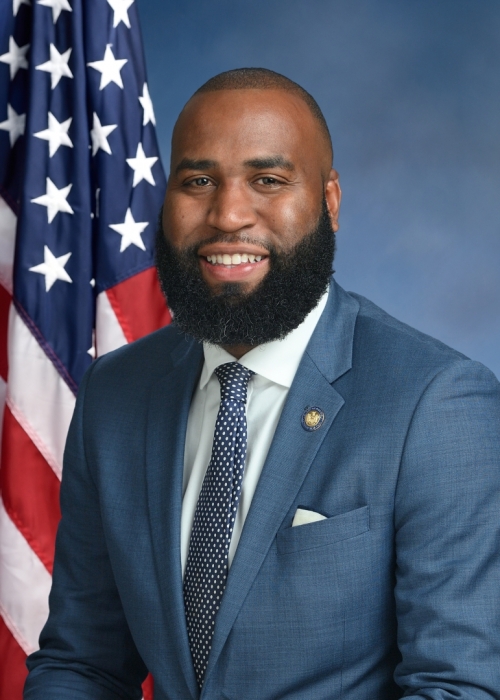
Bill Magnarelli
Bill Magnarelli House · District 129
D
Strong +
100% 27
George Alvarez
George Alvarez House · District 78
D
Strong +
100% 27
Brian Cunningham
Brian Cunningham House · District 43
D
Strong +
100% 25
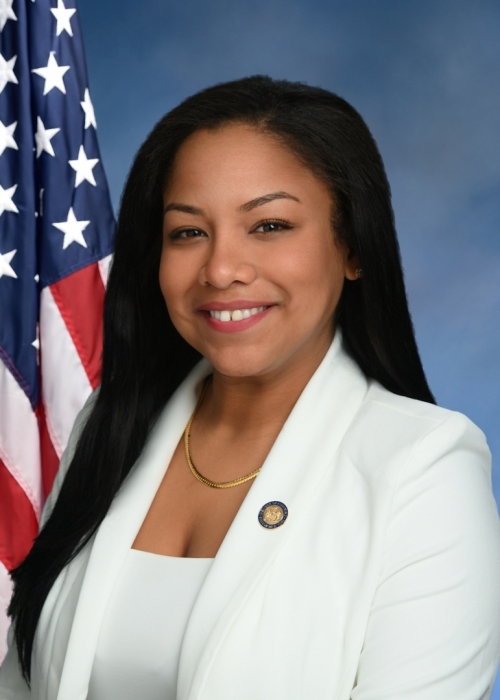
Amanda Septimo
Amanda Septimo House · District 84
D
Strong +
100% 24
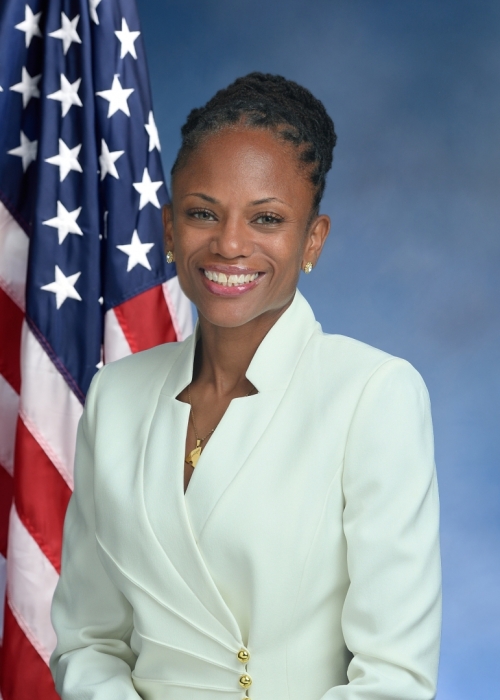
Monique Chandler-Waterman
Monique Chandler-Waterman House · District 58
D
Strong +
100% 24
Chris Tague
Chris Tague House · District 102
R
Strong −
4% 28
Dave DiPietro
Dave DiPietro House · District 147
R
Strong −
4% 28
Chris Friend
Chris Friend House · District 124
R
Strong −
4% 26
Ed Ra
Ed Ra House · District 19
R
Strong −
7% 28
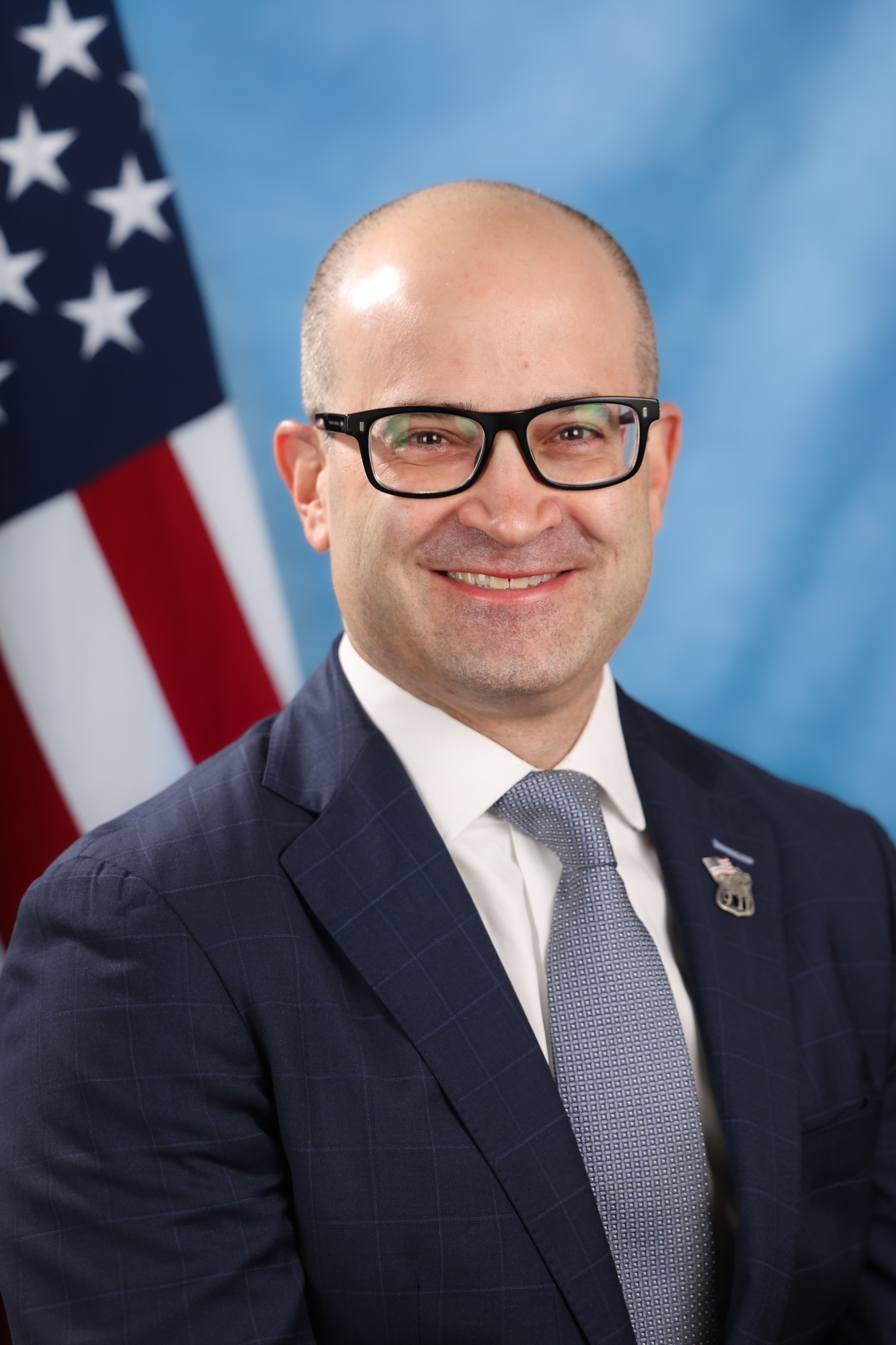
Jarett Gandolfo
Jarett Gandolfo House · District 7
R
Strong −
7% 28
Showing 501–510 of 583 bills

All criminal justice bills

in committee · New York · Assembly Jan 7, 2026

A 8993: Increases penalties for assaulting, stalking, or harassing an elected official

This bill increases criminal penalties for assaulting, stalking, or harassing elected officials in New York State. It specifically targets acts causing serious injury to officials (including local leaders like town board or school board members) or threatening their safety, making these offenses felonies with higher penalties. Assault becomes a class C felony, aggravated assault a class B felony, stalking a class D felony, and certain harassment a class E felony. These changes apply to anyone who intentionally harms an official or their immediate family while they perform public duties.
in committee · New York · Senate Jan 7, 2026

S 2013: Relates to criminalizing the sale, use and possession of synthetic drugs

This bill criminalizes the sale, use, or possession of synthetic drugs (like "bath salts," "spice," or "synthetic marijuana") without a valid prescription. It broadly defines "synthetic drugs" to cover multiple chemical categories - including synthetic cannabinoids, cathinones, and related compounds - plus any structural analogs. The only exception is if a licensed physician prescribed the drug and the person can provide written proof to law enforcement. Each violation is treated as a separate offense, directly affecting individuals using these products without medical authorization.
Sub-Topics Drug Policy
in committee · New York · Senate Jan 7, 2026

S 2576: Relates to the definition of person for the purposes of homicide

S 2576 amends New York's criminal code to define "person" in homicide cases as a living, born human being. This change, named "Mya's law," specifies that only individuals who have been fully born and are alive qualify as homicide victims under the law. The bill takes immediate effect upon enactment. It directly affects how homicide charges are applied, particularly in cases involving infants or unborn individuals.
Sub-Topics Violent Crime
in committee · New York · Assembly Jan 7, 2026

A 5241: Includes peace officers in certain offenses against public safety

This bill amends New York's penal law to explicitly include "peace officers" (such as sheriffs, campus police, or other designated officers) in existing laws about fleeing police in a vehicle. It creates three levels of offenses: a class A misdemeanor for fleeing at excessive speeds (third degree), a class E felony if serious injury occurs (second degree), and a class D felony if death results (first degree). The law directly affects drivers who flee from peace officers and officers who may face enhanced penalties when fleeing occurs. It also updates vehicle law to clarify that peace officer vehicles qualify as authorized emergency vehicles. The changes take effect immediately upon enactment.
Sub-Topics Policing
in committee · New York · Senate Jan 7, 2026

S 5068: Requires sex offenders who fail to register or verify twice or more to wear a location-tracking device

Requires sex offenders who fail to register or verify their registration on two or more occasions to wear a location-tracking device while on probation, parole, conditional release or post-release supervision; establishes failure to wear such device shall be a class D felony and grounds for revocation of parole and probation.
Sub-Topics Probation & Parole
in committee · New York · Senate Jan 7, 2026

S 6932: Relates to hate crimes and bail eligibility

This bill modifies New York's bail eligibility rules for defendants charged with hate crimes. It adds "a hate crime as defined in article 485 of the Penal Law" to the list of offenses where defendants may not be released on their own recognizance or under non-monetary conditions. Prosecutors must now show reasonable cause that the defendant committed both the hate crime and any underlying offense. The change applies to cases where the alleged hate crime occurred while the defendant was already released on bail or awaiting arraignment for another qualifying offense. This policy directly affects individuals charged with hate crimes under New York law during bail hearings.
Sub-Topics Civil Rights
in committee · New York · Assembly Jan 7, 2026

A 4817: Establishes the crime of making a terroristic threat against a police officer

This bill creates a new criminal offense for threatening to commit violence against police officers with specific intent. It makes it a class C felony to threaten a police officer with the goal of intimidating civilians, influencing government policy, or affecting government conduct through violence. The law applies to anyone who makes such threats, regardless of whether they could actually carry out the threat. This directly affects individuals who make terroristic threats targeting law enforcement officers. The penalty for violating this law is a serious criminal charge, punishable as a class C felony.
Sub-Topics Policing
in committee · New York · Senate Jan 7, 2026

S 283: Designates offenses against law enforcement officers as hate crimes and makes graffiti a hate crime

This bill (S 283) reclassifies attacks against law enforcement officers and graffiti as hate crimes under New York law. It expands the definition of hate crimes to include offenses committed "because of actual or perceived employment as a law enforcement officer" and adds "making graffiti" (specifically under penal law section 145.60) to the list of acts considered hate crimes. This change means that when someone commits assault or vandalism targeting officers or creates graffiti, prosecutors can pursue enhanced penalties under hate crime statutes. The law directly affects individuals committing these acts and changes how such offenses are legally categorized, without altering existing penalties for the underlying crimes.
in committee · New York · Senate Jan 7, 2026

S 7019: Relates to tampering with electronic monitoring equipment

This bill creates two new criminal offenses related to interfering with electronic monitoring devices (like ankle bracelets used for house arrest or probation). It makes it a class A misdemeanor to intentionally tamper with or damage such equipment without authorization to disrupt its signals (second degree), and a class E felony if the tampering occurs while committing a serious felony (first degree). The first-degree offense requires the sentence to run consecutively to the underlying felony. The law directly affects individuals under electronic monitoring who attempt to bypass or disable the tracking devices.
Sub-Topics Probation & Parole
failed · New York · Assembly Apr 21, 2026

A 4124: Establishes the crime of aggravated grand larceny

This bill (A 4124) creates a new crime called "aggravated grand larceny" for individuals who steal motor vehicles and have a prior conviction for similar theft (grand larceny in the fourth degree) within the past five years. It classifies this offense as a class D felony, punishable by up to seven years in prison. The bill directly affects repeat offenders who commit vehicle thefts, making their second such offense a more serious felony. The law updates legal definitions in the penal and criminal procedure codes to include this new category for sentencing and bail considerations.
Sub-Topics Sentencing
Showing 501 to 510 of 583 bills
Previous 1 … 50 51 52 … 59 Next