Issue · Criminal Justice

Criminal Justice (Violent Crime)

Every criminal justice bill, vote, and legislator stance in New York, automatically classified by Maddy, our AI policy reader.

Total bills
66
2025 Regular Session
Top supporter
Julia Salazar
100% support rate
Top opponent
Patrick Gallivan
0% support rate
Ranked legislators
9
5 support · 4 oppose
Key legislators

Who's moving violent crime in New York

Legislators moving violent crime in New York
Legislator Party Stance Support rate Votes
Julia Salazar
Julia Salazar Senate · District 18
D
Strong +
100% 6
Luis Sepúlveda
Luis Sepúlveda Senate · District 32
D
Strong +
100% 6
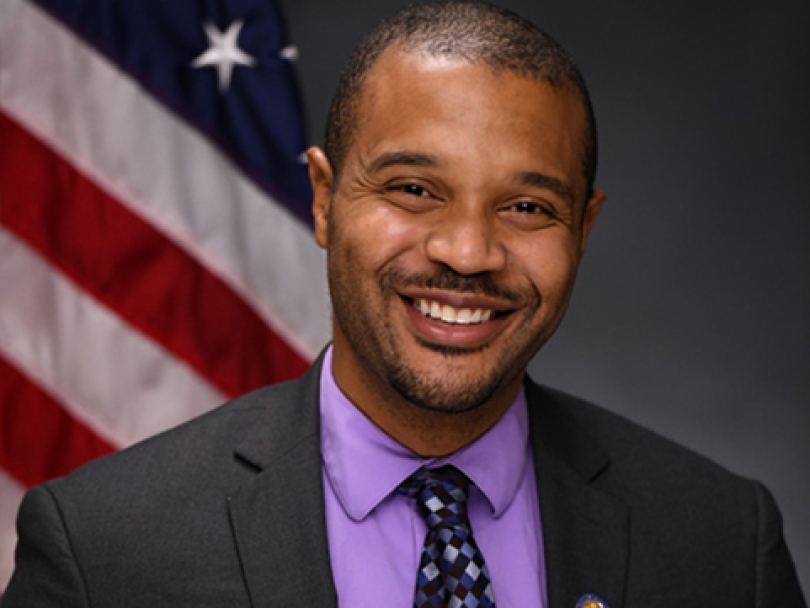
Jabari Brisport
Jabari Brisport Senate · District 25
D
Strong +
100% 5
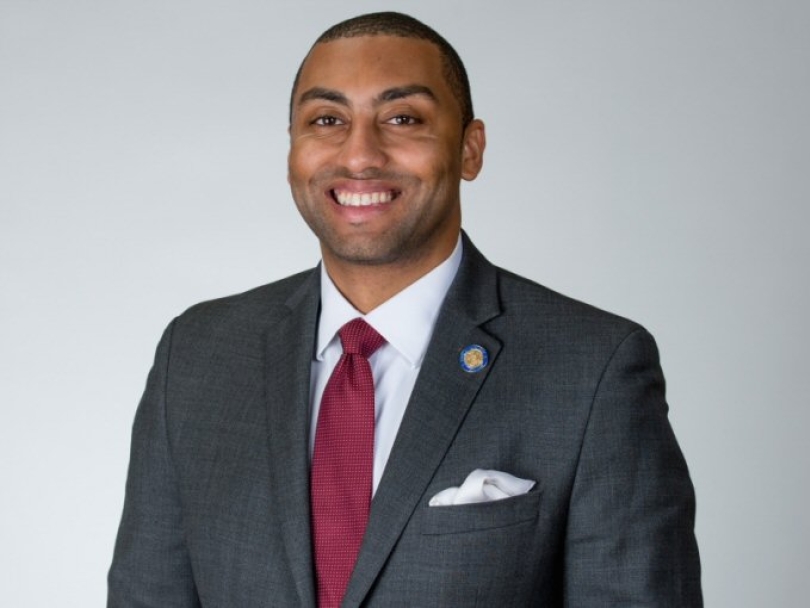
Jamaal Bailey
Jamaal Bailey Senate · District 36
D
Strong +
83% 6
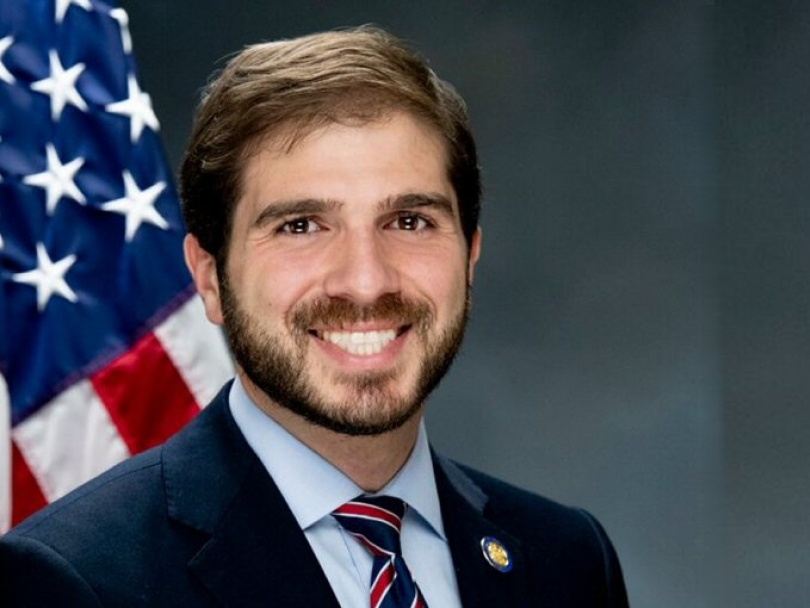
Andrew Gounardes
Andrew Gounardes Senate · District 26
D
Strong +
80% 5
Patrick Gallivan
Patrick Gallivan Senate · District 60
R
Strong −
0% 5
Tom O'Mara
Tom O'Mara Senate · District 58
R
Strong −
0% 5
Tony Palumbo
Tony Palumbo Senate · District 1
R
Strong −
0% 5
Dean Murray
Dean Murray Senate · District 3
R
Strong −
20% 5
Showing 41–50 of 66 bills

All criminal justice bills

in committee · New York · Senate Jan 7, 2026

S 5610: Relates to the statute of limitations for certain assault offenses committed against a member of the same family or household

This bill extends the time limit for prosecuting first-degree assault against family or household members from the standard period to ten years. It directly affects victims of such assaults and prosecutors who must file charges within this new timeframe. The key provision adds a specific ten-year window for cases involving assault in the first degree (as defined in Penal Law §120.10) committed against someone in the same household or family, as defined in Penal Law §530.11. This change applies immediately upon enactment and modifies the criminal procedure law to prioritize these cases.
Sub-Topics Violent Crime
failed · New York · Assembly Jan 7, 2026

A 5579: Relates to acts of domestic violence committed in the presence of children

Bill A 5579 establishes a new Class E felony offense for individuals who commit acts of domestic violence in the presence of a child aged 15 years or less. It defines "domestic violence crime" as intentionally committing a specified offense, such as various degrees of assault, menacing, or sexual abuse, against a member of the same family or household. The bill specifies who qualifies as a family or household member for these purposes. Any sentence imposed for this new felony would be served consecutively to the sentence for the underlying domestic violence offense.
in committee · New York · Senate Mar 27, 2025

S 6978: Removes statute of limitations for certain civil actions related to child sexual assault offenses

This bill removes time limits for civil lawsuits related to childhood sexual abuse. It allows victims to file lawsuits at any time after the abuse occurred, regardless of when it happened, as long as they were under 18 at the time. The law covers civil claims for physical, psychological, or other injuries from offenses including rape, incest, sex trafficking, and child sexual performances as defined in New York's penal law. It specifically applies to cases where the abuse occurred before the victim turned 18, and does not require a prior criminal conviction to file a civil claim.
in committee · New York · Assembly Jan 7, 2026

A 3465: Relates to establishing the crime of domestic violence

This bill establishes "domestic violence" as a specific class A misdemeanor offense under New York law. It applies when someone commits certain defined misdemeanors (like assault, menacing, or harassment) against a person with whom they have a close relationship, including current/former spouses, parents/guardians, co-parents, or cohabitants. The law specifies exactly which misdemeanor offenses qualify and defines the required relationships between the defendant and victim. It creates a new legal category for these cases, making them punishable as the most serious type of misdemeanor. The bill is currently referred to the Codes committee for further review.
in committee · New York · Senate Jan 7, 2026

S 4285: Increase the types of firearms that are to be included in the firearm ballistic identification database

This bill requires firearm manufacturers shipping weapons into New York to include a sealed container with each firearm containing a shell casing discharged from that weapon. It also mandates gunsmiths and dealers to submit these casings to the state police within 10 days if manufacturers fail to comply, or obtain them through a state-operated program. The state police will maintain an automated database storing ballistic information to help match shell casings to specific firearms during investigations. This expands the current database to cover all firearms defined in the penal law, including rifles and assault weapons, directly affecting manufacturers, dealers, and law enforcement.
failed · New York · Assembly Jan 7, 2026

A 3334: Relates to assault on a member of an auxiliary police program

This bill amends New York's penal law to explicitly include "on-duty auxiliary police officers" within the legal definition of assault in the second degree. It directly affects auxiliary police officers by ensuring that injuring them while they're performing duties is treated as assault in the second degree, aligning their protection with that of regular police officers and other first responders. The key change is adding auxiliary officers to the list of protected personnel in the statute, without creating new penalties or altering existing legal standards for assault.
Sub-Topics Policing Violent Crime
in committee · New York · Assembly Jan 7, 2026

A 1650: Relates to removing the requirement that physical injury be caused under the crimes of aggravated sexual abuse in the third and fourth degrees

This bill amends New York's criminal code to remove the requirement that physical injury must occur for certain aggravated sexual abuse charges. It changes the definitions for third and fourth degree aggravated sexual abuse, so prosecutors no longer need to prove physical injury occurred when a victim is incapable of consenting due to factors like age (under 17) or mental disability/incapacity. The bill directly affects victims of sexual assault where the perpetrator inserts objects or body parts into the victim's body, shifting the legal focus from proving physical harm to proving the victim's inability to consent. The key change simplifies prosecution by eliminating the physical injury element for these specific offenses.
Sub-Topics Violent Crime
in committee · New York · Senate Jan 7, 2026

S 6456: Expands prison work release program eligibility and participation

Bill S 6456 expands eligibility for incarcerated individuals to participate in prison work release programs by extending the required proximity to parole or conditional release. Most participants will now be eligible three years, instead of two, prior to release, and those with certain violent offenses will be eligible thirty months, up from eighteen. The bill also extends this three-year eligibility to individuals convicted of homicide offenses related to domestic abuse by the victim. Furthermore, it prohibits the governor from issuing executive orders to exclude classes of otherwise eligible individuals and adds aggravated harassment of an employee by an incarcerated individual to the list of ineligible offenses.
in committee · New York · Senate Jan 7, 2026

S 296: Elevates assault of a code enforcement official to the class D felony of assault in the second degree

This bill elevates assaulting a code enforcement official to a class D felony (second-degree assault), making it a more serious criminal charge. It directly affects code enforcement officials (who inspect buildings, zoning, and health codes) and individuals who assault them, by adding them to a list of protected personnel under New York's assault law. The key change is expanding the existing penal law to specifically include code enforcement officials among those whose assault carries felony penalties, rather than lesser offenses. This policy shift increases potential legal consequences for violence against these public safety workers.
Sub-Topics Violent Crime
in committee · New York · Assembly Jan 7, 2026

A 327: Requires that a defendant must be over twenty-five years old to be guilty of felony murder

This bill (A 327) changes the felony murder rule in New York law by requiring defendants to be over 25 years old to face felony murder charges. It directly affects individuals under 25 who commit certain violent crimes - like robbery, burglary, or kidnapping - that result in death. The key provision amends the penal law to add an age threshold: only defendants aged 25 or older can be charged with felony murder when causing death during these specific offenses. This eliminates felony murder liability for under-25 defendants in the listed scenarios, though it does not change liability for other murder charges.
Sub-Topics Violent Crime
Showing 41 to 50 of 66 bills
Previous 1 4 5 6 7 Next