Issue · Criminal Justice

Criminal Justice (Sentencing)

Every criminal justice bill, vote, and legislator stance in New York, automatically classified by Maddy, our AI policy reader.

Total bills
60
2025 Regular Session
Top supporter
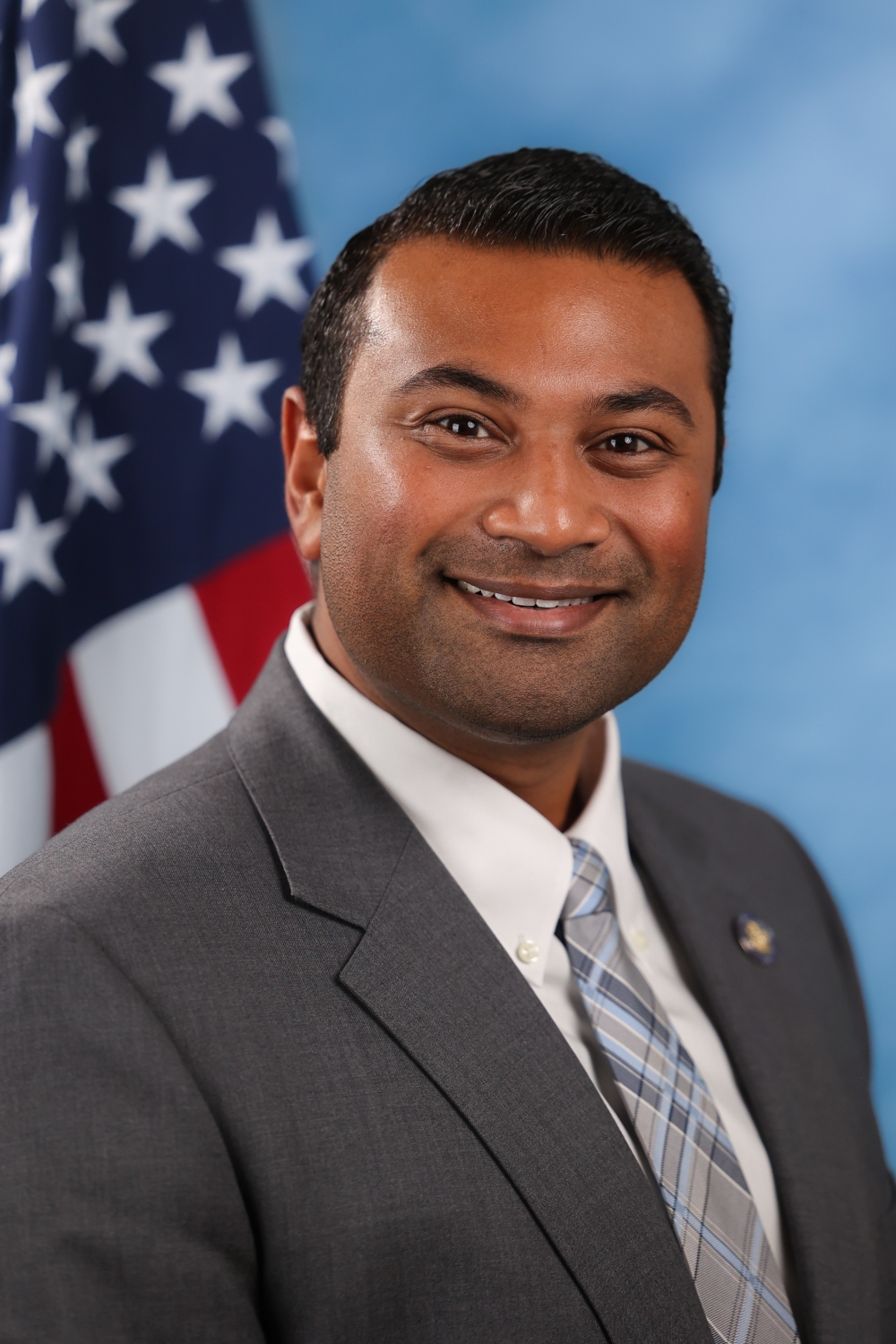
Brian Kavanagh
100% support rate
Top opponent
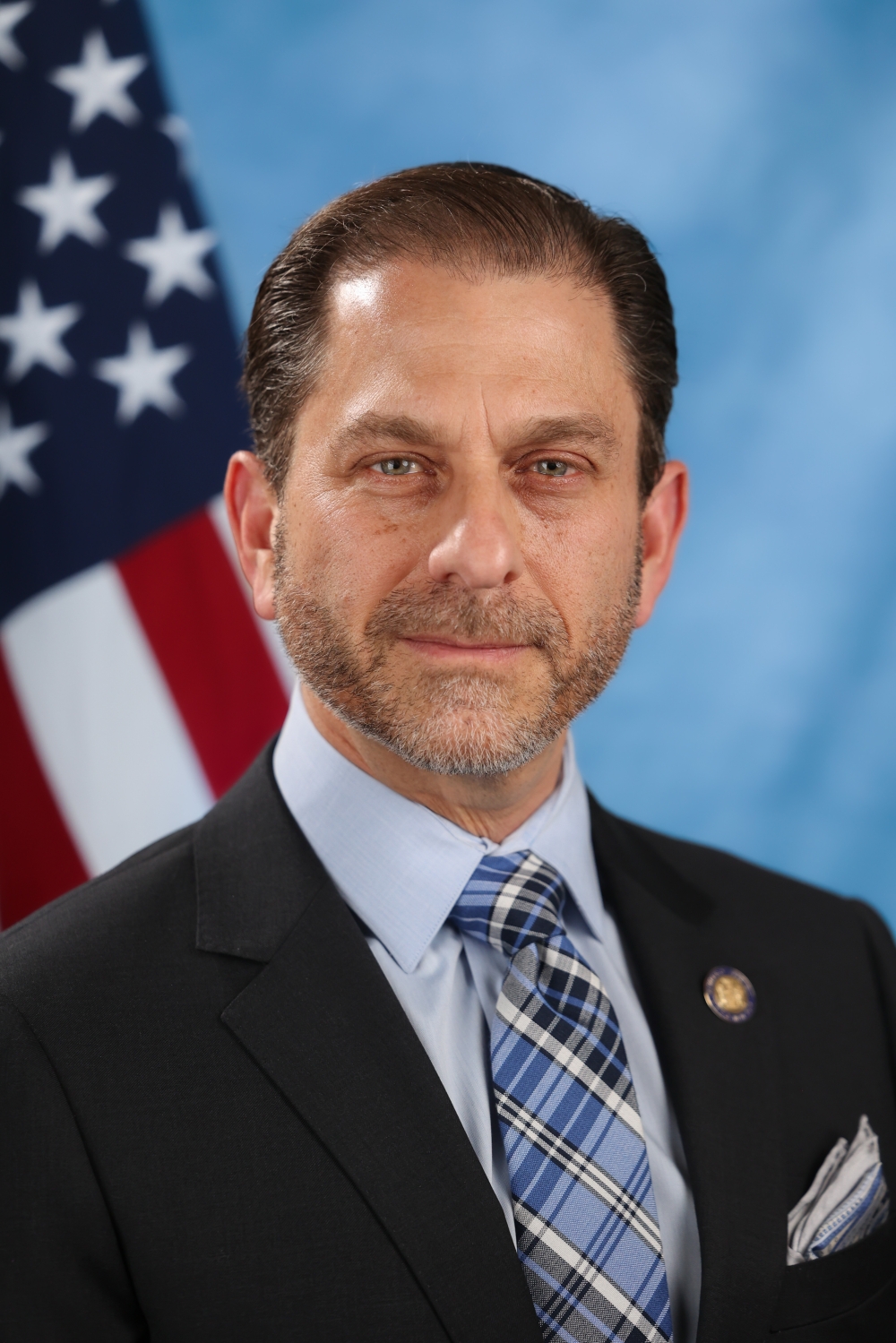
Dean Murray
0% support rate
Ranked legislators
10
5 support · 5 oppose
Key legislators

Who's moving sentencing in New York

Legislators moving sentencing in New York
Legislator Party Stance Support rate Decisive votes
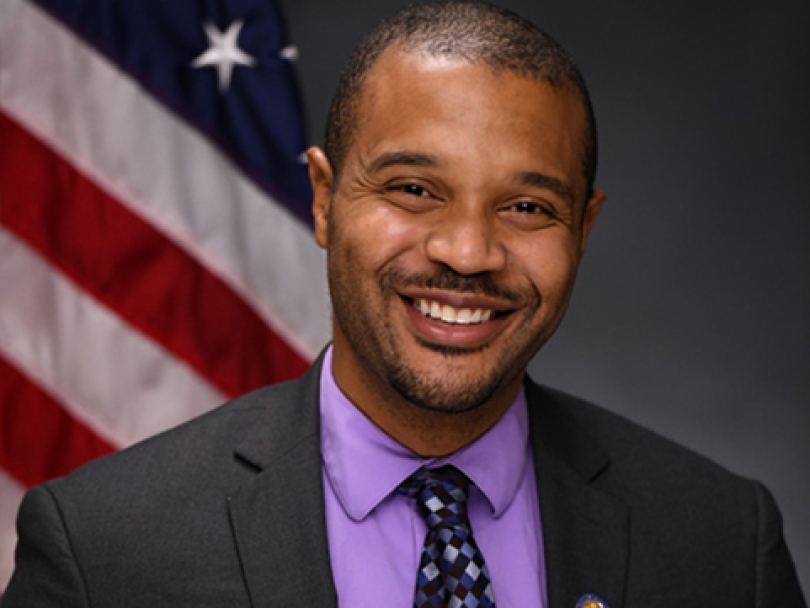
Brian Kavanagh
Brian Kavanagh Senate · District 27
D
Strong +
100% 6
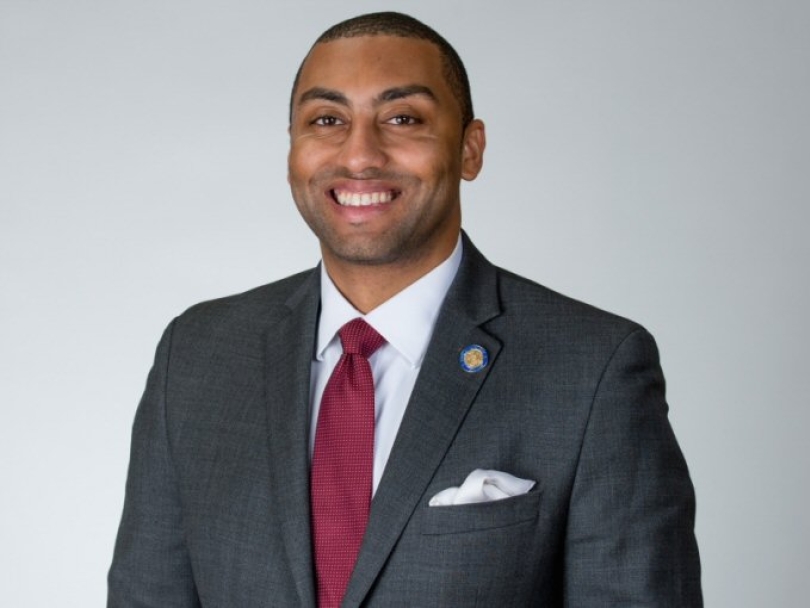
Jabari Brisport
Jabari Brisport Senate · District 25
D
Strong +
100% 6
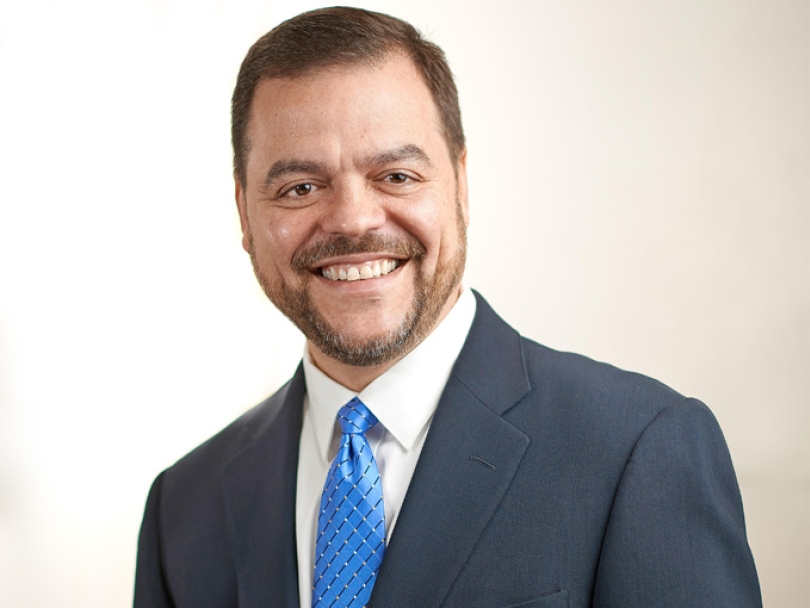
Jamaal Bailey
Jamaal Bailey Senate · District 36
D
Strong +
100% 6
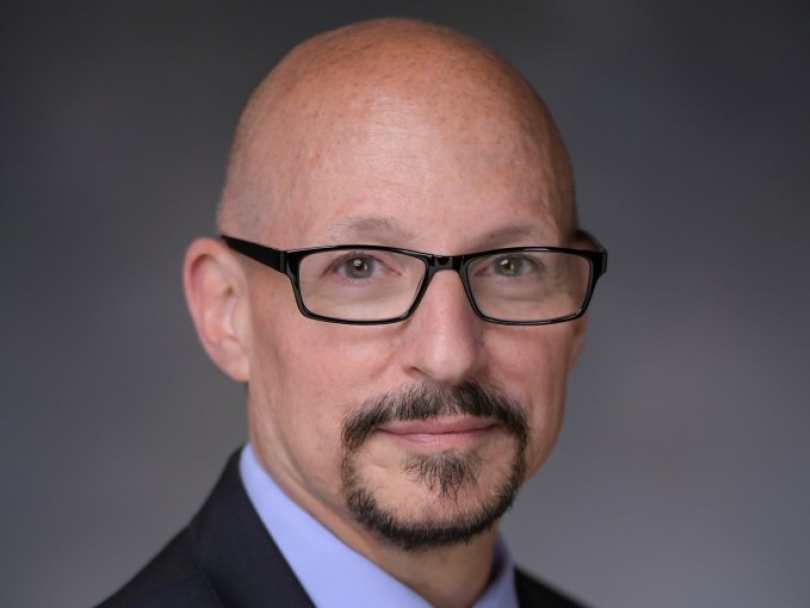
Julia Salazar
Julia Salazar Senate · District 18
D
Strong +
100% 6
Luis Sepúlveda
Luis Sepúlveda Senate · District 32
D
Strong +
100% 6
Dean Murray
Dean Murray Senate · District 3
R
Strong −
0% 6
Tom O'Mara
Tom O'Mara Senate · District 58
R
Strong −
0% 6
Alexis Weik
Alexis Weik Senate · District 8
R
Strong −
0% 3
Anil Beephan
Anil Beephan House · District 105
R
Strong −
0% 3
Ari Brown
Ari Brown House · District 20
R
Strong −
0% 3
Showing 41–50 of 60 bills

All criminal justice bills

in committee · New York · Assembly Jan 7, 2026

A 5165: Provides that sentence for commission of certain provisions of murder in the first degree is death or life without parole

This bill (A 5165) changes sentencing requirements for certain serious crimes in New York. It mandates that defendants convicted of specific types of first-degree murder (as defined in sections 125.27(i)-(iii) of the penal law), aggravated murder, or certain terrorism/chemical weapon offenses must receive either the death penalty or life imprisonment without parole. For other first-degree murder convictions, the court must choose between death, life without parole, or a standard class A-I felony sentence. The bill also specifies that individuals convicted of murder in the second degree under defined circumstances must receive life without parole. These changes apply directly to defendants convicted of the listed offenses in New York State.
failed · New York · Assembly Jan 7, 2026

A 1578: Relates to sentencing of person convicted of murdering a minor

Provides that a person convicted of murder in the first or second degree, or aggravated murder, in the death of a minor shall be sentenced to life imprisonment without parole.
failed · New York · Assembly Apr 21, 2026

A 4124: Establishes the crime of aggravated grand larceny

This bill (A 4124) creates a new crime called "aggravated grand larceny" for individuals who steal motor vehicles and have a prior conviction for similar theft (grand larceny in the fourth degree) within the past five years. It classifies this offense as a class D felony, punishable by up to seven years in prison. The bill directly affects repeat offenders who commit vehicle thefts, making their second such offense a more serious felony. The law updates legal definitions in the penal and criminal procedure codes to include this new category for sentencing and bail considerations.
Sub-Topics Sentencing
in committee · New York · Assembly Jan 7, 2026

A 6429: Relates to second felony drug offenders; repealer

This bill (A 6429) amends New York's penal law to remove an exception for second felony drug offenders. Specifically, it deletes language that previously allowed some second-time drug offenders (whose prior felony wasn't violent) to avoid mandatory sentencing. The bill repeals a related subdivision (Subdivision 4 of Section 70.70) and updates definitions in the criminal procedure law regarding prior convictions. These changes apply immediately to cases where sentencing occurs after the effective date, affecting second felony drug offenders who would no longer qualify for the removed exception.
Sub-Topics Drug Policy Sentencing
in committee · New York · Assembly Jan 7, 2026

A 7201: Relates to sentencing

This bill changes sentencing rules for youthful offenders (individuals under 18) who receive a "youthful offender finding" instead of a felony conviction. It requires courts to impose sentences based on the type of felony involved: for felonies in specific articles (e.g., violent or sex offenses), sentences follow class E felony guidelines, including mandatory post-release supervision. For other felonies, standard class E felony sentencing applies, but judges cannot issue conditional/unconditional discharges in certain cases. The law takes effect immediately for offenses committed on or after the effective date.
failed · New York · Assembly Jan 7, 2026

A 1596: Requires mandatory jail time for violators of orders of protection

Bill A 1596 mandates specific minimum jail sentences for individuals who violate an existing order of protection by committing a family offense. For a first such violation, courts would be required to impose a jail term of no less than five days. A second violation involving a family offense would incur a mandatory minimum of fifteen days, while a third or subsequent violation would require a minimum of thirty days. This bill directly affects individuals who are found to have violated an order of protection through the commission of a family offense.
failed · New York · Assembly May 5, 2026

A 5116: Prohibits the release of persons convicted of first degree murder

This bill (A 5116) prohibits the release of individuals convicted of first-degree murder through parole or any other means. It mandates that courts must sentence such offenders to either the death penalty or life imprisonment without parole, eliminating any possibility of parole consideration. The law directly affects people convicted of first-degree murder under New York Penal Law, requiring mandatory life sentences without parole options for this specific crime. The bill amends existing sentencing provisions to ensure no release is permitted for these offenders.
in committee · New York · Assembly Jan 7, 2026

A 1658: Requires a sentence of life imprisonment without parole for murder in the first degree, aggravated murder, and murder in the second degree

This bill requires life imprisonment without parole for individuals convicted of murder in the first degree, aggravated murder, or specific types of murder in the second degree. It eliminates parole eligibility for these offenders, mandating they serve their entire sentence in prison with no possibility of release. The law applies to all such convictions under the defined legal standards, removing alternative sentencing options like fixed prison terms. Additionally, the bill includes similar life without parole requirements for certain terrorism and chemical weapon offenses, but the primary focus centers on murder sentencing reforms.
in committee · New York · Assembly Jan 7, 2026

A 6525: Requires a sentence of life imprisonment without parole for murder in the first degree, aggravated murder, and murder in the second degree

This bill mandates a life imprisonment sentence without parole for specific murder convictions. It directly affects defendants convicted of first-degree murder involving the killing of a first responder, certain second-degree murders, or aggravated murder. The law requires courts to impose this sentence automatically in these cases, removing judicial discretion for these offenses. It does not apply to defendants under 18 at the time of the crime, who may still receive other sentencing options.
in committee · New York · Senate Jan 7, 2026

S 1412: Enacts the "chronic criminal act"

This bill creates a new class E felony offense called "aggravated criminal conduct" for individuals who commit a class A misdemeanor after having three or more prior misdemeanor or felony convictions within the preceding ten years. It directly affects people with multiple prior convictions who commit a serious misdemeanor, imposing felony penalties for repeat offenses. Key provisions define qualifying prior convictions (including out-of-state offenses with similar penalties) and adjust the ten-year lookback period to exclude time spent incarcerated. The bill also includes minor procedural updates to evidence rules for grand jury proceedings, but the main policy change is the new felony classification for repeat misdemeanor offenders. This is a substantive criminal law change, not a procedural or commemorative measure.
Sub-Topics Sentencing
Showing 41 to 50 of 60 bills
Previous 1 … 4 5 6 Next