Issue · Criminal Justice

Criminal Justice

Every criminal justice bill, vote, and legislator stance in New York, automatically classified by Maddy, our AI policy reader.

Total bills
583
2025 Regular Session
Top supporter
Bill Magnarelli
100% support rate
Top opponent
Chris Tague
4% support rate
Ranked legislators
10
5 support · 5 oppose
Key legislators

Who's moving criminal justice in New York

Legislators moving criminal justice in New York
Legislator Party Stance Support rate Decisive votes
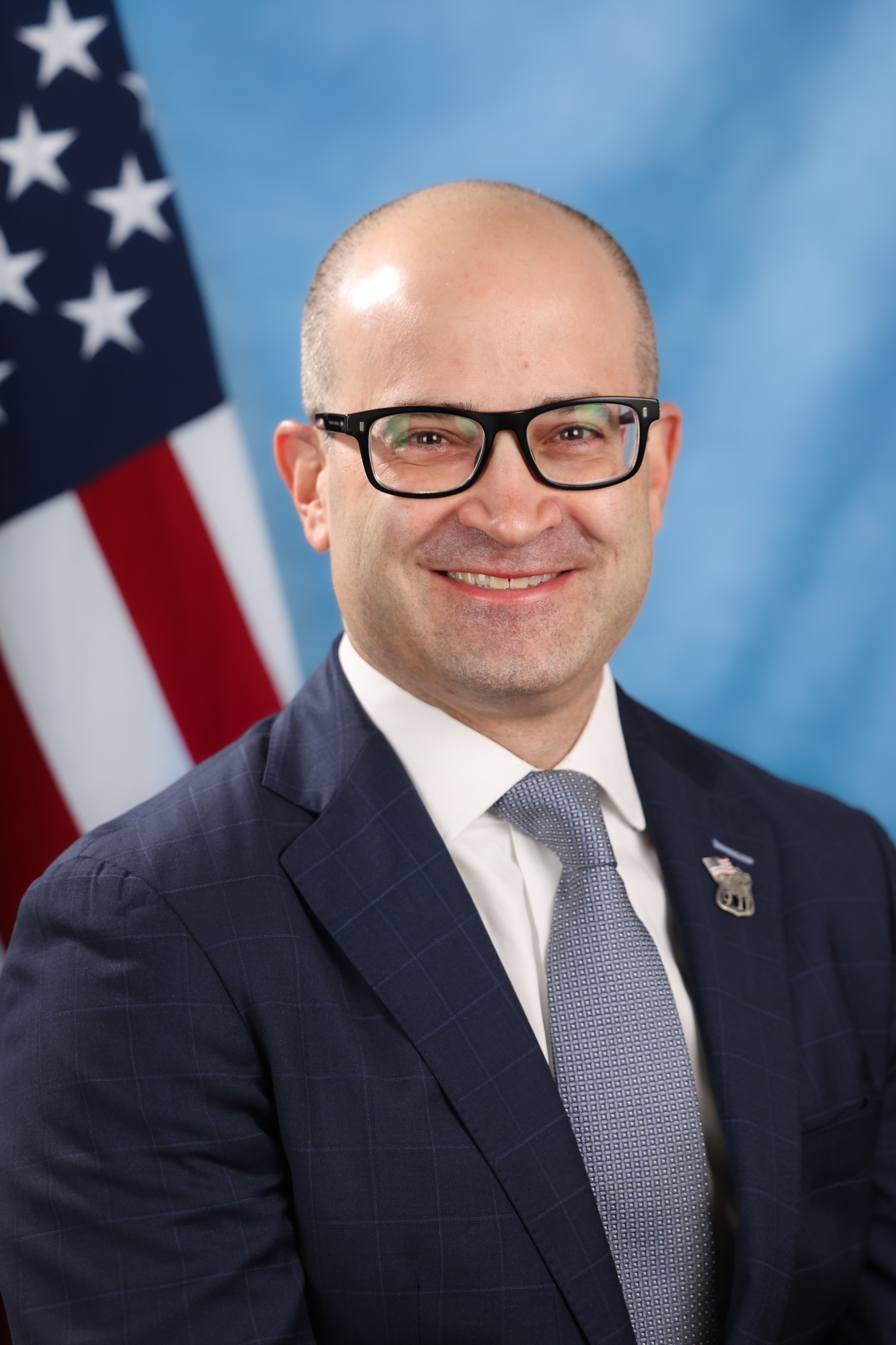
Bill Magnarelli
Bill Magnarelli House · District 129
D
Strong +
100% 27
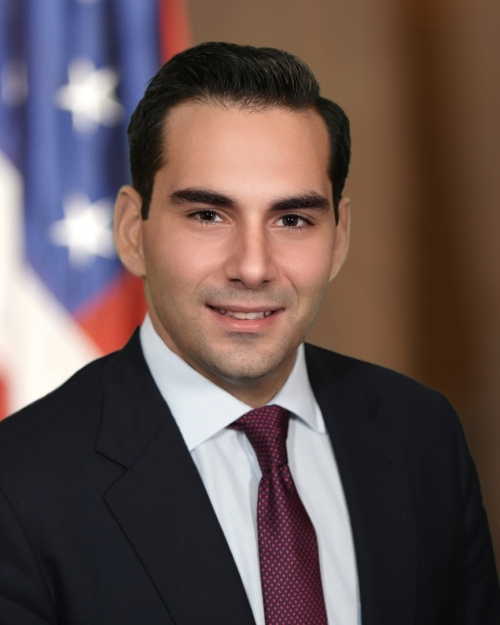
George Alvarez
George Alvarez House · District 78
D
Strong +
100% 27
Brian Cunningham
Brian Cunningham House · District 43
D
Strong +
100% 25
Amanda Septimo
Amanda Septimo House · District 84
D
Strong +
100% 24
Monique Chandler-Waterman
Monique Chandler-Waterman House · District 58
D
Strong +
100% 24
Chris Tague
Chris Tague House · District 102
R
Strong −
4% 28
Dave DiPietro
Dave DiPietro House · District 147
R
Strong −
4% 28
Chris Friend
Chris Friend House · District 124
R
Strong −
4% 26
Ed Ra
Ed Ra House · District 19
R
Strong −
7% 28
Jarett Gandolfo
Jarett Gandolfo House · District 7
R
Strong −
7% 28
Showing 381–390 of 583 bills

All criminal justice bills

in committee · New York · Senate Mar 23, 2026

S 7382: Relates to increasing penalties for certain larceny and fraud crimes against elderly persons

This bill increases penalties for theft and fraud targeting individuals aged 60 or older, classifying these crimes as Class B felonies. It directly affects elderly victims (60+) and perpetrators of such offenses, including common scams like identity theft or fake tech support calls. The law creates two new criminal provisions: Section 165.80 for theft against elderly persons and Section 190.91 for fraud against elderly persons, both elevating penalties from lesser offenses. This change reflects legislative intent to address a 14% rise in elder fraud complaints (2023) and $77.7 billion in global fraud linked to elderly victims annually.
Tags Seniors
failed · New York · Assembly Apr 21, 2026

A 5228: Enacts the criminal street gang abatement act of 2025; appropriation

Enacts the criminal street gang abatement act which provides enhanced penalties for persons involved with criminal street gangs; establishes the crime of gang solicitation of minors on school grounds; allows for roving interceptions by police after adequate cause is shown; establishes the witness protection fund.
Sub-Topics Policing
in committee · New York · Senate Jan 7, 2026

S 7824: Establishes certain offenses relating to crypto fraud

Bill S 7824 establishes new criminal offenses related to cryptocurrency fraud, impacting individuals and entities involved in virtual token transactions. It defines and prohibits three specific types of fraud: "virtual token fraud" for deceptive practices in crypto dealings, "illegal rug pulls" where developers make misrepresentations and abandon projects causing losses, and "private key fraud" for unauthorized access or misuse of a person's digital asset keys. Violators could face significant civil fines up to $25 million or imprisonment for up to 20 years, or both. The bill aims to provide legal protections against fraudulent activities within the digital asset space.
Sub-Topics Emerging Technology
in committee · New York · Assembly Jan 7, 2026

A 5500: Creates the crime of stalking a police officer or peace officer

Creates the crime of stalking a police officer or peace officer when a person intentionally, and for no legitimate purpose, engages in a course of conduct directed at a specific police officer, peace officer or a person who they know or reasonably should know is a member of such officer's immediate family, and knows or reasonably should know that such conduct is likely to cause reasonable fear of material harm to the physical health, safety or property of such officer or member of such officer's immediate family; makes stalking a police officer or peace officer a class E felony; requires the posting of bail; makes related provisions.
in committee · New York · Assembly Jan 7, 2026

A 6736: Establishes certain offenses based on homicide due to criminal sale of a controlled substance and the criminal sale of a controlled substance to a child in the first degree

Establishes certain offenses based on homicide due to criminal sale of a controlled substance; establishes the offense of criminal sale of a controlled substance to a child in the first degree; expands the definition of controlled substances with respect to certain offenses; increases the felony classification of certain controlled substance offenses; includes electronic prescriptions and blank prescription forms in the definition of certain controlled substance offenses.
in committee · New York · Assembly Jan 7, 2026

A 3405: Establishes the crime of package theft in the fourth, third, second and first degrees

Establishes the crime of package theft in the fourth, third, second and first degrees; designates such crimes as a class A misdemeanor, class E felony, class D felony, and class B felony, respectively; provides instances that are not a defense to such crimes; provides for certain defenses to such crimes.
in committee · New York · Senate Jan 7, 2026

S 6203: Establishes the crimes of reckless endangerment of an emergency service person in the first and second degrees

S 6203 creates two new criminal offenses targeting actions that endanger emergency workers during building-related emergencies. It establishes "reckless endangerment of an emergency service person" as a second-degree felony (class E) when someone violates building codes during an emergency evacuation, impeding egress and causing injury to a firefighter, police officer, code enforcement officer, or other defined emergency personnel. A first-degree felony (class D) applies if the same violation causes death or if the person has a prior conviction for this offense within the last decade. The law directly affects building owners or contractors who alter structures without permits in ways that compromise safety during emergencies, with penalties increasing based on severity.
Sub-Topics Policing
in committee · New York · Senate Jan 7, 2026

S 1566: Prohibits sex offenders who are on parole and in civil confinement from voting in certain elections

This bill prohibits individuals convicted of certain sex offenses (under Penal Law Article 130) from voting if they are both on parole/conditional release and in civil commitment at a hospital or institution. It directly affects people meeting both conditions during their period of civil confinement. The law amends voting rights provisions in the Executive Law and Election Law to bar voting in all elections held while the person remains confined. The restriction applies only during the time of civil confinement, not for the entire parole period. The bill takes effect 30 days after enactment.
in committee · New York · Assembly Jan 7, 2026

A 3049: Establishes the crime of endangering the welfare of a child in the first degree

This bill creates a new criminal offense called "endangering the welfare of a child in the first degree" for individuals who knowingly or recklessly create a serious risk of physical injury or long-term harm to a child under 17. It specifically applies when someone causes physical injury to a child under 7, or has prior convictions for certain crimes involving children under 17. The offense is classified as a class E felony, carrying more severe penalties than the existing "second degree" offense (a class A misdemeanor). The law directly affects caregivers, parents, or others responsible for children's safety who fail to prevent serious harm.
in committee · New York · Assembly Jan 7, 2026

A 731: Relates to repeat offenders of driving accidents

This bill amends New York's Penal Law and Criminal Procedure Law to clarify the legal definition of "repeat offenders" specifically for driving-related offenses. It updates the definition of a "second felony offender" to include individuals convicted of a felony under the Vehicle and Traffic Law after previous felony convictions, and adjusts misdemeanor definitions to include driving-related offenses that could become felonies with prior convictions. The bill directly affects people with multiple driving accident convictions who also have prior felony records, changing how these cases are classified under repeat offender sentencing rules. The changes are technical definitions within existing law, not new penalties or programs.
Sub-Topics Sentencing
Showing 381 to 390 of 583 bills
Previous 1 … 38 39 40 … 59 Next