Issue · Criminal Justice

Criminal Justice

Every criminal justice bill, vote, and legislator stance in New York, automatically classified by Maddy, our AI policy reader.

Total bills
1,570
2025 Regular Session
Top supporter
Bill Magnarelli
100% support rate
Top opponent
Chris Tague
4% support rate
Ranked legislators
10
5 support · 5 oppose
Key legislators

Who's moving criminal justice in New York

Legislators moving criminal justice in New York
Legislator Party Stance Support rate Decisive votes
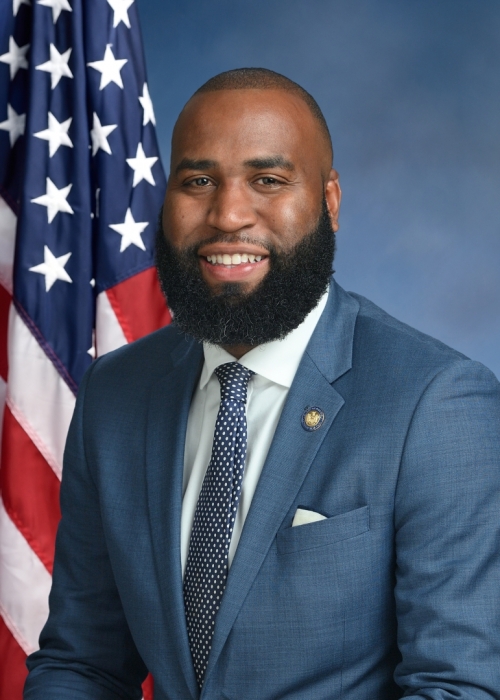
Bill Magnarelli
Bill Magnarelli House · District 129
D
Strong +
100% 27
George Alvarez
George Alvarez House · District 78
D
Strong +
100% 27
Brian Cunningham
Brian Cunningham House · District 43
D
Strong +
100% 25
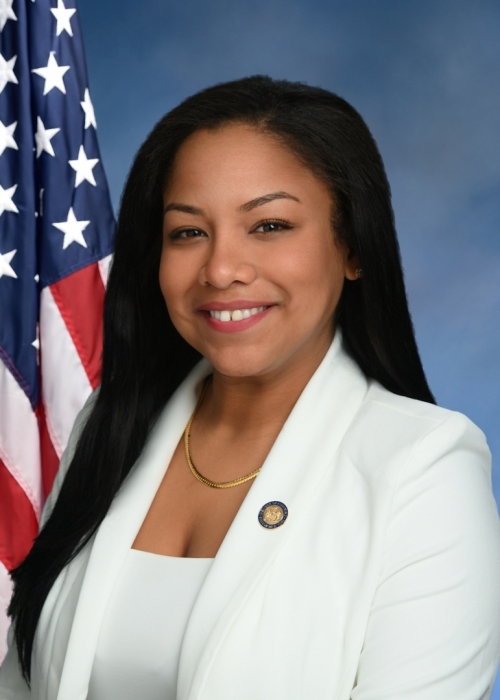
Amanda Septimo
Amanda Septimo House · District 84
D
Strong +
100% 24
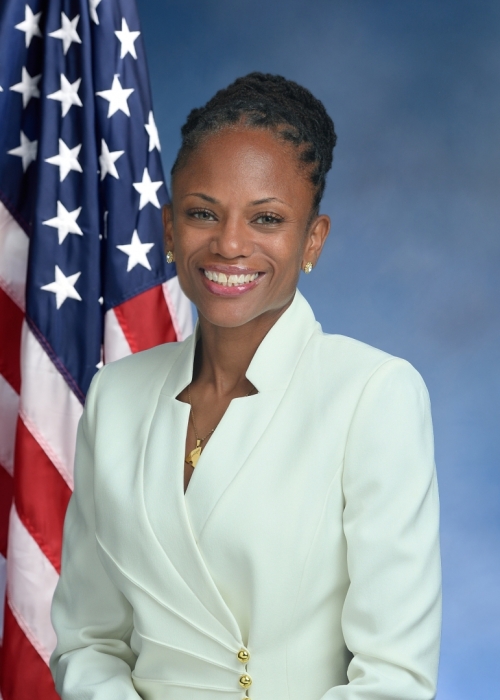
Monique Chandler-Waterman
Monique Chandler-Waterman House · District 58
D
Strong +
100% 24
Chris Tague
Chris Tague House · District 102
R
Strong −
4% 28
Dave DiPietro
Dave DiPietro House · District 147
R
Strong −
4% 28
Chris Friend
Chris Friend House · District 124
R
Strong −
4% 26
Ed Ra
Ed Ra House · District 19
R
Strong −
7% 28
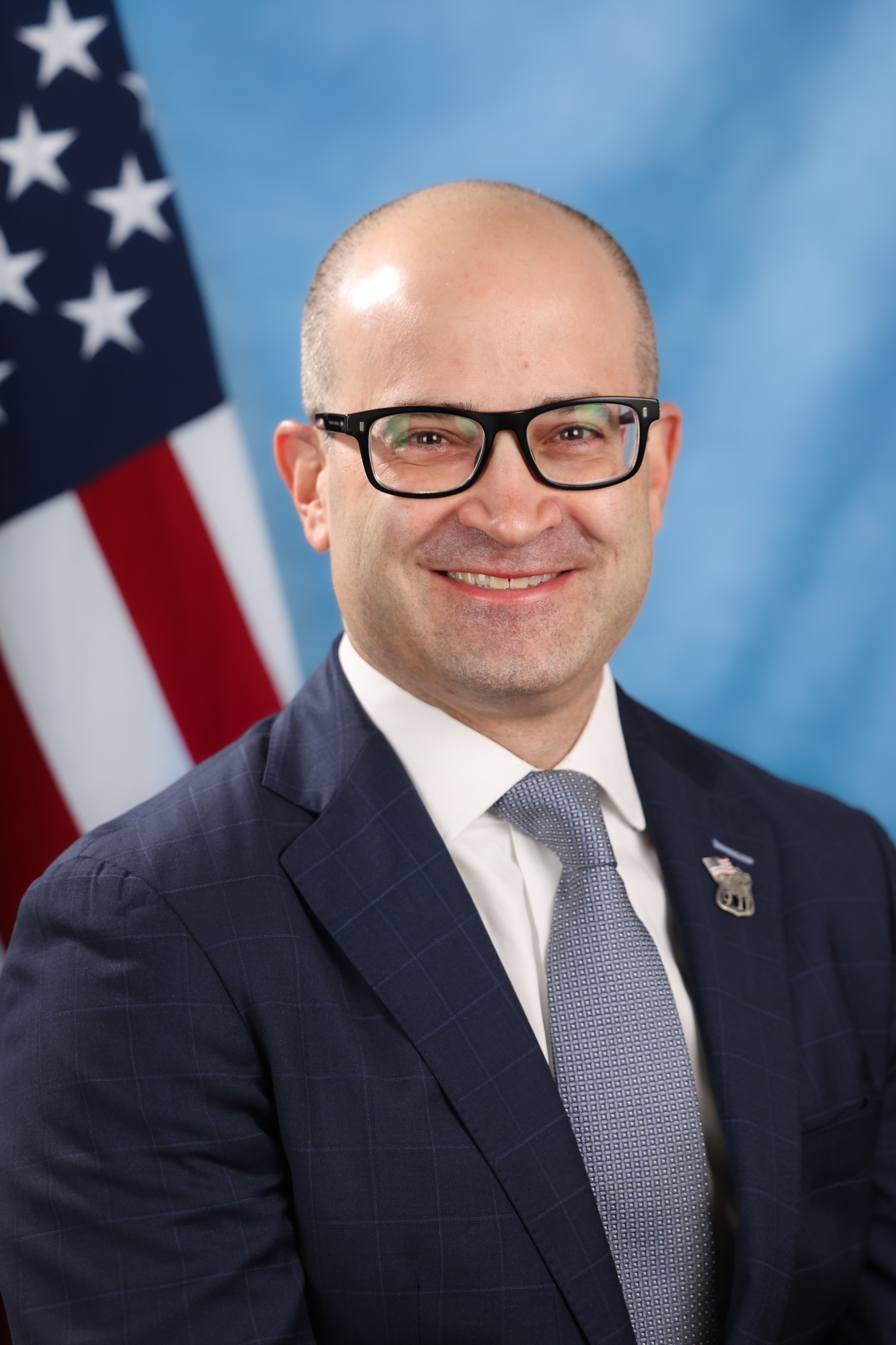
Jarett Gandolfo
Jarett Gandolfo House · District 7
R
Strong −
7% 28
Showing 351–360 of 1,570 bills

All criminal justice bills

in committee · New York · Assembly Jan 7, 2026

A 2441: Relates to the confidentiality and expungement of records in juvenile delinquency cases in the family court

Relates to the confidentiality and expungement of records in juvenile delinquency cases in the family court; requires certain records to be expunged automatically.
passed · New York · Senate Jun 9, 2025

S 8320: Relates to the contents of claims

This bill (S 8320) modifies court pleading rules for certain claims involving sexual offenses. It exempts claims alleging physical or psychological injury from sexual offenses (as defined in New York Penal Law) against children or adults aged 18+ from needing detailed technical descriptions of the claim. Specifically, it removes the requirement to specify exact details like the time, place, or nature of the injury in these cases, preventing dismissals based solely on pleading technicalities. The law applies immediately to new claims, pending cases, and some previously dismissed claims that are still appealable.
Sub-Topics Courts
signed · New York · Senate Dec 5, 2025

S 946: Authorizes the removal of police officer candidates from an eligible list when such candidate does not meet psychological fitness requirements or lacks good moral character standards

Authorizes the removal of police officer candidates from an eligible list when such candidate does not meet psychological fitness requirements or lacks good moral character standards.
Sub-Topics Policing
passed · New York · Senate Feb 25, 2026

S 6181: Relates to employment at certain licensees for the purposes of parole conditions

Clarifies that employment at any licensee under the cannabis law satisfies employment requirements for parole, probation or other state supervision unless the terms and conditions of said parole, probation, or state supervision explicitly prohibit such employment.
in committee · New York · Assembly Jan 7, 2026

A 8027: Provides for mental health counseling for correction officers and civilian staff in correctional facilities

Directs the commissioner of corrections and community supervision, in consultation with the commissioner of mental health, to make mental health counseling available to all correction officers and civilian staff in correctional facilities.
Sub-Topics Probation & Parole
signed · New York · Assembly Oct 16, 2025

A 934: Relates to peremptory challenges where there are two or more defendants

This bill changes rules for peremptory challenges (challenges to exclude jurors without reason) in criminal trials with two or more defendants. It specifies that when defendants are tried jointly, they are treated as a single party for challenge purposes. The key provision requires that a peremptory challenge must be allowed if a majority of defendants agree or if there is a tie with an even number of defendants. This directly affects defendants in multi-defendant criminal cases by clarifying when joint challenges can be exercised.
passed · New York · Assembly Jan 12, 2026

A 867: Includes certain use of Bluetooth technology to follow a person in the crime of stalking in the fourth degree

This bill amends New York's stalking law to explicitly include unauthorized Bluetooth tracking as a form of "following" in the crime of stalking in the fourth degree. It directly affects individuals who use Bluetooth technology to secretly track another person's location without permission. The key change adds Bluetooth (along with GPS) to the legal definition of "following," making such unauthorized tracking a punishable offense under existing stalking statutes. Stalking in the fourth degree remains a class B misdemeanor under this updated law.
Sub-Topics Domestic Violence
in committee · New York · Assembly Jan 7, 2026

A 8719: Establishes a blue envelope program for persons with mental health disorders, behavioral disorders and persons who are neurodivergent

Establishes a blue envelope program for persons with mental health disorders, behavioral disorders and persons who are neurodivergent to be provided with blue envelopes to keep their identification, vehicle registration, and other related documents to improve their safety during law enforcement interactions; requires the municipal police training council to promulgate rules and regulations requiring training and instruction for all police officers with respect to the blue envelope program.
Sub-Topics Policing
in committee · New York · Senate Jan 7, 2026

S 4455: Establishes a tax credit for taxpayers who donate equipment or materials to first responder live training programs

This bill creates a tax credit for taxpayers who donate equipment or materials to first responder training programs. The credit equals the donated items' value (up to $3,000 per tax year) for programs involving police, fire, emergency services, or hospital staff using real-world scenario training outdoors. Donors must provide proof of the donation's value, the training's occurrence, and that the recipient organization requested the items. The credit applies to donations made during the tax year, with documentation requirements to verify eligibility.
in committee · New York · Assembly Jan 7, 2026

A 6831: Relates to requiring a police officer or a district attorney to apply for a court order to compel a chemical test to determine blood alcohol content in certain cases

Requires court-ordered blood alcohol content testing for all drivers involved in fatal and serious physical injury accidents where there is a reasonable cause to believe an alcohol-related offense has been committed; provides exception when seeking court order would unduly interfere with emergency medical assistance or other necessary services at incident scene.
Sub-Topics Courts Policing
Showing 351 to 360 of 1,570 bills
Previous 1 … 35 36 37 … 157 Next