Issue · Criminal Justice

Criminal Justice (Policing)

Every criminal justice bill, vote, and legislator stance in New York, automatically classified by Maddy, our AI policy reader.

Total bills
382
2025 Regular Session
Top supporter
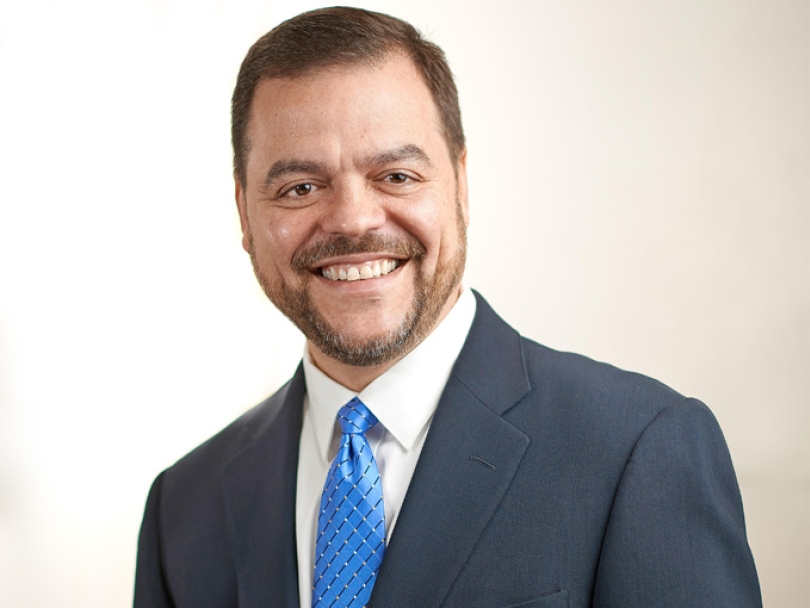
Luis Sepúlveda
100% support rate
Top opponent
Steve Chan
0% support rate
Ranked legislators
10
5 support · 5 oppose
Key legislators

Who's moving policing in New York

Legislators moving policing in New York
Legislator Party Stance Support rate Votes
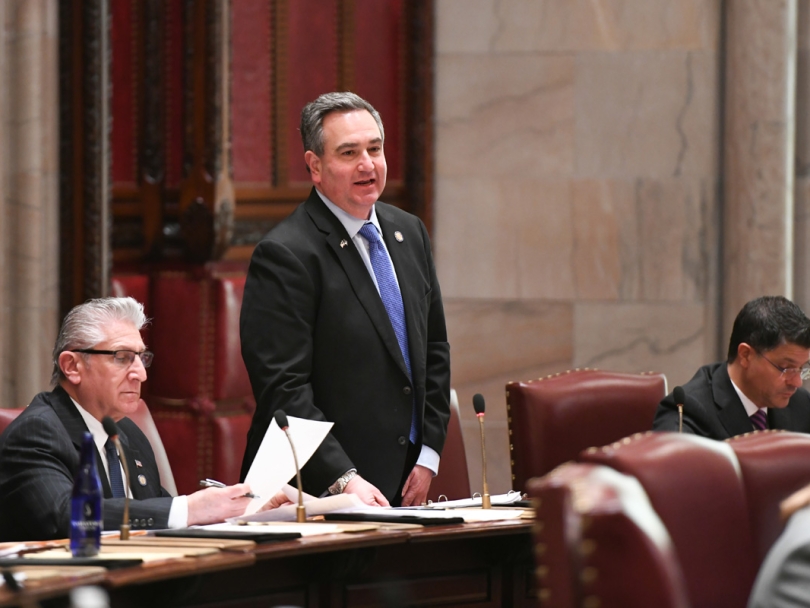
Luis Sepúlveda
Luis Sepúlveda Senate · District 32
D
Strong +
100% 27
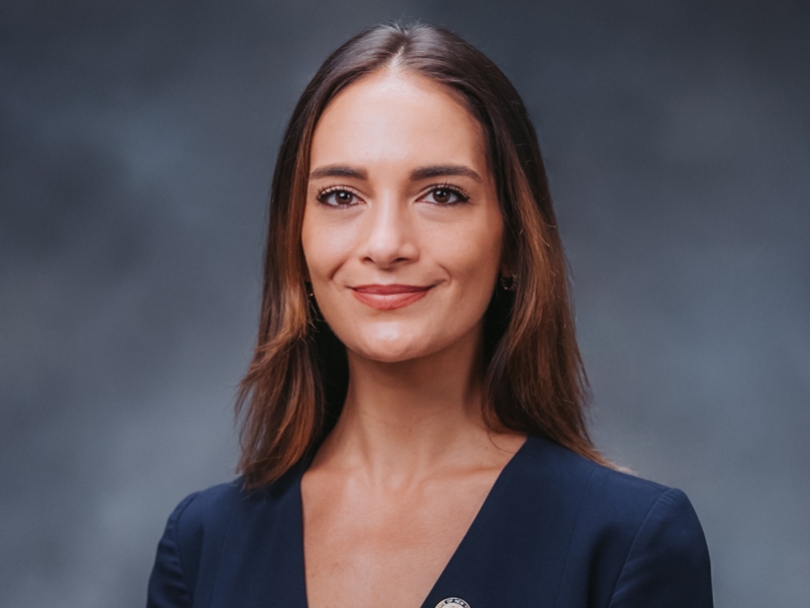
Julia Salazar
Julia Salazar Senate · District 18
D
Strong +
100% 24
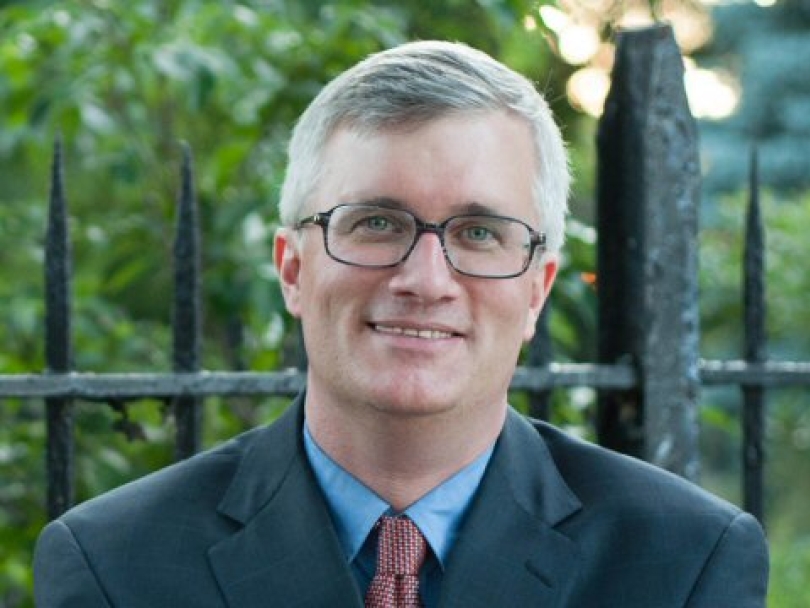
Brian Kavanagh
Brian Kavanagh Senate · District 27
D
Strong +
100% 23
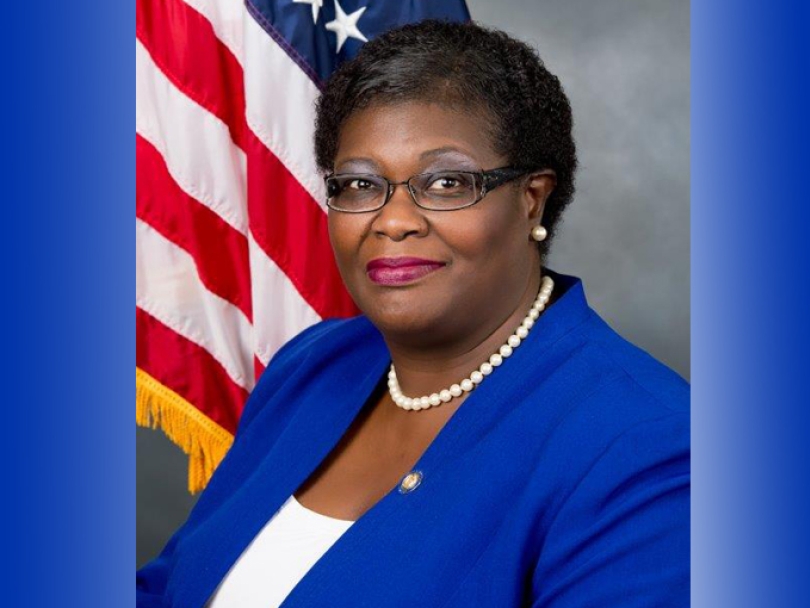
Roxanne Persaud
Roxanne Persaud Senate · District 19
D
Strong +
100% 23
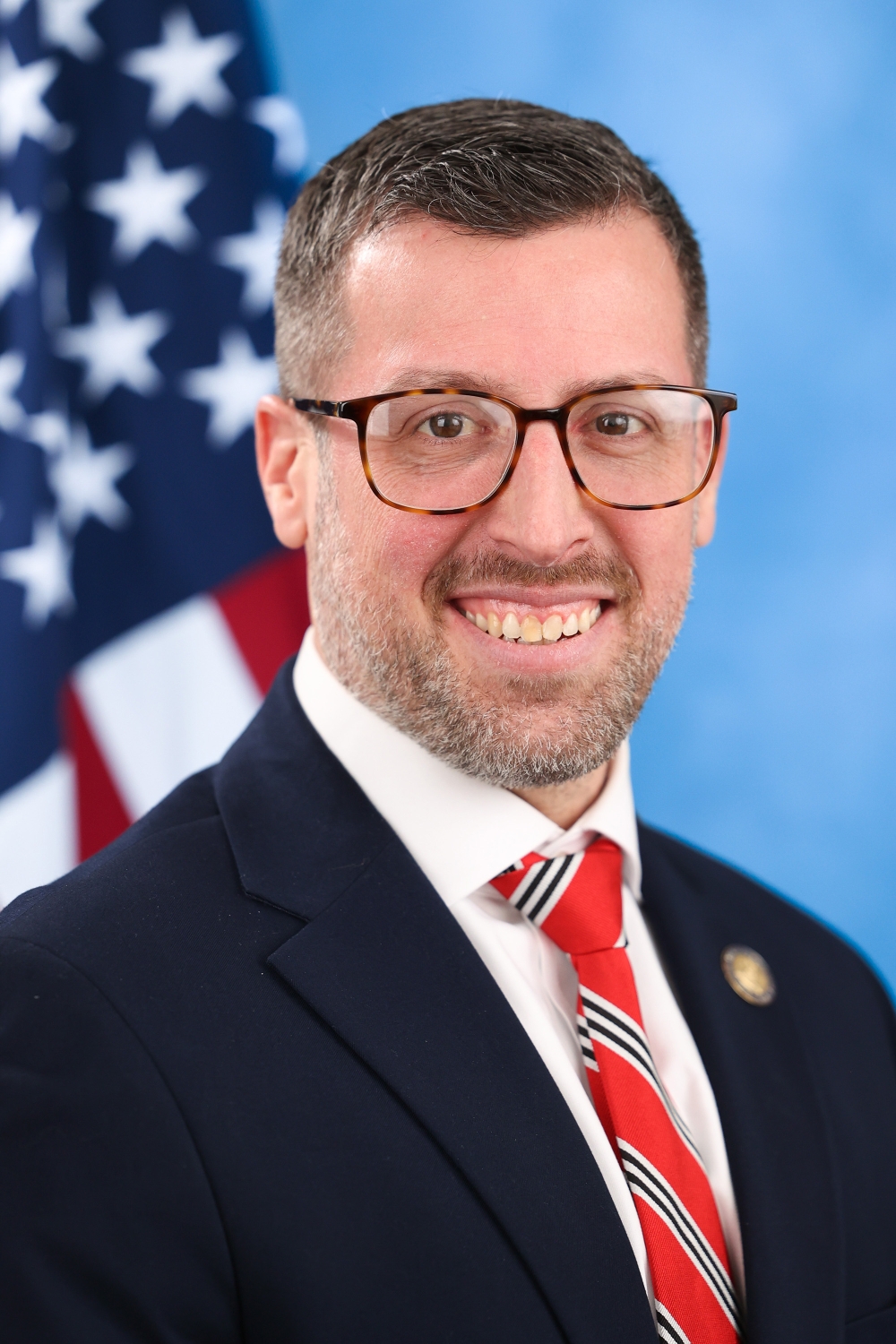
Andrew Gounardes
Andrew Gounardes Senate · District 26
D
Strong +
100% 21
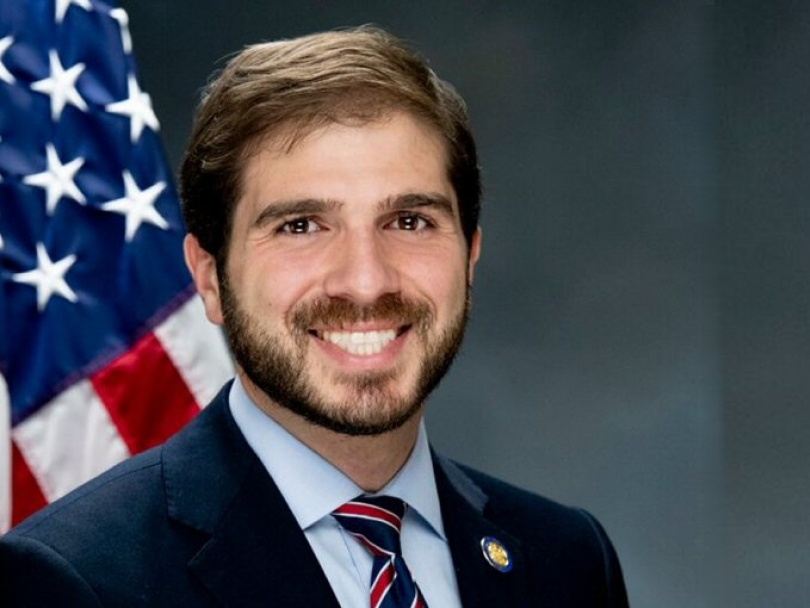
Steve Chan
Steve Chan Senate · District 17
R
Strong −
0% 18
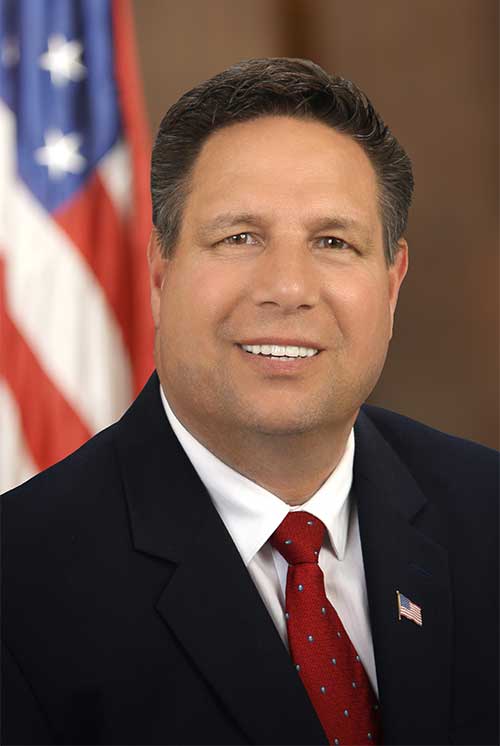
George Borrello
George Borrello Senate · District 57
R
Strong −
0% 16
Andrew Molitor
Andrew Molitor House · District 150
R
Strong −
0% 7
Brian Manktelow
Brian Manktelow House · District 130
R
Strong −
0% 7
Chris Tague
Chris Tague House · District 102
R
Strong −
0% 7
Showing 321–330 of 382 bills

All criminal justice bills

in committee · New York · Assembly Jan 7, 2026

A 336: Requires the use of body-worn cameras on certain correction officers

This bill requires correction officers supervising general population in maximum-security facilities to wear body-worn cameras recording both audio and video during all interactions with incarcerated individuals. It mandates that all cameras be installed within six months of the law's effective date, with recordings retained for at least six months and subject to privacy protections. The law also requires the department to issue an annual report evaluating the cameras' impact on safety metrics like assaults, injuries, and deaths. The policy directly affects correction officers, incarcerated individuals, and department staff in designated facilities.
Sub-Topics Corrections Policing
in committee · New York · Assembly Jan 7, 2026

A 7193: Relates to justification for the use of deadly physical force by a police or peace officer

Limits the circumstances which justify the use of deadly force by a police officer or peace officer to instances when the person committed a felony that threatened or resulted in death or serious bodily injury and the officer reasonably believes that the person will cause death or serious bodily injury to another person unless immediately apprehended.
in committee · New York · Senate Jan 7, 2026

S 5732: Establishes the crime of aggravated offering of a false accusation against a police officer or peace officer

Establishes the crime of aggravated offering of a false accusation against a peace officer or police officer for knowingly reporting false or baseless information relating to wrongdoing by a police or peace officer to a law enforcement agency; creates a private right of action for damages.
Sub-Topics Policing
in committee · New York · Assembly Jan 7, 2026

A 1159: Designates offenses against law enforcement officers as hate crimes and makes graffiti a hate crime

This bill amends New York's penal law to expand hate crime designations. It adds "actual or perceived employment as a law enforcement officer" as a protected characteristic, meaning attacks against police officers motivated by bias can now be classified as hate crimes. It also explicitly includes "making graffiti" (under section 145.60) as a specified offense that qualifies as a hate crime when committed due to bias against a protected characteristic. This change affects individuals who commit certain offenses (like assault or graffiti) with bias targeting law enforcement or other protected traits, potentially increasing penalties for those acts.
in committee · New York · Senate Jan 7, 2026

S 1400: Relates to providing increased and uniform training requirements and outreach for law enforcement and establishes law enforcement peer support

Relates to providing increased and uniform training requirements including implicit bias, use of force, first aid and firearm training, and outreach for law enforcement; establishes law enforcement peer support through the office of mental health.
in committee · New York · Senate Jan 7, 2026

S 7308: Prohibits the release of certain records of victims of police violence by a police agency, prosecutorial agency or other law enforcement agency

Prohibits the release of criminal history or any mental health history records by a police agency, prosecutorial agency or other law enforcement agency of individuals who were the subject of the use of force by a police or peace officer.
Sub-Topics Policing
in committee · New York · Senate Jan 7, 2026

S 5390: Increases the offense classification for certain assault offenses regarding police officers and peace officers

This bill increases criminal penalties for assaulting police officers, peace officers, and other public safety workers including firefighters, EMTs, nurses, sanitation workers, and prosecutors. It upgrades second-degree assault on these officers to a class C felony, specifically including cases where someone releases or fails to control an animal to obstruct their duties. Assault causing serious injury becomes a class B felony, and aggravated assault with weapons is raised to a class A felony. The law applies to attacks intended to prevent these workers from performing essential public safety duties.
Sub-Topics Policing Violent Crime
in committee · New York · Senate Jan 7, 2026

S 224: Increases the designation of certain offenses relating to unlawfully fleeing a police officer and makes such offenses eligible for bail

This bill (S 224) amends New York's penal law to upgrade the felony classifications for unlawful fleeing a police officer in a motor vehicle (from E to D felony for third degree, D to C for second degree, and C for first degree). It also adds these specific fleeing offenses to the list of crimes subject to bail eligibility determinations under criminal procedure law. Under the changes, courts must evaluate whether a defendant charged with such fleeing offenses (third, second, or first degree) should be released on bail or held, considering factors like "harm to an identifiable person or property" as outlined in sections 510.10, 530.20, and 530.40. This affects individuals charged with these fleeing offenses during bail hearings.
Sub-Topics Policing
in committee · New York · Assembly Jan 7, 2026

A 1811: Requires reporting to the federal bureau of investigation's national use-of-force data collection program

This bill requires New York police departments and sheriff's offices to report all use-of-force incidents to the FBI's national database. It defines specific reportable events, including firearm discharge, chokeholds, chemical agents, and other restraints causing injury or death. Reports must include detailed incident circumstances and demographic details of involved individuals (age, race, gender, etc.). Failure to submit reports risks a 10% reduction in state funding for the affected department.
Sub-Topics Firearms Policing
in committee · New York · Senate Jan 7, 2026

S 5899: Enacts "Cesar's law" to require the retaking of parolees who abscond from the supervision of the state board of parole

S 5899, "Cesar's law," requires the state board of parole to immediately issue a warrant and notify law enforcement when a parolee flees supervision. It directly affects parolees who abscond and the parole board, mandating they take specific action instead of allowing delays. The law specifies the board must declare the person "delinquent," issue a retaking warrant, and inform local police without delay upon reasonable belief of absconding. This policy change adds a concrete procedural step for parole supervision compliance, ensuring prompt action on absconders while preserving the parolee's right to a hearing after being recaptured.
Showing 321 to 330 of 382 bills
Previous 1 32 33 34 39 Next