Issue · Criminal Justice

Criminal Justice (Sentencing)

Every criminal justice bill, vote, and legislator stance in New York, automatically classified by Maddy, our AI policy reader.

Total bills
57
2025 Regular Session
Top supporter
Brian Kavanagh
100% support rate
Top opponent
Dean Murray
0% support rate
Ranked legislators
10
5 support · 5 oppose
Key legislators

Who's moving sentencing in New York

Legislators moving sentencing in New York
Legislator Party Stance Support rate Votes
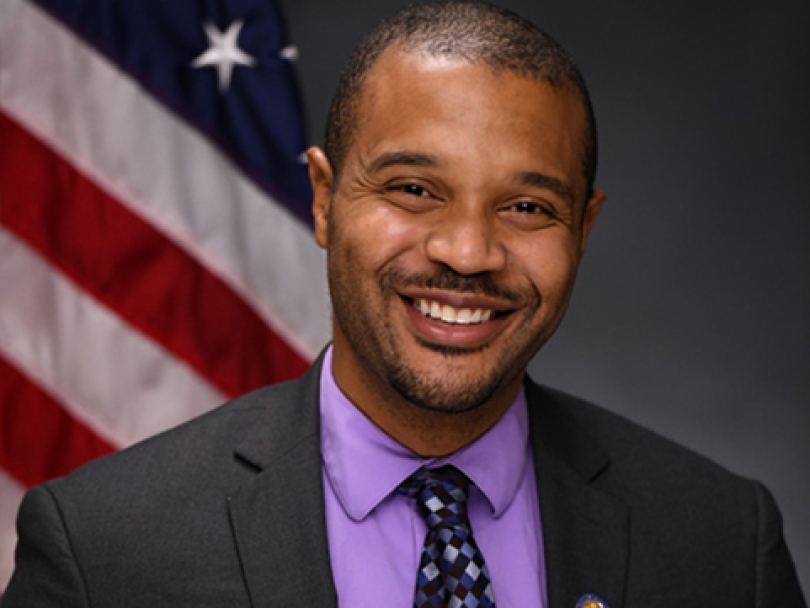
Brian Kavanagh
Brian Kavanagh Senate · District 27
D
Strong +
100% 6
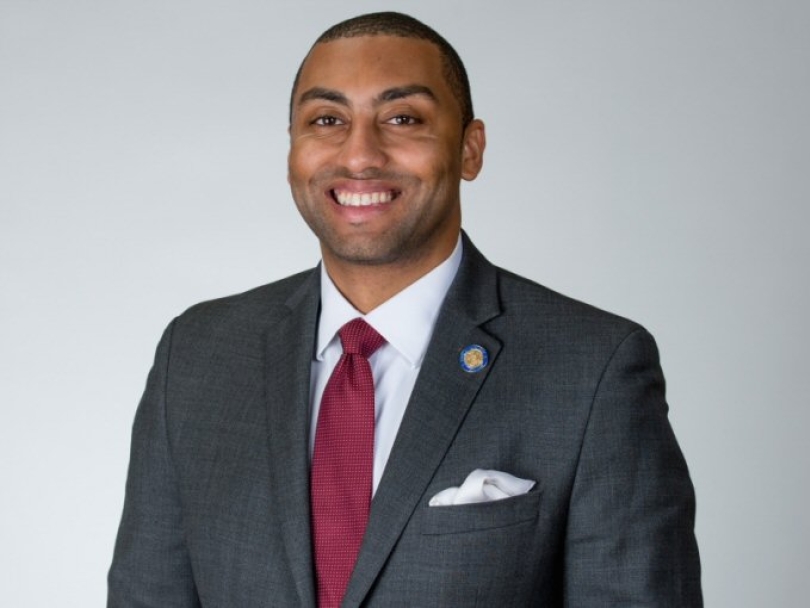
Jabari Brisport
Jabari Brisport Senate · District 25
D
Strong +
100% 6
Jamaal Bailey
Jamaal Bailey Senate · District 36
D
Strong +
100% 6
Julia Salazar
Julia Salazar Senate · District 18
D
Strong +
100% 6
Luis Sepúlveda
Luis Sepúlveda Senate · District 32
D
Strong +
100% 6
Dean Murray
Dean Murray Senate · District 3
R
Strong −
0% 6
Tom O'Mara
Tom O'Mara Senate · District 58
R
Strong −
0% 6
Alexis Weik
Alexis Weik Senate · District 8
R
Strong −
0% 3
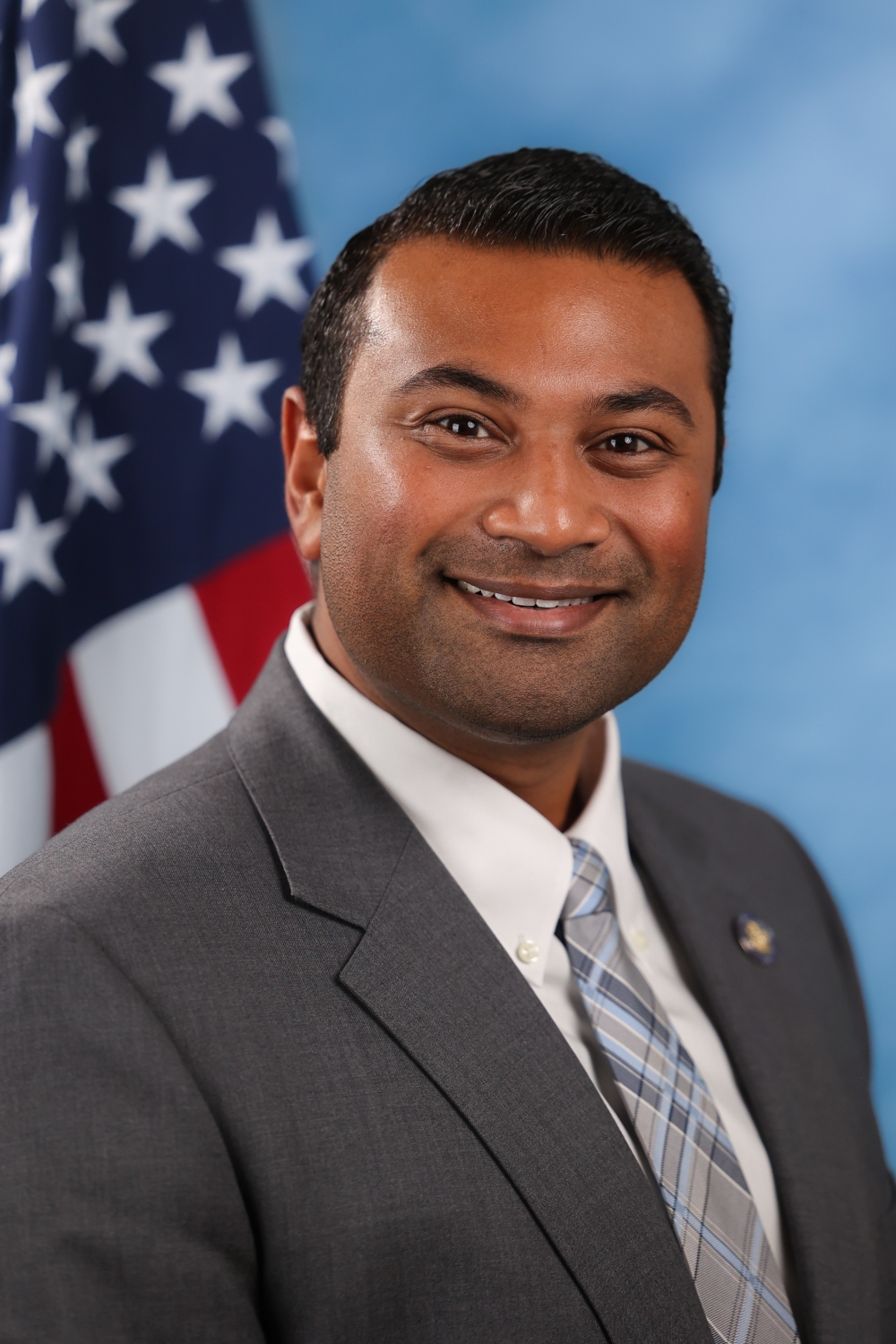
Anil Beephan
Anil Beephan House · District 105
R
Strong −
0% 3
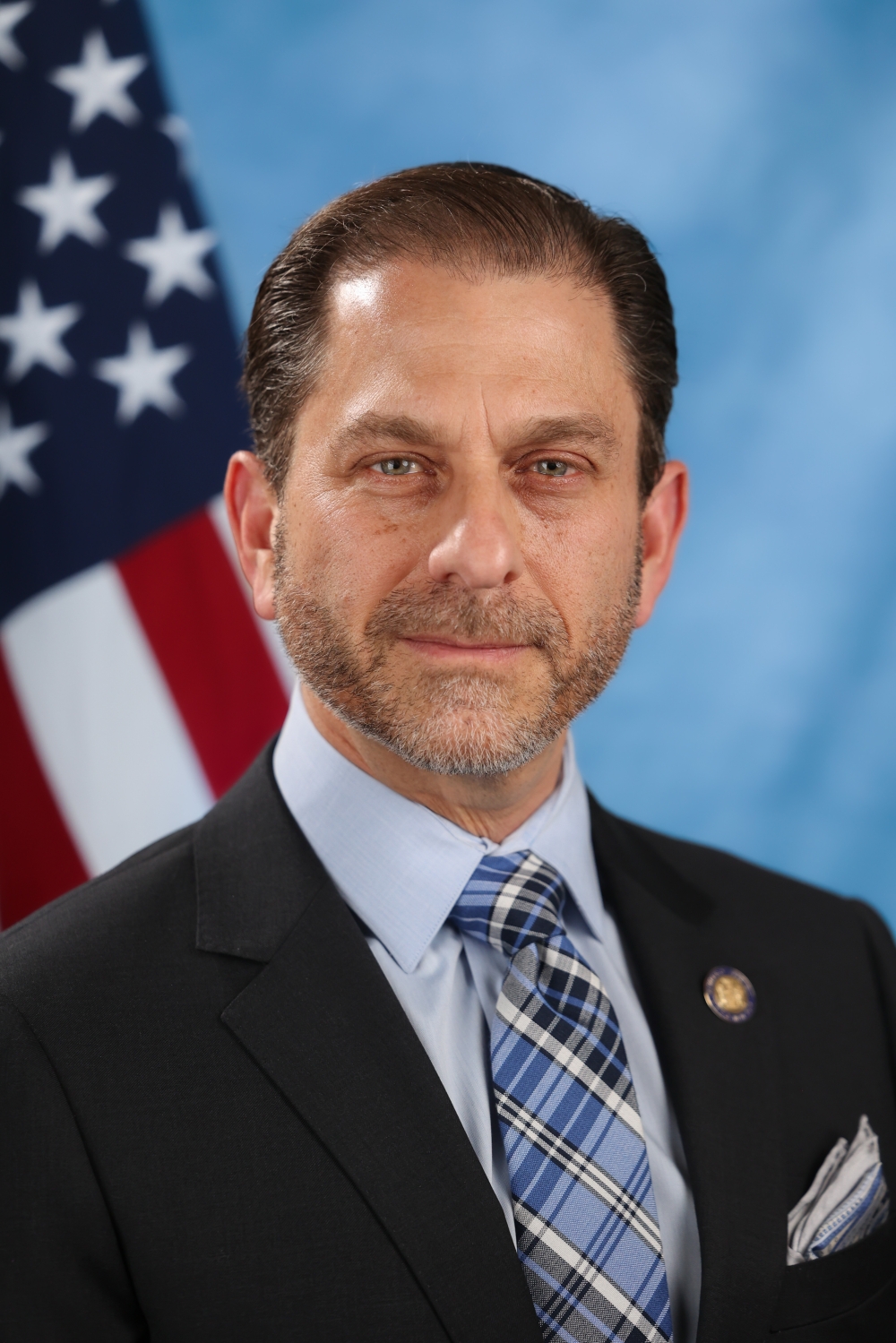
Ari Brown
Ari Brown House · District 20
R
Strong −
0% 3
Showing 21–30 of 57 bills

All criminal justice bills

passed · New York · Assembly May 12, 2026

A 3524: Preserves the ability to appeal a violation of a defendant's right to make a statement personally at sentencing

Preserves the ability to appeal a violation of a defendant's right to make a statement personally at sentencing notwithstanding a defendant signed an otherwise valid waiver of appeal.
Sub-Topics Sentencing
in committee · New York · Senate Jan 7, 2026

S 6358: Enacts the "child sex crime victims protection act"

Enacts the "child sex crime victims protection act"; establishes alternative sentencing procedures for victims of child sex crimes who commit crimes against their abusers.
in committee · New York · Assembly Jan 7, 2026

A 2227: Relates to the duration of orders of protection in cases involving domestic violence

This bill establishes a minimum five-year duration for orders of protection in all domestic violence cases, replacing previous shorter timeframes. It requires courts to explicitly state findings of aggravating circumstances on the record when extending orders beyond the minimum period. The legislation applies to both civil family court orders (under the Family Court Act) and criminal sentencing orders (under the Criminal Procedure Law). Key provisions prevent courts from denying extensions solely because abuse hasn't occurred during the order's term and mandate that courts articulate their reasoning for duration decisions. The bill also clarifies that temporary orders don't affect the length of final orders.
in committee · New York · Assembly Jan 7, 2026

A 539: Relates to a negotiated sentence of imprisonment

Provides that a pre-sentence investigation and written report thereon shall not be required where a negotiated sentence of imprisonment for a term of three hundred sixty-five days or less has been mutually agreed upon by the parties with consent of the judge, as a result of a conviction or revocation of a sentence of probation; removes the requirement of solely in a city with a population of one million or more.
in committee · New York · Senate Jan 7, 2026

S 7503: Authorizes courts to reduce or modify sentences for certain individuals when such sentence is deemed to be greater than necessary to achieve the purposes of sentencing

Authorizes courts to reduce or modify sentences for certain individuals when such sentence is deemed to be greater than necessary to achieve the purposes of sentencing.
in committee · New York · Senate Jan 7, 2026

S 3992: Relates to racial and ethnic impact statements on bills

S 3992, the "racial and ethnic equity act," requires state agencies to prepare impact statements for bills that could affect correctional, public assistance, or child welfare systems. Before such bills can be considered by legislative committees, the Division of Criminal Justice Services, Office of Temporary and Disability Assistance, or Office of Children and Family Services must analyze how the bill would impact racial and ethnic minority populations (Black, Latino, Native American, Asian/Pacific Islander). These statements must include data on projected effects - like rates per 10,000 people - on each minority group and cover at least three fiscal years. The bill directly affects New York legislators, state agencies, and minority communities by mandating this review for laws related to sentencing, welfare access, or child welfare placement.
Sub-Topics Sentencing
in committee · New York · Senate Jan 21, 2026

S 8464: Relates to convictions under the felony murder rule; repealer

Repeals the crime of felony murder; permits vacating conviction and resentencing of defendants convicted of felony murder; requires reporting of certain crime statistics and information.
Sub-Topics Sentencing
in committee · New York · Senate Jan 30, 2025

S 3806: Relates to the age of persons eligible for a sentence of life imprisonment without parole

This bill clarifies that only individuals aged 18 or older at the time of committing a crime can receive a life imprisonment sentence without parole. It specifically applies to certain serious offenses, including first-degree murder, terrorism involving weapons, and aggravated murder, as defined in New York's penal law. The law amends existing sentencing provisions to require that defendants must have been 18 or older when the crime was committed to be eligible for life without parole. Minors (17 or younger) remain subject to other sentencing options under the law.
in committee · New York · Assembly Jan 7, 2026

A 4497: Relates to enhancing penalties and protecting victims of crimes of domestic violence

This bill increases penalties for repeat domestic violence offenses by elevating certain crimes to class E felonies when perpetrators have prior convictions for specific offenses (like harassment, assault, or stalking) within the last ten years and are in the same household or family as the victim. It amends New York Penal Law sections to define "same family or household" consistently and specifies qualifying prior crimes, including stalking, strangulation, and harassment offenses. The changes directly affect domestic violence perpetrators with prior convictions and strengthen legal protections for victims by imposing stricter penalties for repeat offenses. The bill does not create new victim services but modifies criminal sentencing structures for domestic violence cases.
in committee · New York · Assembly Sep 8, 2025

A 2254: Relates to the sentencing requirements for the offenses of hindering prosecution and conspiracy

This bill amends New York's Penal Law to adjust sentencing classifications for hindering prosecution and conspiracy offenses. It reclassifies hindering prosecution (based on the underlying felony's severity: class C, B, or A) and conspiracy (fifth, fourth, and third degrees) as specific felony levels (e.g., making hindering prosecution of a class B felony a class D felony). The changes directly affect individuals convicted of these specific crimes by modifying their sentencing ranges. The bill focuses solely on clarifying existing sentencing structures without introducing new offenses or penalties.
Sub-Topics Sentencing
Showing 21 to 30 of 57 bills
Previous 1 2 3 4 6 Next