Issue · Criminal Justice

Criminal Justice (Policing)

Every criminal justice bill, vote, and legislator stance in New York, automatically classified by Maddy, our AI policy reader.

Total bills
308
2025 Regular Session
Top supporter
Luis Sepúlveda
100% support rate
Top opponent
Steve Chan
0% support rate
Ranked legislators
10
5 support · 5 oppose
Key legislators

Who's moving policing in New York

Legislators moving policing in New York
Legislator Party Stance Support rate Votes
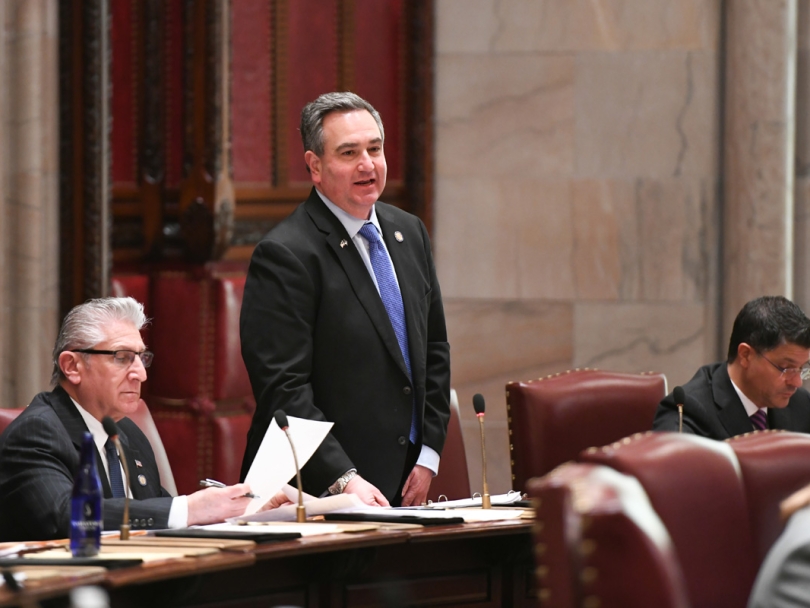
Luis Sepúlveda
Luis Sepúlveda Senate · District 32
D
Strong +
100% 27
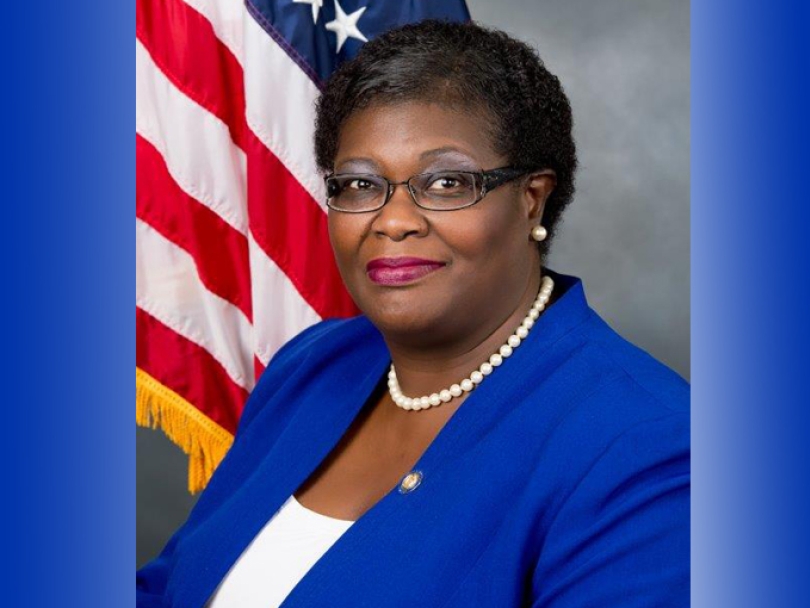
Julia Salazar
Julia Salazar Senate · District 18
D
Strong +
100% 24
Brian Kavanagh
Brian Kavanagh Senate · District 27
D
Strong +
100% 23
Roxanne Persaud
Roxanne Persaud Senate · District 19
D
Strong +
100% 23
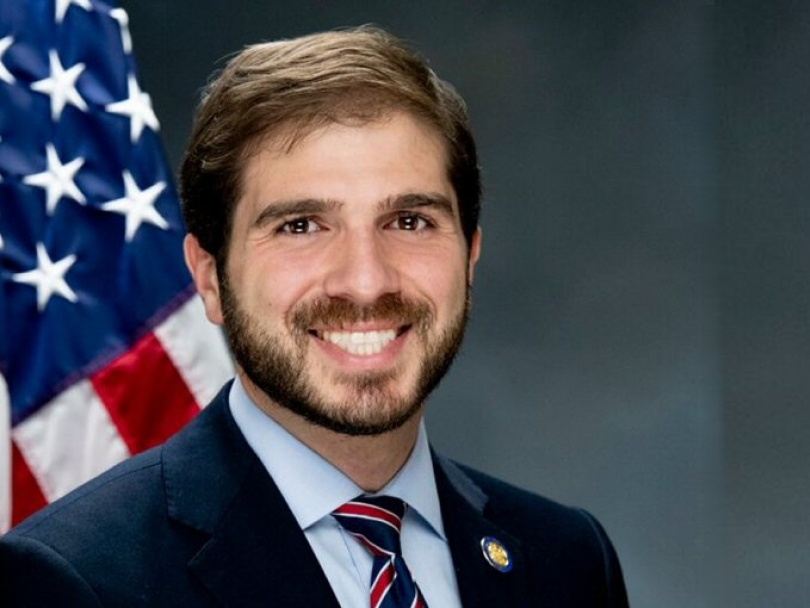
Andrew Gounardes
Andrew Gounardes Senate · District 26
D
Strong +
100% 21
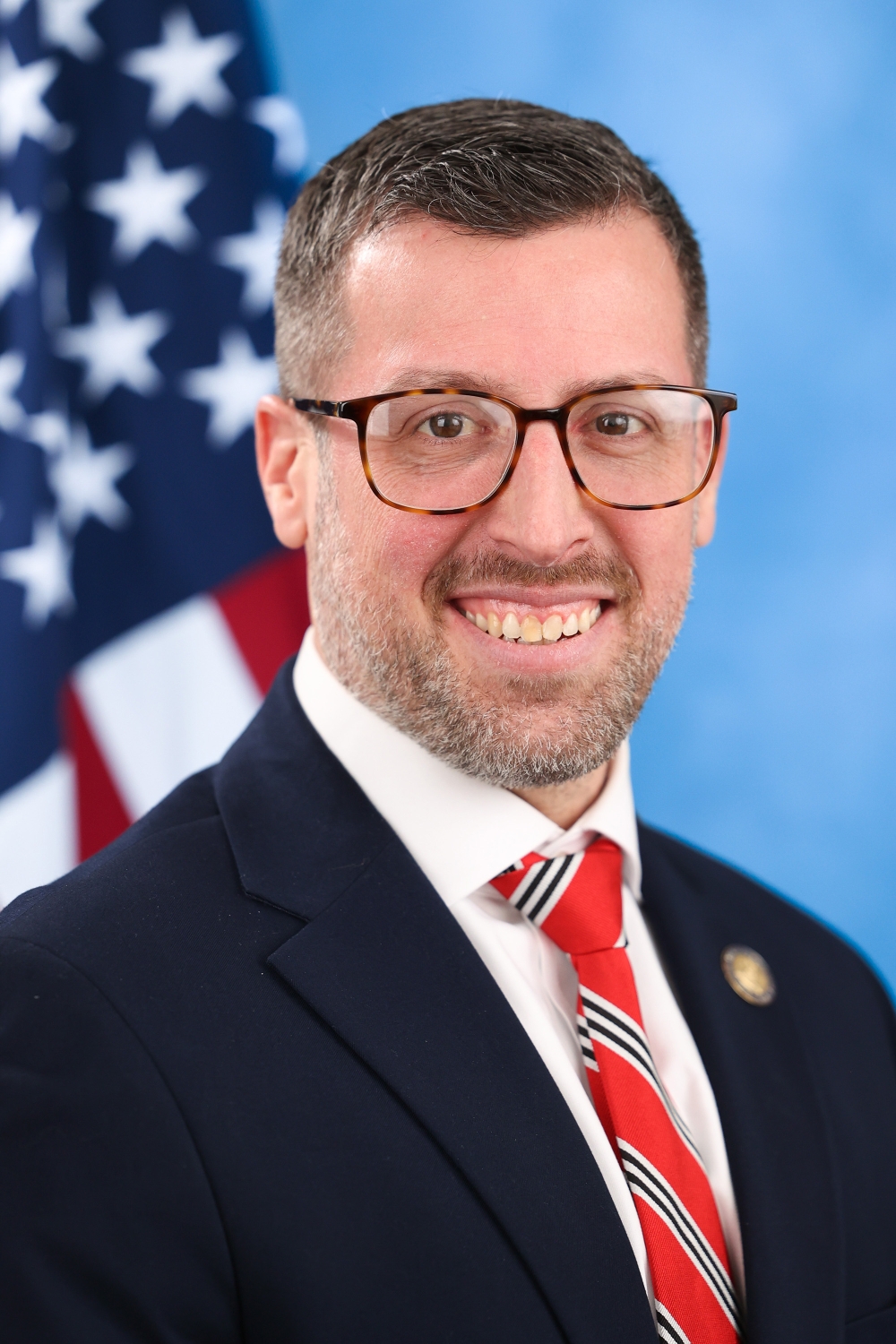
Steve Chan
Steve Chan Senate · District 17
R
Strong −
0% 18
George Borrello
George Borrello Senate · District 57
R
Strong −
0% 16
Andrew Molitor
Andrew Molitor House · District 150
R
Strong −
0% 7
Brian Manktelow
Brian Manktelow House · District 130
R
Strong −
0% 7
Chris Tague
Chris Tague House · District 102
R
Strong −
0% 7
Showing 281–290 of 308 bills

All criminal justice bills

in committee · New York · Assembly Jan 7, 2026

A 6090: Requires intervention in incidents involving incarcerated individuals

Requires every police officer, peace officer and employee of a correctional facility to intervene in incidents of violence involving incarcerated individuals.
Sub-Topics Corrections Policing
in committee · New York · Senate Jan 7, 2026

S 6173: Relates to the justification for the use of force in a homicide by a peace officer or police officer

This bill (S 6173) clarifies when police officers may use deadly force in a homicide. It states officers may only use deadly force if they reasonably believe it is necessary to prevent imminent death or serious injury to themselves or others, or to arrest someone fleeing a felony involving death or serious injury. The bill requires officers to consider all circumstances at the time, including avoiding force if safer alternatives exist, and specifically notes that people with disabilities are more likely to experience excessive force during police interactions. It also prohibits using deadly force solely to prevent self-harm unless an imminent threat exists. The law directly affects police officers’ use of force decisions and the safety of people interacting with law enforcement.
Sub-Topics Policing Violent Crime
in committee · New York · Senate Jan 7, 2026

S 2468: Relates to law enforcement agencies reporting sex offender changes of address to the division of criminal justice services

This bill requires law enforcement agencies to report sex offender address changes to the Division of Criminal Justice Services within five business days of receiving the information. It directly affects law enforcement agencies (who must submit reports) and sex offenders (who must initially register changes within 10 days). The key provision mandates that police forward registration updates to the state division within the new 5-day timeframe, while also requiring them to provide a copy to the offender and keep their own records. The bill does not change the 10-day registration deadline for offenders or the $10 fee for registration updates.
Sub-Topics Policing
in committee · New York · Senate Jan 7, 2026

S 1405: Establishes a statewide law enforcement officer misconduct database

Directs the division of criminal justice services to establish a statewide public database covering every local police department, each county sheriff's office, the division of the state police and every agency that employs a peace officer in this state, which shall compile the names of any police or peace officer who has had their employment terminated due to misconduct.
in committee · New York · Assembly Jan 7, 2026

A 3182: Relates to the justification for the use of force in a homicide by a peace officer or police officer

This bill establishes new legal standards for when police officers may use deadly force. It states officers can only use deadly force if they reasonably believe it's necessary to prevent imminent death or serious injury to themselves or others, or to arrest someone for a violent felony that caused death or serious injury. The law requires officers to consider alternatives when safe and evaluate situations from the perspective of a reasonable officer at the time, not with hindsight. It specifically notes people with disabilities are more likely to experience excessive force during police interactions and are involved in a significant portion of fatal encounters. The bill directly affects police officers' use of force decisions and impacts individuals interacting with law enforcement, particularly those with disabilities.
in committee · New York · Senate Jan 7, 2026

S 3653: Requires the disclosure of video footage related to the death of an incarcerated individual involving a correctional officer

Requires the disclosure of video footage related to the death of an incarcerated individual involving a correctional officer to the attorney general's office of special investigation.
in committee · New York · Assembly Jun 4, 2026

A 1670: Prohibits the use of restraints on incarcerated individuals during labor, absent extraordinary circumstances, and on pregnant persons during a custodial interrogation

Prohibits the use of restraints on and the use of force against incarcerated individuals during labor and incarcerated individuals who have experienced different pregnancy outcomes, absent extraordinary circumstances, and on pregnant and post-pregnancy persons during a custodial interrogation; provides for certain exceptions for restraints to be used and in such case limits the use to wrist restraints.
Sub-Topics Policing
in committee · New York · Senate Jan 7, 2026

S 1401: Enacts the "police and peace officer licensing act"

This bill establishes a mandatory licensing system for all police and peace officers in the state, requiring licenses by January 1, 2027, with licenses valid for five years and renewal tied to continuing education. License renewal includes specific training on de-escalation techniques for mental health crises, protests, and cultural competency regarding race, ethnicity, and gender identity. It creates an independent review board to handle disciplinary actions for professional misconduct (such as excessive force), with powers to revoke licenses, impose fines, or mandate additional training. The law also revises state criminal procedure codes to require that only officers licensed under this act may serve as police or peace officers.
Sub-Topics Law Enforcement Policing Tags Licensing
in committee · New York · Senate Jan 7, 2026

S 1555: Relates to establishing reporting duties of law enforcement agencies with respect to police misconduct allegations and outcomes

Relates to establishing reporting duties of law enforcement agencies with respect to police misconduct allegations and outcomes; requires the division of criminal justice services to establish and maintain on its official website a public, searchable database of alleged infractions and police misconduct complaints.
Sub-Topics Policing
in committee · New York · Senate Jan 7, 2026

S 4890: Establishes the crime of harassment of an employee by an incarcerated individual

S 4890 creates a new crime for incarcerated individuals who harass facility employees. It specifically prohibits: (1) displaying or touching intimate body parts in view of an employee, (2) causing an employee to be visible while doing so, or (3) threatening to expose bodily fluids. This applies to employees at correctional facilities, parole offices, mental health facilities, probation departments, or police officers. The offense is classified as a class B misdemeanor, punishable by fines or up to 90 days in jail.
Showing 281 to 290 of 308 bills
Previous 1 28 29 30 31 Next