Issue · Criminal Justice

Criminal Justice (Policing)

Every criminal justice bill, vote, and legislator stance in New York, automatically classified by Maddy, our AI policy reader.

Total bills
308
2025 Regular Session
Top supporter
Luis Sepúlveda
100% support rate
Top opponent
Steve Chan
0% support rate
Ranked legislators
10
5 support · 5 oppose
Key legislators

Who's moving policing in New York

Legislators moving policing in New York
Legislator Party Stance Support rate Decisive votes
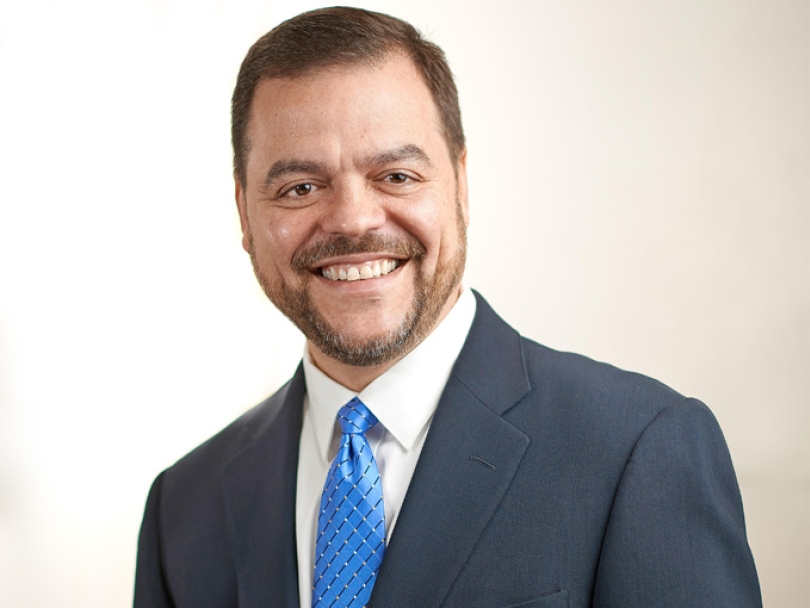
Luis Sepúlveda
Luis Sepúlveda Senate · District 32
D
Strong +
100% 27
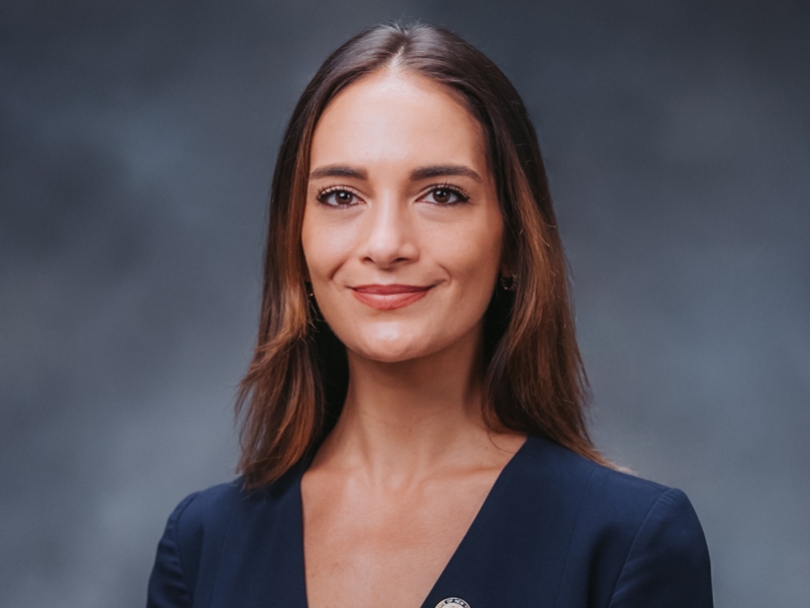
Julia Salazar
Julia Salazar Senate · District 18
D
Strong +
100% 24
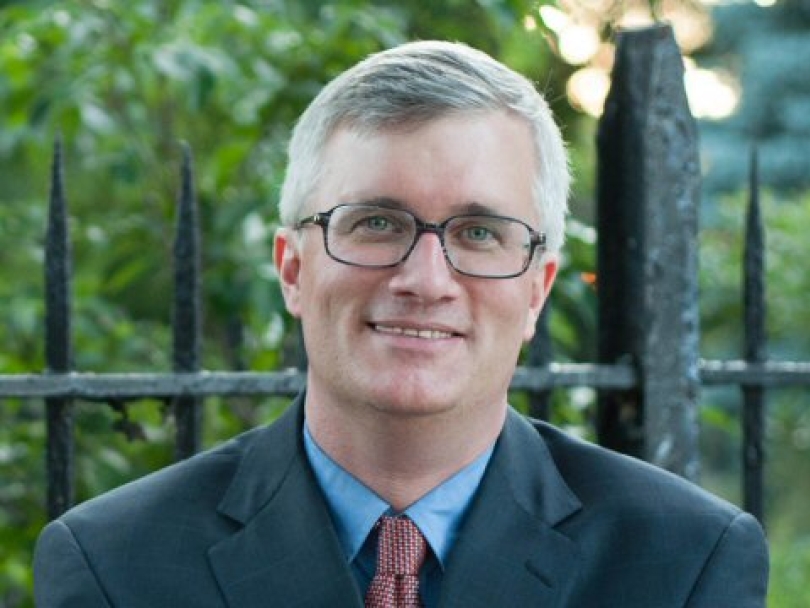
Brian Kavanagh
Brian Kavanagh Senate · District 27
D
Strong +
100% 23
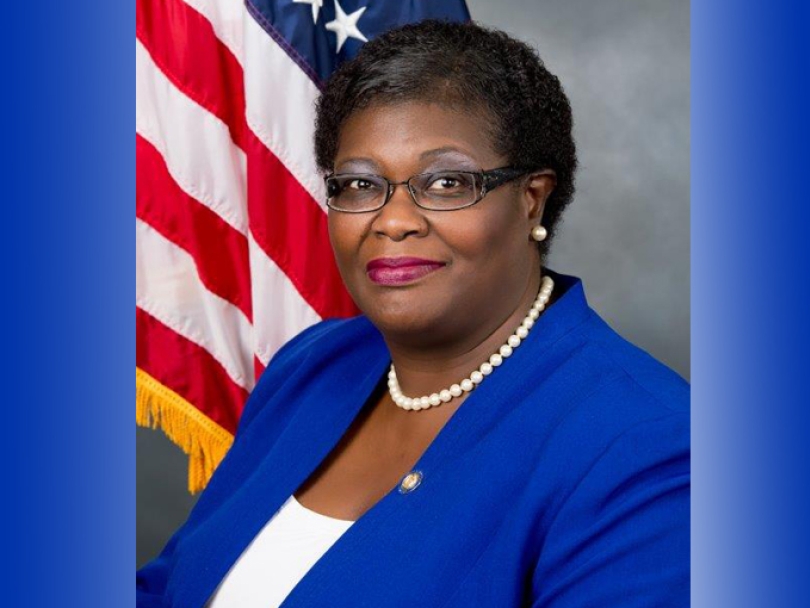
Roxanne Persaud
Roxanne Persaud Senate · District 19
D
Strong +
100% 23
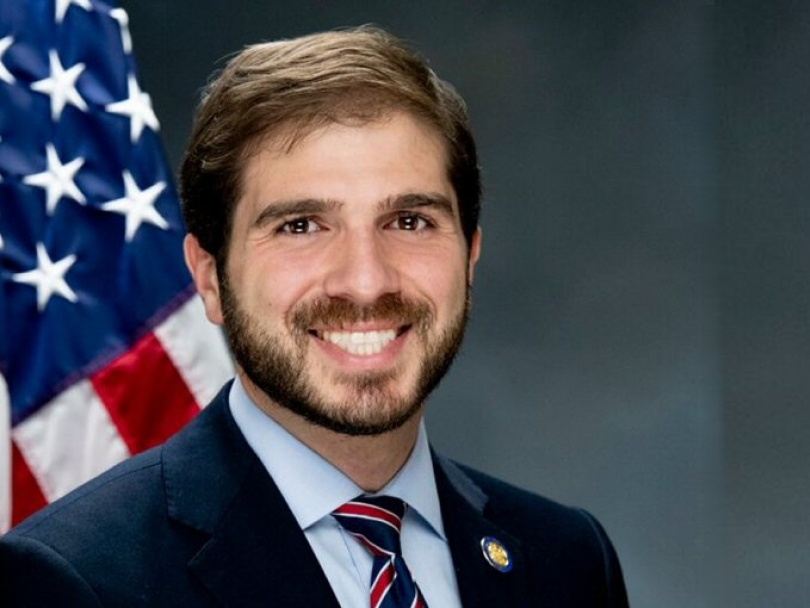
Andrew Gounardes
Andrew Gounardes Senate · District 26
D
Strong +
100% 21
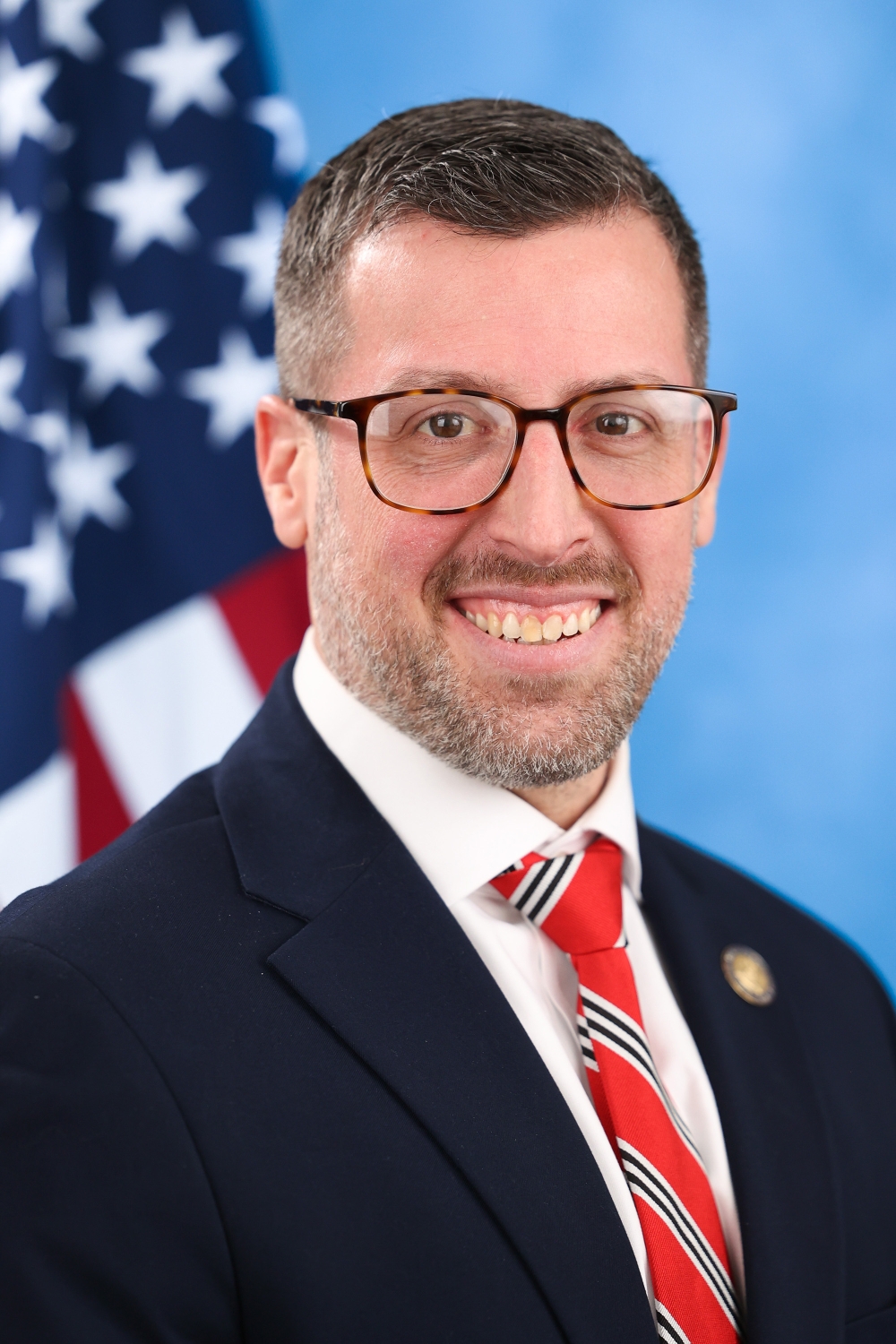
Steve Chan
Steve Chan Senate · District 17
R
Strong −
0% 18
George Borrello
George Borrello Senate · District 57
R
Strong −
0% 16
Andrew Molitor
Andrew Molitor House · District 150
R
Strong −
0% 7
Brian Manktelow
Brian Manktelow House · District 130
R
Strong −
0% 7
Chris Tague
Chris Tague House · District 102
R
Strong −
0% 7
Showing 261–270 of 308 bills

All criminal justice bills

in committee · New York · Assembly Jan 7, 2026

A 1684: Establishes a special prosecutor to investigate and prosecute matters involving the death of an unarmed civilian caused by a law enforcement officer

This bill establishes a special prosecutor appointed by the governor to investigate and prosecute cases where an unarmed civilian dies due to a police officer's actions. The special prosecutor, serving a 3-year term, replaces local district attorneys in these cases and must dedicate full time to such investigations. They are required to conduct independent reviews - including evidence gathering and witness interviews - and submit detailed reports to the governor and legislature when declining to pursue charges or when grand juries refuse indictments. The special prosecutor’s role takes effect 60 days after the bill becomes law.
Sub-Topics Policing
in committee · New York · Assembly Jan 7, 2026

A 1478: Relates to criminalizing the act of stalking a police officer or peace officer

This bill adds new felony offenses to New York's penal law specifically for stalking police officers or peace officers and their immediate family members (spouses, children, parents, or household members). It creates three levels of stalking: third degree (intentional conduct causing fear of harm), second degree (multiple incidents or prior related convictions), and first degree (causing physical injury or escalating crimes). The law defines prohibited conduct as repeated, unwanted contact, following, or communication after being told to stop, with penalties ranging from class E to class D felonies. It directly affects law enforcement officers and their families by providing specific legal protections against targeted stalking behavior.
in committee · New York · Senate Jan 7, 2026

S 1216: Relates to crisis intervention training for police officers

S 1216 requires police departments in cities with populations of one million or more to implement crisis intervention training for all officers. The bill mandates that city councils develop written protocols - created with input from mental health and addiction officials - for responding to situations involving people experiencing mental illness or substance abuse. These protocols must include mandatory training for both new and veteran officers, along with recommendations for ongoing retraining programs. The law applies to large cities and takes effect 90 days after enactment.
in committee · New York · Assembly Jan 7, 2026

A 336: Requires the use of body-worn cameras on certain correction officers

This bill requires correction officers supervising general population in maximum-security facilities to wear body-worn cameras recording both audio and video during all interactions with incarcerated individuals. It mandates that all cameras be installed within six months of the law's effective date, with recordings retained for at least six months and subject to privacy protections. The law also requires the department to issue an annual report evaluating the cameras' impact on safety metrics like assaults, injuries, and deaths. The policy directly affects correction officers, incarcerated individuals, and department staff in designated facilities.
Sub-Topics Corrections Policing
in committee · New York · Assembly Jan 7, 2026

A 7193: Relates to justification for the use of deadly physical force by a police or peace officer

Limits the circumstances which justify the use of deadly force by a police officer or peace officer to instances when the person committed a felony that threatened or resulted in death or serious bodily injury and the officer reasonably believes that the person will cause death or serious bodily injury to another person unless immediately apprehended.
in committee · New York · Assembly Jan 7, 2026

A 1159: Designates offenses against law enforcement officers as hate crimes and makes graffiti a hate crime

This bill amends New York's penal law to expand hate crime designations. It adds "actual or perceived employment as a law enforcement officer" as a protected characteristic, meaning attacks against police officers motivated by bias can now be classified as hate crimes. It also explicitly includes "making graffiti" (under section 145.60) as a specified offense that qualifies as a hate crime when committed due to bias against a protected characteristic. This change affects individuals who commit certain offenses (like assault or graffiti) with bias targeting law enforcement or other protected traits, potentially increasing penalties for those acts.
in committee · New York · Senate Jan 7, 2026

S 1400: Relates to providing increased and uniform training requirements and outreach for law enforcement and establishes law enforcement peer support

Relates to providing increased and uniform training requirements including implicit bias, use of force, first aid and firearm training, and outreach for law enforcement; establishes law enforcement peer support through the office of mental health.
in committee · New York · Assembly Jan 7, 2026

A 1811: Requires reporting to the federal bureau of investigation's national use-of-force data collection program

This bill requires New York police departments and sheriff's offices to report all use-of-force incidents to the FBI's national database. It defines specific reportable events, including firearm discharge, chokeholds, chemical agents, and other restraints causing injury or death. Reports must include detailed incident circumstances and demographic details of involved individuals (age, race, gender, etc.). Failure to submit reports risks a 10% reduction in state funding for the affected department.
Sub-Topics Firearms Policing
in committee · New York · Senate Jan 7, 2026

S 1830: Requires police officer training programs on interacting with individuals with a disability

Requires police officer training programs on interacting with individuals with a disability with special emphasis on the techniques needed to improve interactions with individuals that are blind or deaf or hard of hearing; provides such training shall be created in consultation with the justice center for the protection of people with special needs.
Sub-Topics Law Enforcement Policing Tags People with Disabilities
in committee · New York · Assembly Jan 7, 2026

A 310: Prohibits motor vehicle stops for certain violations

This bill prohibits police from stopping a vehicle solely for minor violations like expired registration, unsecured license plates, or minor equipment issues (e.g., a single broken headlight). It allows stops only when an officer observes a "primary" violation (like speeding) at the same time as the minor issue. Drivers would no longer face stops for things such as a temporarily expired registration or a single non-working light, unless a more serious violation was also observed. The law directly affects drivers pulled over for these specific secondary violations, changing when stops can legally occur.
Sub-Topics Policing
Showing 261 to 270 of 308 bills
Previous 1 … 26 27 28 … 31 Next