Issue · Criminal Justice

Criminal Justice (Courts)

Every criminal justice bill, vote, and legislator stance in New York, automatically classified by Maddy, our AI policy reader.

Total bills
254
2025 Regular Session
Top supporter
Shelley Mayer
100% support rate
Top opponent
Anil Beephan
0% support rate
Ranked legislators
10
5 support · 5 oppose
Key legislators

Who's moving courts in New York

Legislators moving courts in New York
Legislator Party Stance Support rate Votes
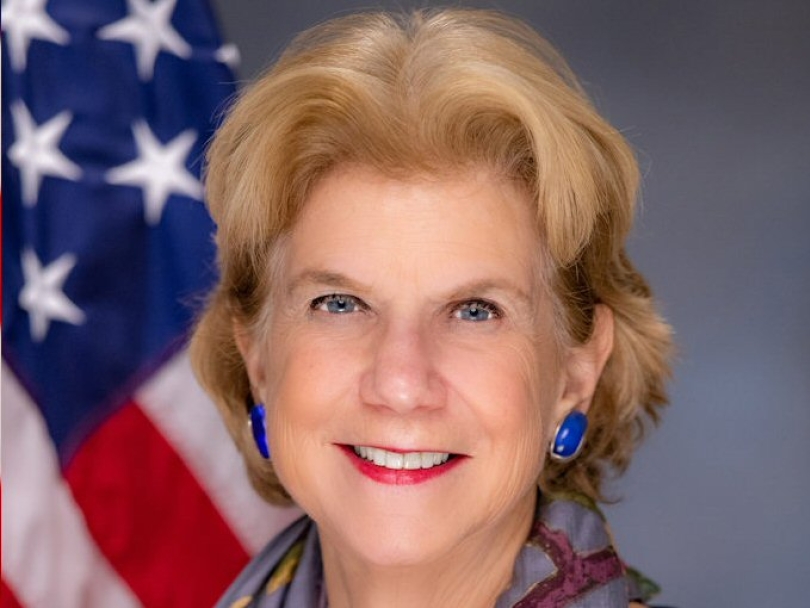
Shelley Mayer
Shelley Mayer Senate · District 37
D
Strong +
100% 27
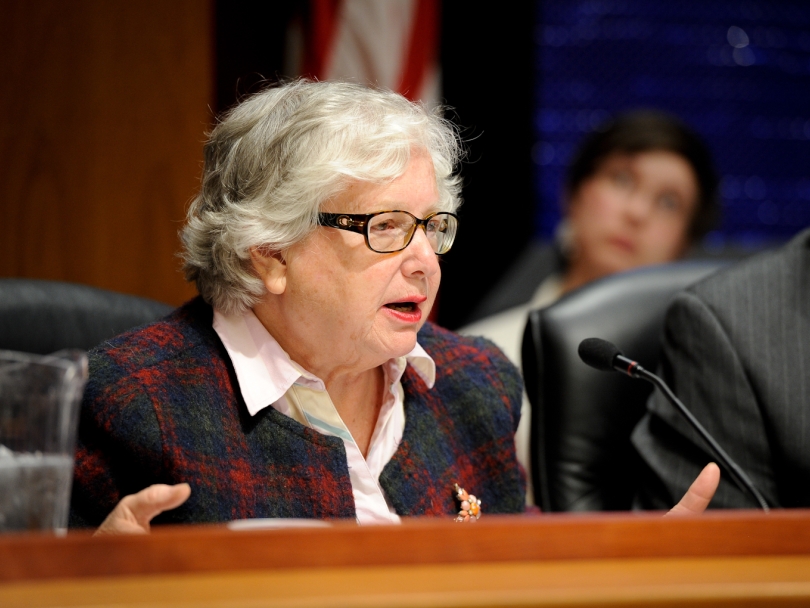
Toby Stavisky
Toby Stavisky Senate · District 11
D
Strong +
100% 24
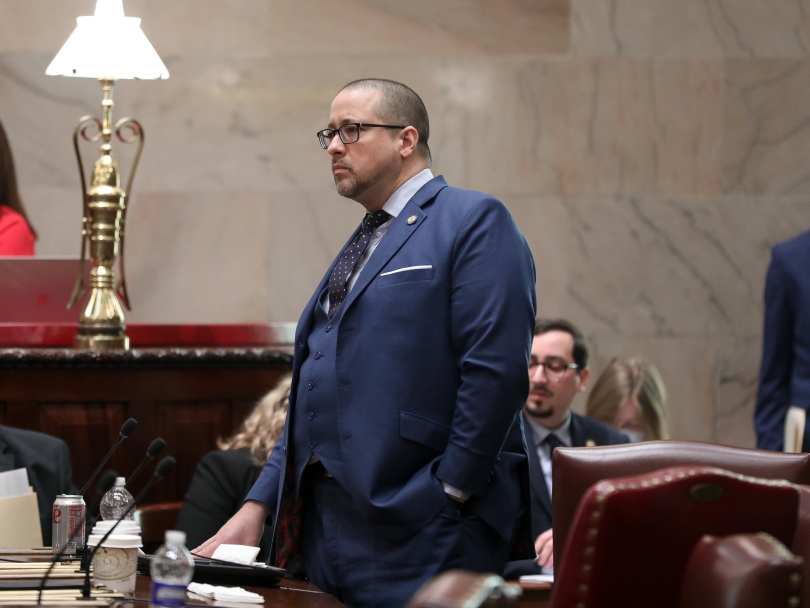
Gustavo Rivera
Gustavo Rivera Senate · District 33
D
Strong +
100% 23
Leroy Comrie
Leroy Comrie Senate · District 14
D
Strong +
100% 23
Jessica Ramos
Jessica Ramos Senate · District 13
D
Strong +
100% 22
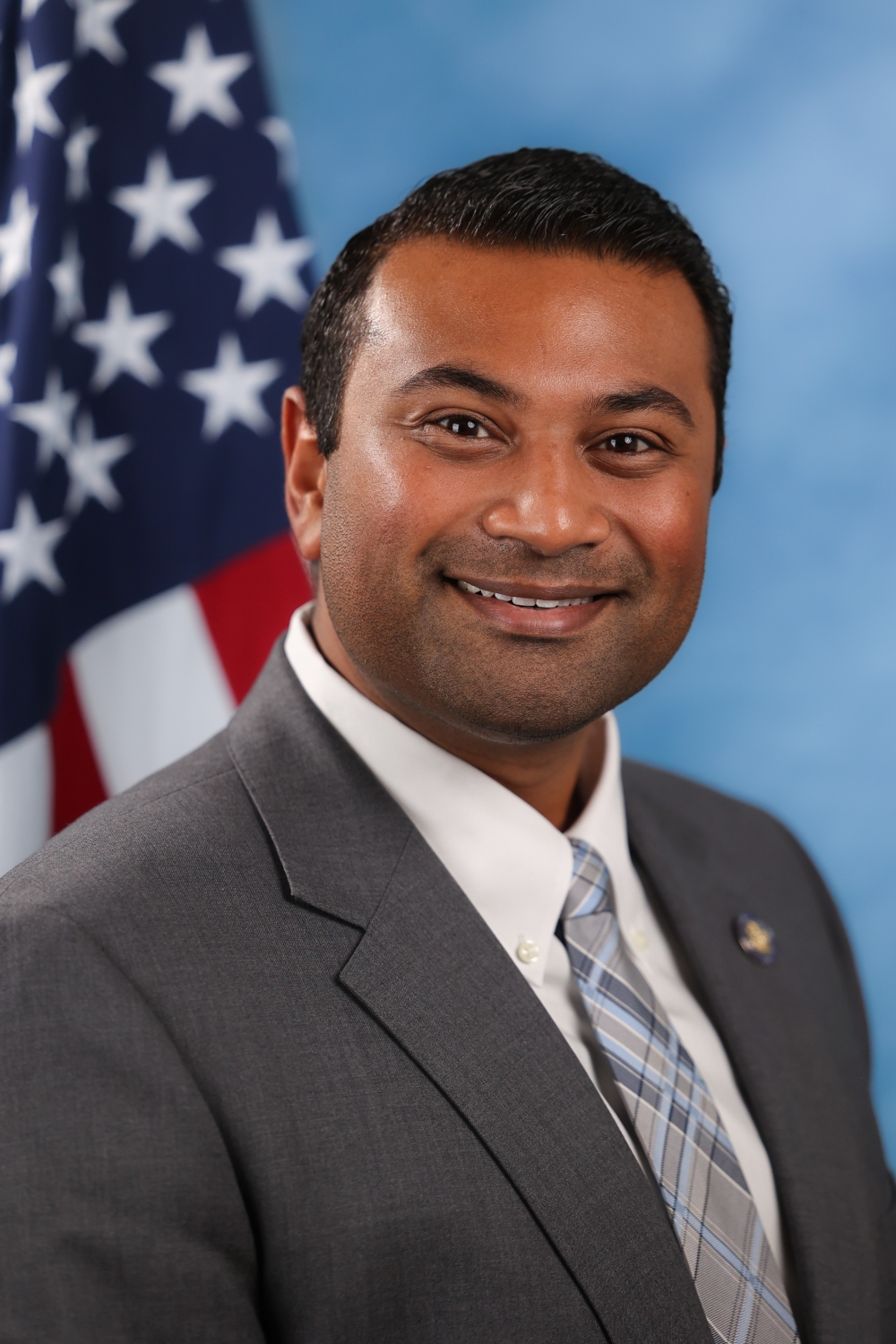
Anil Beephan
Anil Beephan House · District 105
R
Strong −
0% 6
Ari Brown
Ari Brown House · District 20
R
Strong −
0% 6
Brian Miller
Brian Miller House · District 122
R
Strong −
0% 6
Chris Friend
Chris Friend House · District 124
R
Strong −
0% 6
Chris Tague
Chris Tague House · District 102
R
Strong −
0% 6
Showing 221–230 of 254 bills

All criminal justice bills

in committee · New York · Senate Jan 7, 2026

S 1402: Relates to the execution of a warrant of arrest and establishes educational programs for judicial personnel on the law of searches, arrests and seizures

Relates to the execution of a warrant of arrest; authorizes the commissioner of the division of criminal justice services to establish a system to record and monitor the issuance and execution of search warrants; authorizes the chief administrator of the court system to establish educational programs for judicial personnel on the law of searches, arrests and seizures.
Sub-Topics Courts
in committee · New York · Assembly Jan 7, 2026

A 7776: Establishes conviction integrity units

Establishes conviction integrity units; describes conviction integrity units; creates definitions; provides that a prosecution agency may create a conviction integrity unit to review convictions; provides that a conviction integrity unit may make recommendations for changes in convictions and sentences obtained by the prosecution agency; grants the prosecution agency discretion regarding the conviction integrity unit's recommendations; requires notice to the victim if a petition is filed by the prosecution agency; gives the superior court the discretion to provide relief.
Sub-Topics Courts
failed · New York · Senate May 18, 2026

S 2282: Enacts the "pretrial risk overview for threat evaluation, custody, and treatment (PROTECT) Act"; repealer

Enacts the "pretrial risk overview for threat evaluation, custody, and treatment (PROTECT) Act" to evaluate certain defendants; establishes a risk assessment instrument to aid judges in determining whether to release or detain a principal, where and when a release is appropriate and necessary conditions that should be imposed as part of such release; repeals provisions of law relating to qualifying offenses and allows a court to set bail or remand a principal where based on the risk assessment instrument, where the principal poses a safety risk or risk of flight; makes related provisions.
Sub-Topics Courts
in committee · New York · Senate Jan 7, 2026

S 4256: Requires mandatory jail time for repeat violators of orders of protection

This bill requires courts to impose a minimum 30-day jail sentence for individuals who repeatedly violate orders of protection issued to prevent family violence. It specifically applies when a person has been found to violate such an order more than once, and those violations involved committing a "family offense" as defined by New York law (such as assault or menacing). The law amends multiple statutes to mandate this minimum sentence upon repeated violations, replacing prior judicial discretion in these cases. It directly affects individuals convicted of repeated, willful breaches of court-issued protection orders related to family violence. The bill does not change penalties for first-time violations or non-violent breaches.
in committee · New York · Senate Jan 7, 2026

S 1471: Authorizes certain electronic court appearances

Authorizes electronic court appearances for criminal matters, excluding jury trials, in all counties in the state; authorizes electronic appearances for criminal matters where the court determines a personal appearance would be impractical, unsafe or excessively burdensome; authorizes sentencing to a period of incarceration to be conducted via electronic appearance for defendants who are already incarcerated.
Sub-Topics Courts Sentencing
in committee · New York · Assembly Jan 7, 2026

A 7352: Relates to enacting the "fair court of appeals access act"

This bill, "Fair Court of Appeals Access Act," changes how criminal defendants request permission to appeal to the Court of Appeals. It requires all applications for leave to appeal from intermediate appellate court orders to be submitted directly to the full Court of Appeals (not to individual judges or justices), applying to all criminal appeals filed after the law's effective date. Key provisions include mandating written submissions to the Court of Appeals clerk (with the chief judge designating a judge to review), replacing current options where some applications could go to appellate division justices, and requiring immediate filing of all decisions. This directly affects criminal defendants seeking higher court review of lower court rulings.
Sub-Topics Courts Judges
in committee · New York · Assembly Jan 7, 2026

A 8014: Enacts into law components of legislation relating to certain criminal justice reform in the state of New York; repealer

Enacts into law components of legislation relating to certain criminal justice reform in the state of New York; establishes law enforcement officer grant funds (Part A); provides judges more discretion regarding securing orders and limiting the lengths of certain orders (Part B); requires affirmative consent for the disclosure of contact information of witnesses to a defendant; provides that denial of such consent shall only be for good cause as determined by the court (Part C); relates to consideration of the death penalty for the commission of certain provisions of murder in the first degree (Part D).
Sub-Topics Courts
in committee · New York · Senate Jan 7, 2026

S 5370: Relates to claims for unjust conviction

This bill creates a legal process for people wrongfully convicted and imprisoned to seek state compensation. To qualify, claimants must prove innocence (through DNA evidence, a pardon for innocence, or a court-ordered conviction reversal on specific grounds), show they didn't cause their own conviction, and demonstrate they served time. Compensation must be at least $1 million per year of wrongful incarceration, plus reasonable attorney fees. Claims based on prior pardons or dismissals must be filed within two years.
in committee · New York · Assembly Jan 7, 2026

A 7460: Relates to securing orders for certain firearms offenses

This New York state bill (A 7460) requires courts to hold defendants in custody (remand to sheriff custody) before trial for specific felony firearm offenses. It directly affects individuals charged with crimes like third-degree criminal possession of a firearm or weapon, or selling firearms to minors. The key change is mandating pretrial jail detention for these offenses, rather than allowing release on bail. The bill amends three sections of New York's criminal procedure law to specify these offenses trigger this requirement. It does not change the penalties for the crimes themselves, only the court procedure for handling defendants charged with them.
in committee · New York · Senate Jan 7, 2026

S 578: Relates to offenses for which a court may fix bail or commit a principal to custody of the sheriff

This bill (S 578) changes pretrial release rules for people accused of sex offenses who are already designated as sex offenders under New York's Correction Law. It allows courts to require bail or hold such individuals in custody before trial, rather than automatically releasing them on their own recognizance. Previously, courts could only deny release for these individuals if they also found other risks (like flight risk), but this bill makes their sex offender status alone sufficient justification for bail or custody. The law directly affects people awaiting trial for sex offenses who are on the state's sex offender registry. It takes effect 30 days after becoming law.
Sub-Topics Courts
Showing 221 to 230 of 254 bills
Previous 1 22 23 24 26 Next