Issue · Criminal Justice

Criminal Justice (Probation & Parole)

Every criminal justice bill, vote, and legislator stance in New York, automatically classified by Maddy, our AI policy reader.

Total bills
243
2025 Regular Session
Top supporter
Jamaal Bailey
100% support rate
Top opponent
Patrick Gallivan
0% support rate
Ranked legislators
10
5 support · 5 oppose
Key legislators

Who's moving probation & parole in New York

Legislators moving probation & parole in New York
Legislator Party Stance Support rate Votes
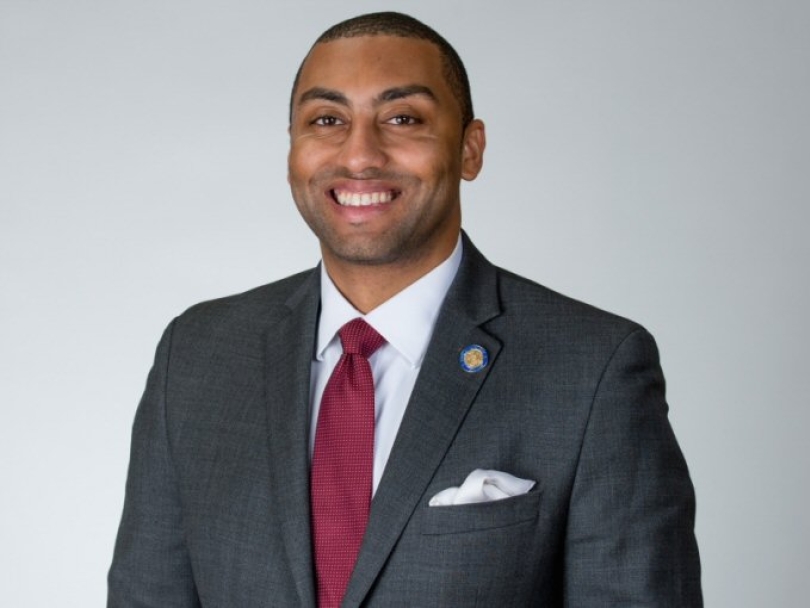
Jamaal Bailey
Jamaal Bailey Senate · District 36
D
Strong +
100% 31
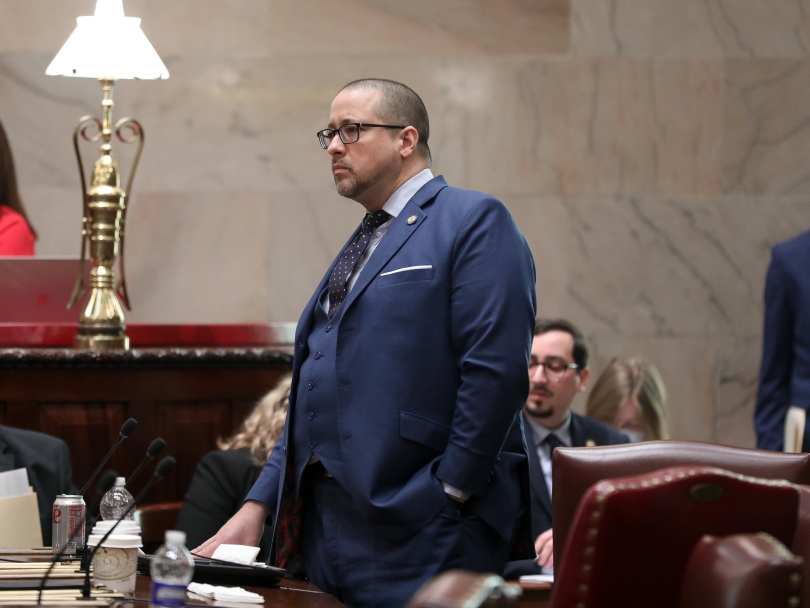
Gustavo Rivera
Gustavo Rivera Senate · District 33
D
Strong +
100% 29
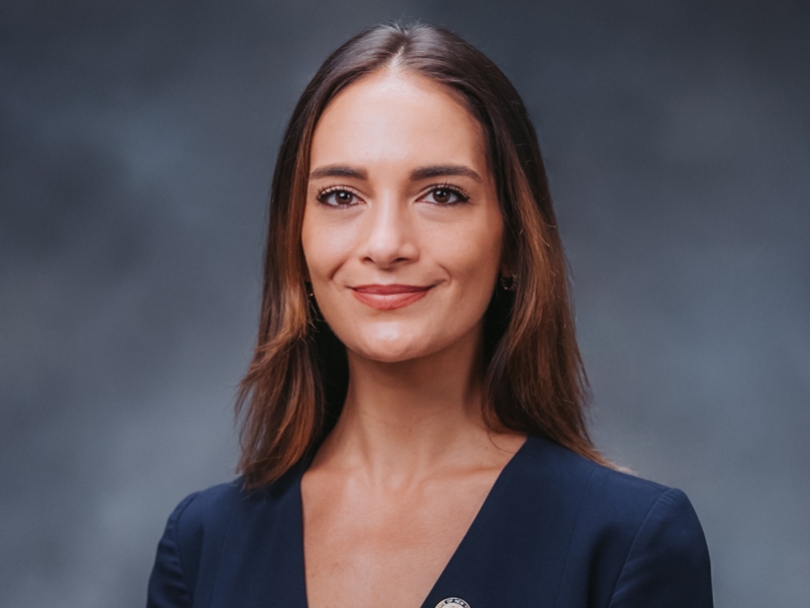
Julia Salazar
Julia Salazar Senate · District 18
D
Strong +
100% 28
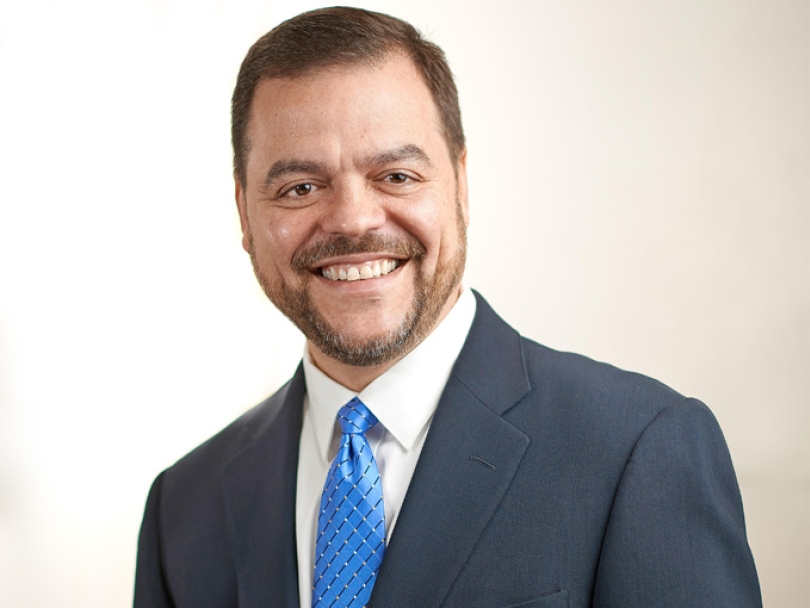
Luis Sepúlveda
Luis Sepúlveda Senate · District 32
D
Strong +
100% 28
Pete Harckham
Pete Harckham Senate · District 40
D
Strong +
100% 27
Patrick Gallivan
Patrick Gallivan Senate · District 60
R
Strong −
0% 20
Dan Stec
Dan Stec Senate · District 45
R
Strong −
0% 18
Rob Ortt
Rob Ortt Senate · District 62
R
Strong −
0% 16
Mark Walczyk
Mark Walczyk Senate · District 49
R
Strong −
0% 13
Alexis Weik
Alexis Weik Senate · District 8
R
Strong −
0% 12
Showing 201–210 of 243 bills

All criminal justice bills

in committee · New York · Senate Jan 7, 2026

S 2682: Requires the department of corrections and community supervision to publicly post certain information after the death of an individual in the custody of the department

Requires the department of corrections and community supervision to publicly post the name, identifying information and a summary incident report after the death of an individual in the custody of the department.
in committee · New York · Senate Jan 7, 2026

S 3714: Provides that certain sex offenders who are released on parole or sentenced to probation may not enter public, association or free libraries

This bill prohibits certain sex offenders on parole or probation from entering public, association, or free libraries. It specifically targets individuals convicted of crimes against minors (under 18) or designated as Level 3 sex offenders. As a mandatory condition of release, these offenders must avoid all such libraries unless authorized in writing by their parole/probation officer and library administrator for limited purposes like being a student, employee, or having a family member enrolled. The restriction applies only during library hours when minors are present at the facility.
Sub-Topics Probation & Parole
in committee · New York · Senate Jan 7, 2026

S 128: Requires notice to crime victims that they have the right to attend interviews between the board of parole and the incarcerated individual; requires the board of parole to review victim impact statements

Requires the notice to crime victims of case disposition to inform the victim of the right to attend interviews between the board of parole and the incarcerated individual in cases where the final disposition includes a felony defined in article one hundred twenty-five of the penal law that results in the commitment of the defendant to the custody of the department of corrections and community supervision for an indeterminate sentence; requires the board of parole to review victim impact statements, failure to review such statements shall make a hearing by the board of parole invalid.
in committee · New York · Assembly Jan 7, 2026

A 608: Expands prison work release program eligibility and participation

This bill expands eligibility for New York's prison work release programs by extending the timeframe for parole eligibility from two to three years before release. It allows incarcerated individuals convicted of homicide or assault to qualify if they prove they were abused by the victim and the abuse contributed to the crime, requiring documentation like hospital records or police reports. The bill excludes those convicted of serious offenses like sex crimes, terrorism, or child sexual abuse from participating. It also requires the commissioner to consult prosecutors and courts before approving exceptions, while maintaining restrictions on those with escape convictions or certain violent histories. This directly affects incarcerated people in New York state facilities seeking work release opportunities.
in committee · New York · Assembly Jan 7, 2026

A 1658: Requires a sentence of life imprisonment without parole for murder in the first degree, aggravated murder, and murder in the second degree

This bill requires life imprisonment without parole for individuals convicted of murder in the first degree, aggravated murder, or specific types of murder in the second degree. It eliminates parole eligibility for these offenders, mandating they serve their entire sentence in prison with no possibility of release. The law applies to all such convictions under the defined legal standards, removing alternative sentencing options like fixed prison terms. Additionally, the bill includes similar life without parole requirements for certain terrorism and chemical weapon offenses, but the primary focus centers on murder sentencing reforms.
in committee · New York · Senate Jan 7, 2026

S 8182: Provides for access to legal counsel when a correctional facility has suspended visiting privileges

Directs the commissioner of corrections and community supervision to establish procedures to allow an incarcerated individual in a correctional facility which has suspended visiting privileges to have private meetings with their legal counsel.
in committee · New York · Assembly Jan 7, 2026

A 5356: Directs the office of mental health to conduct a study on the effects of abuse suffered while incarcerated on formerly incarcerated individuals

This bill requires the Office of Mental Health, working with the Department of Corrections and Community Supervision, to study how abuse experienced during incarceration affects formerly incarcerated individuals. The study must examine both short-term and long-term mental, behavioral, and physical health impacts, associated costs, and identify effective treatment approaches. Within one year of the bill's effective date, the Office must submit a report with findings and recommendations to the governor and legislative leaders. The bill directly affects formerly incarcerated people by mandating an analysis of abuse-related harms they face post-incarceration.
Sub-Topics Probation & Parole
in committee · New York · Senate Jan 7, 2026

S 942: Makes life imprisonment without parole mandatory for defendants convicted of murder in the first degree or second degree and the victim is a police officer, peace officer, first responder or correctional officer

Makes life imprisonment without parole mandatory for defendants convicted of murder in the first degree or second degree and the victim is a police officer, peace officer, first responder or correctional officer.
in committee · New York · Assembly Jan 7, 2026

A 6525: Requires a sentence of life imprisonment without parole for murder in the first degree, aggravated murder, and murder in the second degree

This bill mandates a life imprisonment sentence without parole for specific murder convictions. It directly affects defendants convicted of first-degree murder involving the killing of a first responder, certain second-degree murders, or aggravated murder. The law requires courts to impose this sentence automatically in these cases, removing judicial discretion for these offenses. It does not apply to defendants under 18 at the time of the crime, who may still receive other sentencing options.
in committee · New York · Senate Jan 7, 2026

S 4382: Creates a tax credit for employment of persons on probation or parole

This bill creates a New York state tax credit for employers who hire formerly incarcerated individuals on probation or parole. Employers receive a 35% credit against state taxes for the first $6,000 in wages paid to qualifying employees during their first year of employment. To qualify, an employee must have a felony conviction, be on probation or parole, and work full-time for at least 180 days. The credit coordinates with the federal Work Opportunity Tax Credit, using second-year wages for employees who also qualify for the federal program. The policy directly affects New York employers and formerly incarcerated individuals seeking stable employment.
Showing 201 to 210 of 243 bills
Previous 1 20 21 22 25 Next