Issue · Criminal Justice

Criminal Justice (Courts)

Every criminal justice bill, vote, and legislator stance in New York, automatically classified by Maddy, our AI policy reader.

Total bills
215
2025 Regular Session
Top supporter
Shelley Mayer
100% support rate
Top opponent
Anil Beephan
0% support rate
Ranked legislators
10
5 support · 5 oppose
Key legislators

Who's moving courts in New York

Legislators moving courts in New York
Legislator Party Stance Support rate Votes
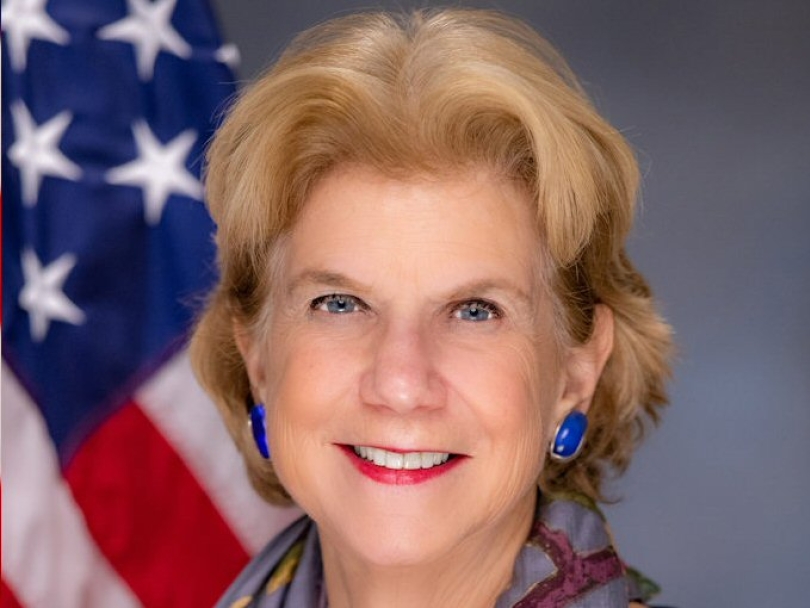
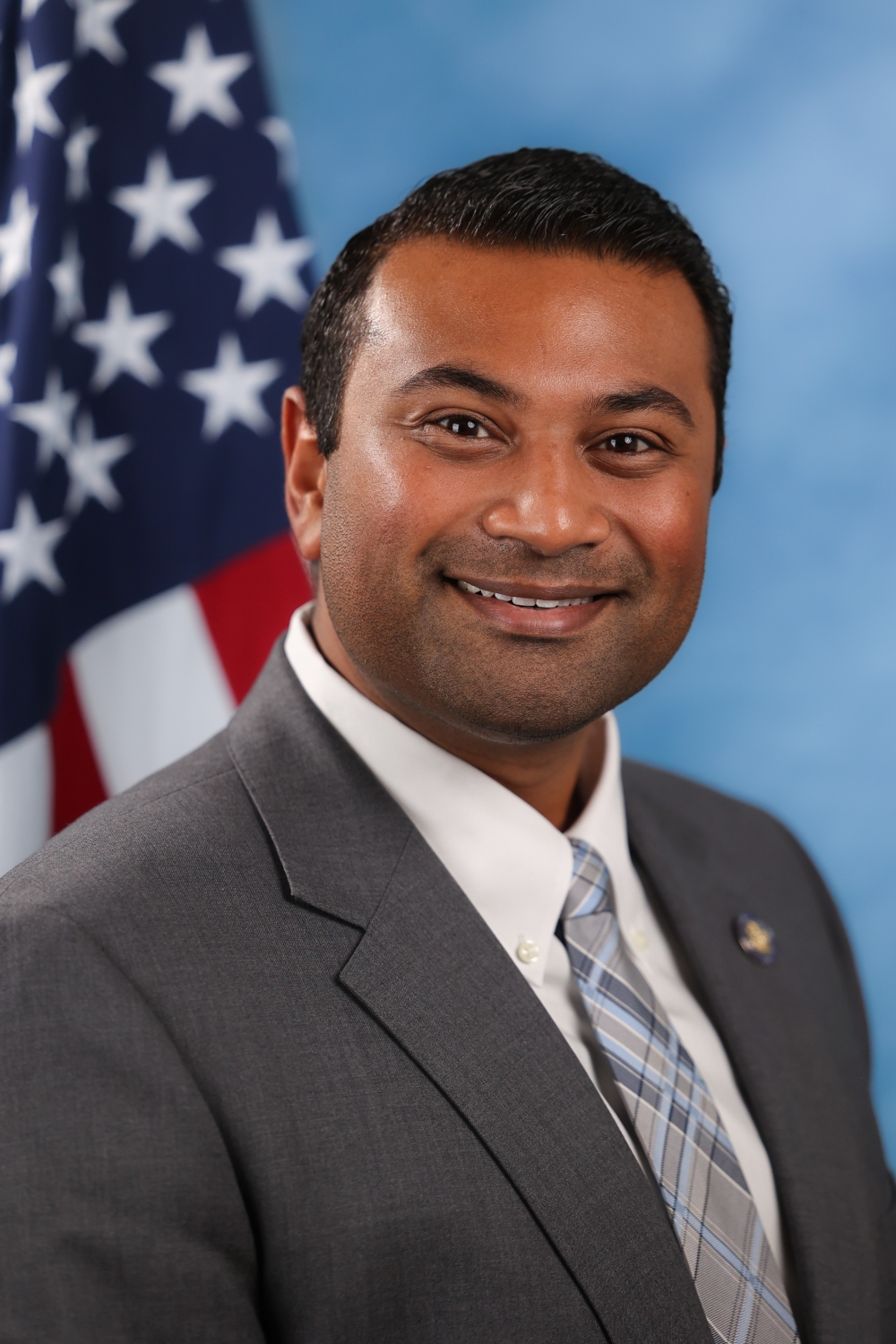
Shelley Mayer
Shelley Mayer Senate · District 37
D
Strong +
100% 27
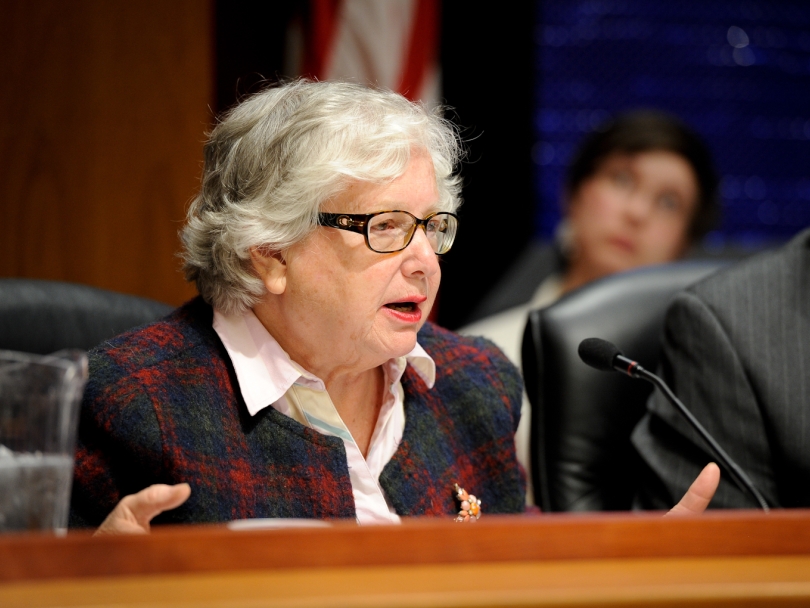
Toby Stavisky
Toby Stavisky Senate · District 11
D
Strong +
100% 24
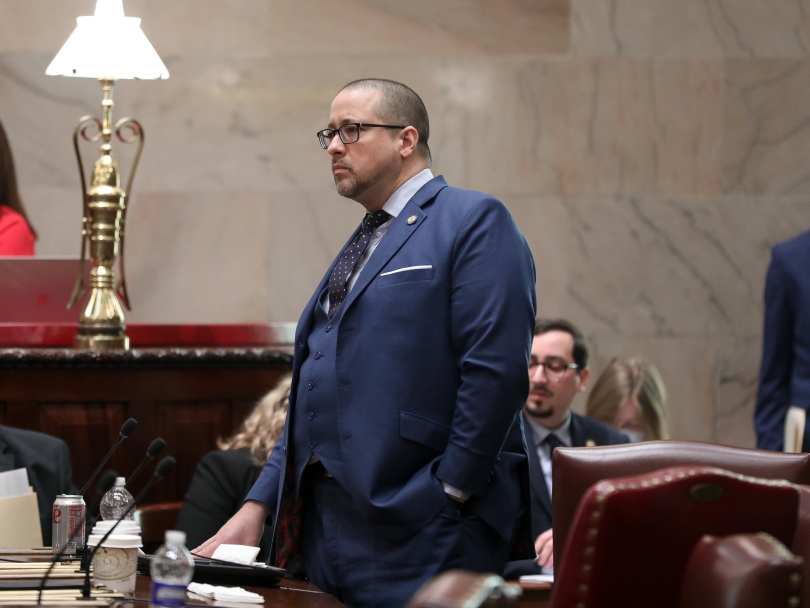
Gustavo Rivera
Gustavo Rivera Senate · District 33
D
Strong +
100% 23
Leroy Comrie
Leroy Comrie Senate · District 14
D
Strong +
100% 23
Jessica Ramos
Jessica Ramos Senate · District 13
D
Strong +
100% 22
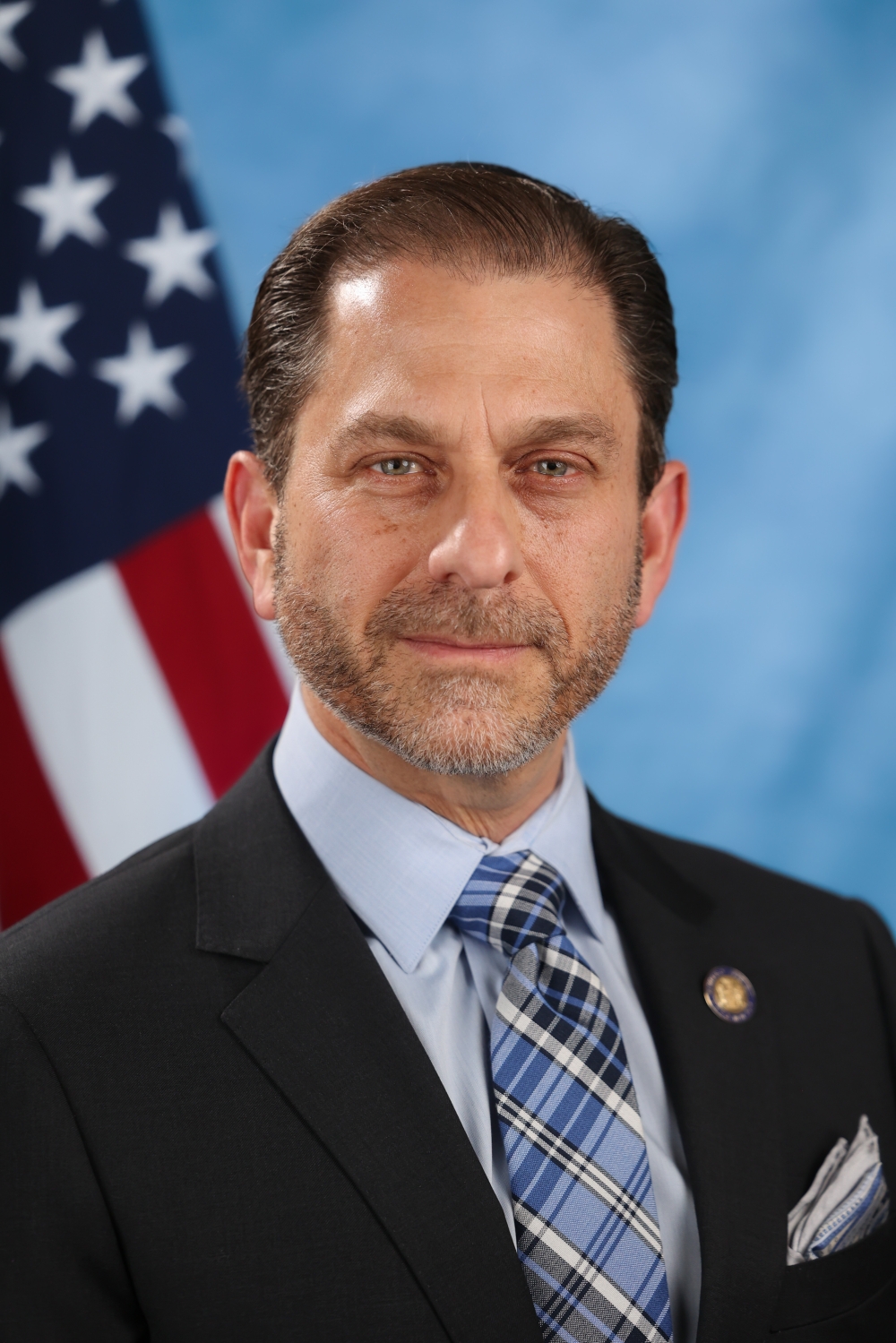
Anil Beephan
Anil Beephan House · District 105
R
Strong −
0% 6
Ari Brown
Ari Brown House · District 20
R
Strong −
0% 6
Brian Miller
Brian Miller House · District 122
R
Strong −
0% 6
Chris Friend
Chris Friend House · District 124
R
Strong −
0% 6
Chris Tague
Chris Tague House · District 102
R
Strong −
0% 6
Showing 201–210 of 215 bills

All criminal justice bills

passed both · New York · Senate Jun 2, 2026

S 3864: Enacts the "criminal court opinion transparency act"

This bill requires New York courts to publish detailed criminal case data online in a machine-readable format. It mandates collecting and sharing defendant demographics (age, gender, race/ethnicity), judge names, case issues, and publication status for every criminal case, with new data updated quarterly. The information must be accessible via a free public database allowing search and bulk download for analysis. This affects courts (which must transmit data) and the public (which gains access to previously unpublished case details). The law applies to all criminal cases, including those resolved in favor of the defendant.
Sub-Topics Courts Judges
in committee · New York · Senate Jan 7, 2026

S 857: Restores judicial discretion relating to bail reform; repealer

Restores judicial discretion relating to bail reform; provides that when the defendant is charged with a felony, the court shall request of the applicable county pre-trial services agency a risk and needs assessment be conducted on the eligible defendant for the purpose of determining whether such defendant should be released on the defendant's own recognizance, released under non-monetary conditions or, where authorized, bail or commit the defendant to the custody of the sheriff; defines risks and needs assessment; makes related provisions.
Sub-Topics Courts
in committee · New York · Assembly Jan 7, 2026

A 1537: Prohibits the use of DNA phenotyping in criminal prosecutions and proceedings

This bill prohibits law enforcement agencies from using or contracting for DNA phenotyping, which predicts physical traits (like eye color or ancestry) from DNA samples, in criminal investigations or prosecutions. It bans all evidence derived from this technology from being used as reasonable cause for arrest or in court, and requires existing DNA phenotyping data held by police to be destroyed immediately. Any conviction linked to such evidence becomes eligible for legal review. The law directly affects police departments, prosecutors, and criminal court proceedings by eliminating a specific investigative tool.
Sub-Topics Courts Policing
in committee · New York · Assembly Jan 7, 2026

A 1402: Relates to providing a civil action for deprivation of rights

This bill creates a new civil lawsuit pathway for individuals whose constitutional or federal rights were violated by government actors (such as police, courts, or public officials). It allows victims to sue for damages and court-ordered remedies, removes common defenses like "I thought it was legal," and requires courts to award attorney fees to winning plaintiffs - even if the case settles without a formal judgment. Public entities (like cities or state agencies) must cover their employees' legal costs if sued under this law, and lawsuits must be filed within three years of the violation. It directly affects people harmed by government overreach, ensuring they have a clear legal route to seek redress for rights violations.
in committee · New York · Assembly Jan 7, 2026

A 7064: Includes offenses involving physical harm or danger to others to be qualifying offenses for the purpose of allowing a principal to be eligible to be held on bail

Includes offenses involving situations where a person physically harms another or engages in conduct that results in an unacceptable level of danger as qualifying offenses for the purpose of allowing a principal to be eligible to be held on bail; requires the Office of Court Administration, in conjunction with the New York State Division of Criminal Justice Services, to manage an electronic tracking system maintaining a record of all bail decisions and to deliver a report to the legislature.
Sub-Topics Courts
in committee · New York · Senate Jan 7, 2026

S 7337: Enacts into law components of legislation relating to certain criminal justice reform in the state of New York; repealer

Enacts into law components of legislation relating to certain criminal justice reform in the state of New York; establishes law enforcement officer grant funds (Part A); provides judges more discretion regarding securing orders and limiting the lengths of certain orders (Part B); requires affirmative consent for the disclosure of contact information of witnesses to a defendant; provides that denial of such consent shall only be for good cause as determined by the court (Part C); relates to consideration of the death penalty for the commission of certain provisions of murder in the first degree (Part D).
Sub-Topics Courts
in committee · New York · Senate Mar 5, 2026

S 4547: Relates to judicial diversion programs; repealer

S 4547 establishes a dedicated "diversion part" in every county court to handle judicial diversion cases for eligible defendants. It directly affects individuals charged with specific class B, C, D, or E felonies (excluding certain serious offenses like class A felonies) who have a qualifying mental health or substance use diagnosis. The bill requires a clinical evaluation by licensed professionals to determine if diversion is appropriate, including recommendations for evidence-based treatment (like counseling or medication) instead of incarceration. It repeals outdated provisions about alcohol/substance use evaluations and clarifies eligibility criteria for this program.
Sub-Topics Courts Drug Policy
in committee · New York · Senate Jan 7, 2026

S 4765: Relates to the timely scheduling of criminal trials

This bill sets specific time limits for scheduling criminal trials based on the severity of charges. For felony cases, trials must begin within six months; for serious misdemeanors (over 3 months jail), within 90 days; for minor misdemeanors (under 3 months), within 60 days; and for violations, within 30 days. If trials aren't scheduled by these deadlines, defendants must be released on bail or their own recognizance, with certain delays (like court proceedings or defendant absence) excluded from the count. It directly affects defendants awaiting trial and requires prosecutors to meet these timelines.
Sub-Topics Courts
in committee · New York · Assembly Jan 7, 2026

A 3132: Increases the designation of certain offenses relating to unlawfully fleeing a police officer and makes such offenses eligible for bail

This bill lowers the felony classification for certain vehicle-related police fleeing offenses (from class A to E, E to D, and D to C felonies) and adds these charges to the list of offenses eligible for bail. It directly affects individuals charged with fleeing police in a motor vehicle, specifically those facing third-degree (least severe), second-degree, or first-degree charges. The key change amends bail eligibility rules in the criminal procedure law, allowing courts to grant release on recognizance or under non-monetary conditions for these offenses - provided the prosecution shows reasonable cause and the court finds any related theft negligible. This adjustment modifies how courts handle pretrial release for these specific charges.
Sub-Topics Courts Policing
in committee · New York · Senate Jan 7, 2026

S 430: Establishes the office of pretrial services

Moves from the Office of Court Administration (OCA) to the Division of Criminal Justice Services (DCJS) responsibility for certifying, establishing and implementing standards for pretrial services agencies of the state.
Showing 201 to 210 of 215 bills