Issue · Criminal Justice

Criminal Justice (Probation & Parole)

Every criminal justice bill, vote, and legislator stance in New York, automatically classified by Maddy, our AI policy reader.

Total bills
243
2025 Regular Session
Top supporter
Jamaal Bailey
100% support rate
Top opponent
Patrick Gallivan
0% support rate
Ranked legislators
10
5 support · 5 oppose
Key legislators

Who's moving probation & parole in New York

Legislators moving probation & parole in New York
Legislator Party Stance Support rate Votes
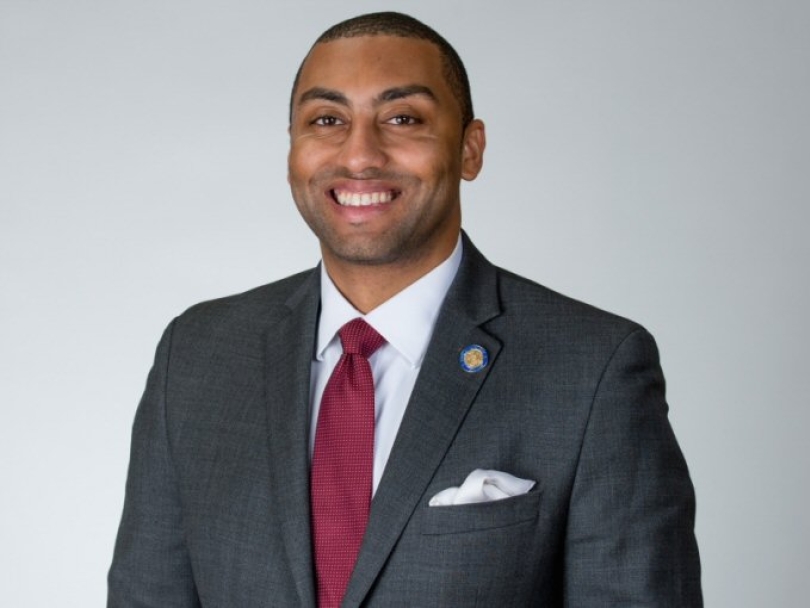
Jamaal Bailey
Jamaal Bailey Senate · District 36
D
Strong +
100% 31
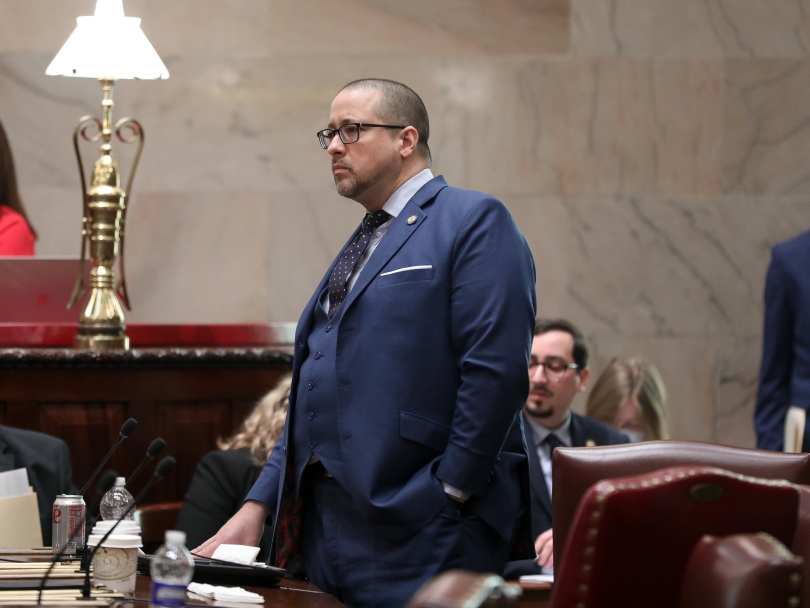
Gustavo Rivera
Gustavo Rivera Senate · District 33
D
Strong +
100% 29
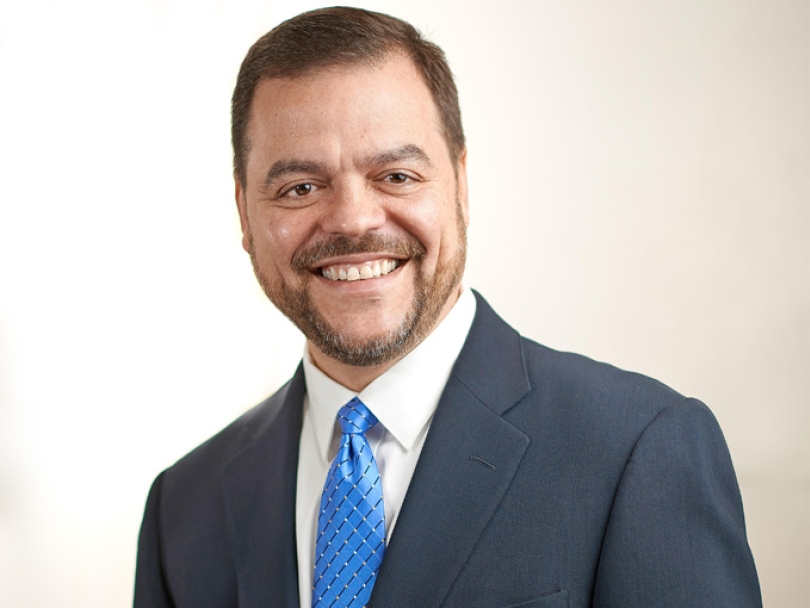
Julia Salazar
Julia Salazar Senate · District 18
D
Strong +
100% 28
Luis Sepúlveda
Luis Sepúlveda Senate · District 32
D
Strong +
100% 28
Pete Harckham
Pete Harckham Senate · District 40
D
Strong +
100% 27
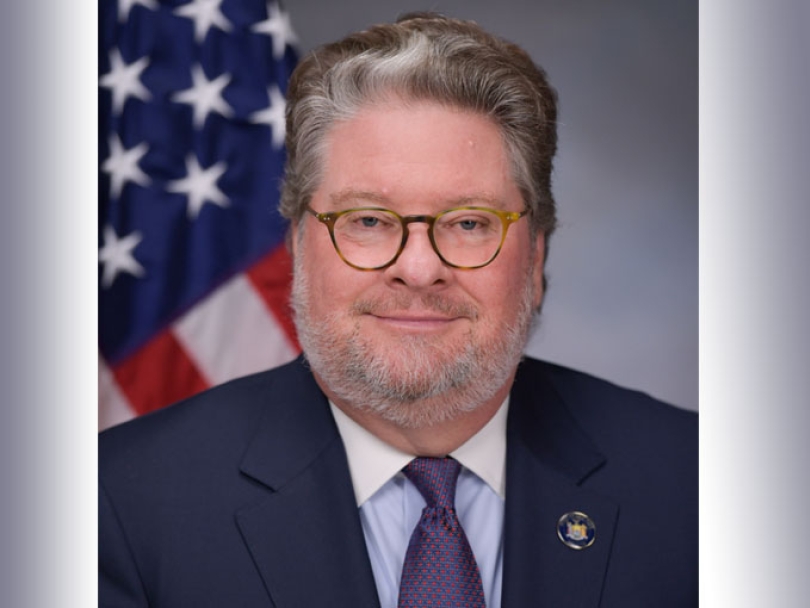
Patrick Gallivan
Patrick Gallivan Senate · District 60
R
Strong −
0% 20
Dan Stec
Dan Stec Senate · District 45
R
Strong −
0% 18
Rob Ortt
Rob Ortt Senate · District 62
R
Strong −
0% 16
Mark Walczyk
Mark Walczyk Senate · District 49
R
Strong −
0% 13
Alexis Weik
Alexis Weik Senate · District 8
R
Strong −
0% 12
Showing 191–200 of 243 bills

All criminal justice bills

in committee · New York · Senate Jan 7, 2026

S 3918: Relates to the modification of the procedure for interviews of parole applicants and to the disclosure of parole applicant records

S 3918 modifies New York State's parole process by requiring a 3-month advance in-person interview (recorded audio-visually) for parole applicants, replacing a prior one-month timeline. It mandates that applicants review their full parole file one month before hearings and requires the parole board to provide detailed, written reasons for denials - including specific requirements for reconsideration - within 24 months. The bill also standardizes disclosure of mental health records (unless harm is likely) and ensures victims receive certain information upon request, while clarifying conditions for release like voting rights restoration.
in committee · New York · Assembly Jan 7, 2026

A 2654: Relates to the age of persons eligible for a sentence of life imprisonment without parole

Bill A 2654 clarifies that only individuals aged 18 or older at the time of the crime may receive a life imprisonment sentence without parole. It specifically applies to convictions for first-degree murder, certain terrorism offenses, or aggravated murder, requiring judges to impose life without parole for 18+ defendants in these cases. The bill also specifies that defendants aged 17 or younger at the time of the crime cannot receive life without parole and must instead be sentenced to an indefinite term with a maximum life sentence. This amendment updates existing sentencing rules to establish a clear age threshold for this severe penalty.
in committee · New York · Senate Jan 7, 2026

S 251: Requires the parole board to grant parole to incarcerated individuals who successfully participate in a temporary release program without interruption immediately prior to appearance before the board

Requires the parole board to grant parole to incarcerated individuals who successfully participate in a temporary release program for two years without interruption immediately prior to appearance before the board.
Sub-Topics Probation & Parole
in committee · New York · Assembly Jan 7, 2026

A 5108: Establishes the housing for an equitable reentry and opportunity (HERO) act

Establishes the housing for an equitable reentry and opportunity (HERO) act to prohibit housing discrimination on the basis of criminal legal system involvement; defines criminal legal system involvement.
in committee · New York · Senate Jan 7, 2026

S 5899: Enacts "Cesar's law" to require the retaking of parolees who abscond from the supervision of the state board of parole

S 5899, "Cesar's law," requires the state board of parole to immediately issue a warrant and notify law enforcement when a parolee flees supervision. It directly affects parolees who abscond and the parole board, mandating they take specific action instead of allowing delays. The law specifies the board must declare the person "delinquent," issue a retaking warrant, and inform local police without delay upon reasonable belief of absconding. This policy change adds a concrete procedural step for parole supervision compliance, ensuring prompt action on absconders while preserving the parolee's right to a hearing after being recaptured.
in committee · New York · Senate May 20, 2026

S 159: Relates to findings of the state board of parole necessary for discretionary release of incarcerated individuals on parole

This bill changes New York's parole process by requiring the state board of parole to consider specific, evidence-based factors when deciding whether to release incarcerated individuals on parole. It mandates that the board evaluate rehabilitation efforts (like vocational training or therapy participation), release plans (including job opportunities and community support), and the seriousness of the crime, while prohibiting decisions based solely on victim input. The board must now provide detailed written explanations for denials and report quarterly to the public on parole denials, including demographic data (without identifying individuals) and reasons for each decision. This directly affects incarcerated individuals seeking parole and the parole board's decision-making procedures.
Sub-Topics Probation & Parole
failed · New York · Assembly May 5, 2026

A 5116: Prohibits the release of persons convicted of first degree murder

This bill (A 5116) prohibits the release of individuals convicted of first-degree murder through parole or any other means. It mandates that courts must sentence such offenders to either the death penalty or life imprisonment without parole, eliminating any possibility of parole consideration. The law directly affects people convicted of first-degree murder under New York Penal Law, requiring mandatory life sentences without parole options for this specific crime. The bill amends existing sentencing provisions to ensure no release is permitted for these offenders.
in committee · New York · Assembly Jan 7, 2026

A 3916: Establishes the crime of harassment of an employee by an incarcerated individual

This bill creates a new class B misdemeanor crime for incarcerated individuals who harass facility employees. It specifically prohibits three actions: displaying intimate body parts in view of staff, causing employees to be exposed to such displays, or threatening to expose bodily fluids (blood, urine, etc.). The law directly affects correctional facility staff, parole board employees, mental health personnel, probation officers, and police officers working in these settings. Violations carry penalties of up to 90 days in jail. The bill focuses solely on protecting staff within correctional facilities and related agencies, without altering broader sentencing or release policies.
in committee · New York · Senate Jan 7, 2026

S 5817: Relates to temporary release eligibility for judicially ordered comprehensive alcohol and substance abuse treatment

This bill modifies New York's correction law to expand temporary release eligibility for incarcerated individuals who complete judicially-ordered substance abuse treatment in state facilities. It allows these individuals to qualify for temporary release programs (like work release or community service) without requiring parole eligibility, provided they meet specific criteria. However, it explicitly excludes individuals convicted of sex offenses, violent crimes involving deadly weapons, or serious physical injury, and requires commissioner approval for certain cases. The policy change directly affects incarcerated people in New York state correctional facilities participating in substance abuse treatment programs.
in committee · New York · Assembly Jan 7, 2026

A 5492: Relates to establishing a judicial diversion program for young defendants

This bill establishes a judicial diversion program for defendants under 24 charged with non-violent felonies or misdemeanors, allowing them to avoid a criminal conviction by completing a 16-month job training program. Eligibility excludes those with prior violent felony convictions, persistent offender status, or pending violent charges, though prosecutors may later permit participation. Participants must complete job training (including job opportunities and wages), attend court check-ins, and avoid criminal activity during the program. Upon successful completion, the court can dismiss the original charges or allow the defendant to withdraw a guilty plea and enter a misdemeanor plea with probation.
Showing 191 to 200 of 243 bills
Previous 1 19 20 21 25 Next