Issue · Criminal Justice

Criminal Justice (Courts)

Every criminal justice bill, vote, and legislator stance in New York, automatically classified by Maddy, our AI policy reader.

Total bills
215
2025 Regular Session
Top supporter
Shelley Mayer
100% support rate
Top opponent
Anil Beephan
0% support rate
Ranked legislators
10
5 support · 5 oppose
Key legislators

Who's moving courts in New York

Legislators moving courts in New York
Legislator Party Stance Support rate Votes
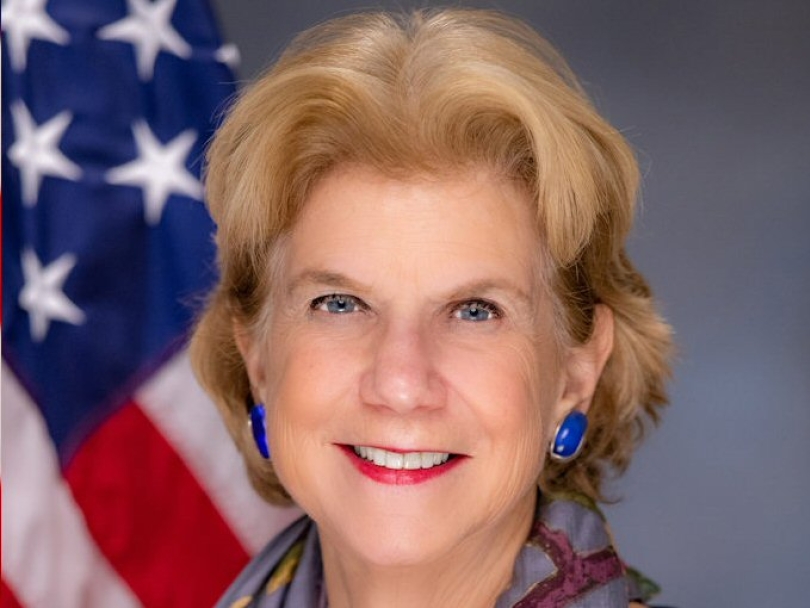
Shelley Mayer
Shelley Mayer Senate · District 37
D
Strong +
100% 27
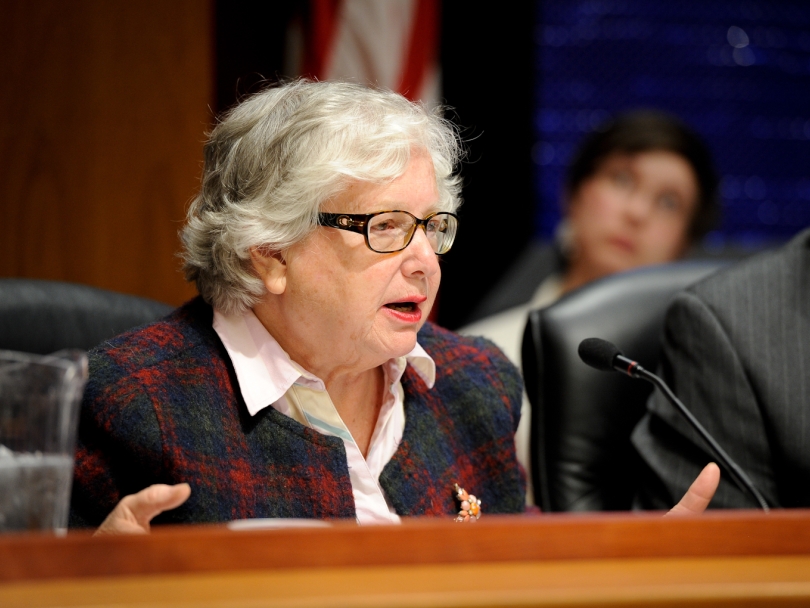
Toby Stavisky
Toby Stavisky Senate · District 11
D
Strong +
100% 24
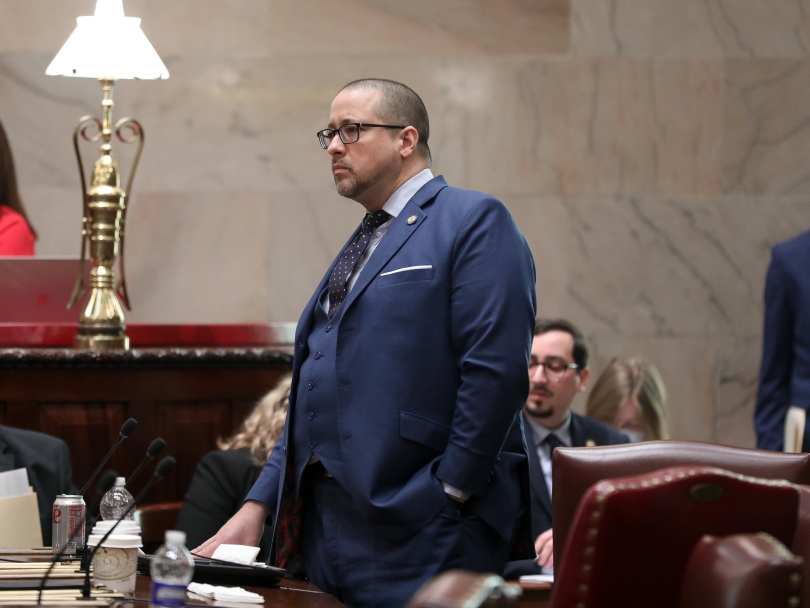
Gustavo Rivera
Gustavo Rivera Senate · District 33
D
Strong +
100% 23
Leroy Comrie
Leroy Comrie Senate · District 14
D
Strong +
100% 23
Jessica Ramos
Jessica Ramos Senate · District 13
D
Strong +
100% 22
Anil Beephan
Anil Beephan House · District 105
R
Strong −
0% 6
Ari Brown
Ari Brown House · District 20
R
Strong −
0% 6
Brian Miller
Brian Miller House · District 122
R
Strong −
0% 6
Chris Friend
Chris Friend House · District 124
R
Strong −
0% 6
Chris Tague
Chris Tague House · District 102
R
Strong −
0% 6
Showing 181–190 of 215 bills

All criminal justice bills

in committee · New York · Assembly Jan 7, 2026

A 935: Authorizes bail for principals charged with certain driving while intoxicated offenses

This bill adds felony driving while intoxicated (DWI) offenses under Vehicle and Traffic Law sections 1192 and 1193 to the list of charges where a court may authorize bail without cash conditions. It specifically affects defendants charged with felony DWI who were already out on bail, released under conditions, or awaiting arraignment for other serious offenses (like property harm or firearm charges). Courts may release these defendants without cash bail if prosecutors show reasonable cause the defendant committed the current DWI offense, and if the court determines any property harm involved was negligible and unrelated to other criminal activity. The bill does not change existing bail rules for other offenses but expands the scope to include felony DWI cases.
Sub-Topics Courts Firearms
in committee · New York · Assembly Jan 7, 2026

A 5565: Relates to the execution of a warrant of arrest and establishes educational programs for judicial personnel on the law of searches, arrests and seizures

Relates to the execution of a warrant of arrest; authorizes the commissioner of the division of criminal justice services to establish a system to record and monitor the issuance and execution of search warrants; authorizes the chief administrator of the court system to establish educational programs for judicial personnel on the law of searches, arrests and seizures.
Sub-Topics Courts
in committee · New York · Assembly Jan 7, 2026

A 4491: Relates to comparing fingerprints of a defendant against the statewide database

This bill allows courts to order fingerprint comparisons against statewide and national databases for defendants in criminal cases. It requires courts to determine first that the fingerprints meet federal or state standards, and second that a different outcome was likely if the comparison had been done earlier (e.g., a more favorable verdict or no conviction). The law directly affects defendants seeking to challenge prior convictions based on new fingerprint evidence. It creates a specific legal pathway for courts to review such evidence without changing how fingerprints are collected during investigations. The bill focuses on post-conviction relief, not new investigations.
Sub-Topics Courts
in committee · New York · Assembly Jan 7, 2026

A 5492: Relates to establishing a judicial diversion program for young defendants

This bill establishes a judicial diversion program for defendants under 24 charged with non-violent felonies or misdemeanors, allowing them to avoid a criminal conviction by completing a 16-month job training program. Eligibility excludes those with prior violent felony convictions, persistent offender status, or pending violent charges, though prosecutors may later permit participation. Participants must complete job training (including job opportunities and wages), attend court check-ins, and avoid criminal activity during the program. Upon successful completion, the court can dismiss the original charges or allow the defendant to withdraw a guilty plea and enter a misdemeanor plea with probation.
in committee · New York · Assembly Jan 7, 2026

A 1405: Relates to establishing gang courts pilot program

This bill establishes a five-year pilot program for specialized "gang courts" in Orange, Nassau, and Suffolk counties, starting January 1, 2026, and ending January 1, 2031. The courts will handle criminal cases involving groups of three or more people actively engaged in criminal conduct, as defined by the bill. Funding must come from a mix of federal grants (from the U.S. Department of Justice) and state/local resources, with the chief administrator of the courts overseeing setup and procedures. Cases will be transferred to these specialized courts from regular county courts for gang-related offenses, operating under rules set by the chief administrator.
Sub-Topics Courts
in committee · New York · Senate Jan 7, 2026

S 505: Relates to concealment and/or mutilation of a human corpse

This bill makes it a class E felony to intentionally hide, alter, damage, or destroy a human body or body part with the purpose of preventing it from being used as evidence in legal proceedings (e.g., court cases, autopsies, or criminal investigations). It specifically excludes funeral directors, embalmers, and organ donation activities under existing public health law from this prohibition. The law also adds this offense to criteria affecting bail decisions in criminal cases, but its core focus is defining the crime itself. The policy change directly affects individuals who might tamper with remains to obstruct justice, while protecting standard funeral and medical practices.
Sub-Topics Courts
in committee · New York · Senate Jan 7, 2026

S 1402: Relates to the execution of a warrant of arrest and establishes educational programs for judicial personnel on the law of searches, arrests and seizures

Relates to the execution of a warrant of arrest; authorizes the commissioner of the division of criminal justice services to establish a system to record and monitor the issuance and execution of search warrants; authorizes the chief administrator of the court system to establish educational programs for judicial personnel on the law of searches, arrests and seizures.
Sub-Topics Courts
in committee · New York · Assembly Jan 7, 2026

A 7776: Establishes conviction integrity units

Establishes conviction integrity units; describes conviction integrity units; creates definitions; provides that a prosecution agency may create a conviction integrity unit to review convictions; provides that a conviction integrity unit may make recommendations for changes in convictions and sentences obtained by the prosecution agency; grants the prosecution agency discretion regarding the conviction integrity unit's recommendations; requires notice to the victim if a petition is filed by the prosecution agency; gives the superior court the discretion to provide relief.
Sub-Topics Courts
failed · New York · Senate May 18, 2026

S 2282: Enacts the "pretrial risk overview for threat evaluation, custody, and treatment (PROTECT) Act"; repealer

Enacts the "pretrial risk overview for threat evaluation, custody, and treatment (PROTECT) Act" to evaluate certain defendants; establishes a risk assessment instrument to aid judges in determining whether to release or detain a principal, where and when a release is appropriate and necessary conditions that should be imposed as part of such release; repeals provisions of law relating to qualifying offenses and allows a court to set bail or remand a principal where based on the risk assessment instrument, where the principal poses a safety risk or risk of flight; makes related provisions.
Sub-Topics Courts
in committee · New York · Senate Jan 7, 2026

S 1471: Authorizes certain electronic court appearances

Authorizes electronic court appearances for criminal matters, excluding jury trials, in all counties in the state; authorizes electronic appearances for criminal matters where the court determines a personal appearance would be impractical, unsafe or excessively burdensome; authorizes sentencing to a period of incarceration to be conducted via electronic appearance for defendants who are already incarcerated.
Sub-Topics Courts Sentencing
Showing 181 to 190 of 215 bills
Previous 1 18 19 20 22 Next